DbcultAccessing Vault...
Cult Review
Senior Film Conservator
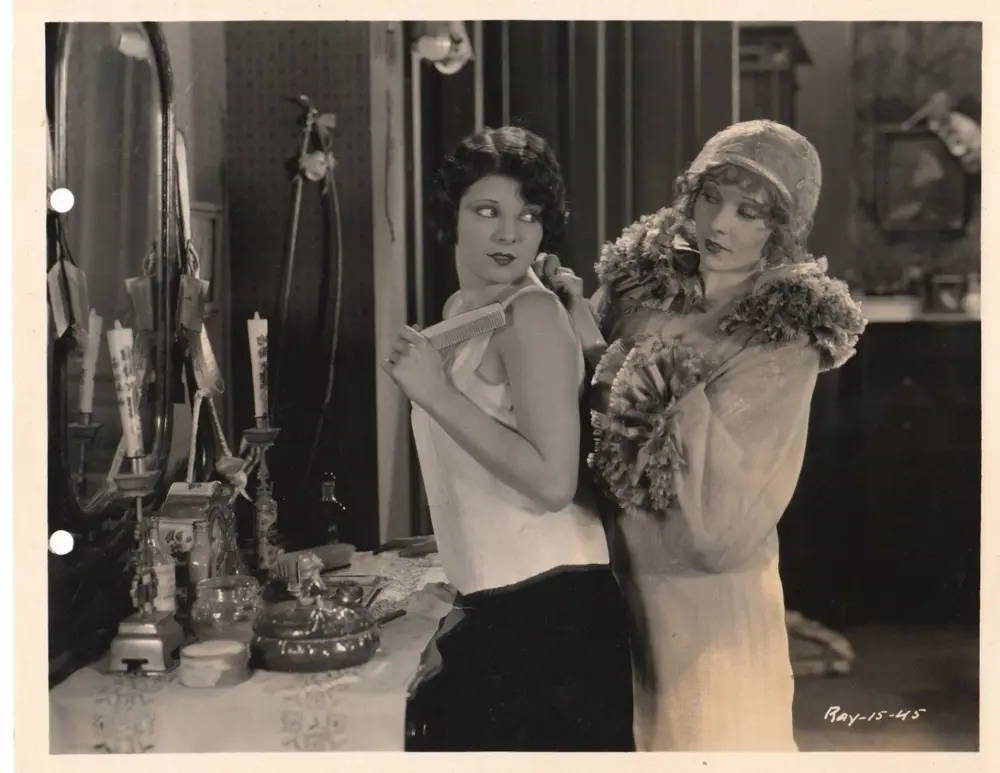
Is Rich But Honest worth watching today? Short answer: yes, but primarily as a fascinating sociological artifact of the flapper era's shifting moral goalposts. This film is for those who adore the high-energy aesthetics of the Roaring Twenties and character-driven silent dramas; it is not for viewers who require a progressive, modern resolution to gender conflicts.
Before we dive into the grit of the performance and the flicker of the film reel, let's establish the baseline. This is a film that captures a very specific moment in American history where the 'working girl' was beginning to realize her own market value, both on and off the stage.
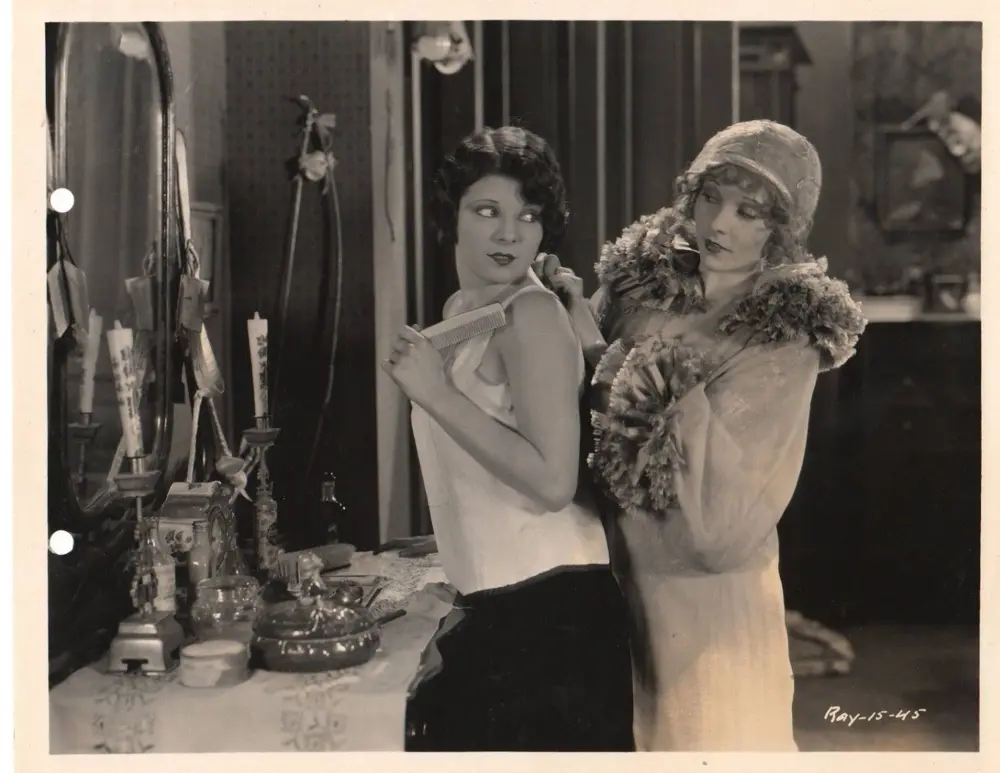
In the landscape of 1927 cinema, Rich But Honest stands out as a gritty yet glamorous look at the cost of ambition. If you are looking for a masterpiece on par with the greats, you might find it lacking in technical innovation. However, if you want a film that feels like a conversation with the past, it is essential viewing. It tackles the hypocrisy of the 'steady sweetheart' with a bluntness that was likely shocking at the time. The film asks: who is more honest—the woman who performs for a living, or the man who judges her while reaping the benefits of her status?
The opening sequences of Rich But Honest do an incredible job of establishing the claustrophobia of the department store. Florine and Maybelle are surrounded by consumer goods they can never afford, serving people who barely look them in the eye. This setup is crucial. It makes the transition to the dance hall feel like a burst of oxygen. When Florine begins the Charleston, the camera work (handled with a surprisingly steady hand for the era) captures the frantic, almost desperate energy of her movements. She isn't just dancing; she is kicking her way out of poverty.
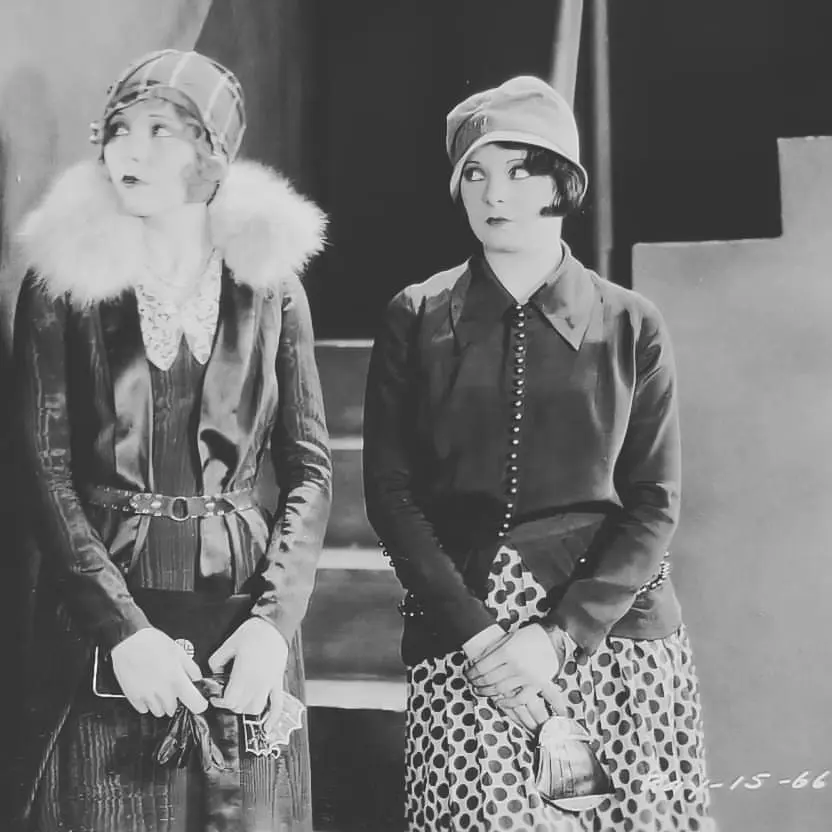
Compare this to the more subdued social climbing seen in Stepping Out. Where that film treats the transition with a certain level of grace, Rich But Honest keeps the dirt under its fingernails. Florine’s interaction with 'Diamond Jim' is transactional and honest. She knows what he wants, and she knows what she needs: a job in the theater. It’s a cynical take on the 'casting couch' that feels surprisingly modern in its lack of sentimentality.
While Florine pursues the dramatic heights of the stage, Maybelle (played with wonderful physical timing by Marjorie Beebe) takes the path of the clown. This is one of the film's strongest points. Often in these silent dramas, the 'best friend' character is a mere sounding board. Here, Maybelle’s success as a physical comedian provides a grounded contrast to Florine’s ethereal, and eventually scandalous, stage presence. Beebe’s performance reminds me of the chaotic energy found in Three Wise Goofs, where physical comedy is used to mask the underlying anxieties of the working class.
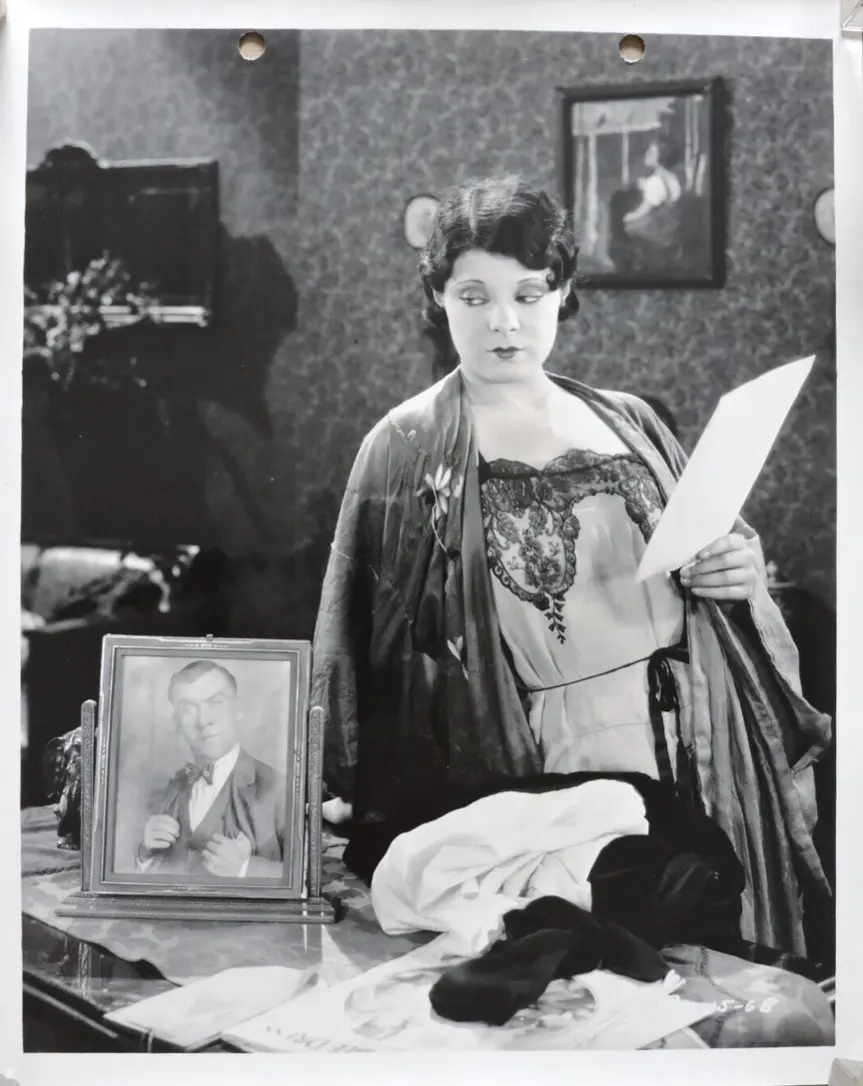
There is a specific scene where Maybelle is practicing her routine backstage, stumbling over props and making faces at the mirror. It’s a humanizing moment that shows the labor behind the laughter. It also sets up the tragedy of the second act; while Maybelle is allowed to be 'ugly' for a laugh, Florine is required to be 'beautiful' for a price. This dichotomy is the engine that drives the film's social commentary.
The turning point of the film is the Lady Godiva sequence. Florine, seeking the highest form of artistic expression (and perhaps the highest paycheck), agrees to pose in a tableau. To a modern audience, a woman on a horse in a bodysuit might seem tame, but in 1927, this was the edge of the blade. The way director Albert Ray handles the 'reveal' is masterful. He focuses not on Florine’s body, but on the faces of the audience—specifically Bob.
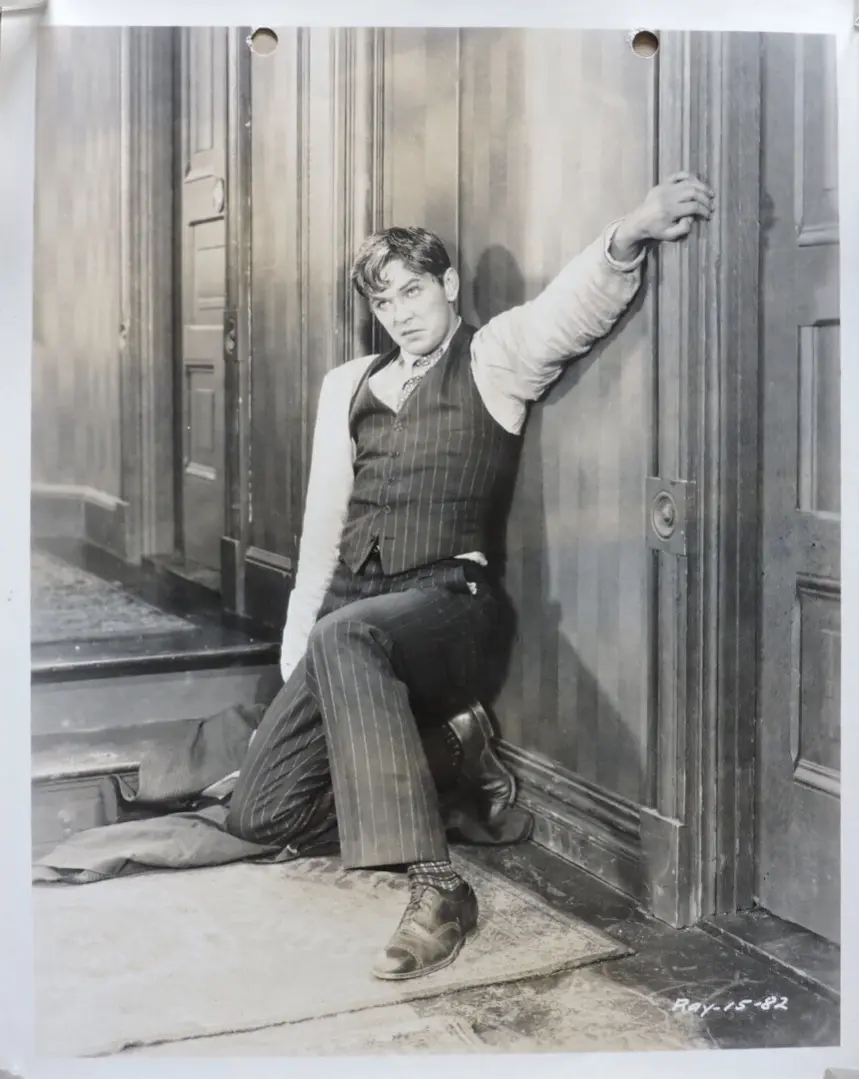
Bob’s reaction is a masterclass in the 'fragile male ego.' He doesn't see art; he doesn't see his girlfriend's hard work; he sees a blow to his own social standing. His subsequent insult to Florine is the emotional low point of the film. It’s a punch to the gut. It works. But it’s flawed. The film spends so much time building Florine up as a powerhouse that her sudden devastation feels a bit forced for the sake of the plot's melodrama. However, it perfectly illustrates the precarious nature of a woman's reputation in the pre-Code era.
Enter Dick, the 'wealthy idler.' In any other film, Dick would be the villain—the rich guy trying to buy affection. But Rich But Honest flips the script. Dick proves his 'mettle' by physically whipping Bob. While the fight choreography is standard for 1927, the subtext is what’s interesting. The film suggests that the 'honest' man (Bob) is actually a coward, while the 'idle' rich man (Dick) possesses a true moral compass because he values Florine’s spirit over her public image.
This leads us to a debatable opinion: Is Dick actually a hero, or just a better-funded version of the same patriarchy? I argue he’s a shortcut. The writers, including Randall Faye, seem to have backed themselves into a corner. They created a woman too strong for her environment, and the only way to 'save' her was to marry her off to someone with even more power. It’s a satisfying ending on a surface level, but it leaves a lingering taste of missed opportunity. We see similar themes of class and marriage in The Marriage Speculation, but here it feels more violent and immediate.
The pacing of the film is remarkably brisk. At no point does it feel like a slog, which is a common complaint with mid-period silents. The transition from the department store to the theater happens within the first twenty minutes, leaving plenty of room for the character dynamics to breathe. The cinematography by Chester Lyons is functional but has moments of flair, particularly during the Charleston contest where the lighting creates long, dancing shadows that mimic the frantic movement of the performers.
The tone, however, is a bit of a chameleon. It starts as a light-hearted comedy, shifts into a backstage musical (without the sound, obviously), and ends as a heavy-handed melodrama. This tonal whiplash might be jarring for some, but it reflects the chaotic nature of the era itself. It’s a film that doesn't know if it wants to make you laugh or make you cry, so it settles for making you think.
Pros:
- High-energy dance sequences that capture the spirit of the age.
- A cynical and realistic look at the 'casting couch' and stage life.
- Excellent supporting performances that outshine the leads.
Cons:
- A hero who is essentially just a rich guy with a good right hook.
- Some tonal inconsistency between the comedy and the drama.
- The 'Lady Godiva' misunderstanding feels slightly over-engineered.
Rich But Honest is a punchy, vibrant look at a world in transition. It doesn't have the poetic depth of something like Ingeborg Holm, but it has a street-level energy that is infectious. The film’s title is its own irony; in this world, honesty is a luxury that only the rich can afford to defend. While the ending might feel like a surrender to traditional tropes, the journey there is filled with enough Charleston rhythm and backstage drama to satisfy any cinephile. It’s a solid, three-star effort that manages to be both a product of its time and a warning for ours. Watch it for the dance, stay for the social friction, and ignore the slightly convenient fisticuffs at the end.
IMDb 4.9
1931
Community
Log in to comment.