DbcultAccessing Vault...
Cult Review
Senior Film Conservator
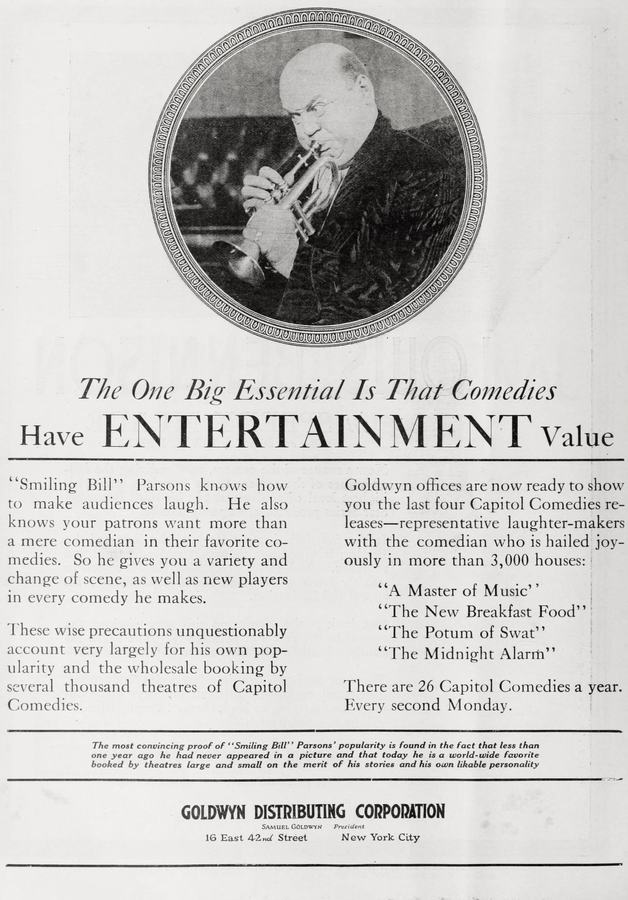
Stepping into the spectral glow of early cinema, one occasionally unearths a relic that transcends its era, speaking with an unexpected resonance to contemporary sensibilities. ‘The Midnight Alarm’, a compelling piece penned by Tom Bret and featuring the evocative talents of William Parsons, is precisely such a discovery. It’s a film that, despite its silent origins, bellows rather than whispers its intricate narrative, leaving an indelible mark upon the discerning viewer. This isn't merely a historical curiosity; it's a meticulously crafted psychological thriller, a testament to the power of visual storytelling long before synchronized sound became the industry standard. Its ability to cultivate an atmosphere of pervasive dread and simmering intrigue through purely cinematic means is nothing short of breathtaking, inviting us to reconsider the very foundations of suspense in film.
At its core, the film unravels the torment of Arthur Penhaligon, portrayed with a compelling gravitas by William Parsons. Penhaligon is a man trapped within the decaying grandeur of his ancestral home, a place that is as much a character in itself as any human presence. Every midnight, a chilling, anachronistic alarm shrieks from the mansion’s disused clock tower, a piercing intrusion that systematically erodes his fragile peace. This isn't just a quirky plot device; it's a brilliant metaphor for the inescapable clutches of the past, a relentless reminder of unresolved injustices that echo through generations. Parsons’ interpretation of Penhaligon is a masterclass in silent acting, his every gesture, every subtle shift in expression, conveying a man teetering on the brink. His eyes, in particular, become windows to a soul under siege, reflecting a spectrum of emotions from quiet contemplation to profound despair, and ultimately, a fierce determination. The film's narrative structure, though intricate, never feels convoluted; instead, it unfolds with the deliberate precision of a ticking clock, each scene building inexorably towards a pivotal revelation.
The genius of Tom Bret’s writing lies in its ability to weave a complex tapestry of greed, betrayal, and familial secrets without relying on extensive intertitles. The story is told predominantly through visual cues, character reactions, and the palpable atmosphere of the setting. We are not merely told that Penhaligon is suffering; we witness his sleepless nights, his haunted glances at the clock tower, his increasingly disheveled appearance. The film doesn't just present a mystery; it immerses us in Penhaligon's subjective experience of that mystery. This approach is reminiscent of the psychological depth explored in films like ‘I Don't Want to Be a Man’, where inner turmoil drives the external narrative, albeit through a different lens. Here, the external world, specifically the oppressive architecture of the mansion, acts as a physical manifestation of Penhaligon’s internal conflict, making the setting an active participant in his torment.
The visual language of ‘The Midnight Alarm’ is a symphony of shadows and light, expertly manipulated to enhance the film's pervasive sense of unease. The cinematographer employs stark contrasts, casting long, menacing shadows that dance across the manor’s opulent yet decaying interiors, transforming familiar spaces into unsettling landscapes. The flickering gaslight, the moonbeams piercing through dusty windows, and the deep, inky blackness that often engulfs Penhaligon, all contribute to a visual poetry that speaks volumes. This masterful use of chiaroscuro is not merely aesthetic; it serves a narrative purpose, highlighting Penhaligon's isolation and the hidden truths lurking in the dark corners of his family history. One could draw parallels to the atmospheric intensity found in works like ‘The Face in the Dark’, where light and shadow are almost characters in themselves, shaping perception and driving suspense.
William Parsons’ performance as Arthur Penhaligon is the undeniable anchor of this cinematic endeavor. He imbues his character with a quiet dignity that slowly frays under the relentless assault of the midnight alarm. His initial composure gives way to a haunted weariness, then to a feverish obsession as he delves deeper into the family archives. Watch his hands, how they tremble as he uncovers an old letter, or the way his shoulders slump under the weight of a newly discovered betrayal. These are not grand, theatrical gestures, but subtle, finely tuned expressions of a man's unraveling psyche. His portrayal elevates the film beyond a simple mystery, transforming it into a poignant character study of a man confronting the ghosts of his past. It’s a performance that holds its own against the powerful, often exaggerated, acting styles prevalent in early cinema, showcasing a remarkable restraint and depth, much like the understated but impactful acting seen in films such as ‘Her Boy’, where emotional nuance speaks louder than overt theatrics.
The supporting cast, though less prominent, contributes effectively to the film’s overall texture. While individual performances are not highlighted with the same intensity as Parsons', their collective presence helps to populate Penhaligon’s isolated world, providing foils or catalysts for his journey. The silent film era often relied on archetypal characters, but even within these confines, Bret's screenplay provides enough depth for these figures to feel more than just caricatures. Their reactions, their subtle glances, and their interactions with Penhaligon all serve to propel the narrative forward, adding layers to the central mystery. The film understands the power of suggestion, allowing the audience to fill in the blanks, which is a hallmark of truly engaging storytelling, a quality also discernible in the narrative economy of a film like ‘Everywoman’, which uses its characters to represent broader societal facets.
Tom Bret's screenplay is a marvel of intricate plotting. The revelation of the contested will, the nefarious act of betrayal, and the identity of the true villain are all meticulously laid out, not through exposition dumps, but through a series of discoveries that parallel Penhaligon's own investigative process. The pacing is deliberate, allowing the tension to build slowly, almost imperceptibly, before culminating in a thrilling climax. This controlled release of information keeps the audience perpetually engaged, constantly piecing together the fragments of the past alongside the protagonist. The film doesn't rush its revelations; it savors them, drawing out the suspense with expert precision. This kind of gradual, psychological unveiling is a testament to Bret's skill, crafting a narrative that could easily stand alongside more modern thrillers in terms of its ability to captivate and surprise. It avoids the episodic, often disjointed feel of some contemporary silent films, preferring a cohesive, tightly wound plot that feels remarkably modern in its construction, a sharp contrast to the more episodic adventures found in films like ‘The Outlaw and His Wife’.
The thematic depth of ‘The Midnight Alarm’ is another significant strength. Beyond the surface-level mystery, the film delves into profound questions about the weight of inheritance, both material and psychological. It explores how the sins of the fathers (and mothers) can ripple through generations, shaping the destinies of their descendants. Penhaligon’s struggle is not just against an external antagonist, but against the very legacy of his family, a legacy tainted by deceit and unresolved conflict. The alarm itself symbolizes this inescapable past, a constant reminder that some debts, both moral and financial, demand reckoning. The film subtly critiques the corrosive power of greed, showing how it can warp human relationships and sow discord for decades. This exploration of moral decay and its consequences echoes the social commentary found in films like ‘Damaged Goods’, though ‘The Midnight Alarm’ approaches it through a more Gothic, psychological lens rather than overt didacticism.
The production design, while perhaps limited by the technology of its time, is remarkably effective in building the film’s immersive world. The decaying mansion, with its grand but neglected interiors, feels authentic and lived-in, a character in itself. The props—dusty ledgers, cryptic letters, an antique clock—are not mere background elements; they are integral to the narrative, each piece carefully chosen to advance the plot or deepen the mystery. The attention to detail in creating this oppressive yet fascinating environment speaks volumes about the filmmakers’ commitment to their vision. It’s a testament to the ingenuity of early cinema artists who could conjure entire worlds with limited resources, relying heavily on atmosphere and symbolic imagery, much like the evocative settings in ‘Zagadochnyy mir’, which also leveraged its environment to create a sense of the unknown and mysterious.
The film’s climax is a masterclass in silent suspense. As Penhaligon finally uncovers the full truth, the tension ratchets up to an almost unbearable degree. The visual storytelling during these final sequences is particularly potent, relying on rapid cuts, close-ups of Parsons’ contorted face, and swift, dramatic movements to convey the urgency and danger of the moment. The resolution, while satisfying, avoids simplistic closure, leaving a lingering sense of the profound impact of the events on Penhaligon’s psyche. It’s a thrilling culmination that pays off all the meticulously built suspense, delivering a cathartic release for both character and audience. This expertly choreographed finale demonstrates an understanding of dramatic structure that rivals many later sound films, proving that powerful storytelling transcends technological limitations. The emotional intensity and moral stakes resonate with the dramatic confrontations found in ‘Den retfærdiges hustru’, though applied to a more Gothic thriller context.
In a broader cinematic context, ‘The Midnight Alarm’ stands as a significant, if perhaps overlooked, entry in the silent film canon. It demonstrates a sophisticated understanding of genre conventions, blending elements of mystery, psychological drama, and Gothic horror into a seamless whole. Its influence, though perhaps not overtly documented, can be felt in later suspense films that rely on atmosphere and internal torment rather than overt action. It reminds us that the foundations of modern cinematic storytelling were firmly laid in this era, with filmmakers experimenting with techniques that would become staples of the craft. To watch it today is to witness a crucial evolutionary step in narrative cinema, a film that pushed the boundaries of what was possible with the medium. It's a reminder that true artistry often blossoms in perceived limitations, much like the innovative spirit celebrated in ‘All for the Movies: Universal City, California, the Wonder City of the World’, showcasing the creative drive behind the nascent film industry.
The enduring appeal of ‘The Midnight Alarm’ lies in its timeless themes and its masterfully executed suspense. It’s a film that proves the adage that a compelling story, told well, will always captivate. William Parsons’ portrayal of Arthur Penhaligon is a tour de force, anchoring the film with a deeply felt human performance. Tom Bret’s writing is intricate and intelligent, constructing a narrative that respects the audience’s intelligence. The technical aspects, from cinematography to production design, all converge to create a cohesive and deeply immersive experience. For aficionados of silent cinema, or indeed, anyone with an appreciation for well-crafted suspense, this film is an essential viewing. It’s a powerful testament to the artistry and ingenuity of early filmmakers, a work that continues to resonate with its psychological depth and compelling narrative. It demands to be seen, studied, and celebrated as a significant contribution to the art form.
In an era often characterized by broad strokes and overt melodrama, ‘The Midnight Alarm’ distinguishes itself through its subtlety and psychological penetration. It doesn't rely on cheap scares or sensationalism; instead, it builds its terror from within, from the slow erosion of a man's sanity and the relentless pursuit of a decades-old truth. The film's ability to maintain a suffocating atmosphere of dread throughout its runtime is a remarkable achievement, a testament to its creators' understanding of human fear and curiosity. It's a film that encourages active engagement, inviting the viewer to become a co-investigator alongside Penhaligon, piecing together the fragments of the past. This interactive quality, combined with its profound emotional core, ensures that ‘The Midnight Alarm’ remains a vital and compelling piece of cinematic history, a true hidden gem that deserves its place in the spotlight. Its intricate plot and character-driven mystery echo the complexities found in films like ‘The Builder of Bridges’, which also explores the profound impact of past events on present lives.
IMDb 6.4
1931
Community
Log in to comment.