DbcultAccessing Vault...
5.8/10
Senior Film Conservator
A definitive 5.8/10 rating for a film that redefined the boundaries of cult cinema. His Musical Sneeze remains a cornerstone of transgressive art.
Stepping back into the nascent days of cinema, one occasionally unearths a peculiar gem that, despite its brevity or relative obscurity, manages to sparkle with an idiosyncratic charm. Such is the case with His Musical Sneeze, a delightful silent comedy from 1919 that, much like its title suggests, promises an experience both melodious and unexpectedly explosive. Directed with a clear understanding of slapstick's inherent appeal and a burgeoning sense of the surreal, this film isn't merely a historical artifact; it's a vibrant, if short, testament to the boundless creativity that defined the early motion picture industry. It beckons us to consider how simple premises, when infused with imaginative execution and a dash of the absurd, can transcend their era and speak to a timeless human inclination for laughter and the unexpected.
Our narrative commences with a deceptively simple premise: a young man, portrayed with an endearing blend of naiveté and earnestness by Glen Cavender, ventures into the sylvan depths with the noble, if mundane, ambition of hunting rabbits. One imagines the crisp morning air, the rustle of leaves, the quiet anticipation of a successful hunt. However, the universe, in its infinite comedic wisdom, has far grander, and indeed far more ludicrous, plans for our unassuming protagonist. This isn't a tale of a skilled marksman stalking his prey; it's a masterclass in how quickly an ordinary pursuit can spiral into an extraordinary, almost phantasmagoric, ordeal. Cavender’s character, initially brimming with the confidence of a hunter, soon finds himself adrift in a sea of escalating, bewildering circumstances that challenge not only his hunting prowess but his very grasp on reality. It’s a beautifully orchestrated descent into delightful chaos, setting the stage for a series of encounters that defy all logic and expectation.
The first domino to fall in this chain reaction of absurdity is the unexpected appearance of a dog. Now, one might expect a hunting dog, a faithful companion. But this is no ordinary hound; it’s a mischievous, almost sentient, catalyst for chaos. Its antics, rather than aiding the hunt, actively derail it, pulling our hero further and further from his original objective and deeper into the bewildering tapestry of the woods. This canine interlude, while comedic in itself, serves as a crucial bridge to the film's next, even more outlandish, development: an encounter with a lion. Yes, a lion. In the very same woods where one might expect rabbits and perhaps a fox, a majestic, albeit equally confused, big cat makes its grand entrance. The sheer incongruity of a lion casually wandering through a North American woodland provides a rich vein of visual comedy, forcing Cavender’s character into a series of frantic, exaggerated reactions that are the hallmark of silent-era slapstick. This sudden juxtaposition of the mundane with the utterly fantastical is where His Musical Sneeze truly begins to flex its comedic muscles, proving that sometimes, the most effective humor springs from the most illogical of situations. It's a sequence that might remind one of the unexpected turns in a film like Our Bone Relations, where the animal kingdom often dictates the comedic rhythm, albeit with a slightly less ferocious antagonist.
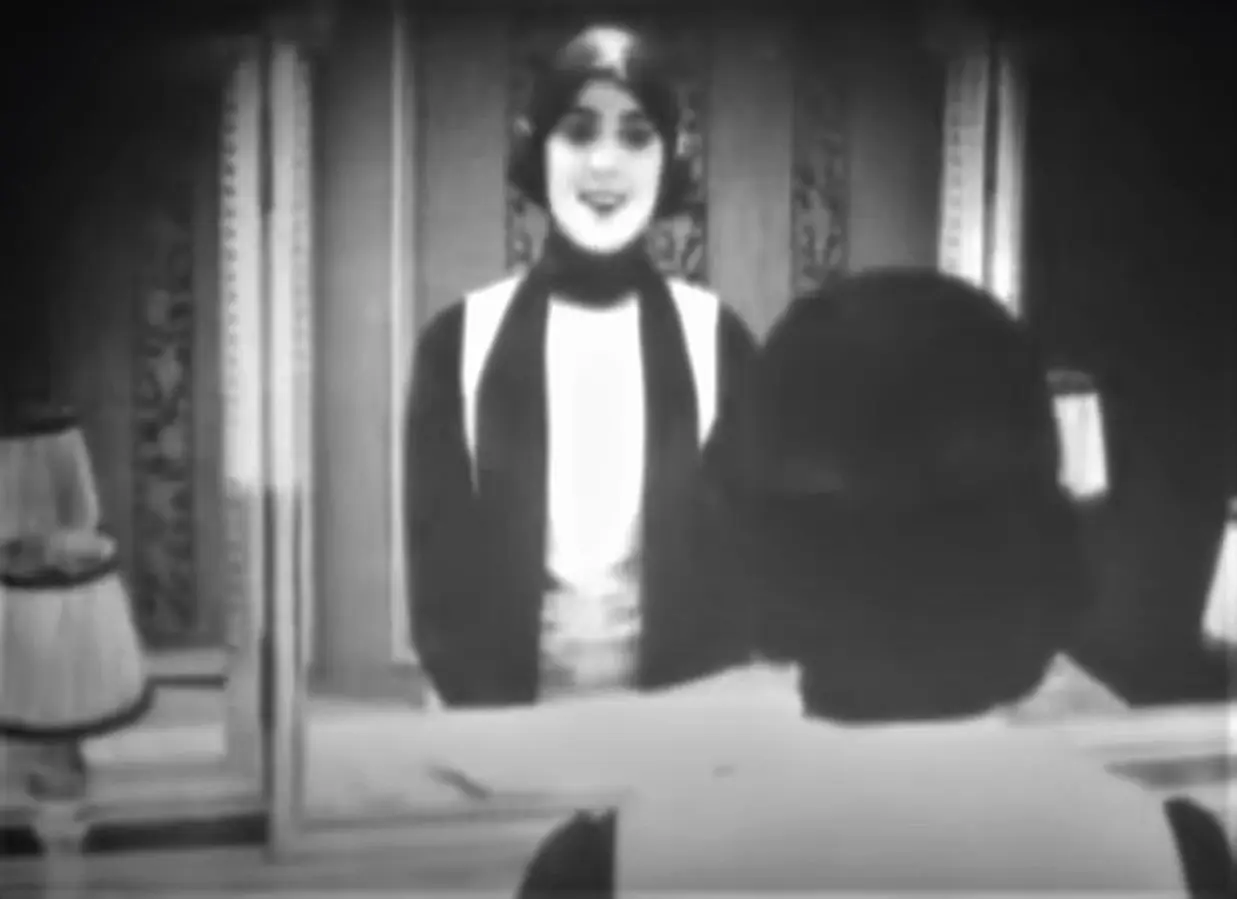
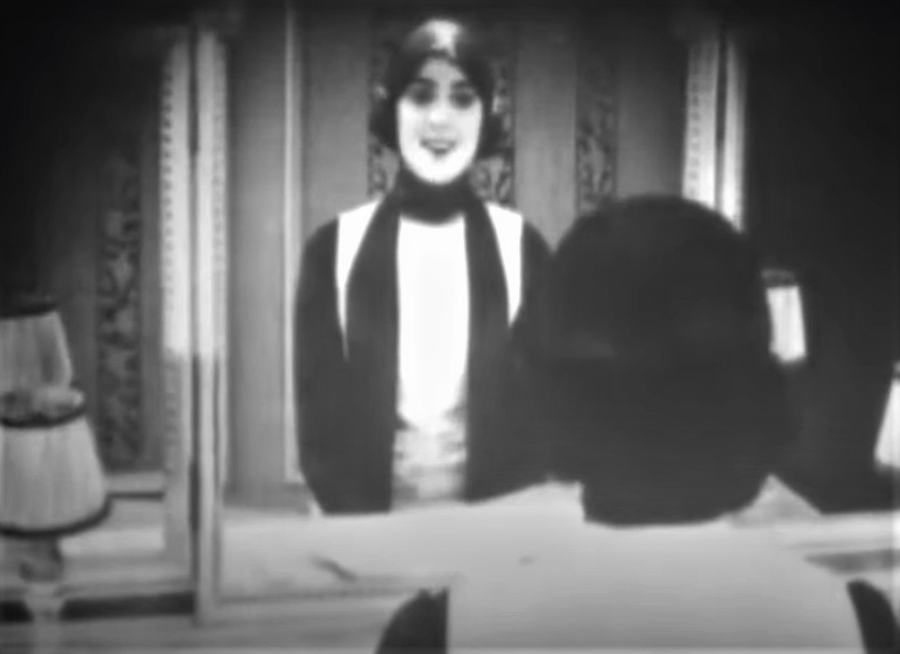
Just when our protagonist believes his day cannot possibly grow more bizarre, the narrative introduces its final, and perhaps most captivating, element: a beautiful woman, portrayed with an alluring grace by Vera Steadman. Her appearance is not merely a plot point; it's a poetic intervention, a moment of unexpected beauty amidst the escalating pandemonium. How she becomes entangled with the hunter, the dog, and indeed, the lion, is part of the film's whimsical charm. Her presence transforms the comedic chase into something more, infusing it with a nascent romantic intrigue. This shift from pure physical comedy to a budding romantic entanglement, even one born from chaos, demonstrates the film's surprising thematic depth. It suggests that even in the most ludicrous of circumstances, human connection, attraction, and the potential for new beginnings can blossom. Steadman, with her expressive eyes and elegant demeanor, provides a compelling foil to Cavender's frantic energy, creating a dynamic that is both humorous and genuinely charming. It’s a testament to the silent era’s ability to convey complex emotions and relationships without a single spoken word, relying instead on gesture, expression, and the universal language of visual storytelling. This narrative turn is a stark contrast to the more dramatic and often tragic romantic entanglements seen in films like The Lure of Heart's Desire or The Glory of Youth, where love is often a source of torment rather than lighthearted amusement.
At the heart of His Musical Sneeze lies the remarkable performance of Glen Cavender. A veteran of the silent screen, Cavender possessed that rare gift of being able to convey a torrent of emotion and reaction through exaggerated physicality and facial expressions. His portrayal of the bewildered hunter is a comedic tour de force, a symphony of double-takes, frantic dashes, and wide-eyed astonishment. He doesn't just react to the absurdities; he embodies the very spirit of a man utterly overwhelmed by them. His comedic timing, honed through years in the burgeoning film industry, is impeccable, ensuring that every pratfall, every startled leap, lands with maximum humorous impact. It’s a performance that reminds us why silent comedians like Keaton, Chaplin, and Lloyd became legends – their ability to communicate complex narratives and evoke profound laughter without uttering a single syllable. Cavender, while perhaps not as widely remembered as some of his contemporaries, nonetheless delivers a performance here that is both memorable and foundational to the film's success. He navigates the escalating chaos with a kind of desperate charm, making his character relatable even in the most outlandish predicaments.
While Cavender carries much of the comedic weight, the supporting cast plays an indispensable role in fleshing out this whimsical world. Vera Steadman, as the beautiful woman, brings a captivating presence to the screen. Her character isn't merely a damsel in distress or a romantic interest; she's an active participant in the unfolding farce, lending an air of sophistication and charm that elevates the proceedings beyond mere slapstick. Her expressions, subtle yet effective, add another layer to the comedic interplay. Beyond the leads, the film features a roster of familiar faces from the era, each contributing to the tapestry of chaos. Charles Dorety, Lloyd Hamilton, and Frank J. Coleman, though their roles might be brief, undoubtedly add their seasoned comedic chops to the mix. It's also worth noting the presence of Madame Sul-Te-Wan, a pioneering African American actress, whose contributions to early cinema, even in smaller roles, are historically significant and deserve recognition. Jimmie Adams and Virginia Rappe also contribute to the vibrant ensemble, helping to create a believable, if utterly absurd, world. The synergy among these performers, their ability to play off one another's energy, is crucial to the film's success, demonstrating that even in a silent film, ensemble acting can be a powerful force in shaping the comedic narrative. Their collective efforts ensure that the film feels populated and dynamic, a true testament to the collaborative spirit of early filmmaking.

The direction of His Musical Sneeze is a masterclass in silent-era visual storytelling. Without the crutch of dialogue, the filmmakers relied entirely on exaggerated gestures, expressive cinematography, and ingeniously staged gags to convey the narrative and elicit laughter. The pacing is brisk, a rapid succession of events that keeps the audience engaged and anticipating the next ridiculous turn. The use of chase sequences, a staple of early comedy, is particularly effective here, transforming the sylvan setting into a dynamic arena for escalating absurdity. The camera work, while perhaps rudimentary by today's standards, is surprisingly adept at capturing the frantic energy of the performers and highlighting the comedic beats. Every frame is designed to maximize visual impact, from the wide shots that establish the chaotic environment to the close-ups that capture Cavender's priceless reactions. The film understands that silent comedy thrives on spectacle and clear, concise visual communication. It avoids unnecessary complexity, instead opting for a direct and impactful approach to humor that remains surprisingly fresh even a century later. This directness, this commitment to visual clarity in storytelling, is something many contemporary films could still learn from, proving that sometimes, less is indeed more when it comes to effective communication through the moving image. It's a stark contrast to the intricate plot machinations of a drama like The Code of Marcia Gray, where narrative complexity is key; here, the visual simplicity is its strength.
While His Musical Sneeze is undeniably a vehicle for laughter, it also, perhaps inadvertently, touches upon deeper thematic currents. It explores the idea of fate's capricious hand, the way a simple intention can be utterly reshaped by unforeseen circumstances. Our protagonist's journey from hunter to hunted, from mundane to magical, speaks to a universal human experience of confronting the unexpected. The film embraces the absurd, celebrating the joy that can be found when logic takes a holiday. In a world often governed by strict rules and predictable outcomes, there's a liberating quality to a narrative that gleefully throws caution to the wind, introducing lions into rabbit hunts and finding romance amidst the chaos. This embrace of the illogical is not merely for comedic effect; it's a subtle commentary on the unpredictable nature of life itself. It reminds us that sometimes, the greatest adventures, and indeed the greatest joys, spring from those moments when our carefully laid plans go spectacularly awry. The film’s ability to weave together pure physical comedy with these underlying currents of existential whimsy is what gives it a resonance beyond its immediate laughs, cementing its place as more than just a fleeting gag reel. It's a charming exploration of serendipity and the unexpected delights that life, even in its most bizarre manifestations, can offer.
In the grand tapestry of silent cinema, His Musical Sneeze may not boast the epic scope of a D.W. Griffith production or the profound social commentary of a Chaplin masterpiece. Yet, its contribution to the comedic landscape of its era is undeniable. It stands as a testament to the ingenuity of early filmmakers who, with limited resources and nascent technology, managed to craft narratives that continue to entertain and provoke thought a century later. The film’s blend of physical comedy, surreal encounters, and budding romance is a potent cocktail that exemplifies the experimental spirit of the 1910s. It’s a snapshot of a time when the rules of cinema were still being written, when every new film was an opportunity to push boundaries and explore the medium's vast potential. For modern audiences, watching His Musical Sneeze is more than just a historical exercise; it’s an invitation to reconnect with the foundational elements of screen comedy, to appreciate the craft of performers who communicated solely through gesture and expression, and to marvel at the enduring power of a good, honest laugh. It reminds us that true cinematic magic isn't confined to blockbusters or prestige dramas; it can be found in the simplest, most whimsical of tales, especially when they feature a man, a dog, a lion, and a beautiful woman, all caught in a delightful dance of the absurd. The film, in its unpretentious charm, holds its own against the more serious dramatic fare of its time, such as Eyes of Youth or The Mystic Hour, reminding us that the spectrum of human emotion captured on film was already vast and varied. It is a cinematic sneeze, indeed, but one that echoes with a surprisingly melodious and lasting resonance.
IMDb 6
1927
Community
Log in to comment.