DbcultAccessing Vault...
Cult Review
Senior Film Conservator
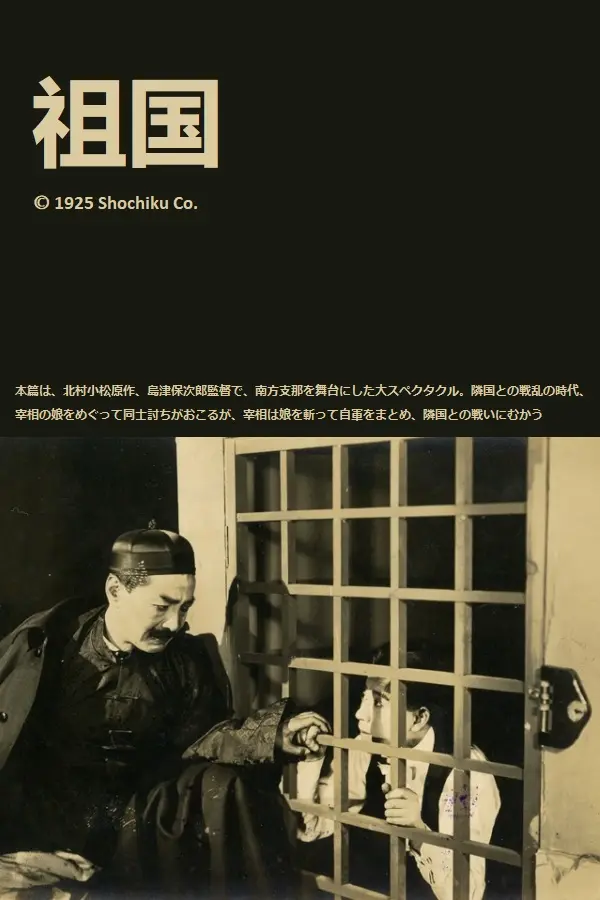
Sokoku, a cinematic endeavor set in southern China, presents a gripping spectacle that masterfully entwines the lives of its characters in a complex narrative. Based on an original story by Komatsu Kitamura, this film promises an intricate exploration of human relationships, replete with tension, deception, and redemption.
The story, as penned by Kitamura and adapted by Takezô Yoshida, unfolds with the ferocity of a tempest, hurtling the audience through a labyrinthine world of character entanglements. At the heart of this drama are Hideo Fujino, Akira Takayama, Yoshiko Kawada, and Masao Inoue, whose performances breathe life into the narrative, imbuing it with a palpable sense of urgency and desperation.
The cinematography, a visual feast, captures the stark beauty of southern China, juxtaposing the serene natural landscapes with the turbulent lives of the characters. This contrast serves to heighten the emotional impact of the story, drawing the audience into the world of the film. The use of lighting and composition is noteworthy, creating a visual narrative that complements the on-screen action.
The cast, a talented ensemble, delivers performances that are at once nuanced and powerful. Hideo Fujino, Akira Takayama, Yoshiko Kawada, and Masao Inoue, among others, navigate the complex web of relationships with a depth and conviction that underscores the film's thematic concerns. Their portrayals humanize the characters, making their struggles and triumphs resonate deeply with the audience.
One of the most striking aspects of Sokoku is its thematic ambition. The film tackles complex issues, including loyalty, deception, and redemption, weaving these threads into a narrative that is both engaging and thought-provoking. This thematic depth, coupled with the film's technical achievements, positions Sokoku as a standout in the realm of cinematic storytelling.
In comparison to other films of its era, Sokoku shares a thematic kinship with One of the Finest, which also explores the complexities of human relationships. However, Sokoku's unique narrative voice and technical prowess set it apart, making it a singular viewing experience.
The film's pacing, a critical element in maintaining the narrative's momentum, is commendable. The editing, seamless and intuitive, ensures that the story unfolds with a natural flow, never faltering in its ability to engage the audience. This pacing also allows for a thoughtful exploration of the characters' motivations and actions, adding depth to the narrative.
The score, an aural complement to the visual narrative, enhances the emotional impact of key scenes, elevating the overall viewing experience. The use of music, judicious and restrained, serves to underscore the film's thematic concerns, never overpowering the on-screen action.
Upon reflection, Sokoku emerges as a masterpiece of cinematic storytelling, its intricate narrative, coupled with technical achievements and powerful performances, making it a must-view for aficionados of the medium. The film's exploration of complex themes, including loyalty, deception, and redemption, resonates deeply, offering a viewing experience that lingers long after the credits roll.
In conclusion, Sokoku is a gripping spectacle that warrants attention from both critics and audiences. Its unique narrative voice, thematic ambition, and technical prowess position it as a standout in the realm of cinematic storytelling. For those seeking a film that challenges and engages, Sokoku is an indispensable watch.
Ultimately, Sokoku's impact lies in its ability to balance complex storytelling with technical proficiency, creating a viewing experience that is both engaging and thought-provoking. As a cinematic endeavor, it not only showcases the talents of its cast and crew but also offers a profound exploration of the human condition.
IMDb 5.6
1922
Community
Log in to comment.