DbcultAccessing Vault...
6.7/10
Senior Film Conservator
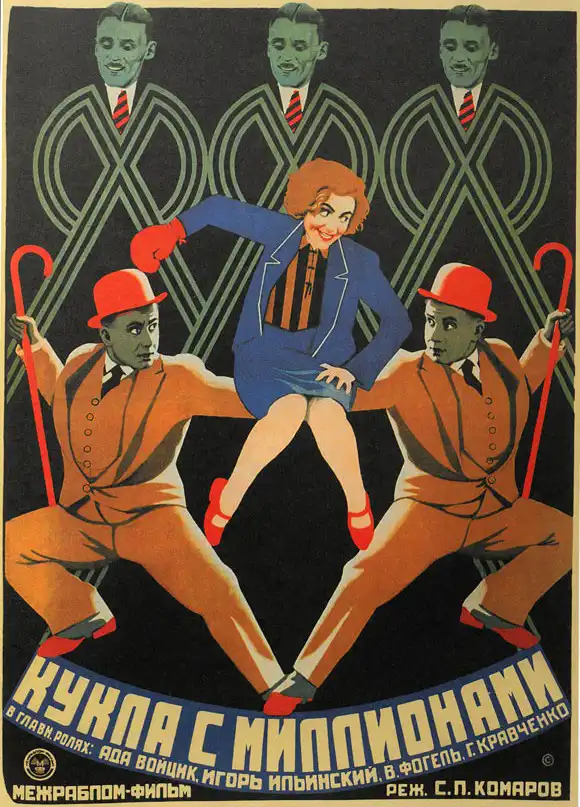
A definitive 6.7/10 rating for a film that redefined the boundaries of cult cinema. Kukla s millionami remains a cornerstone of transgressive art.
Is Kukla s millionami worth your time today? Honestly, it depends entirely on your patience for a very particular kind of silent era slapstick, filtered through a 1928 Soviet lens. If you’re someone who genuinely enjoys digging into the odd corners of film history, especially early comedies that feel a little off-kilter, then yes, there are some real gems here. If you prefer your laughs fast-paced and your narratives tightly wound, you’ll probably find it a slog. This is for the curious, not the casual.
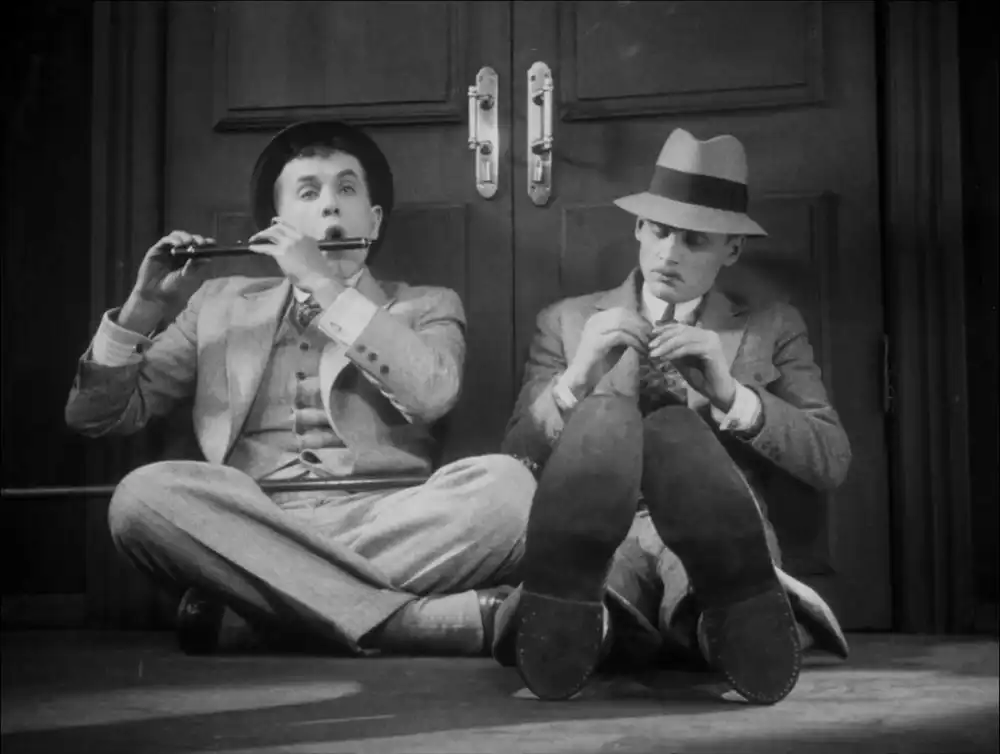
The setup is classic farce: a huge inheritance, a missing heir (Maria Ivanova), and two bumbling, greedy cousins from Paris, Paul and Paulina, eager to find her, or rather, find someone to pretend to be her. The film is a chase, essentially, a search through Moscow that quickly devolves into mistaken identities and increasingly absurd situations.
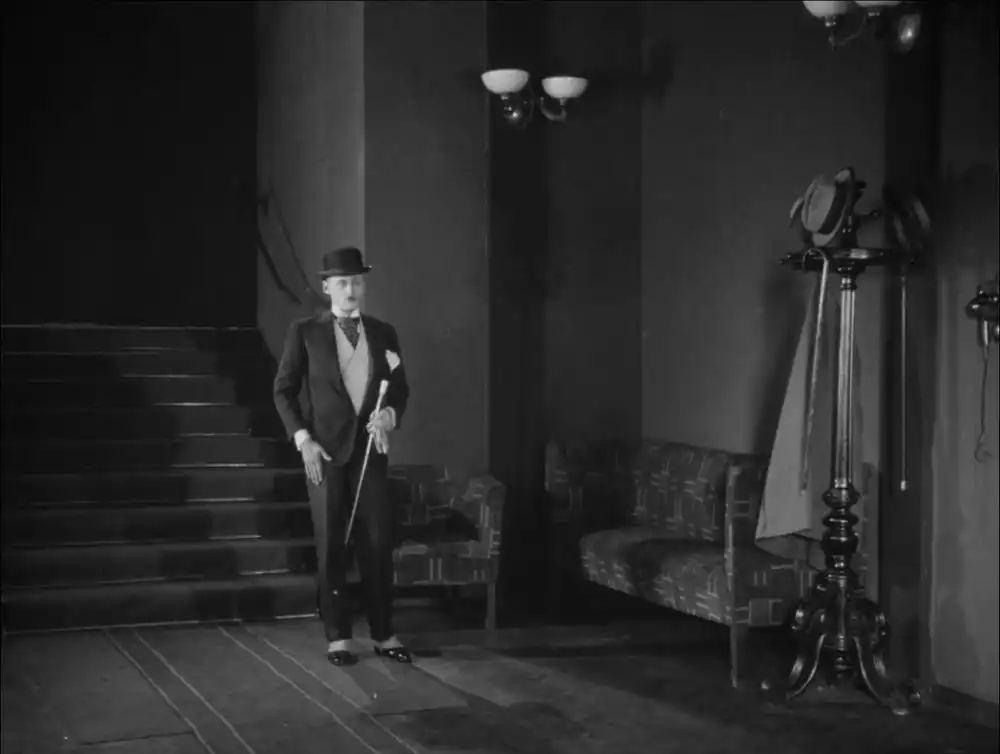
What really strikes you early on is Igor Ilyinsky as Paul. He’s just… a lot. His performance is a masterclass in silent film overacting, but in the best possible way for this kind of picture. Every gesture is amplified, every facial expression a cartoon. There’s a scene where he’s trying to discreetly search a room, and his attempts at stealth are so spectacularly unsubtle, he practically screams his intentions. It’s hard not to laugh, even if the humor feels broad enough to hit you with a brick.
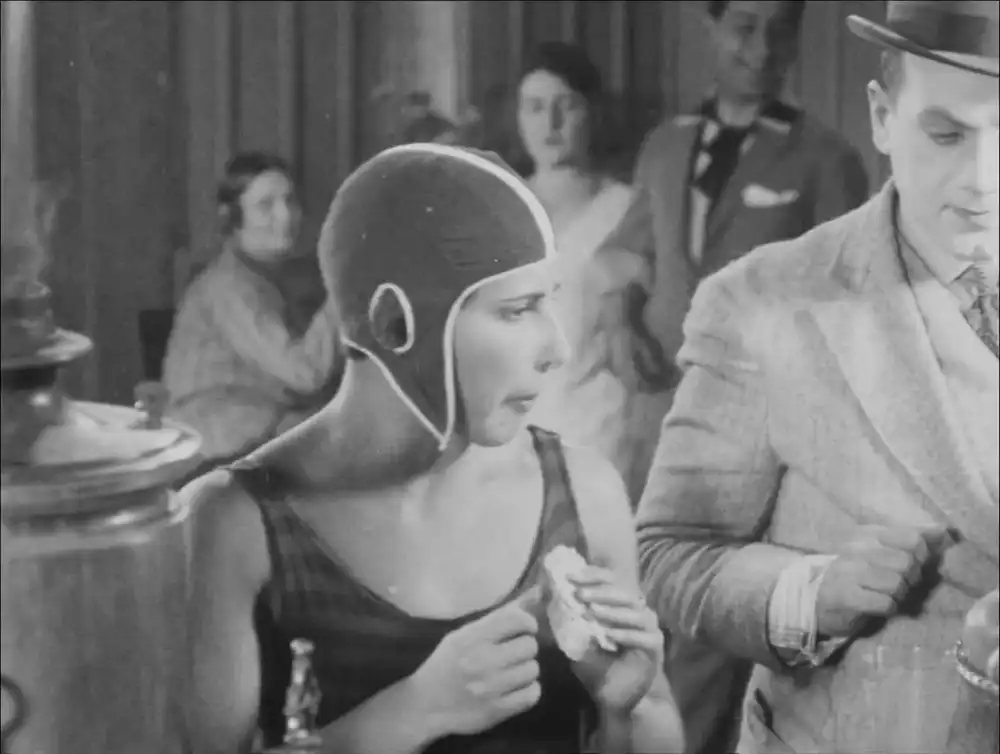
His counterpart, Paulina, played by Galina Kravchenko, is less overtly comedic but plays the exasperated straight woman well. Their dynamic is the engine of the film’s first half. They bicker, they scheme, they get into scrapes. It’s not exactly sparkling chemistry, more like two mismatched magnets clanking together. But it works for the kind of frantic energy the film aims for.
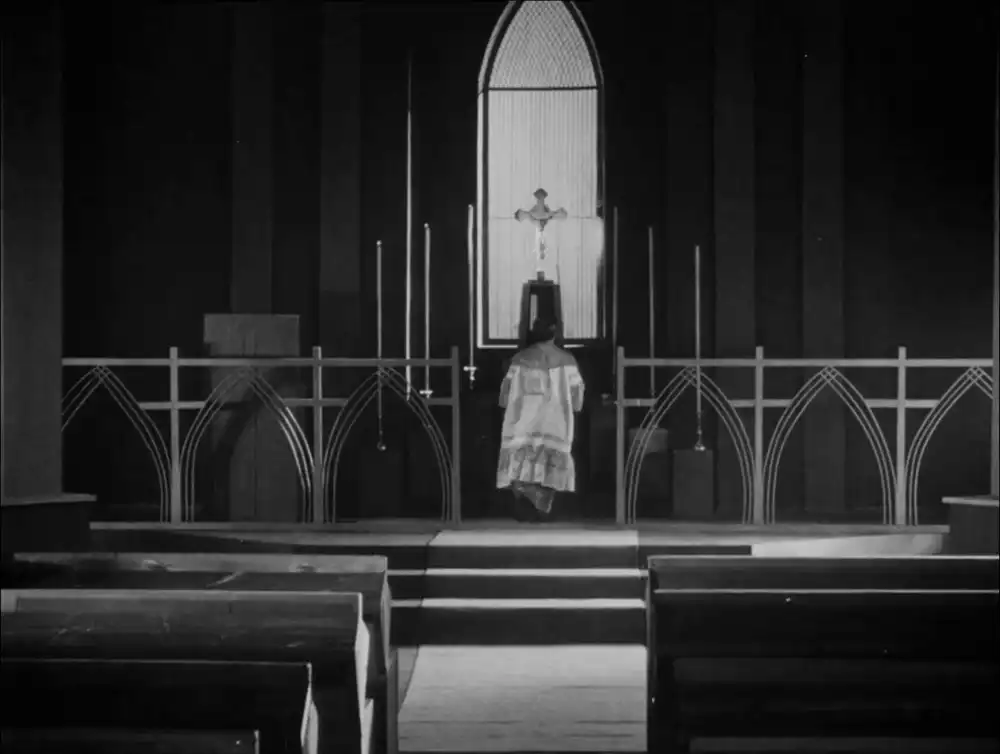
The pacing is a bit of a rollercoaster. There are long stretches that feel genuinely slow, where a gag is set up with agonizing deliberation. Then suddenly, it snaps into a rapid-fire montage of chases and near-misses. One particular sequence involving a chase through a market feels like it’s trying to channel some of Buster Keaton’s energy, with people tumbling over stalls and carts. It’s chaotic, and for a few minutes, it really hums.
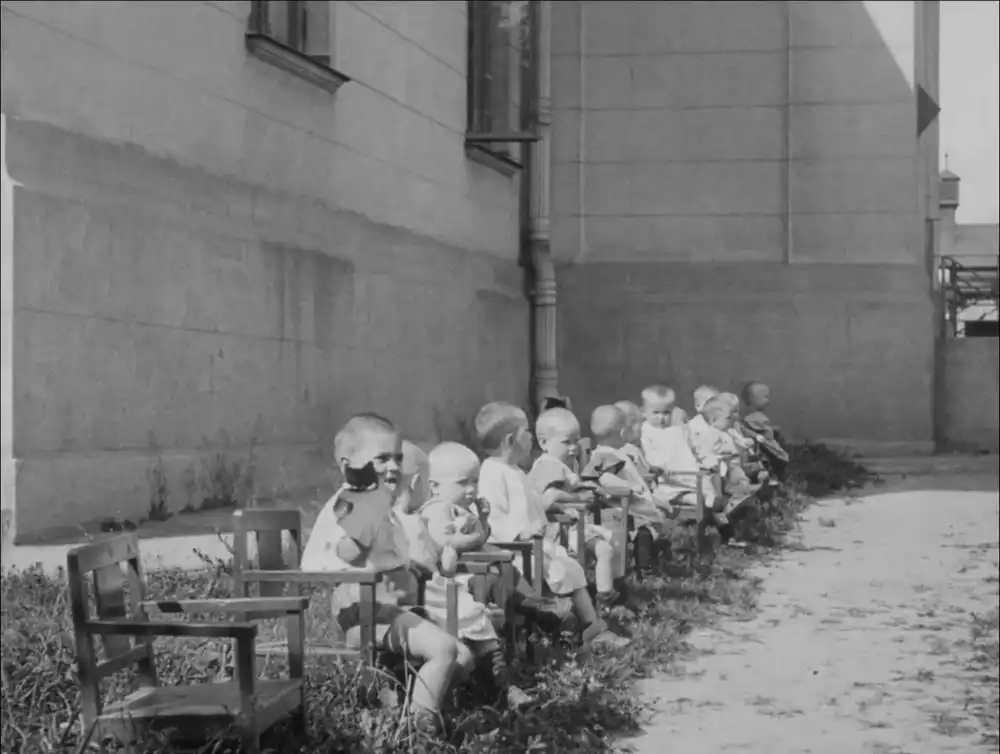
But then there are moments that just… hang there. A reaction shot of a minor character might linger a beat too long, and you start to wonder if the editor just forgot to cut. Or perhaps it was intentional, hoping to wring out a bit more pathos or humor that just isn't quite landing. It gives the whole thing a very handmade, slightly unpolished feel.
I found myself enjoying the glimpses of 1920s Moscow more than the actual plot at times. The street scenes, the crowds, the architecture – it's a window into a bygone era. There’s a shot of a busy square, and you can pick out all these little details in the background. It feels very authentic, not like a carefully constructed set. These little visual textures are what elevate it beyond just a series of gags.
The plot gets pretty convoluted, as silent comedies often do. Maria Ivanova, the real one, is a worker, and the film takes some time to contrast her simple life with the bourgeois antics of her cousins. This feels a little heavy-handed at times, like the film suddenly remembers it’s a Soviet production and needs to insert a class commentary. It doesn't quite blend seamlessly with the madcap search for money.
There’s a character, Kuku, who shows up a bit later, a sort of clown or street performer. He’s completely out of left field, and his introduction shifts the tone dramatically. He brings a different kind of physical comedy, more acrobatic and less about the bumbling. It’s a strange choice, almost like the writers decided the initial premise wasn't quite enough and threw in another element to spice things up. It’s either brilliant or baffling, I haven't quite decided.
Some of the visual gags are genuinely clever. There’s one involving a hat and a series of mistaken identities that plays out beautifully, almost like a ballet of confusion. And then there are others that fall completely flat, relying on broad physical comedy that hasn't aged particularly well. It’s a mixed bag.
Ultimately, Kukla s millionami is a curious artifact. It's not a masterpiece, and it won't convert anyone who isn't already interested in silent film. But for those who appreciate the quirks and charms of the era, the exaggerated performances, the visual storytelling, and the occasional flash of unexpected wit, it's certainly worth seeking out. Just go in knowing it’s a journey, not always a smooth one, but one with some interesting sights along the way.
IMDb 5.7
1936
Community
Log in to comment.