DbcultAccessing Vault...
4.8/10
Senior Film Conservator
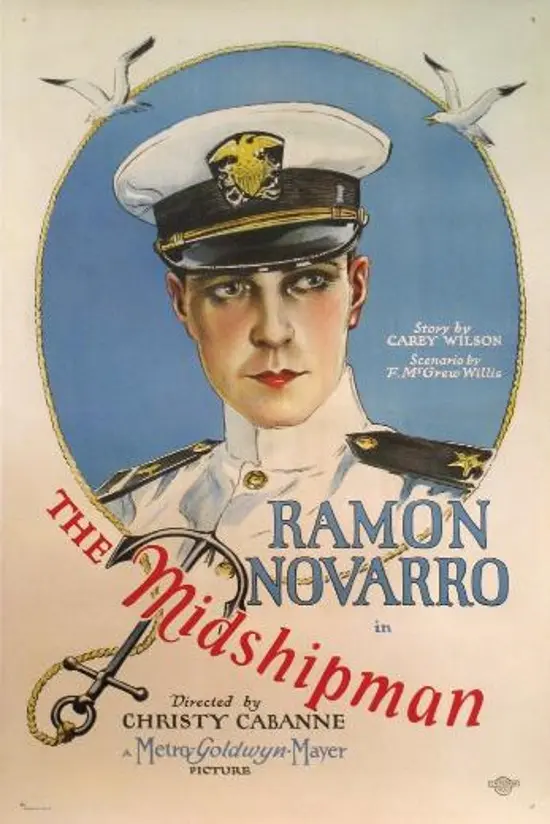
A definitive 4.8/10 rating for a film that redefined the boundaries of cult cinema. The Midshipman remains a cornerstone of transgressive art.
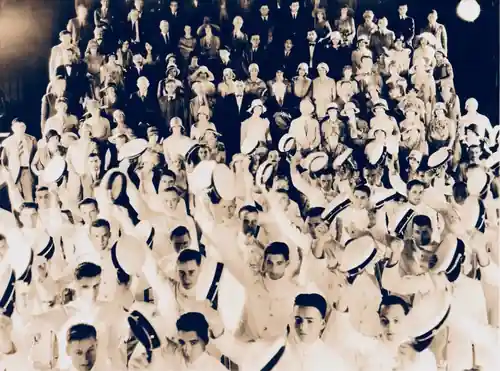
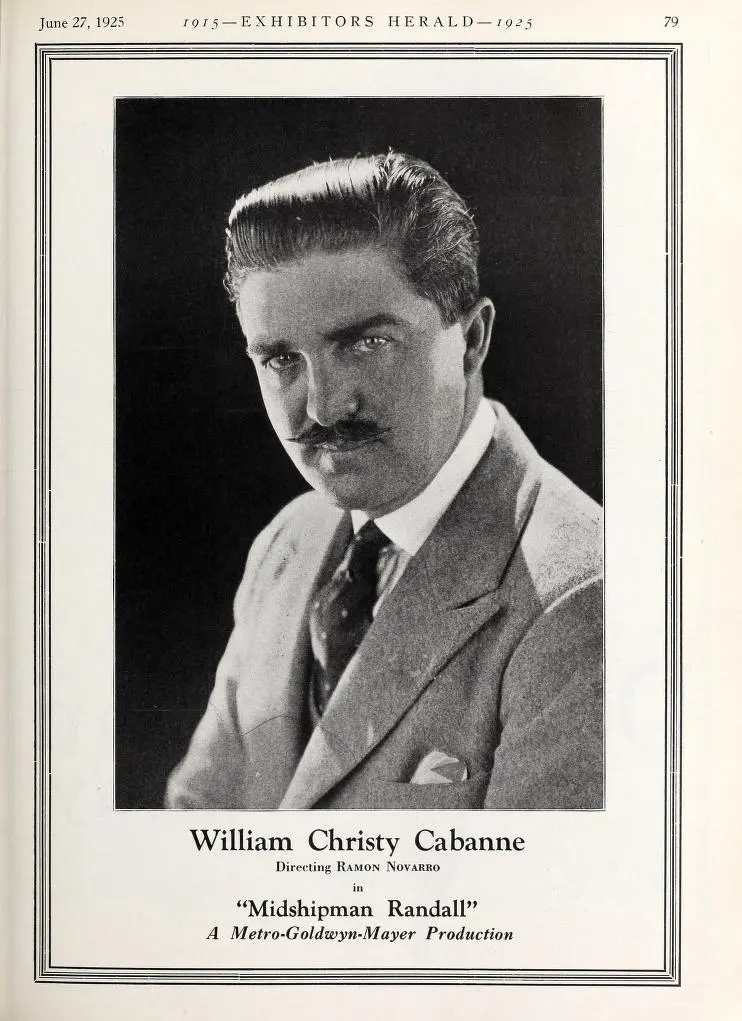
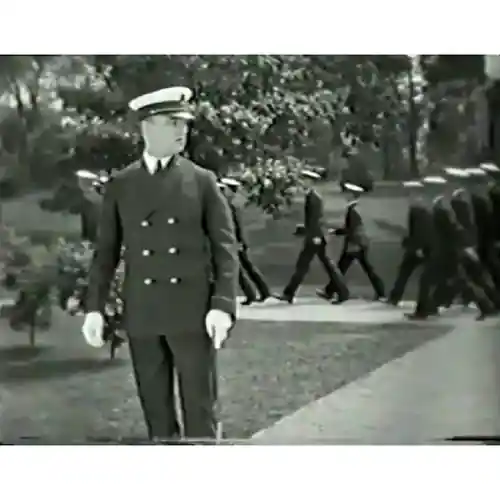
In the annals of silent cinema, certain films emerge not merely as historical artifacts, but as pulsating narrative engines, capturing the zeitgeist of their era while resonating with timeless human dilemmas. "The Midshipman", a 1925 Metro-Goldwyn-Mayer production, stands as a compelling testament to this enduring power. Directed by Christy Cabanne and penned by the collaborative talents of Carey Wilson and F. McGrew Willis, this drama plunges viewers into the rigid, honor-bound world of the United States Naval Academy, only to expose the volatile currents of ambition, love, and deceit swirling beneath its polished surface. It is a narrative that, even a century later, retains a surprising grip, reminding us that the human heart, for all its capacity for greatness, remains susceptible to the darkest machinations when challenged by rivalry and perceived injustice.
At the heart of this intricate tapestry is James Randall, portrayed with a nuanced blend of earnestness and burgeoning star power by Ramon Novarro. Novarro, fresh off his triumph in "The Eagle", brings a magnetic intensity to Randall, a midshipman whose trajectory toward a distinguished naval career seems assured until fate, in the guise of love and malice, intervenes. His world, meticulously structured by naval discipline, is irrevocably altered by the arrival of Patricia Lawrence, played by Harriet Hammond. Hammond imbues Patricia with an appealing grace and vulnerability, making her an entirely credible object of Randall’s affections. Their initial encounters are steeped in the innocent charm of silent-era romance, a delicate dance of stolen glances and unspoken sentiments that blossoms against the backdrop of Annapolis’s stately architecture and bustling cadet life. It’s a romance that feels both inevitable and deeply imperiled from its very inception, a testament to the writers’ ability to craft immediate emotional stakes.
The true antagonist, however, is Basil Courtney, brought to life with aristocratic menace by Crauford Kent. Kent excels in portraying the insidious nature of Courtney, a man whose wealth and social standing mask a profound moral bankruptcy. Courtney isn't merely a rival; he is an embodiment of entitlement and petty vindictiveness, a character whose actions are driven by a corrosive mix of jealousy and a desire to maintain control over Patricia, to whom he is engaged. His scheme to discredit Randall is a masterclass in calculated cruelty, involving not only the deliberate framing of Randall for a technical violation that could end his career but also the deployment of a "loose" woman to compromise his reputation. This aspect of the plot, while a common trope in melodramas of the era, is handled with a particular venom here, underscoring the lengths to which Courtney is willing to go. It sets up a moral contrast that is stark and unambiguous: the honorable, albeit naive, midshipman versus the conniving, sophisticated villain.
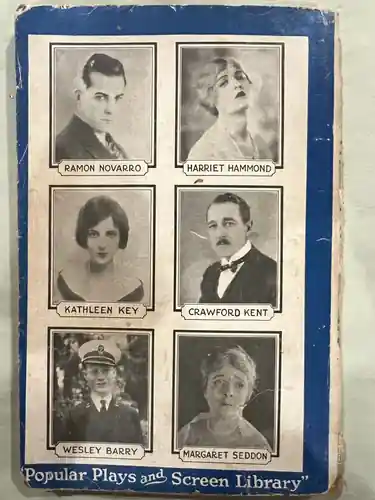
The supporting cast plays a crucial role in grounding this dramatic narrative. Margaret Seddon, as Patricia’s mother, provides

IMDb 6.6
1922
Community
Log in to comment.