DbcultAccessing Vault...
Cult Review
Senior Film Conservator
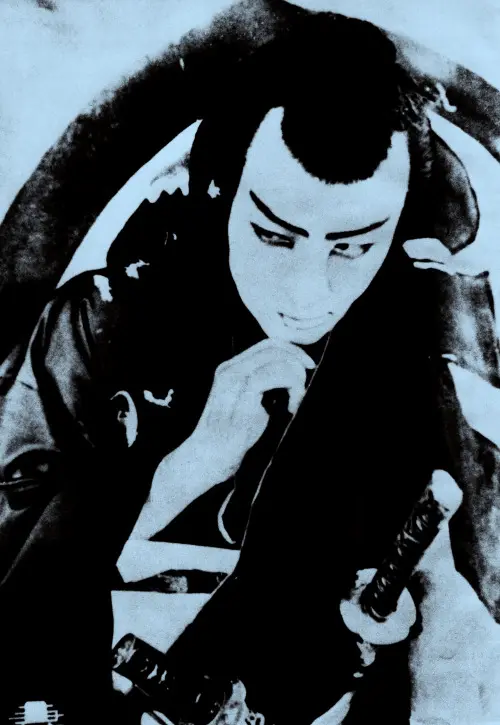
Short answer: Yes, but it requires an open mind and a willingness to engage with a deeply layered narrative. This film is worth watching if you are a fan of historical dramas and are intrigued by the complexities of human emotion and societal norms in a bygone era.
Kumo, directed by Kenji Mizoguchi, presents a profound exploration of grief, family, and the moral quandaries faced by a samurai warrior in feudal Japan. The film is a testament to Mizoguchi's directorial prowess and Yasuda's powerful performance. However, the film's pacing and reliance on traditional narrative structures might not appeal to modern viewers seeking fast-paced thrillers or contemporary storytelling techniques.
This film works because of its nuanced exploration of grief and the human condition. Mizoguchi's direction is meticulous, with each scene meticulously crafted to convey the emotional weight of the story. The performances, particularly those of Zen'ichirô Yasuda, are exemplary, bringing depth and authenticity to the characters. The film's visual and auditory elements, including the traditional Japanese music and the historical setting, enhance the immersive experience.
This film fails because of its pacing and reliance on traditional narrative structures. The film's slow, deliberate pacing can be challenging for modern audiences accustomed to quick, linear storytelling. Additionally, the film's adherence to feudal Japanese societal norms might not resonate with contemporary viewers, who may find the characters' reactions and motivations archaic and difficult to relate to.
You should watch it if you are interested in historical dramas that delve into the complexities of human emotion and societal expectations. This film is best appreciated by viewers who are willing to engage with a slower, more contemplative narrative and are curious about the cultural and societal norms of feudal Japan.
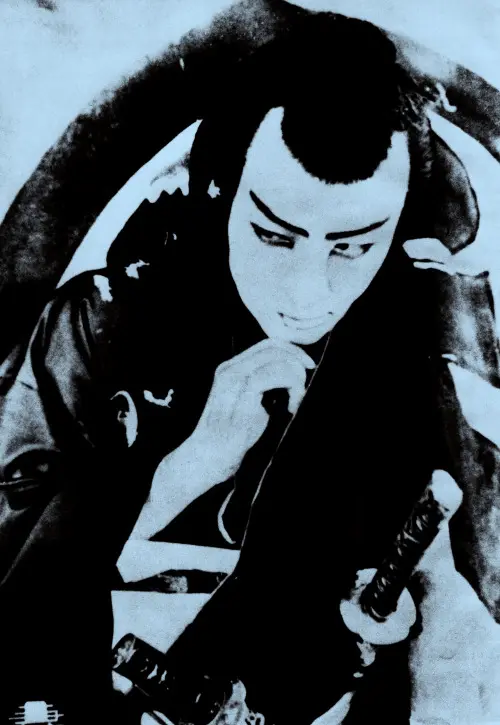
The cinematography in Kumo is meticulously crafted, with each frame carefully composed to evoke a sense of melancholy and introspection. The use of long, sweeping shots and close-ups effectively captures the emotional nuances of the characters. The traditional Japanese music, performed by a live orchestra, adds a layer of authentic emotion to the film, enhancing the overall experience. The historical setting, with its elaborate costumes and meticulously recreated sets, further immerses the viewer in the world of feudal Japan.
The performances in Kumo are uniformly strong, with Zen'ichirô Yasuda delivering a particularly poignant and nuanced portrayal of a man grappling with the loss of his wife. Yasuda's performance is a masterclass in subtlety, conveying a range of emotions from deep sorrow to a quiet determination. The supporting cast, including Tsumanosukê Bandô and Momotarô Yamamura, also deliver compelling performances, bringing depth and authenticity to their respective roles.
Mizoguchi's direction is both meticulously planned and fluid, with each scene carefully crafted to advance the narrative and deepen the emotional impact. The film's pacing, while deliberate, is effective in building tension and emotional resonance. The narrative is complex, intertwining multiple storylines and exploring various aspects of grief, family, and societal expectations. However, the film's adherence to traditional narrative structures might not appeal to modern viewers seeking more contemporary storytelling techniques.
Kumo is a deeply emotional and thought-provoking film that explores the complexities of human grief and societal expectations in feudal Japan. While the film's pacing and reliance on traditional narrative structures might not appeal to all viewers, it offers a rich and immersive experience for those willing to engage with a slower, more contemplative narrative. The film's visual and auditory elements, combined with powerful performances, make it a standout historical drama. However, modern viewers seeking fast-paced, contemporary storytelling may find the film's pacing and narrative structure challenging.
Overall, Kumo is a worthwhile watch for those interested in historical dramas that explore the complexities of human emotion and societal expectations. While the film's pacing and narrative structure may not appeal to all viewers, its rich and immersive narrative, powerful performances, and intricate exploration of the human condition make it a standout historical drama. It works. But it’s flawed. It’s a film that requires patience and an open mind, but it is ultimately a rewarding watch for those willing to engage with its slower, more contemplative narrative.

IMDb —
1929
Community
Log in to comment.