DbcultAccessing Vault...
7.1/10
Senior Film Conservator
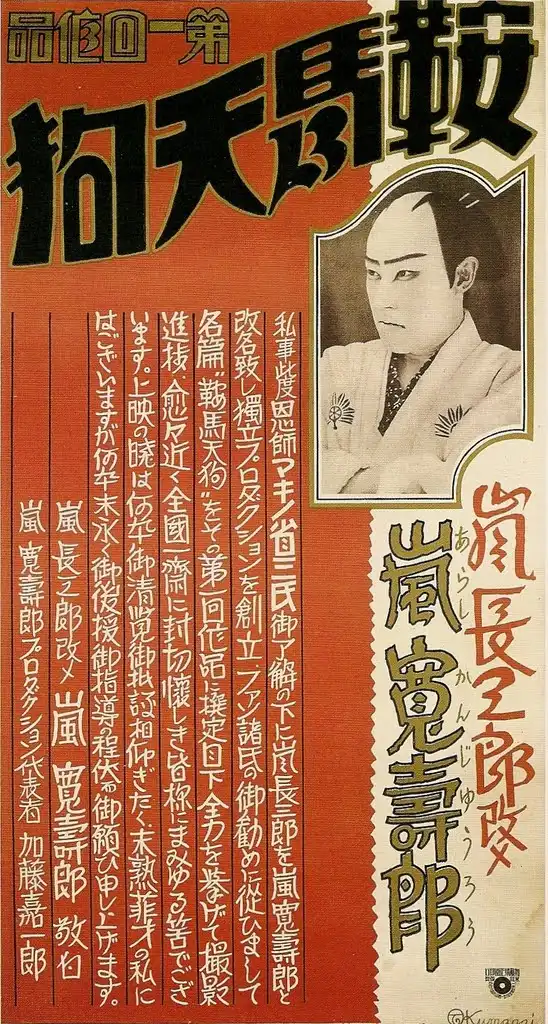
A definitive 7.1/10 rating for a film that redefined the boundaries of cult cinema. Kurama Tengu remains a cornerstone of transgressive art.
"Kurama Tengu." The name itself probably doesn't ring many bells today, does it? But if you've got a soft spot for classic samurai cinema, really classic, like the kind where the film stock feels like it's seen a hundred years, then yes, this might be a curiosity worth digging up. For anyone used to modern pacing or even Kurosawa's more accessible stuff, though, this one's probably a hard pass. You’ll be bored stiff, and that’s okay.
The story, what little I could piece together without knowing the full context of the series, follows our masked hero. He's this mysterious figure, the Kurama Tengu, who swoops in to save the day, often from corrupt officials or maybe just some plain bad guys. It's the first in a whole bunch of films, apparently, so it’s setting up quite a legend.
What really struck me was the energy of the fight scenes, even through the scratchy print. There’s this one bit where Tengu, all in black, moves with a surprising swiftness. You don't see every detail, but the blur of his sword is kinda cool. It’s less about intricate choreography and more about the sheer force of the action. The fights are quick, almost too quick sometimes, like they didn't want to dwell on the actual swordplay for long.
And the villains! Oh, the villains. They're all very dramatic, lots of menacing glares and over-the-top gestures. One guy, I think it was Kanjūrō Arashi, just had this magnificent sneer. It really sells how evil he is, even without a word being said. You get the idea, loud and clear.
The townsfolk, bless their hearts, react to everything with wide eyes and exaggerated fear. It's almost theatrical in a way that feels dated but also charming. Like when Tengu appears on a rooftop, and everyone below just freezes. A real moment of classic reaction. Sometimes the extras look a little confused, like they missed their cue. You see it, if you look close.
There are these long stretches between the action, though. Lots of walking, lots of people just standing around. It makes you realize how much movie language has changed. A modern film would cut that down to nothing. Here, you get to soak it all in, maybe a bit too much. You can almost feel the movie trying to build suspense, but it just feels slow sometimes. The pacing is definitely of its time.
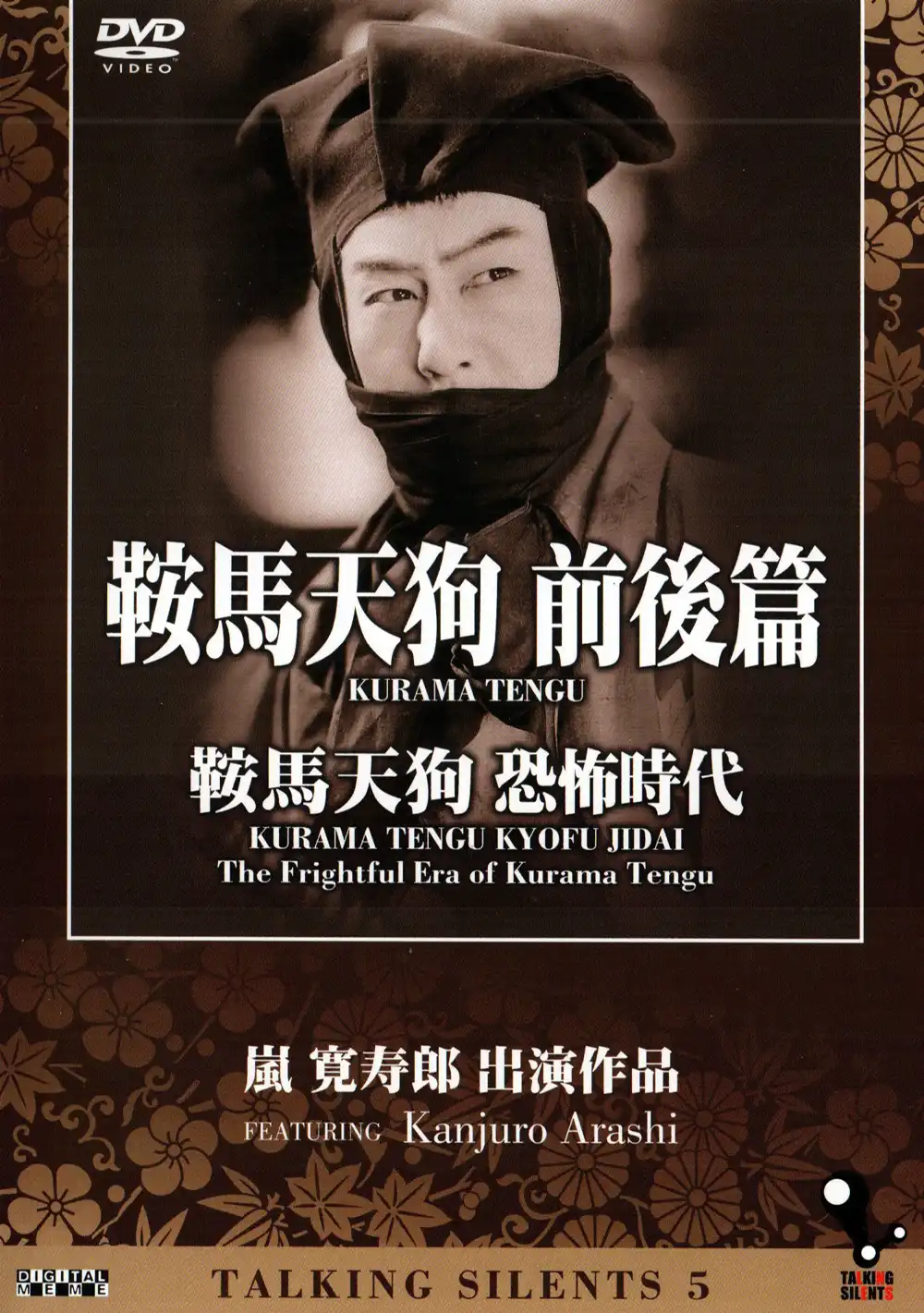
The titular character, played by Masaru Kobayashi, is mostly a presence. He’s not talking much, which makes sense for the era. It’s all about the mystique. His entrance, often from a shadow or a sudden jump, always gets a little jolt. They really knew how to make an entrance back then. You expect him to just appear, and then he does.
I kept thinking about the practicalities of filming this. Like, those sets! They're so clearly painted backdrops, but they have a certain charm. And the lighting, often very flat. It’s a window into how movies were, which is a different kind of enjoyment. The outdoor shots feel a little more natural, even with the obvious studio sun.
One specific moment that sticks with me, oddly enough, isn't a fight. It's a close-up on one of the side characters, maybe Kunie Gomi's character, looking off into the distance. The expression is just there, a quiet moment of reflection amidst all the swordplay. It gives a brief pause.
The story, being the first, sets up a lot. It doesn't really have a big, sweeping conclusion. More like a "to be continued" vibe. It just... ends. Leaving you to wonder about the next adventure. Which, again, is probably how they hooked audiences in the serial days. 🎣 It's not a complete story in itself, more like chapter one.
There's a subtle awkwardness in some of the camera movements, like the operator was still figuring things out. A pan that's a touch too fast, or a shot that holds just a bit too long. It adds to the feeling of authenticity, I think, this unpolished edge. This is what you got before everything was perfectly smooth.
It's a curious piece of film history, this Kurama Tengu. Not a cinematic masterpiece by today's standards, not even close, but an important stepping stone. It’s got a certain raw energy that’s hard to ignore. If you want to see where some of those samurai tropes began, this is a decent place to start, imperfections and all. You won't be blown away, but you might get a little kick out of it. It’s not a film you’ll necessarily love, but it’s one you can appreciate for what it is.
IMDb —
1918
Community
Log in to comment.