DbcultAccessing Vault...
Cult Review
Senior Film Conservator
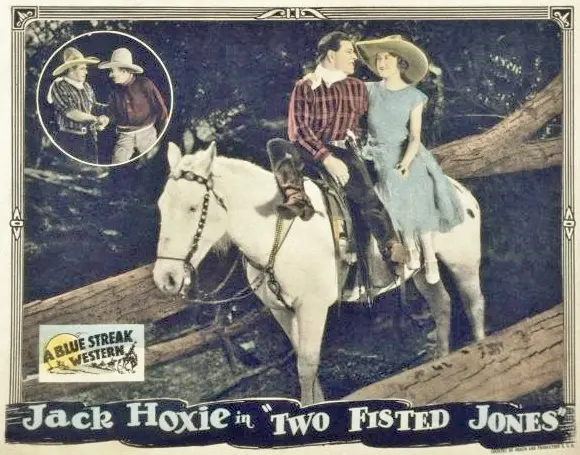
Is Two-Fisted Jones worth your time in the modern era? Short answer: Yes, but only if you appreciate the raw, unpolished kinetic energy of silent-era stunt work over complex narrative layering.
This film is a mandatory watch for historians of the Western genre and fans of Jack Hoxie’s physical charisma. It is decidedly not for those who require snappy dialogue, high-definition clarity, or a plot that deviates from the 'hero saves the ranch' blueprint. It is a functional piece of entertainment that prioritizes movement over meaning.
1) This film works because Jack Hoxie’s screen presence is genuinely intimidating, providing a physical stakes that many of his contemporaries lacked.
2) This film fails because the secondary characters, particularly the villain Bart Wilson, are written with the depth of a wet napkin.
3) You should watch it if you want to see the foundational DNA of the American action hero before it became hyper-stylized.
Yes, Two-Fisted Jones is worth watching for anyone interested in the evolution of the Western hero. While the plot is predictable, the film offers a window into the transition of the Western from a moral play to an action spectacle. It provides a gritty, dusty realism that feels more authentic than many big-budget Westerns of the 1940s.
Jack Hoxie was not a subtle actor. He didn't need to be. In Two-Fisted Jones, his performance is defined by how he occupies space. Whether he is mounting a horse or staring down a rustler, there is a heavy, deliberate quality to his movements. Unlike the more acrobatic stars of the era, Hoxie feels like a man who has actually spent twenty years in a saddle.
Take the scene where Jack first confronts Bart Wilson in the town’s main street. There is no flowery posturing. Hoxie stands with a grounded center of gravity that makes the threat feel immediate. It’s a performance of pure testosterone. It works. But it’s flawed in its emotional range. When Jack is meant to show vulnerability toward Mary Mortimer, played by Kathryn McGuire, he looks less like a man in love and more like a man who has forgotten where he parked his horse.
Compared to the more nuanced performances in The Marriage Maker, Hoxie’s work here is primitive. However, that primitivity is exactly what the role requires. He is a blunt instrument used to solve a sharp problem.
The direction—often attributed to the uncredited Ward Hayes—makes excellent use of the natural landscape. The ranch isn't just a backdrop; it feels like a character under siege. The cinematography captures the oppressive heat and the isolation of the Mortimer ranch with surprising efficacy. You can almost feel the grit in your teeth during the cattle rustling sequences.
The pacing, however, is a bit of a rollercoaster. The first act establishes the stakes with clinical efficiency, but the middle section gets bogged down in repetitive scenes of Wilson’s goons plotting in dark rooms. These moments lack the tension found in films like Stop at Nothing. We spend too much time watching men point at maps and not enough time seeing the psychological toll on Mary.
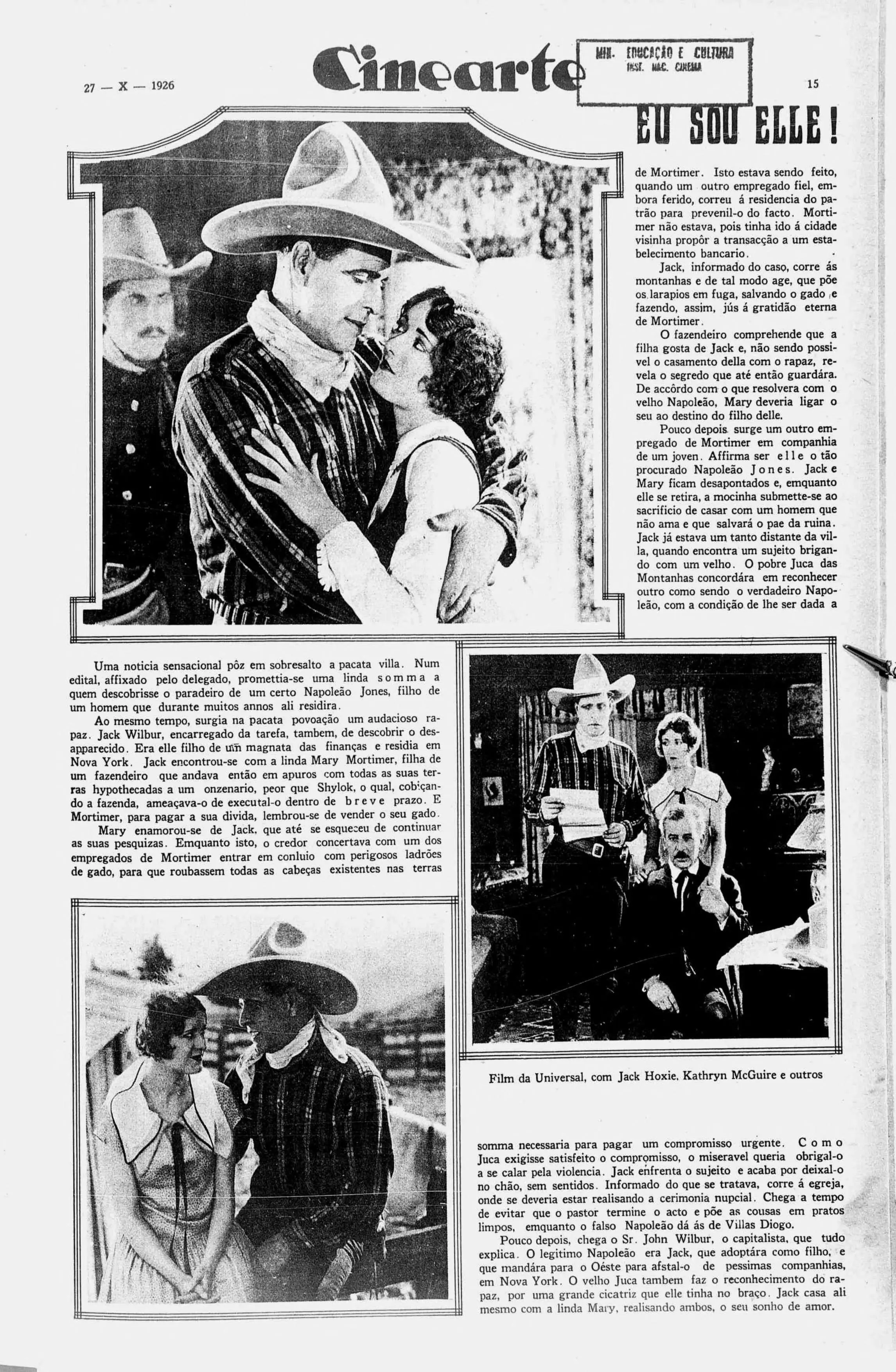
The standout sequence is the final raid. The way the camera tracks the movement of the cattle through the dust clouds is genuinely impressive for 1925. It creates a sense of chaotic realism. It’s not clean. It’s messy. It feels dangerous. This is where the film earns its keep.
Kathryn McGuire does what she can with the role of Mary Mortimer. She is more than a damsel, showing flashes of steel when Wilson tries to intimidate her. However, the script by Sarah Saddoris and Scott Darling doesn't give her enough agency. She is ultimately a prize to be won, a trope that was already becoming tired even in the mid-twenties.
The most interesting character is Old Bill, the hermit. Played with a delightful eccentric energy by Harry Todd, Bill provides the necessary exposition without making it feel like a lecture. His identification of the missing man brings a detective-noir element to the Western setting that feels surprisingly modern. It’s a tonal shift that keeps the film from becoming a total cliché.
On the other end of the spectrum, Paul Grimes as Bart Wilson is a disappointment. He lacks the simmering menace found in the villains of The Devil's Trail. Wilson is a cartoon villain who might as well be twirling a mustache. His motivations are purely financial, which is fine, but there’s no personal edge to his cruelty.
Technically, Two-Fisted Jones is a sturdy production. The editing during the action beats is surprisingly tight. There’s a rhythmic quality to the horse chases that suggests a sophisticated understanding of visual storytelling. It doesn't have the experimental flair of Kaliya Mardan, but it knows its audience.
The lighting in the interior ranch scenes uses natural shadows to emphasize Mary’s shrinking options. As Wilson’s pressure increases, the rooms seem to get darker, more claustrophobic. It’s a subtle touch in a film that is otherwise about as subtle as a kick to the shins.
Two-Fisted Jones is a quintessential B-Western that punches above its weight class due to the sheer force of Jack Hoxie’s personality. It doesn't reinvent the wheel, and it certainly doesn't offer the emotional depth of something like Her Love Story. However, it is an honest film. It promises a two-fisted hero and a ranch in peril, and it delivers exactly that.
The film serves as a reminder that before the Western became a vehicle for philosophical navel-gazing, it was a genre of movement, grit, and clear-cut morality. It’s a relic, yes. But it’s a relic with a pulse. If you can look past the scratched celluloid and the simplistic plot, you’ll find a film that still has the power to thrill. It’s a solid, if predictable, ride through the cinematic frontier.
IMDb —
1920
Community
Log in to comment.