DbcultAccessing Vault...
Cult Review
Senior Film Conservator
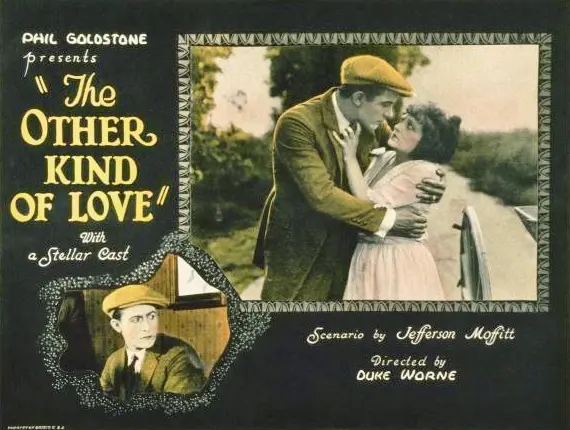
Stepping back into the hallowed halls of silent cinema is always a peculiar delight, a journey into a storytelling idiom that speaks volumes without uttering a single word. And among these cinematic echoes of a bygone era, we find 'The Other Kind of Love' (1924), a film that, despite its age, still pulsates with raw human emotion, moral quandaries, and the complex tapestry of family bonds. It's a melodrama, yes, but one imbued with a certain gravitas, a narrative weight that transcends its genre conventions to deliver a truly compelling experience. As a critic, I often seek out these forgotten gems, hoping to unearth narratives that, even a century later, can resonate with contemporary audiences, offering insights into human nature that are, quite simply, timeless.
At its core, 'The Other Kind of Love' is a profound exploration of fraternal devotion and the often-unforeseen consequences of one's actions. We are introduced to George Benton, portrayed with a conflicted energy by William Fairbanks, a young man whose impulsiveness lands him in deep legal trouble after forging a check. This isn't just a minor transgression; in the social climate of the 1920s, such an act could spell ruin, disgrace, and a lengthy prison sentence. It's a stark reminder of a time when moral failings were often met with severe societal condemnation, a theme also explored in films like Not Guilty, where the weight of perceived wrongdoing can crush a character. George's predicament immediately establishes the high stakes, drawing us into a narrative where every decision carries significant weight.
Enter Adam, George’s older brother, a character brought to life with understated nobility by Robert Keith. Adam embodies the very essence of self-sacrifice, a man willing to lay down everything for his kin. He liquidates his entire life savings, a testament to his unwavering love and loyalty, to save George from the clutches of the law. This act is not merely financial; it's an emotional and spiritual investment, a profound gesture that sets the moral compass for the entire film. It’s the kind of selfless act that defines true heroism, devoid of fanfare but rich in emotional impact. This brotherly bond, tested and proven, forms the bedrock of the story, making subsequent events all the more tragic and compelling.
George, seemingly chastened by his brush with disaster and perhaps seeking a semblance of stability, quickly marries Elsie, an innocent orphan residing on the Benton farm, portrayed by the delicate Dorothy Revier. Their union appears to be a fresh start, a chance for George to turn over a new leaf under the protective wing of a pure-hearted woman. However, the film, true to its melodramatic roots, does not allow for such simple resolutions. No sooner have the newlyweds embarked on their honeymoon than a bombshell drops: a mysterious woman arrives at the farm, claiming to be George's first wife. This sudden twist introduces a layer of deceit and bigamy that shatters the idyllic façade, transforming a tale of redemption into one of profound moral crisis. The shock of this revelation is palpable, even through the silent medium, as the audience grapples with George's duplicity and the potential devastation it wreaks on all involved.
The arrival of George's first wife, a character whose presence upends the entire narrative, is a masterstroke of dramatic tension. It forces the audience to re-evaluate George's character, shifting him from a repentant prodigal son to a man entangled in a web of his own making. The film cleverly uses this plot device to explore themes of hidden pasts and the long shadow they cast, a narrative technique that can be seen in other complex dramas of the era. The silent film's reliance on visual storytelling means that the actress portraying this 'first wife' must convey a world of emotion – hurt, anger, perhaps even a desperate hope – through gesture and expression alone, a challenge handled with impressive skill.
The ensuing confrontation between Adam and George is the emotional apex of the film. Adam, his earlier sacrifice now seemingly in vain, confronts his brother in the honeymoon cabin, his fury a righteous tempest. The ensuing fight is not just physical; it's a clash of ideals, a violent eruption of betrayed trust and moral outrage. Robert Keith's portrayal of Adam's anguish and rage is particularly effective here, his every movement imbued with a profound sense of disillusionment. When Adam is knocked senseless, George's reaction is one of pure, unadulterated horror. Believing he has killed his own brother, the weight of his actions, both past and present, crushes him. This moment of mistaken fratricide is a classic melodramatic device, amplifying the emotional stakes to an almost unbearable degree.
The subsequent flight of George, horrified and guilt-ridden, culminating in his fall over a cliff, is a visually striking and symbolically potent sequence. It represents George's complete breakdown, his moral and physical descent. The cinematography, even in the silent era, would have aimed to heighten the drama of this moment, perhaps using stark contrasts of light and shadow, or dynamic camera angles to convey George's desperation. This sequence echoes the kind of dramatic, life-altering events seen in films like Mortmain, where characters face dire consequences for their choices. The very landscape seems to conspire against George, reflecting his inner turmoil and the precipitous edge on which his life now hangs.
Yet, 'The Other Kind of Love' is ultimately a story of redemption. Adam, regaining consciousness, discovers his brother's perilous situation and, with characteristic selflessness, rescues him from the cliff. This act of salvation, coming after George's perceived fratricide, is a powerful moment of grace. It underscores Adam's unwavering commitment to his brother, even when George seems intent on self-destruction. This rescue is not just physical; it's a spiritual lifeline, pulling George back from the abyss of despair and offering him a genuine chance at true reform. It’s a testament to the enduring power of unconditional love, even in the face of profound hurt.
George, truly chastened by this near-death experience and the profound realization of his brother's boundless love, finally reforms. He confronts his past, making amends with his first wife, a resolution that speaks to a maturity and responsibility previously absent from his character. This act of reconciliation is crucial; it’s not enough for him to simply escape punishment, he must actively right his wrongs. The film doesn't shy away from the complexities of these relationships, depicting George's journey towards genuine moral rectitude. This arc of character transformation is a compelling one, offering a satisfying conclusion to his personal struggles.
In a final, beautiful twist, Adam, the steadfast pillar of virtue throughout, finds his own happiness with Elsie. This resolution feels earned and deeply satisfying. Adam's journey, though one of sacrifice and quiet suffering, ultimately leads him to a profound and pure love. It’s a poignant affirmation that selflessness can, indeed, be rewarded. The film thereby redefines its titular 'other kind of love,' suggesting that love manifests in myriad forms: the sacrificial bond between brothers, the innocent affection of a new bride, and the mature, enduring partnership found after trials. This concluding arrangement is a neat, emotionally resonant way to tie up the narrative threads, leaving the audience with a sense of justice, both poetic and practical.
The performances in 'The Other Kind of Love' are, as expected for a silent film, grand and expressive, relying heavily on exaggerated gestures and facial expressions to convey emotion. Robert Keith, as Adam, manages to infuse his character with a quiet strength and dignity that shines through even the most melodramatic moments. His portrayal is the film's emotional anchor, a steady presence amidst the chaos. Dorothy Revier, as Elsie, embodies innocence and vulnerability, making her character's eventual happiness with Adam all the more heartwarming. William Fairbanks, as the troubled George, effectively conveys his character's impulsiveness, fear, and eventual remorse, charting a believable path from errant youth to reformed man. The supporting cast, including Edith Yorke and Rhea Mitchell, add crucial layers to the narrative, their reactions often mirroring the audience's own sense of shock or sympathy.
The direction, presumably by a hand adept at the silent film idiom, demonstrates a clear understanding of visual storytelling. The pacing, while perhaps slower by modern standards, allows for the emotional beats to land with considerable impact. Intertitles, the textual explanations interspersed throughout the film, are used effectively to bridge narrative gaps and provide necessary dialogue, without over-explaining. The cinematography, typical of the era, likely utilized dramatic lighting to enhance mood, especially during the darker, more suspenseful moments, such as George's flight and fall. The use of close-ups would have been crucial for conveying the intense emotions of the characters, allowing the audience to connect directly with their anguish and joy. This meticulous visual language is what makes silent films, even those from the early 20th century like Seein' Things or Racing Hearts, so captivating and emotionally potent.
The screenplay, penned by Buckleigh Fritz Oxford and Jefferson Moffitt, is a masterclass in crafting a tightly woven melodramatic plot. They introduce complications with precision, escalate the stakes with each new revelation, and ultimately guide the characters towards a satisfying, if somewhat conventional, resolution. What sets this film apart is not just the plot mechanics, but the underlying thematic depth. It delves into the nature of forgiveness, the true meaning of sacrifice, and the possibility of redemption even for the most flawed individuals. The writers manage to explore these complex ideas without resorting to heavy-handed moralizing, instead letting the characters' actions and reactions speak for themselves. This narrative sophistication is a hallmark of well-crafted silent cinema, demonstrating that powerful stories don't always need dialogue to convey profound truths.
'The Other Kind of Love' is rich with themes that continue to resonate. The concept of sacrifice, particularly Adam's selfless act, is a powerful reminder of the bonds that tie us together. It's a theme that recurs in many narratives, both classic and contemporary, highlighting the enduring human capacity for altruism. George's journey from recklessness to remorse and ultimately to reform speaks to the universal desire for a second chance and the belief in personal growth. The film suggests that even after significant moral failings, a path to redemption is possible, provided one is willing to confront their past and make amends. This message of hope and transformation is particularly potent, offering a timeless appeal.
The film also subtly explores the societal expectations placed upon individuals, particularly in matters of marriage and moral conduct. George's bigamy, however unintentional in its initial presentation, highlights the strictures of the era and the severe consequences of defying them. Elsie's role as the innocent, almost ethereal figure, contrasts sharply with George's troubled past, further emphasizing the moral landscape of the story. The resolution, where Adam and Elsie find happiness, suggests a reward for virtue and steadfastness, a common trope in melodramas but one that feels genuinely earned here. It's a film that, despite its period setting, offers a remarkably nuanced look at human relationships and moral accountability, making it far more than just a historical curiosity. Its ability to evoke such strong emotions and provoke thought without spoken words is a testament to the enduring power of classic filmmaking. The silent era, often underestimated, produced incredibly sophisticated narratives, and 'The Other Kind of Love' stands as a shining example of this artistry.
In conclusion, 'The Other Kind of Love' is a compelling and emotionally charged silent film that deserves to be rediscovered. It's a poignant reminder of the enduring power of familial love, the painful consequences of deceit, and the redemptive potential of sacrifice and reform. The performances are heartfelt, the plot is meticulously crafted, and the themes are as relevant today as they were a century ago. For aficionados of silent cinema, or anyone interested in the foundational narratives that shaped cinematic storytelling, this film offers a rich and rewarding experience. It’s a testament to the fact that some stories, told with genuine emotion and skill, truly transcend time, speaking to the universal human condition with remarkable clarity. This is the kind of cinematic archaeology that truly enriches our understanding of film history and human nature itself. So, if you ever get the chance to witness this particular 'kind of love' on screen, I wholeheartedly recommend you take it. It's a journey well worth embarking upon.
Rating: ★★★★☆ (4/5 stars)
IMDb —
1925
Community
Log in to comment.