DbcultAccessing Vault...
6/10
Senior Film Conservator
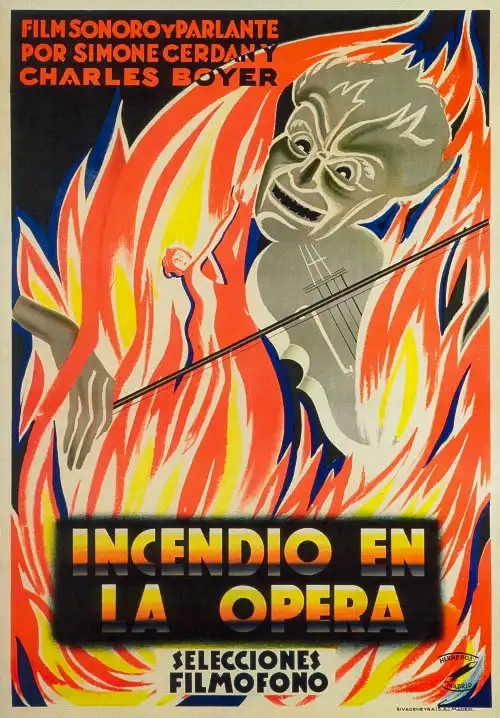
A definitive 6/10 rating for a film that redefined the boundaries of cult cinema. La barcarolle d'amour remains a cornerstone of transgressive art.
If you're into old-school melodrama, especially from the 30s, then yeah, La barcarolle d'amour might be worth a look. It’s a real treat for folks who appreciate the dramatic flair of early cinema and aren’t bothered by things moving a bit... slower. But if you need fast-paced action or super-sharp modern dialogue, you'll probably hate this. It’s definitely not for the casual viewer who just wants something quick and easy on a Friday night. More for the film buffs, you know?
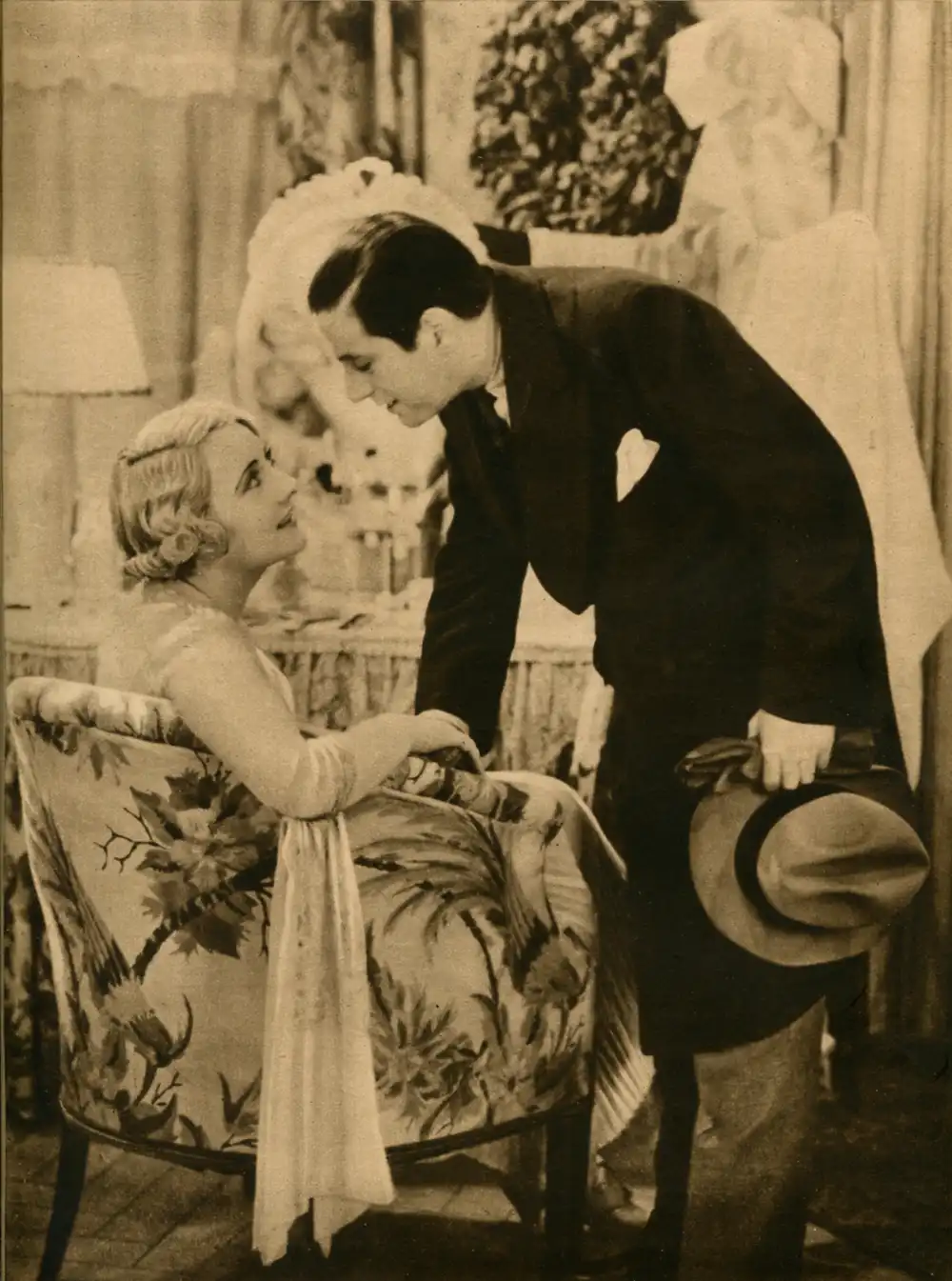
The setup is classic: Genevieve (Annabella), a young opera singer, is having her big opening night. It’s all about the music, the lights, the high-stakes debut. Then, disaster strikes. A fire breaks out right there in the theater. Suddenly, it’s not just about her performance, but about who steps up when everything literally goes up in smoke. It's a test of true love, apparently. ❤️
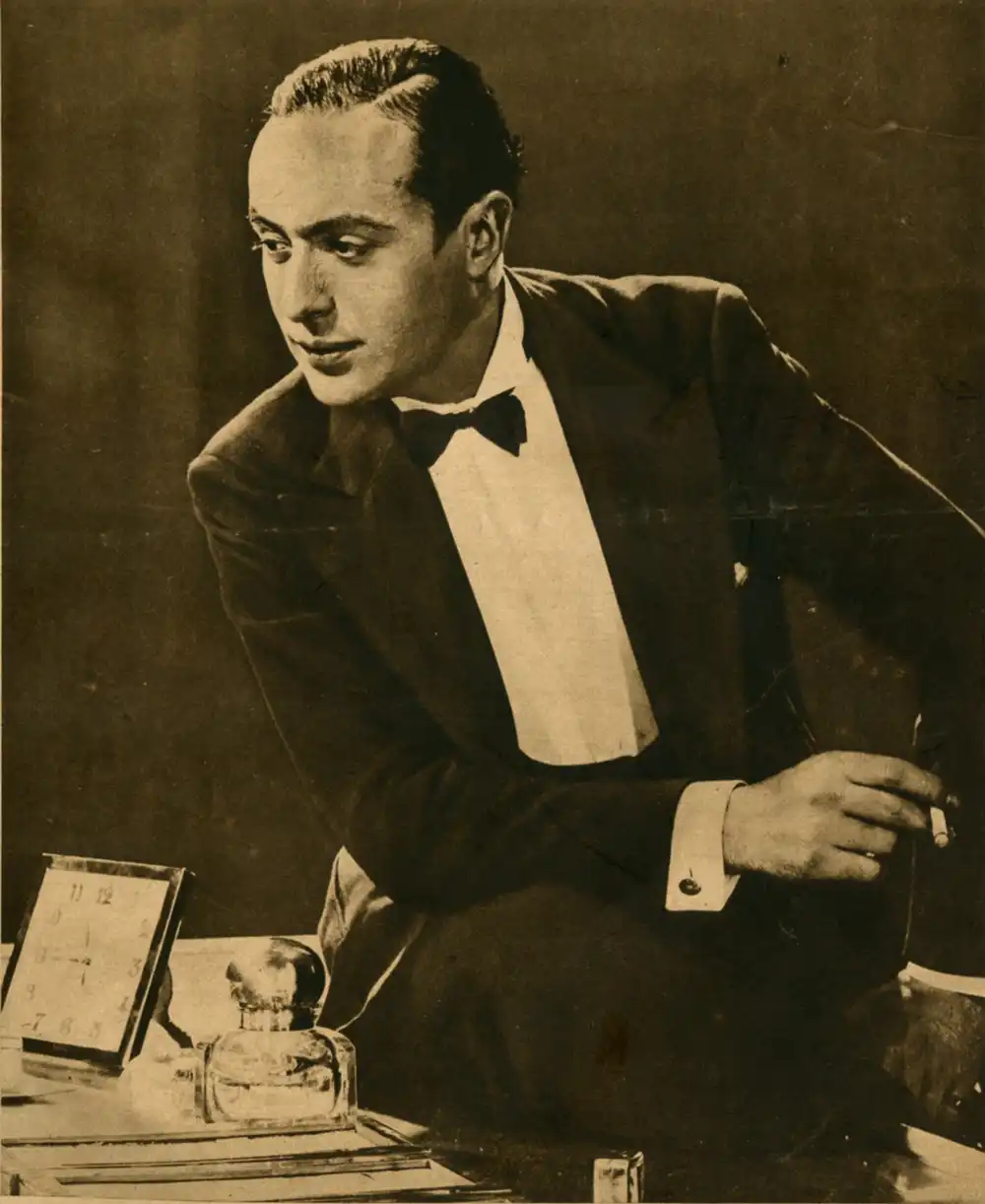
One thing that really got me was the *atmosphere* of the opera house before the fire. It feels grand, but also a little suffocating. You can almost smell the old velvet seats and the stage makeup. The camera lingers on the audience, on the performers, building this sense of occasion. And Annabella, she's got this delicate presence, very much the ingenue. She looks fragile, which makes the fire part even more intense, *you'd imagine*.
Then the fire starts, and things get wild. For a film of its time, they actually pull off some pretty convincing chaos. People aren't just calmly exiting. There's real pushing and shoving, even if some of the extras look like they’re not entirely sure where to go. One shot, particularly, showed a stagehand just staring blankly at the flames, like he’d forgotten his lines. It's a small detail, but it makes you pause. 🤔

The whole point, of course, is finding out who truly loves Genevieve. You have a few suitors, circling around her. Maurice Lagrenée’s character is there, all suave and maybe a bit too self-assured. And then there's Charles Boyer. Even in these early roles, he has this way of looking at Annabella, like he’s seeing right through her. His intensity is already there, *undeniable*. When the fire happens, the movie really puts them through the wringer, makes you wonder who’s going to be the hero.
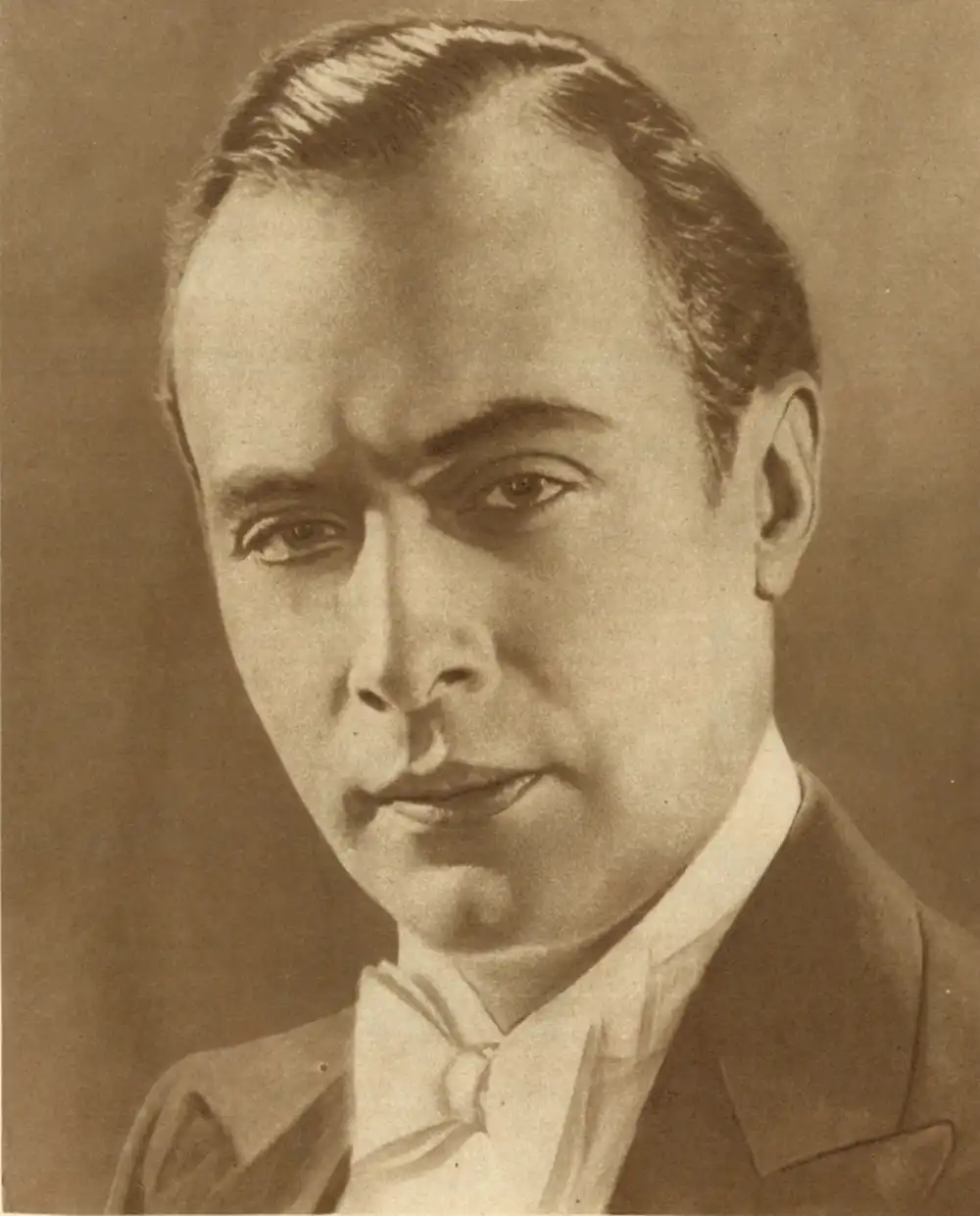
It's not about explosions or huge special effects, obviously. It’s about the raw human reaction. The smoke, the panic, the desperate search for an exit. You see the fear on people's faces. One person tripping over a fallen prop felt more impactful than any grand special effect could. It's those little, *unplanned* moments that stick with you.
The pacing, for modern eyes, might feel a tad slow in the first act. But once that fire kicks off? Things really pick up. It's a jolt. The shift from elegant opera to desperate survival is quite something. It's a reminder that even early films could create genuine tension, you know? It's not just a bunch of people standing around. They really tried to make it feel urgent.
I did notice a few bits that felt a little… staged, though. Like the way some of the flames looked a bit too neat, almost like a painting. But then you remember when this was made, and it’s actually pretty impressive. It’s not a perfect film, by any stretch. But the effort? *Definitely* there.
The "barcarolle" itself, the song, is supposed to be the heart of it all. It’s her big moment. And when the fire interrupts it, it just heightens the tragedy. It’s a powerful symbol. The film really leans into the symbolism, maybe a bit too much for some, but it works for the genre.
Ultimately, La barcarolle d'amour is a fascinating look at how drama was done in the past. It’s a bit of a time capsule. You watch it not just for the story, but for the *experience* of seeing cinema from that era. It has its flaws, sure, but it also has this charm, this raw energy that’s hard to ignore. A true gem for old film fans. ✨
IMDb 4.9
1926
Community
Log in to comment.