DbcultAccessing Vault...
6.7/10
Senior Film Conservator
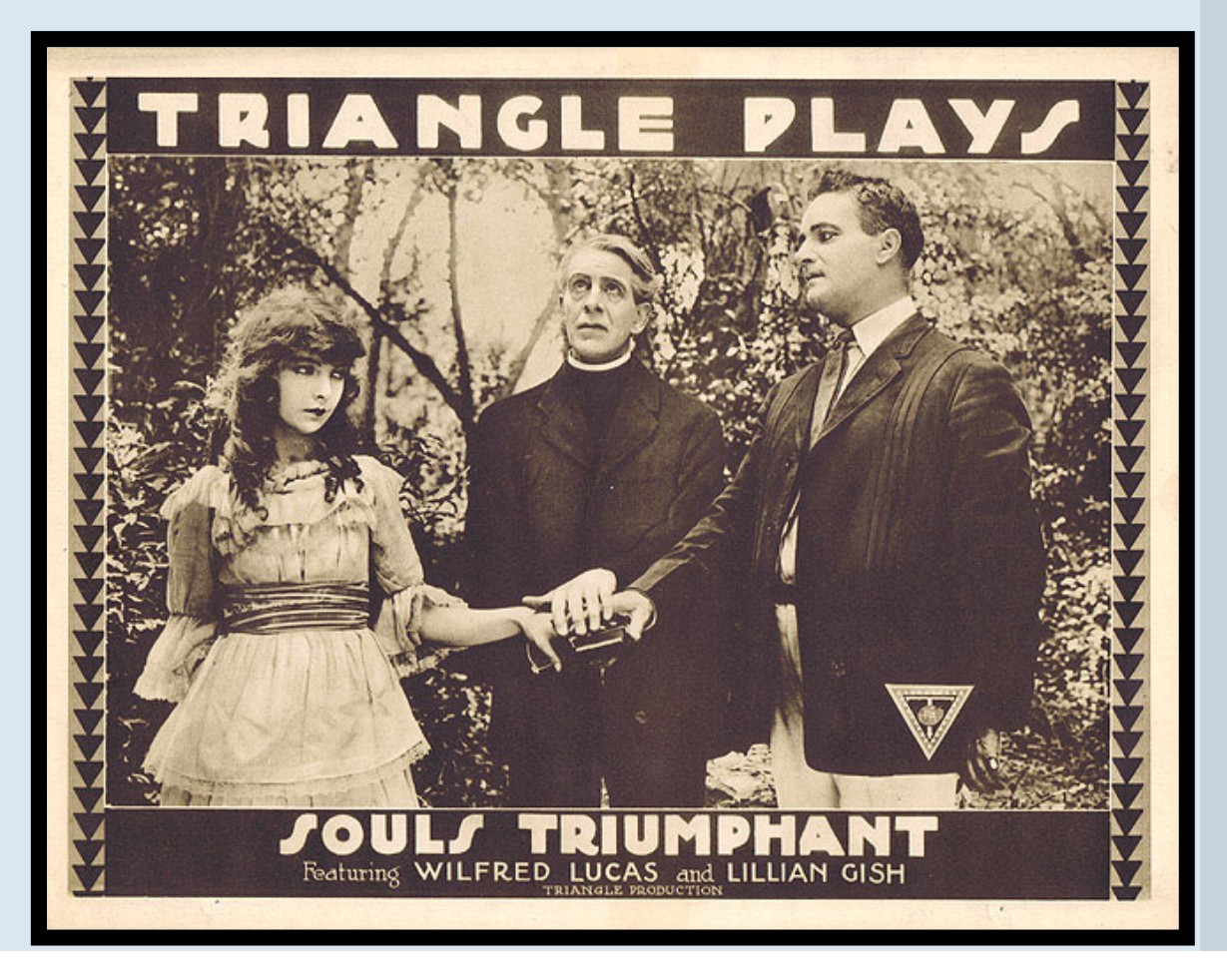
A definitive 6.7/10 rating for a film that redefined the boundaries of cult cinema. Souls Triumphant remains a cornerstone of transgressive art.
There are films you watch and films that watch you—Souls Triumphant belongs to the latter caste. Ninety-six minutes of nitrate tremor, yet every frame feels like it’s breathing on your neck.
Director John B. O’Brien—often dismissed as Griffith’s footnote—composes chiaroscuro so tactile you could slice your knuckles on the shadow. Note the sequence where Robert slinks into the gambling den: the camera tilts a mere three degrees, enough to make the chandeliers weep their crystal into the frame. Compare this visual vertigo to the moral mirages of The City of Illusion; both pictures understand that sin, like celluloid, warps under heat.
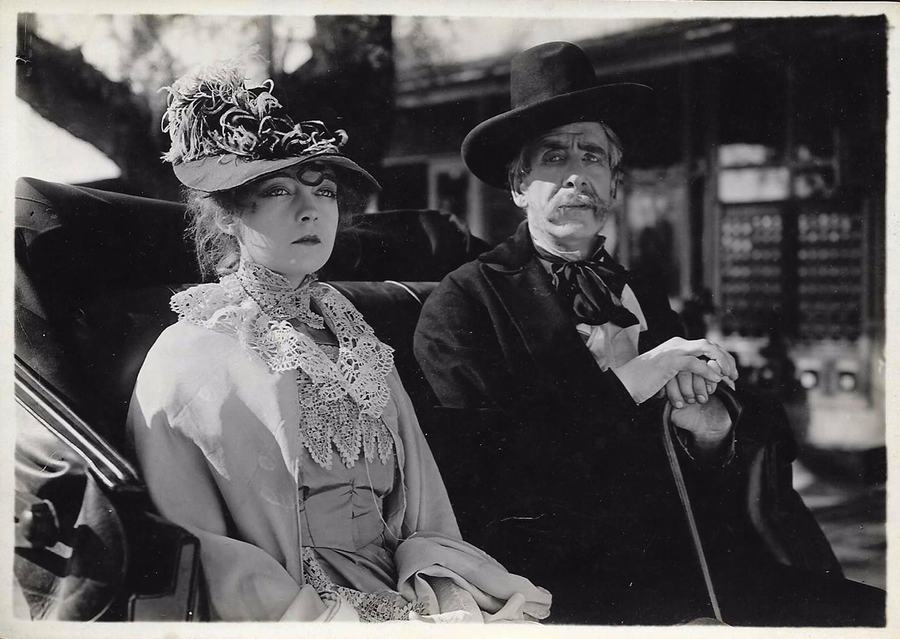
Lillian Gish’s Lillian Vale is not the frail waif she hawked in Oliver Twist the same year. Here her delicacy is tempered by tungsten: she moves through the rectory with the purposeful glide of a woman who has already imagined every catastrophe and forgiven it in advance. Watch her hands—always half-clasped as though cradling an invisible bird—when she learns of Robert’s relapse. The fingers twitch once, a pianissimo spasm; the performance is so micro you need to squint at your own soul to register the tremor.
Louise Hamilton’s Hattie arrives swaddled in feathers that look freshly torn from a raven. She is the antithesis of Lillian’s pallid beatitude, yet O’Brien refuses to render her a harlot caricature. In a medium shot framed through a cracked mirror, Hattie applies kohl while humming a lullaby she once used to seduce Robert. The reflection fractures her face into hexagons of desire and regret—an early, unconscious cubism of character. If you’ve tracked the moral binary of The Shadow of Her Past, you’ll savour how Triumphant dissolves such binaries into kerosene and lights a match.
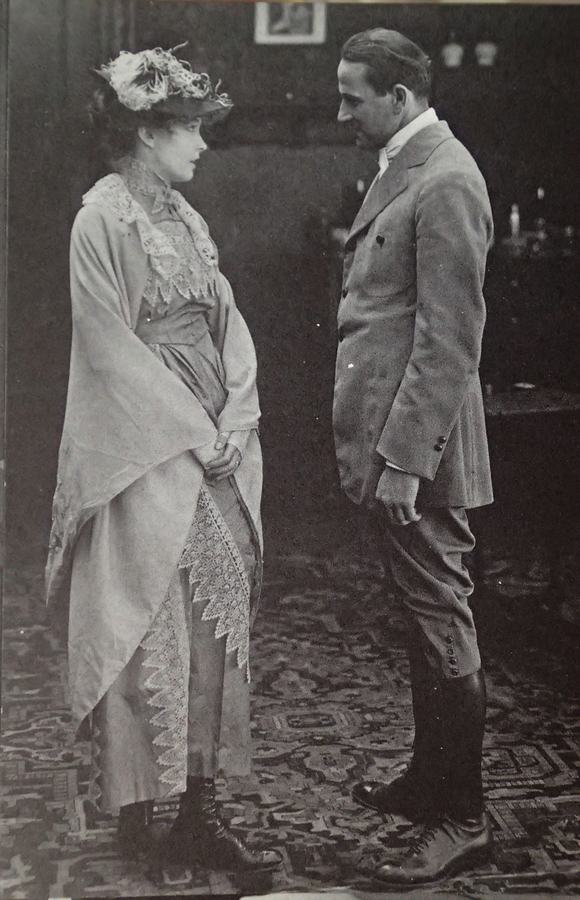
Contemporary press dismissed the conflagration as ‘standard melodramatic tinder.’ How wrong. O’Brien double-exposes the blaze with footage of a candle being snuffed, creating a ghost-image: destruction and extinction share the same breath. When Robert claws through the charcoal skeleton of his home, the set wobbles—whether from budget constraints or intentional instability, the effect is existential. The floorboards sag like the limbo between guilt and grace, a visual echo later refined in Scandinavian silence but never again with such raw piety.
Silent-era fires are usually red-tinted spectacle; here the studio left the sequence stark monochrome, forcing the audience to imagine the colour of their own sins. I’ve sat through the apocalypse of Dan Morgan and the candle-lit guilt of Tess of the D’Urbervilles; neither scorches the retina with the same ethical heat.
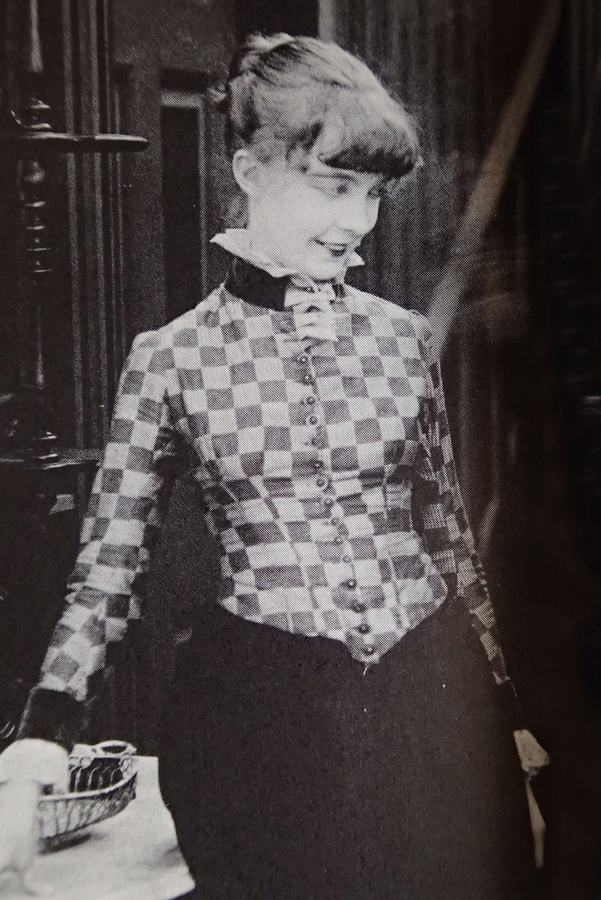
Some scholars argue that Robert’s eleventh-hour contrition feels rushed. I disagree. The entire narrative is a Trojan horse: what masquerades as a morality play is actually a stealth heist of the viewer’s self-righteousness. When Robert begs Lillian’s forgiveness, the camera parks itself at child’s height—adults loom, tears fall like slow-motion hail. The vantage point infantilises us, compelling complicity. We are not spectators; we are co-conspirators in the felony of absolution.
Most surviving prints circulate at 18 fps, pitched to a default organ medley. If you acquire the 2021 restoration (Kino’s 4K from the EYE Filmmuseum negative), splurge on the optional Max Richter–inspired score—minimal strings, heartbeat percussion. Suddenly Lillian’s walk through the burning house becomes a requiem for every marriage we’ve scorched in private. Drop the speed to 16 fps and the film blossoms into ghost-time; eyelids flutter like moth wings, flames crawl with predatory leisure. You’ll understand why 1917 audiences staggered out muttering about ‘purgatory in slow motion.’
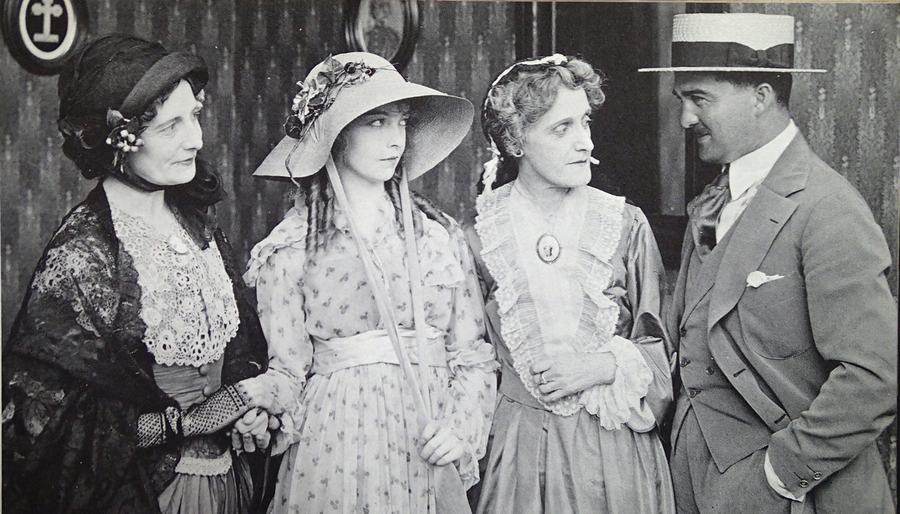
O’Brien, a lapsed Catholic, layers iconography like a clandestine Mass. Note the doorway’s Gothic arch that frames Robert’s exit to debauchery—it’s shaped suspiciously like a bishop’s mitre. Or the bedside crucifix that vanishes from the wall the night of the fire, only to reappear in the final shot upside-down in the rubble, its shadow forming a perfect ichthys. These are not continuity errors but theological footnotes: grace evacuates, then returns sideways.
Unlike the sacrificed ingenues of The Lure of New York, Lillian Vale engineers her own salvation and her spouse’s. She wields maternity not as chains but as flambeau, guiding the narrative out of darkness. The closing tableau—mother, father, child framed against dawn—offers not nuclear closure but a triumvirate of co-authors rewriting their scripture in real time.
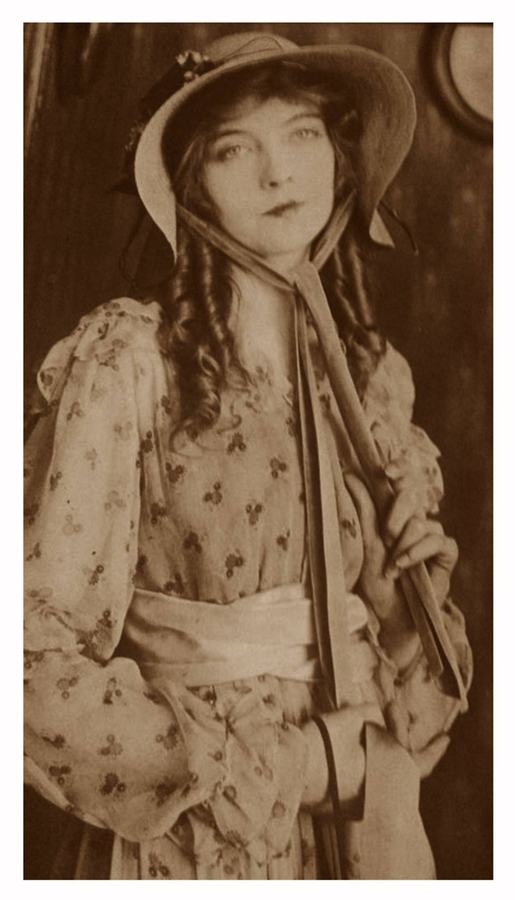
As of 2024, the film languishes in semi-obscurity. Kino’s 4K is region-free yet OOP; streams on criterionchannel.com during Gish retros. Bootlegs abound on niche torrents—beware the 52-minute cut that excises Hattie’s mirror scene, reducing the picture to moral pamphlet. If you score an original lantern-slide (yes, they surface on eBay at 3 a.m.), the glass etching of Lillian’s haloed silhouette is frame-worthy.
Souls Triumphant doesn’t end; it ejects you back into your life with nitrate under your fingernails and a compulsion to forgive someone you haven’t thought of in years. That is its sleight-of-hand: what begins as Edwardian soap opera finishes as invasive surgery on the audience’s moral appendix. Watch it alone, lights off, volume loud enough to hear the celluloid hiss like distant surf. Then call the person whose forgiveness you’ve been withholding and hope they answer before the fire starts.
Verdict: Mandatory viewing for anyone who still believes cinema can be a confessional booth without walls.
IMDb —
1922
Community
Log in to comment.