DbcultAccessing Vault...
6/10
Senior Film Conservator
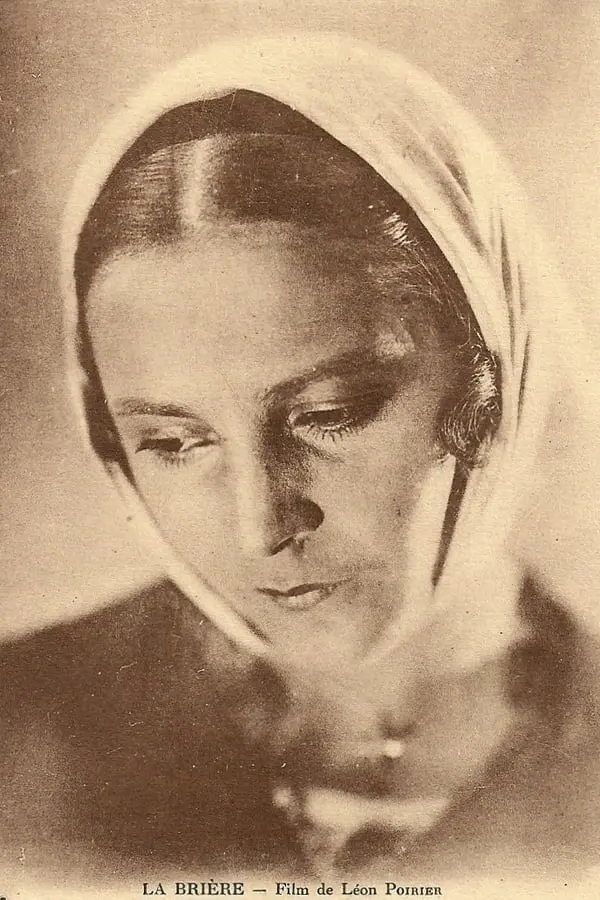
A definitive 6/10 rating for a film that redefined the boundaries of cult cinema. La Brière remains a cornerstone of transgressive art.
In the mist-shrouded landscapes of Brière, a seismic dispute unfolds, pitting tradition against the inexorable forces of progress. The 1921 film La Brière, directed by and written by Alphonse de Chateaubriant, presents a nuanced exploration of a community in turmoil.
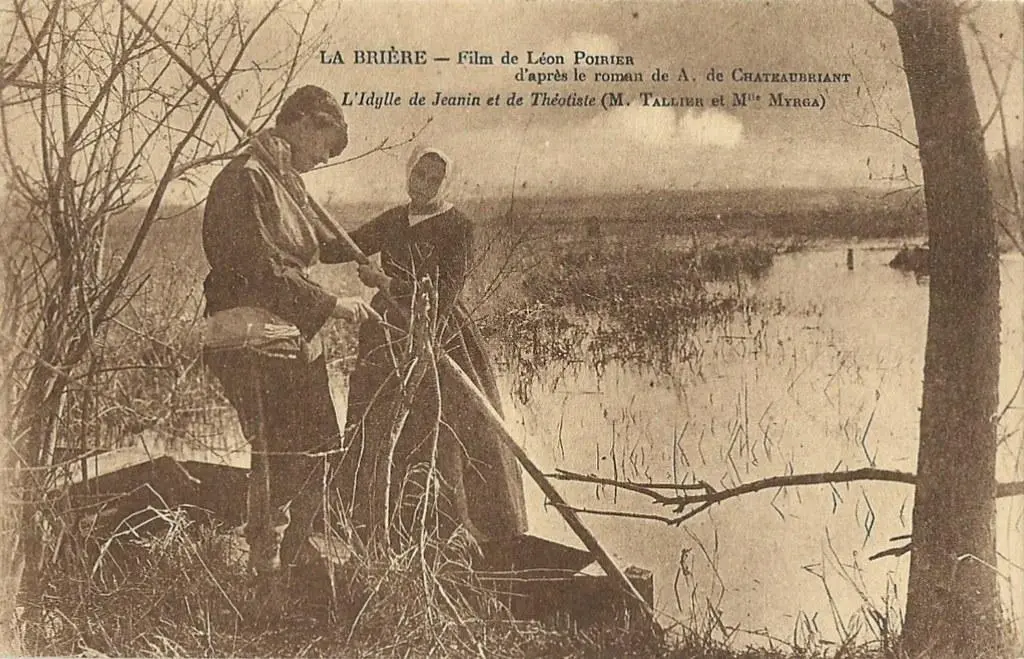
The narrative centers around Aoustin, a septuagenarian stalwart who leads the resistance against the drainage of the marshes, a prerequisite for the extraction of materials necessary for brick production. His defiance is not merely a reflex; it is a considered stance, deeply rooted in a profound connection to the land and a desire to preserve the way of life that has defined his community for generations.
Aoustin's decision to withhold his daughter Théotiste's hand in marriage from Jeannin, a young peasant who supports the drainage project, serves as a focal point around which the conflict coalesces. This familial dispute becomes a microcosm of the broader societal fissure, as the residents of Brière are compelled to reevaluate their values and priorities in the face of modernization.
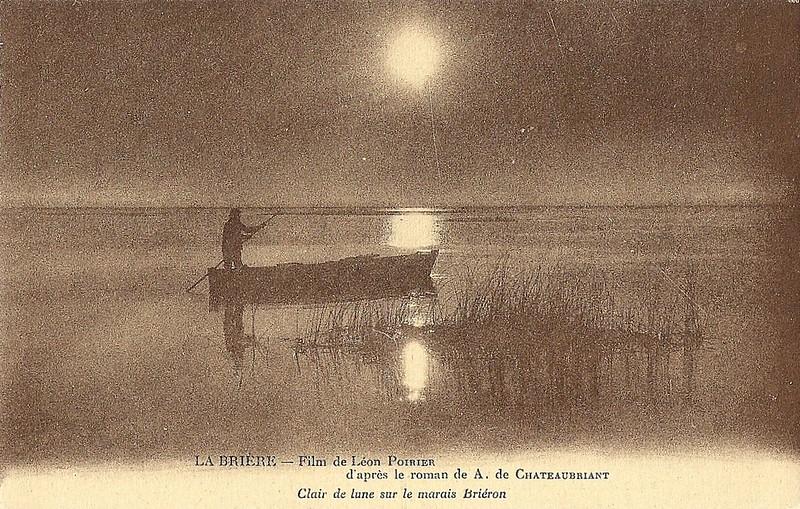
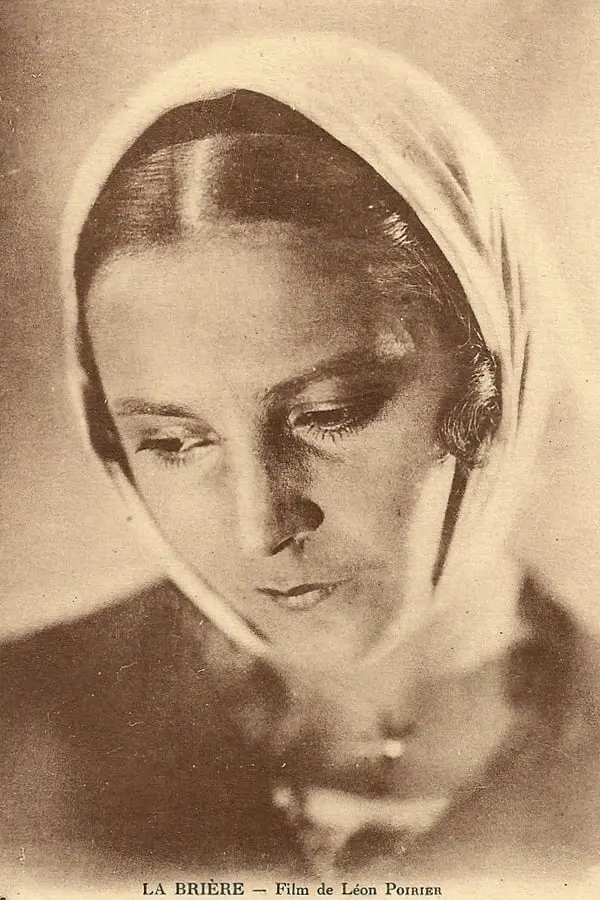
The cast, comprising Eugénie Nau, Armand Tallier, Romain Mouton, and others, brings depth and complexity to the narrative, imbuing their characters with a palpable sense of conviction and emotion. The performances are complemented by a richly detailed mise-en-scène, which captures the rugged beauty of the Brière landscape and the intricate social dynamics at play.
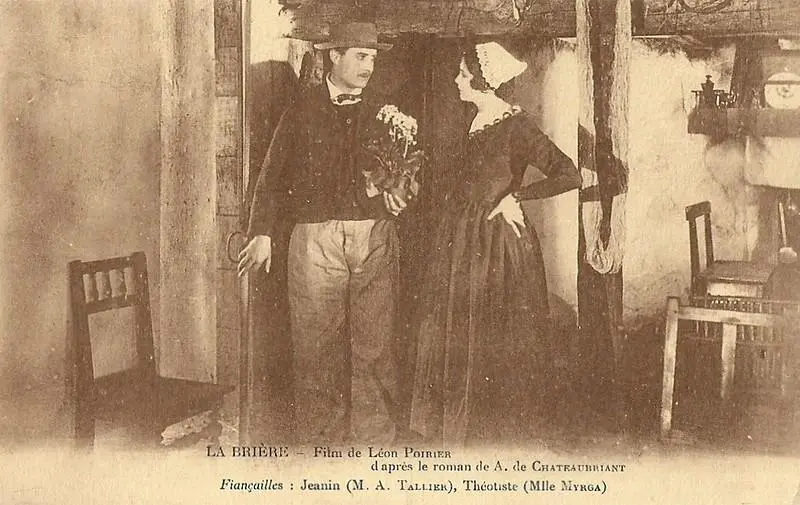
In La Brière, the tension between tradition and progress is not presented as a simplistic binary. Rather, the film offers a thought-provoking exploration of the nuances and complexities that underlie this perennial conflict. As the characters navigate the treacherous terrain of change and continuity, the audience is invited to reflect on the universal themes of community, identity, and the human condition.
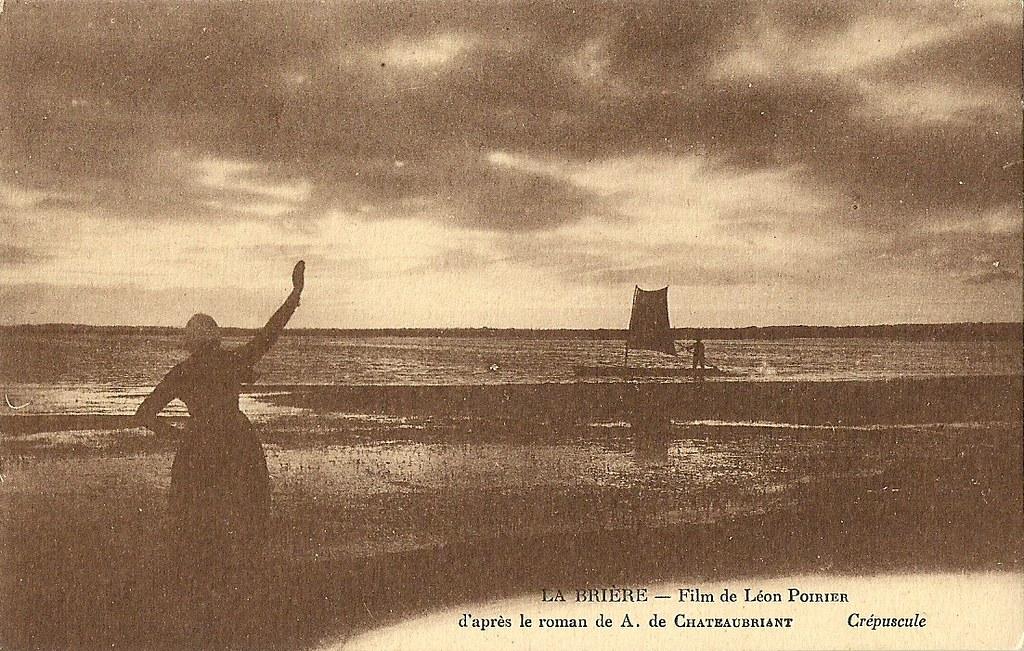
When considered alongside other films of its era, La Brière stands as a testament to the power of cinema to capture the essence of a particular moment in time. Films like One of the Finest and The Jail Bird also grapple with themes of social change and personal struggle, but La Brière distinguishes itself through its unique setting and its unflinching examination of the human experience.
The film's portrayal of a community in flux serves as a poignant reminder of the enduring relevance of these themes, transcending the temporal and geographical boundaries that might otherwise confine it. As such, La Brière emerges as a landmark of cinematic history, a work that continues to resonate with audiences today.
In conclusion, La Brière is a masterpiece of silent cinema, a film that not only captures the essence of its time but also speaks to universal themes that continue to animate human experience. Through its richly detailed narrative, nuanced characterizations, and poignant exploration of the human condition, La Brière solidifies its place as a touchstone of cinematic excellence.
The cinematography, while not overtly stylized, effectively captures the stark beauty of the Brière landscape, providing a fitting backdrop for the drama that unfolds. The score, though not explicitly mentioned, would have undoubtedly played a crucial role in enhancing the emotional impact of key scenes, further underscoring the film's ability to engage and move its audience.
Ultimately, La Brière serves as a powerful testament to the enduring power of cinema to illuminate the human experience, to challenge our assumptions, and to foster a deeper understanding of the complex interplay between tradition and progress.
IMDb —
1920
Community
Log in to comment.