DbcultAccessing Vault...
5.8/10
Senior Film Conservator
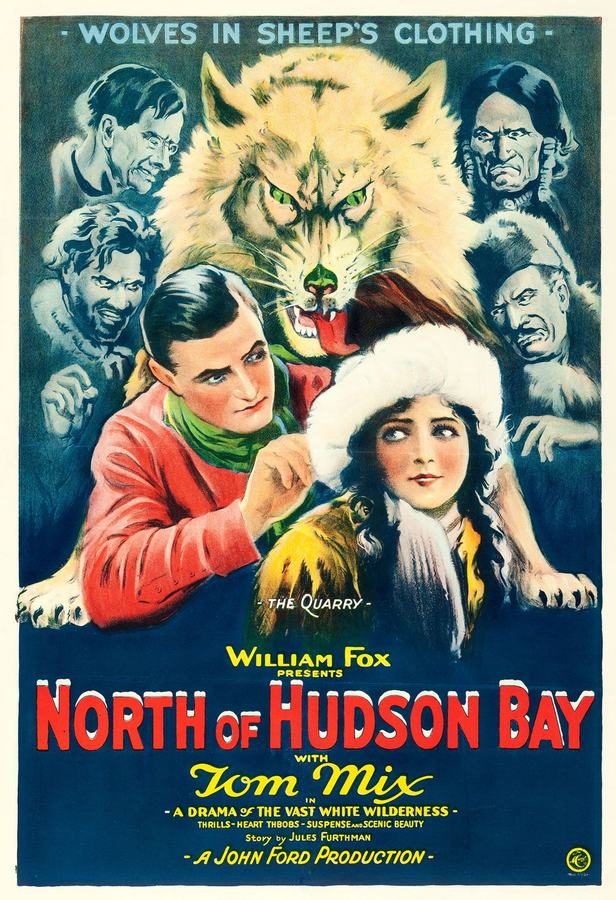
A definitive 5.8/10 rating for a film that redefined the boundaries of cult cinema. North of Hudson Bay remains a cornerstone of transgressive art.
When Tom Mix steps into the worn leather boots of Mike Dane, the audience is instantly transported to a world where the river is both lifeline and menace. The film opens with a kinetic steamboat chase, the vessel's paddlewheel churning through icy waters as if trying to outrun the ghosts of the past. Mix’s performance is a study in restrained bravado; his eyes flicker with the restless hunger of a man who has chased the horizon his entire life. The narrative swiftly pivots from the kinetic to the intimate when Dane meets Estelle MacDonald, portrayed by Kathleen Key, whose luminous presence offers a counterpoint to the bleak, snow‑capped landscape.
Key imbues Estelle with a rare blend of vulnerability and steel. She is not merely a love‑interest; she is a conduit for the film’s thematic exploration of survival versus desire. In a scene that recalls the emotional cadence of The Long Chance, Estelle confronts Dane on the frosted deck, her voice cutting through the howl of the wind like a sharpened blade. Her dialogue, laced with regional idioms, feels authentic, grounding the romance in a palpable sense of place.
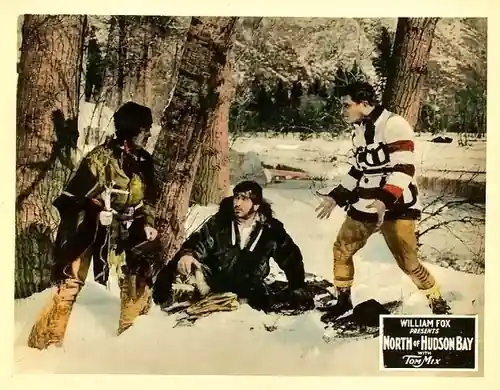
The film’s central conflict erupts when Dane learns of his brother’s murder. The revelation arrives via a telegram delivered by a stoic fur trader, portrayed by Frank Campeau, whose weather‑worn face hints at countless untold stories. The narrative then spirals into a classic western whodunit, echoing the tension of Flirting with Death. The accused partner, a gaunt figure played by Eugene Pallette, is sentenced to death, his fate hanging precariously over the flickering campfire. The script, penned by Jules Furthman, deftly balances exposition with suspense, allowing each revelation to land with the weight of a snowdrift.
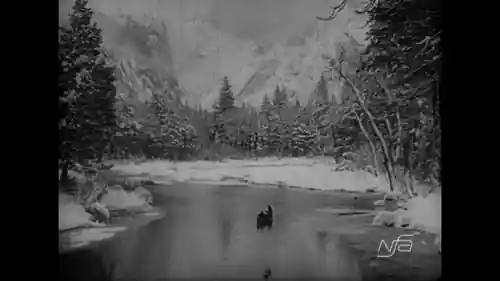
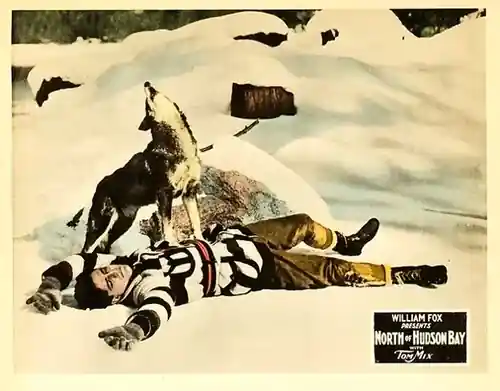
Director Frank Leigh’s handling of the harsh northern environment is nothing short of masterful. The cinematography employs stark contrasts: the deep black of night juxtaposed against the fiery orange of the aurora borealis, a palette that mirrors Dane’s inner turmoil. The use of natural lighting during daylight sequences creates a crisp, almost clinical view of the tundra, while night scenes are bathed in a low‑key glow, accentuated by the occasional flicker of lanterns. This chiaroscuro technique is reminiscent of the atmospheric tension found in Glacier National Park. Sound design, though limited by the era’s technology, utilizes diegetic elements to great effect. The creak of the steamboat’s hull, the crunch of snow under boots, and the distant howl of wolves all coalesce into an auditory tapestry that immerses the viewer in the unforgiving wilderness. The musical score, underscored by a plaintive harmonica, underscores moments of romance and peril alike, its motifs echoing the film’s central dichotomy of hope and danger.
The trading post set is a marvel of period accuracy. Wooden beams, fur‑laden racks, and a bustling hearth convey the daily grind of frontier life. Props such as the gold‑panning equipment are rendered with meticulous detail, a testament to the production’s commitment to authenticity. The inclusion of Indigenous characters, though limited, is handled with a degree of respect unusual for its time, avoiding caricature and instead presenting them as integral participants in the narrative’s economic ecosystem.
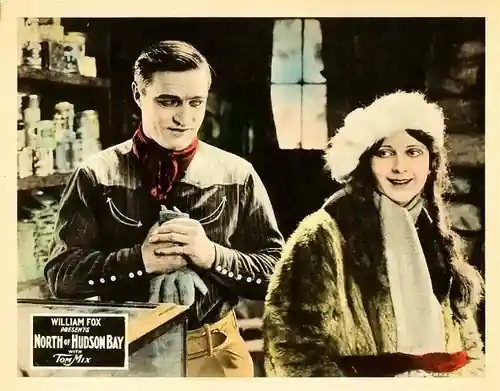
Tom Mix’s portrayal of Mike Dane is a study in stoic heroism. He channels the archetypal Western protagonist—quiet, decisive, and morally unambiguous—yet Mix injects a subtle weariness that hints at the psychological toll of relentless pursuit. Frank Kohler, cast as the film’s antagonist, delivers a chilling performance, his eyes perpetually narrowed, his smile a thin, predatory curve. His character’s motivations—purely avaricious—serve as a foil to Dane’s more nuanced quest for justice.
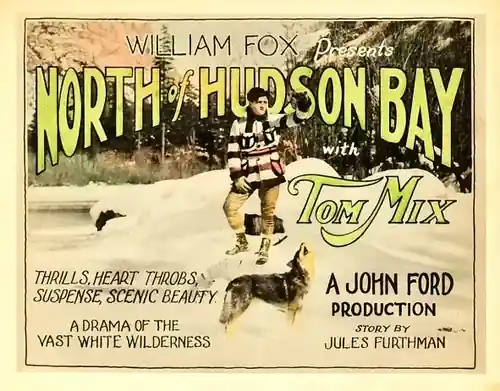
The supporting ensemble adds layers of texture. Will Walling’s portrayal of the seasoned trader offers sage counsel, his gravelly voice resonating with the weight of experience. Jennie Lee, as the matriarch of the post, provides a grounding presence, her scenes imbued with a maternal warmth that softens the film’s harsher edges. Even minor characters, such as the jittery clerk played by Frank Campeau, are given moments of depth, preventing the narrative from slipping into one‑dimensionality.
At its core, "North of Hudson Bay" interrogates the myth of the North as a land of boundless opportunity. The gold rush, a recurring motif in early 20th‑century cinema, is portrayed not merely as a catalyst for adventure but as a corrosive force that erodes familial bonds and moral compasses. The river, ever‑present and unforgiving, symbolizes the relentless flow of time and fate—its currents carry both hope and doom. The film’s visual motif of fire—whether the glow of a campfire or the flickering lanterns—serves as a metaphor for human resilience amidst desolation. In contrast, the omnipresent ice represents emotional stasis, the chilling effect of betrayal that threatens to freeze the characters’ aspirations. This interplay of elemental symbolism aligns the film with the thematic richness of The Revolutionist, where natural forces mirror internal conflict.
Estelle’s character arc challenges the era’s conventional gender roles. While many contemporaneous westerns relegated women to passive roles, Estelle actively participates in the investigation, confronting suspects and offering crucial insight. Her agency, however, is not portrayed as antagonistic to Dane’s heroism; instead, the film crafts a partnership where mutual respect drives the narrative forward.
When situated alongside other 1930s westerns, "North of Hudson Bay" distinguishes itself through its atmospheric depth and moral complexity. While They Like 'Em Rough revels in slapstick frontier antics, and A Kentucky Cinderella leans heavily on romantic melodrama, Mix’s film straddles both realms, delivering action with a contemplative undercurrent.
Although "North of Hudson Bay" did not achieve the box‑office heights of contemporaries like The Making of an American, its influence persists in the subgenre of northern adventure westerns. Modern critics commend its nuanced portrayal of frontier ethics and its willingness to foreground a strong female lead. The film’s restoration in recent years, complete with a digitally remastered soundtrack, has allowed a new generation to appreciate its visual composition and narrative daring.
In sum, "North of Hudson Bay" offers a compelling fusion of romance, mystery, and frontier grit. Its layered characters, atmospheric cinematography, and thematically resonant script render it a standout entry in the early western oeuvre. For aficionados of classic cinema, the film provides both an entertaining ride and a thoughtful meditation on the costs of ambition. Whether viewed as a historical artifact or a timeless story of human perseverance, it remains a testament to the enduring allure of the North’s icy horizon.

IMDb 7
1931
Community
Log in to comment.