DbcultAccessing Vault...
5.9/10
Senior Film Conservator
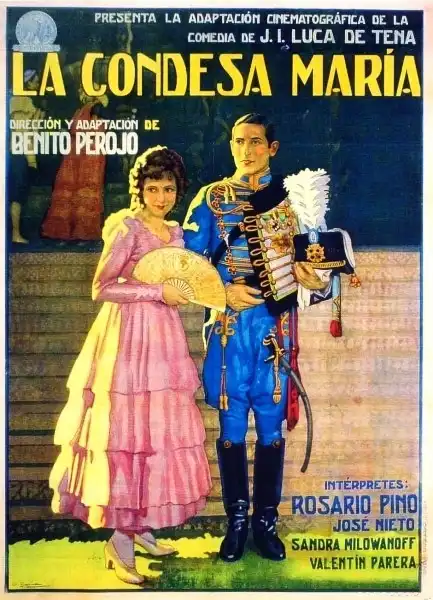
A definitive 5.9/10 rating for a film that redefined the boundaries of cult cinema. La condesa María remains a cornerstone of transgressive art.
If you are looking for the kinetic energy of late-period silent comedies or the experimental flair of the avant-garde, La condesa María will likely test your patience. However, if you have an appetite for the heavy, atmospheric melodramas that dominated European screens in the late 1920s, this is a fascinating specimen. It is a film for those who appreciate the 'cinema of the face'—where a single quivering lip or a long-held gaze at a portrait carries the weight of the narrative. Modern audiences might find the pacing glacial, but the visual craftsmanship of director Benito Perojo makes it a worthy watch for anyone interested in the evolution of Spanish cinema.
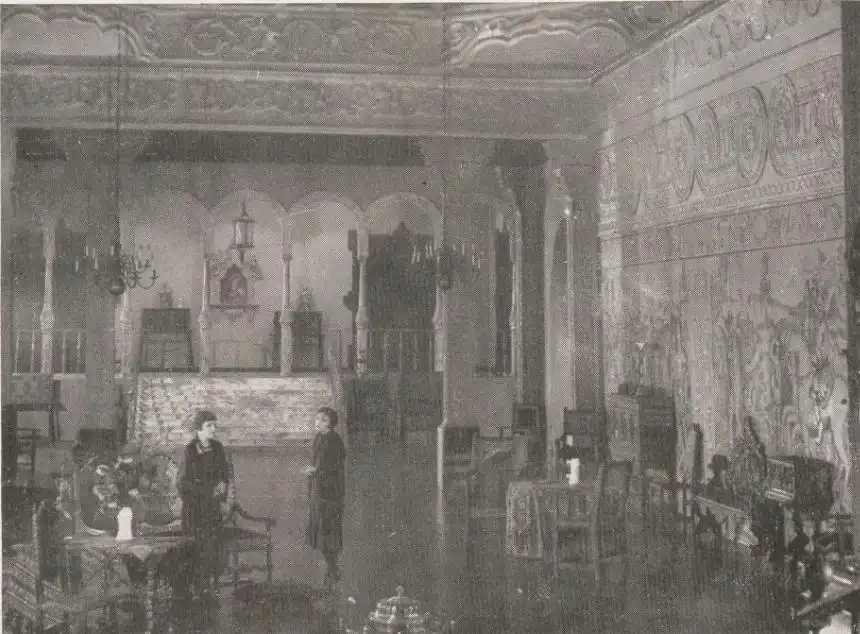
The film opens with a suffocating sense of loss. We see the Countess, played with a brittle, almost ghostly intensity by Rosario Pino, surrounded by the trappings of wealth that have become a tomb. The lighting in these early scenes is particularly effective; Perojo uses deep shadows and high-contrast setups to make the mansion feel less like a home and more like a mausoleum. There is a recurring visual motif of the Countess framed by heavy curtains or massive doorways, emphasizing how small and trapped she has become in her own sorrow.
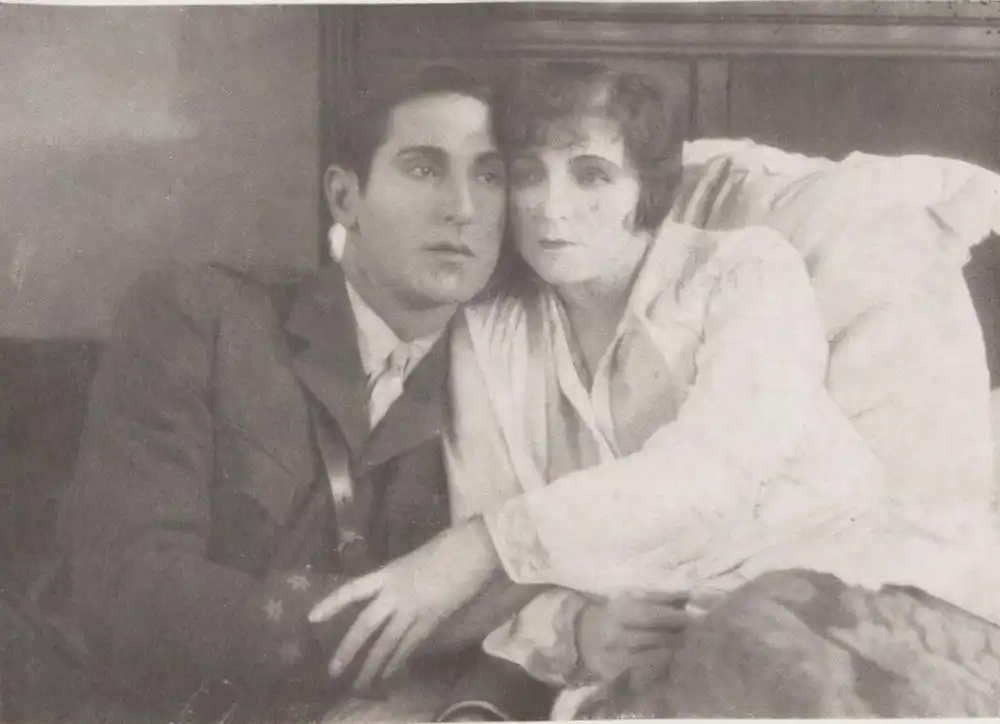
The plot centers on the presumed death of her son, Luis, in the Morocco war. Unlike other films of the era that might have used this premise for jingoistic action, La condesa María keeps the war at a distance. We see it only through letters, telegrams, and the psychological toll it takes on those left behind. This choice keeps the drama grounded in the domestic sphere, though it does lead to some repetitive sequences of the Countess staring longingly at her son's photograph. One specific moment that stands out is a close-up of her hands trembling as she touches his military uniform; it’s a tactile, human detail that cuts through the otherwise stiff Victorian morality of the script.
While the Countess mourns, her relatives provide a sharp, almost cynical contrast. These characters are played with a touch of theatricality that borders on caricature, but it works to heighten the Countess's isolation. They are constantly huddled in corners, their eyes darting toward expensive vases or whispering about the legalities of the will. Their presence introduces a layer of class critique that was common in films like The Snob, where the upper class is depicted as morally bankrupt beneath their polished exteriors.
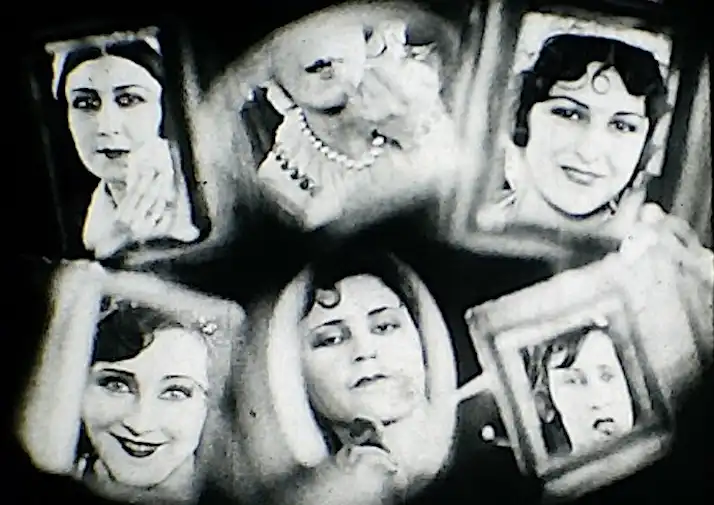
The arrival of Rosario (Sandra Milovanoff) shifts the energy of the film. Milovanoff brings a much-needed warmth to the screen. Her acting style feels slightly more modern and naturalistic than her co-stars, who occasionally lapse into the broad gestures of the early silent era. When Rosario enters the house, the lighting seems to brighten slightly, a subtle but effective choice by the cinematographer to signal a shift in the Countess’s emotional landscape.
The middle act of the film is where things begin to drag. There are several sequences involving the extended family’s schemes that feel overlong and don't contribute much to the emotional core of the story. A few edits could have tightened the narrative; for instance, there is a scene involving a dinner party that seems to go on for several minutes after its dramatic point has been made. We see the same reaction shots of the greedy cousins multiple times, which starts to feel like filler.
The film also struggles occasionally with its tonal shifts. It wants to be a high-stakes melodrama, but the moments of 'comic relief' provided by the servants or the more eccentric relatives feel out of place. These scenes lack the sharp wit found in contemporary American comedies like Is Marriage the Bunk? and instead feel like mandated distractions from the central tragedy.
What saves La condesa María from being a forgettable tear-jerker is Perojo’s eye for composition. He understands the power of the frame. There is a striking scene where the Countess is seen through a series of receding doorways, creating a sense of infinite loneliness. The use of depth of field is impressive for 1928, often keeping a character in the foreground in sharp focus while the 'vulture' relatives plot in the soft-focus background.
The costumes also deserve mention. The Countess’s mourning weeds are heavy, ornate, and look genuinely burdensome, visually representing the weight of her grief. In contrast, Rosario’s simpler, more fluid clothing marks her as a creature of the outside world, someone who hasn't been hardened by the rigid social expectations of the Countess’s circle.
La condesa María is a film that requires the right mindset. It is not an easy watch, nor is it particularly 'fun.' It is a slow, deliberate exploration of how grief can be weaponized by those around us. While the performances can occasionally feel dated and the plot relies on a few too many coincidences, the visual storytelling is top-tier. It captures a specific moment in Spanish film history where the influence of European art cinema began to merge with traditional Spanish themes of honor and family. Watch it for the cinematography and Milovanoff’s performance, but perhaps keep a cup of coffee nearby for the slower stretches in the second act.
IMDb —
1920
Community
Log in to comment.