DbcultAccessing Vault...
6.4/10
Senior Film Conservator
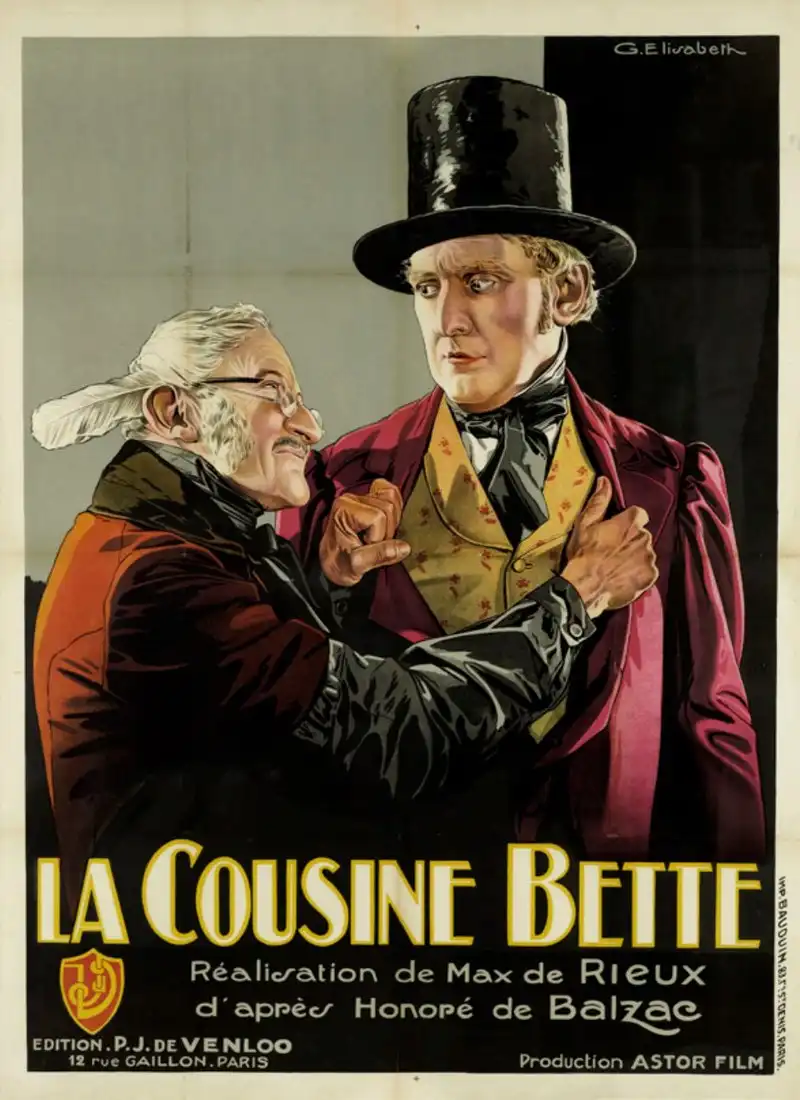
A definitive 6.4/10 rating for a film that redefined the boundaries of cult cinema. La cousine Bette remains a cornerstone of transgressive art.
Okay, so La cousine Bette. If you're into old silent films, especially those juicy, dramatic adaptations of classic literature, you might actually find something to chew on here. It's a proper *vicious* melodrama. But if your idea of 'old movie' means something from, say, the 1980s, then yeah, this will probably feel like watching paint dry. It really needs a certain kind of patience, you know? Like, a lot of it.
This film, based on the Balzac novel, dives deep into this woman, Bette, who just gets the short end of the stick. She’s ignored by her family, her wealthy cousins. And you watch that resentment just *grow*.

What’s neat is how director Max de Rieux decided to kick things off. Instead of just starting with Bette being all grumpy, we get to see the Hulot couple – the ones who pretty much sideline her – when they were young and full of dreams. It’s almost like he’s trying to show us what’s *lost*. What a journey for them, huh?
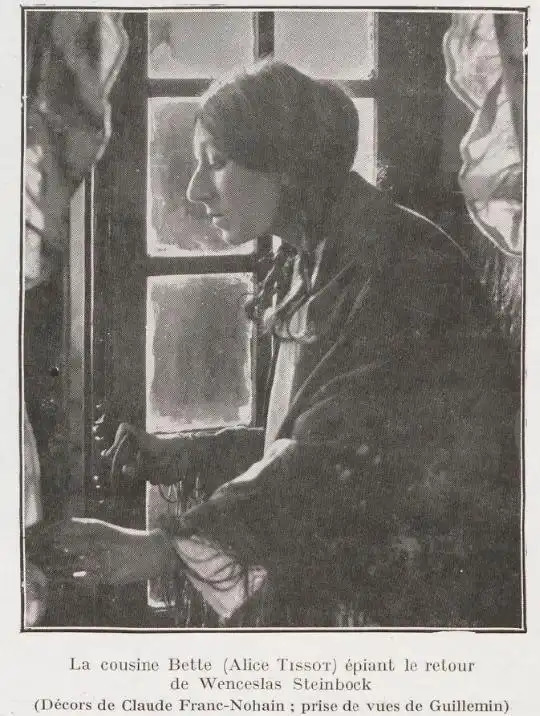
Alice Tissot plays Bette, and she’s quite something. You can really feel her simmering anger, even without a single word spoken. Her eyes just have this intensity, like she's constantly planning. It’s not a showy performance, but it’s *there*. You see her watching, calculating.
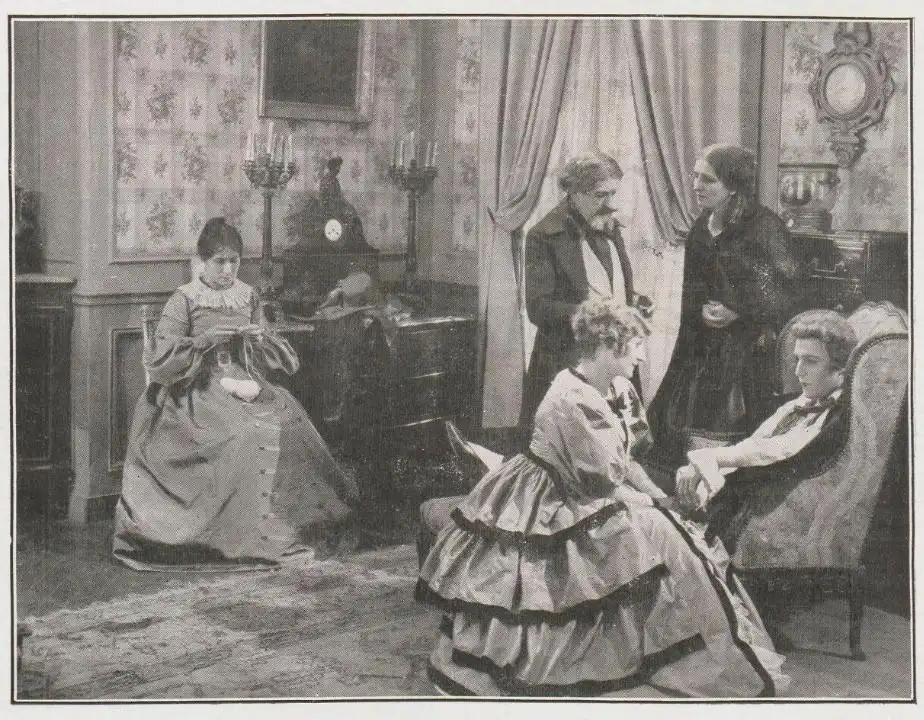
The whole thing feels a bit… *stiff* sometimes, like they were still figuring out how to make these big novels work on screen without, you know, words. But then there are these little moments that just stick with you. Like the way someone will just *shove* a letter into another person’s hand, so much force, it’s almost funny how aggressive it looks on screen.
The plot, as it unravels, is just pure, unadulterated revenge. Bette doesn't just want a little payback. She wants to see everything burn, and she's really good at lighting the matches. It’s fascinating how she manipulates everyone around her, using their own weaknesses against them. A masterclass in passive-aggressive destruction, really. 😈
There are a lot of characters in this, as you'd expect from Balzac. Maria Carli as Adeline Hulot, the cousin who gets all the good stuff, she’s got this elegant, almost fragile presence. You can see why Bette resents her so much. Adeline’s almost *too* good. Or appears to be.
One scene, I can't recall the exact moment, but there's a shot of Bette just sitting alone in a room, watching the shadows. It lingers for a bit too long, almost making you uncomfortable. You feel the weight of her loneliness, and then you remember she’s about to make everyone else just as miserable. That’s good filmmaking for a silent film, when you can convey that much with just a shot.
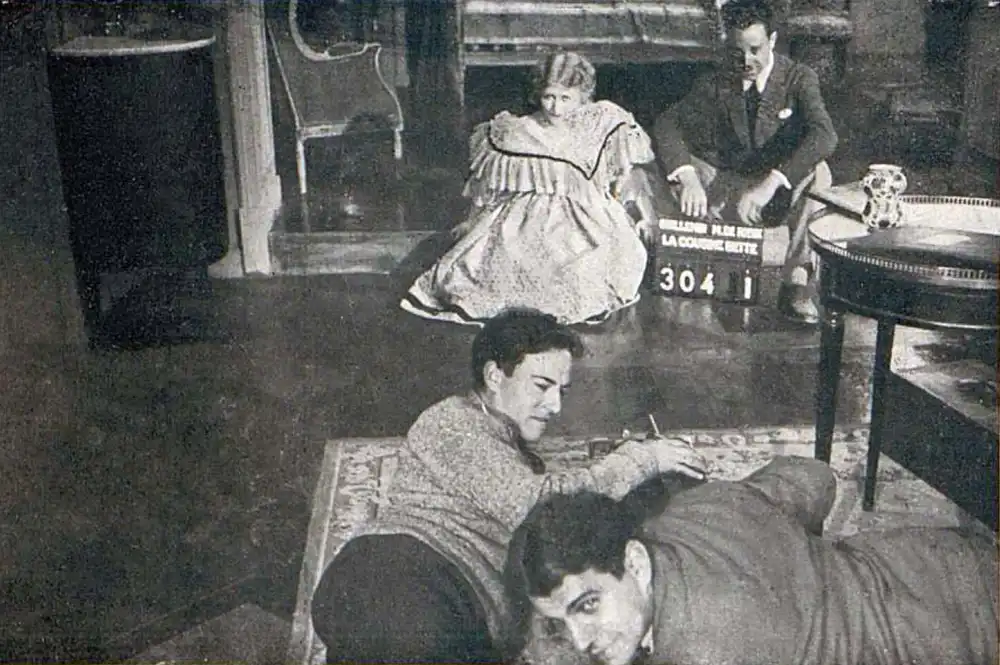
The sets are what you'd expect for a period piece from this era. A bit grand, a bit theatrical. But they do a good job of showing the contrast between the Hulot family's grand, if crumbling, world and Bette's more humble, shadowy existence.
Is it a perfect film? Nah. The pacing can be a real drag in parts, especially if you're not used to silent movies. Sometimes the reactions feel over-the-top, even for melodrama. But you have to remember the conventions of the time. They needed to make sure the audience *got* it. 🎭
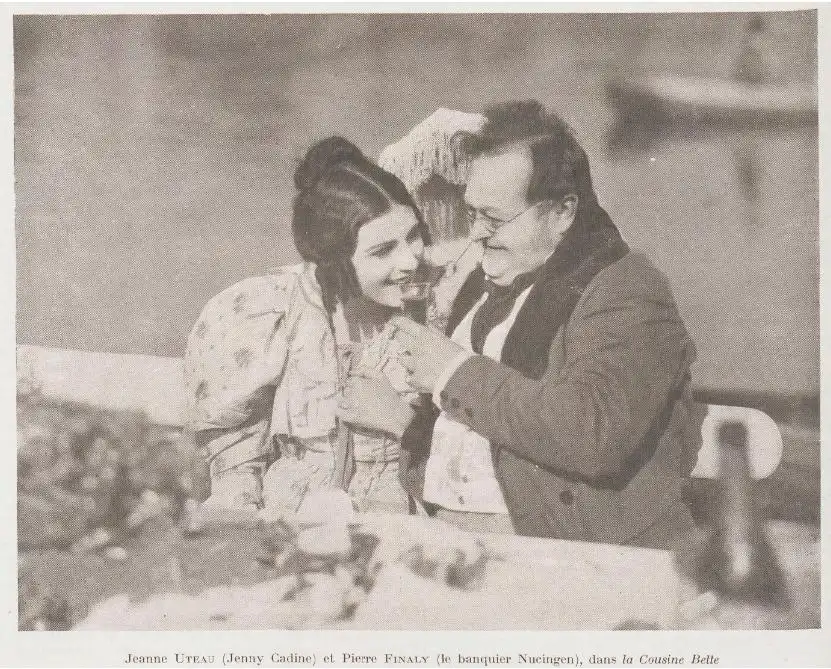
Still, it’s a compelling look at jealousy and how it can poison a soul. Bette isn't just evil for evil's sake. You understand *why* she feels the way she does, even if you don't condone her actions. That's the power of Balzac, right?
It’s a long haul, honestly. You'll spend a good chunk of time with this family and their messy drama. But if you settle in with a cup of tea and let yourself get pulled into the old-school storytelling, there’s a quiet power to it.
Overall, if you’re a silent film enthusiast or a Balzac completist, give La cousine Bette a watch. For everyone else, maybe start with something a bit more modern. But don't knock the quiet power of a scorned woman, even a hundred years later. It still resonates, in its own peculiar way.
IMDb —
1929
Community
Log in to comment.