DbcultAccessing Vault...
Cult Review
Senior Film Conservator
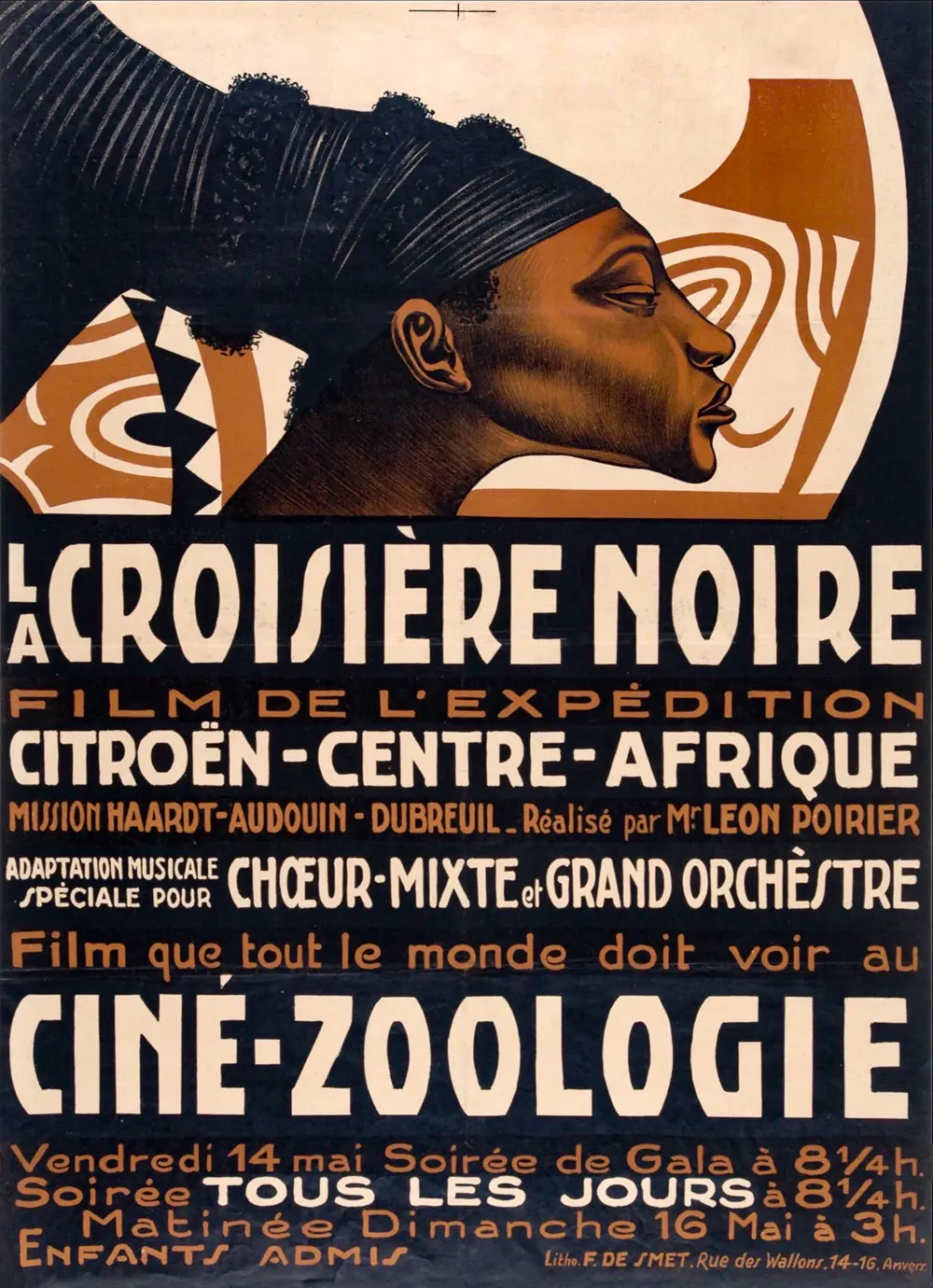
Is La croisière noire a film that demands your attention in the 21st century? Short answer: yes, but only if you are prepared to view it through a lens of critical historical scrutiny rather than pure entertainment.
This film is for historians, automotive enthusiasts, and those fascinated by the mechanics of early 20th-century propaganda; it is emphatically not for those seeking a lighthearted travelogue or a culturally sensitive documentary.
1) This film works because it captures the terrifying physical reality of early transcontinental travel with a grit that modern digital effects can never replicate.
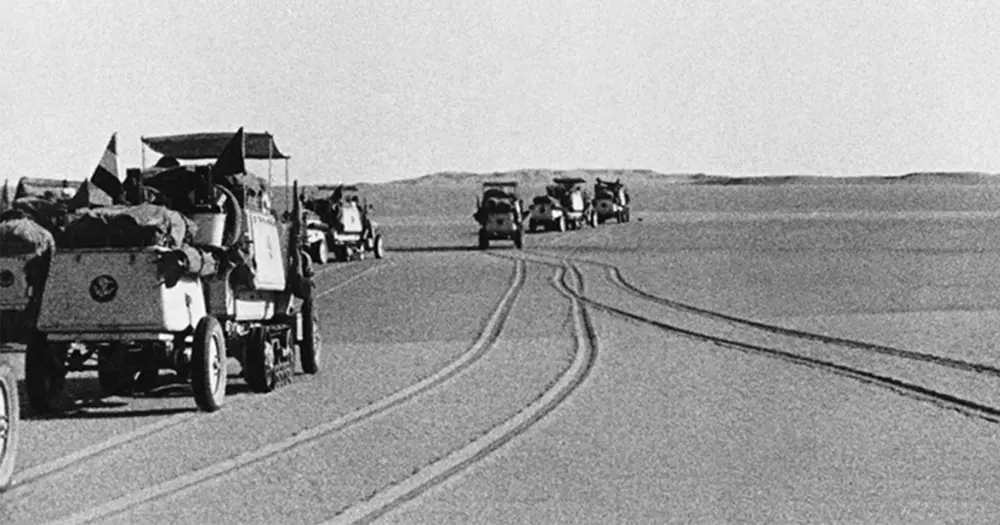
2) This film fails because it treats the African people and landscapes as a mere backdrop for the glorification of French industrialism, often descending into dehumanizing tropes.
3) You should watch it if you want to understand how cinema was used to justify colonial expansion and celebrate the 'conquest' of nature by the machine.
At its heart, La croisière noire is a feature-length commercial. In the mid-1920s, André Citroën wasn't just selling cars; he was selling the idea of French dominance over the globe. The expedition, led by Georges-Marie Haardt and Louis Audouin-Dubreuil, was a logistical nightmare turned into a cinematic spectacle.
Léon Poirier’s direction is surprisingly sophisticated for a non-fiction film of its era. He doesn't just point the camera at the cars; he frames them as heroic figures. There is a specific shot early in the film where the line of half-tracks crests a sand dune, silhouetted against the sky like a modern cavalry. It’s an image of power that rivals the scripted drama of The Firing Line, yet it carries the weight of actual, physical labor.
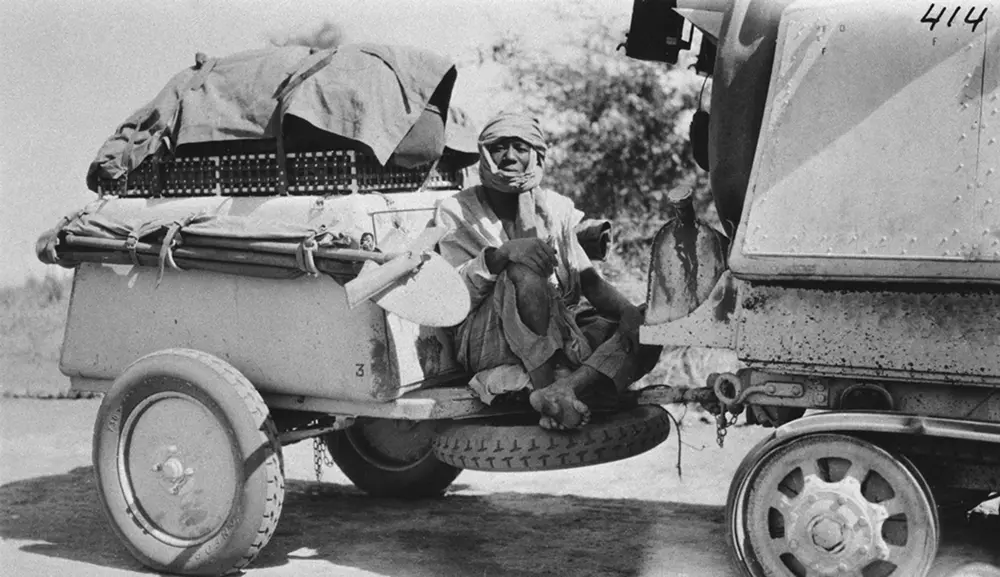
The machines themselves, equipped with the Kégresse track system, are the true protagonists. We see them struggling through mud that would swallow a horse, and climbing rocky inclines that seem impossible. The film obsesses over these mechanical details. It’s a stark contrast to the whimsical urban observations found in Wonderful London: London's Free Shows. While London shows us the leisure of the metropole, Poirier shows us the violent expansion of that metropole into the 'unknown.'
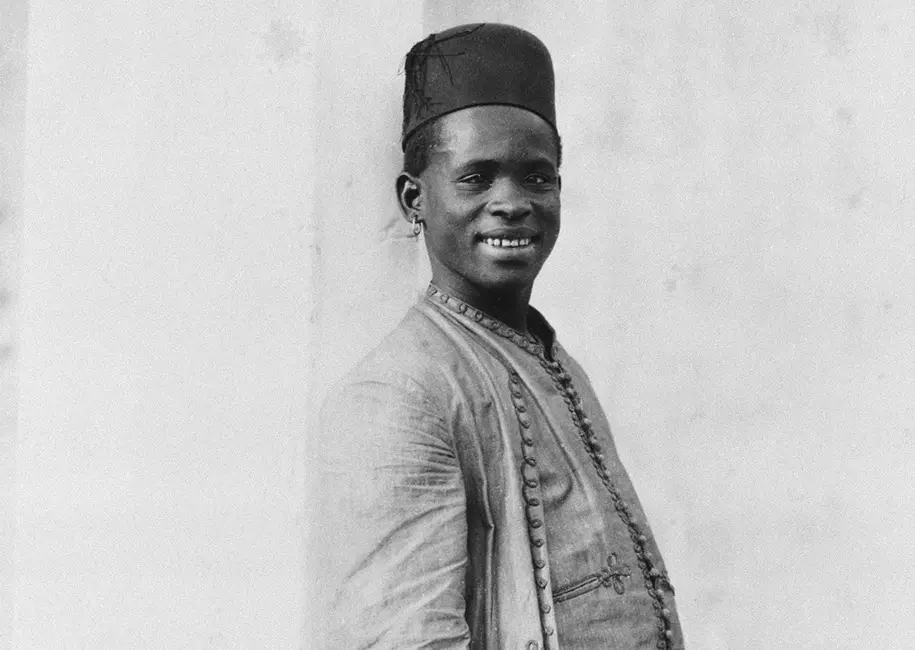
We cannot discuss La croisière noire without addressing the elephant in the room: its blatant colonial gaze. The film was produced during the height of the French Empire, and it reflects the 'Mission Civilisatrice' (Civilizing Mission) ideology of the time. The African people encountered by the expedition are presented as exotic curiosities, often categorized with the same clinical detachment as the flora and fauna.
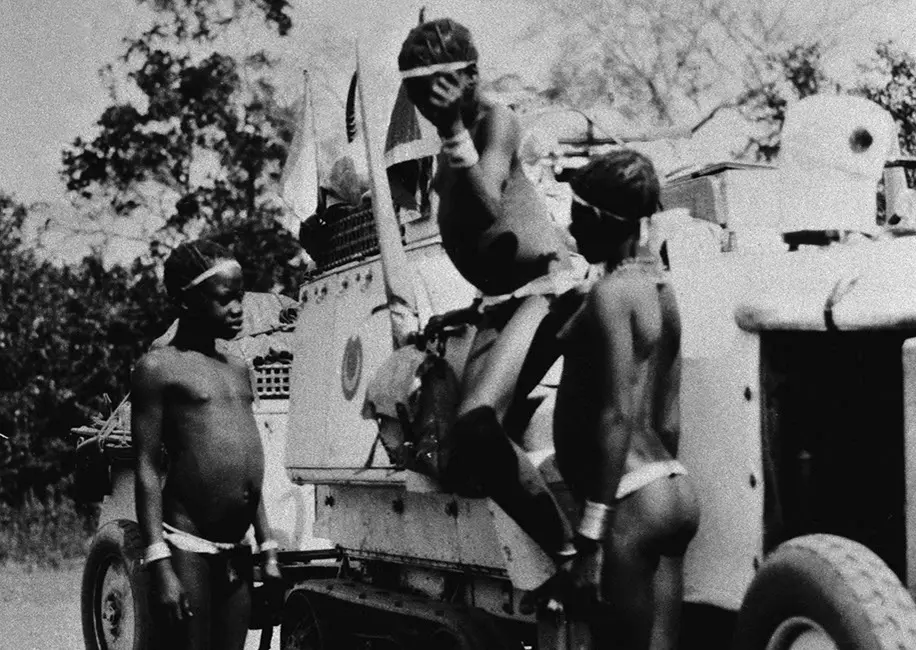
There are moments that are genuinely difficult to watch today. The staging of dances and rituals often feels coerced or at least heavily directed for the benefit of the camera. Unlike the lighthearted antics of Monkeying Around, the power dynamics here are heavy and uncomfortable. Poirier’s camera is an intruder, a mechanical eye that claims ownership over everything it sees.
However, this is precisely why the film is essential viewing for history buffs. It is a raw, unedited look at the colonial psyche. It doesn't hide its biases; it wears them as a badge of honor. To watch it is to witness the birth of a specific kind of documentary tradition that would persist for decades—one where the 'explorer' is the hero and the 'native' is the obstacle or the scenery.
From a technical standpoint, the cinematography is breathtaking. The 35mm equipment used was heavy and fragile, yet the crew managed to capture crisp, high-contrast imagery in the middle of the Sahara. The heat alone should have melted the film stock, yet the preservation of these frames is remarkable. The vastness of the desert is captured with a sense of scale that makes the cars look like tiny, determined insects.
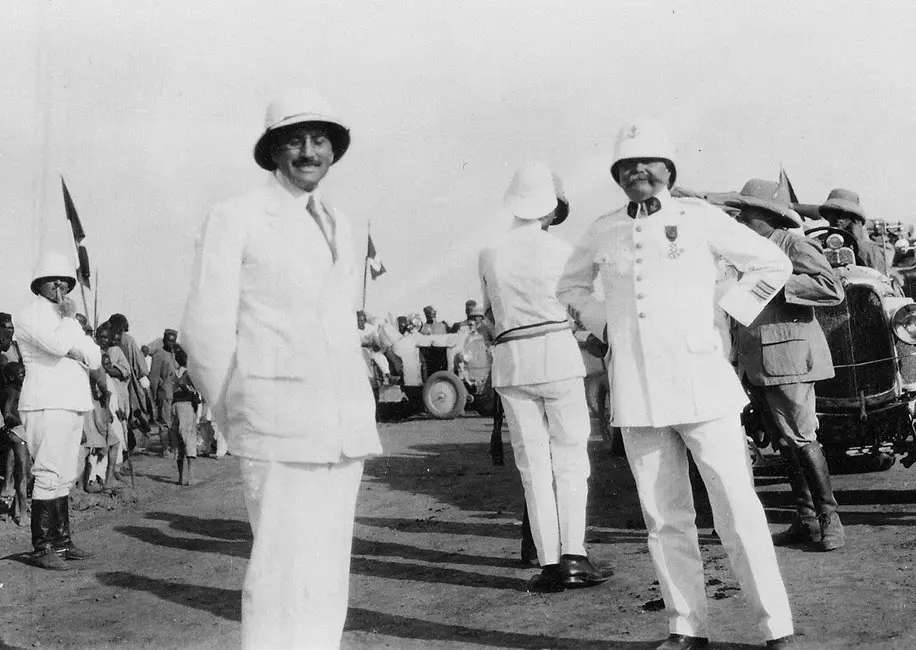
The pacing of the film is deliberate. It follows the rhythm of the expedition—long stretches of grueling travel punctuated by moments of intense activity. This isn't the fast-paced slapstick of The Barnyard. It’s a slow-burn epic. When a vehicle breaks down, we see the sweat. When they reach a new outpost, we feel the relief. It’s an immersive experience that predates the modern 'slow cinema' movement by nearly a century.
"The film is a testament to the fact that in 1924, the most dangerous thing in Africa wasn't the lions or the climate—it was the relentless ambition of the European engineer."
One of the most striking sequences involves the crossing of the Chari River. The logistical nightmare of transporting heavy vehicles across water using primitive rafts is filmed with a tension that feels modern. You can see the fear in the eyes of the workers and the sheer determination of the expedition leaders. It’s a moment of genuine peril that anchors the film in reality.
Is La croisière noire a masterpiece? Strictly speaking, no. It is too repetitive and too morally compromised to be called a universal masterpiece. However, it is an essential historical document. If you want to see the real-world application of 1920s technology and the unfiltered reality of colonial attitudes, it is indispensable. It provides a level of detail about the African landscape before mass modernization that is simply not available elsewhere.
Pros:
- Stunning 35mm location photography.
- A fascinating look at 1920s mechanical engineering.
- Important as a primary source for French colonial history.
- High production values for a 1920s documentary.
Cons:
- Pervasive racist and colonialist undertones.
- Can feel repetitive during the long desert sequences.
- Lacks the narrative cohesion of contemporary documentaries.
- Primarily serves as a corporate advertisement.
While films like Tiger Rose used 'exotic' locations to frame a fictional romance, La croisière noire attempts to present its exoticism as fact. It lacks the self-contained charm of The Ragamuffin or the domestic drama of Josselyn's Wife. Instead, it occupies a space similar to the ethnographic curiosities seen in Wonderful London: London's Free Shows, but on a much more aggressive, continental scale.
It is also interesting to compare it to the Soviet cinema of the same era, like Ostap Bandura. While the Soviets were using film to build a national identity through revolutionary struggle, the French were using it to cement their identity through global expansion and technological superiority. Both used the camera as a weapon of statecraft.
La croisière noire is a difficult film to love, but an impossible one to ignore. It is a monument to a world that no longer exists—a world of unchecked expansion and unshakeable belief in the machine. It is visually stunning. It is morally bankrupt. It is a masterpiece of a very specific, very dark genre of filmmaking. It works. But it’s flawed.
Ultimately, the film serves as a reminder of the power of the image. By the time the expedition reaches Madagascar, the viewer is exhausted, not by the journey, but by the relentless ego of the project. If you want to see the 1920s with its mask off, this is the film to watch. Just don't expect to feel good about it when the credits roll.
IMDb —
1917
Community
Log in to comment.