Summary
Two Manhattan infants—one swaddled in Washington Square lace, the other swaddled in Bowery soot—inhale the same soot-laden air yet march toward antipodal destinies. Bob Van Dyke’s cradle is a gilded bassinet of lullabies and trust funds; Jenny’s is a cardboard crate where lullabies are replaced by the clatter of patrol wagons. Years compress like taffy: we glimpse a pampered heir reciting Latin verbs beneath oil portraits, while across the river a barefoot girl learns to spell “burglary” from Police Gazette headlines. Adulthood arrives wearing spats and scars. Bob, now a champagne comet burning through the last of an inherited galaxy of bonds, meets Jenny as she slithers through a basement window, a human lock-pick shaped by alleyway tutors. He should hand her to the bulls; instead he sees a trembling conscience still wearing the bruises of its first heartbeat. One act of unearned trust—he leaves banknotes on the table like a dare—sends seismic ripples through both lives. Jenny pockets not the cash but a photograph, replacing it with her last fifty cents: a reverse indulgence, a coin for the soul she never knew she possessed. Two winters later, needle-pricked fingers and candle-scorched patterns have stitched her a fragile respectability, yet a single strike notice unravels the seam. Evicted, she rescues a street urchin whose pockets jingle with petty larceny, thus repaying the universe in the only currency she trusts: second chances. Bob, meanwhile, teeters atop a pyramid of worthless stock tips. Their reunion is no moonlit balcony but a pawnshop’s fluorescence—class reduced to a price tag on his sister’s pearls. Jenny becomes seamstress to the fading aristocrats; love germinates in the chasm between satin and calico. When Bob contemplates pilfering the savings of the nurse who once rocked him, Jenny commits the ultimate theft: she steals the money first, hides it, and absorbs the felony like a human lightning rod. Fingerprints damn her; silence sanctifies her. Jailhouse stone becomes the altar on which Bob finally sacrifices his last illusion—that birthright equals worth. Destitute, humbled, he combs Harlem’s fog until he finds the girl who taught him that honor is not inherited but bartered, one sacrificial act at a time.
Synopsis
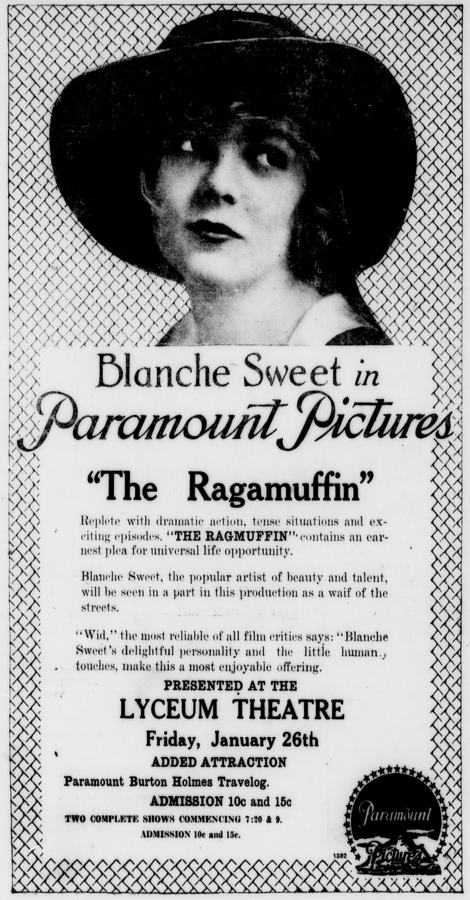
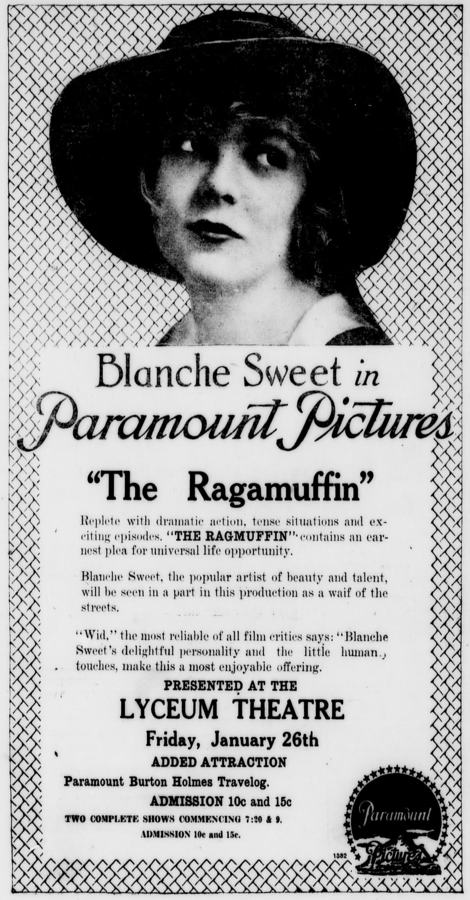
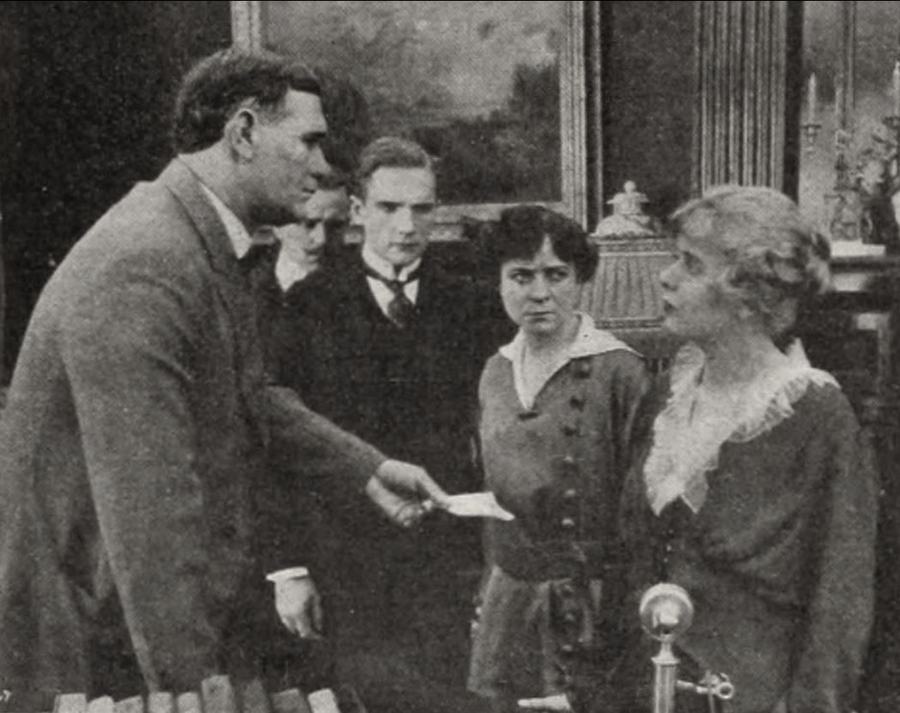
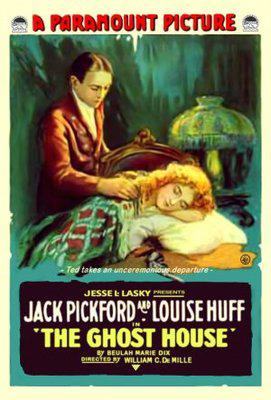
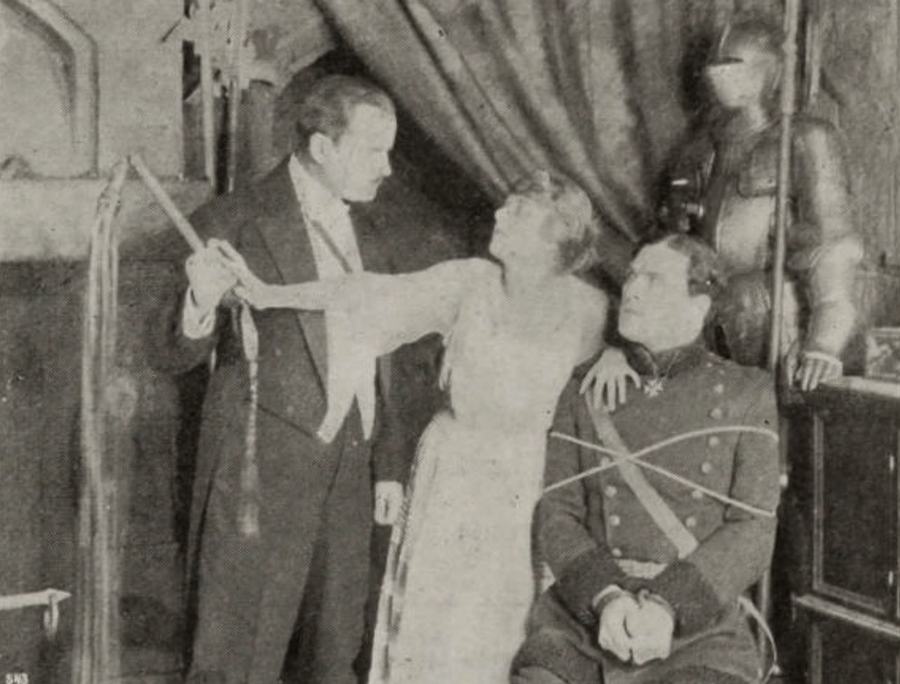
We start with the birth of two children "the whole wide world apart," one in a swell house in Washington Square, the other in the slums of New York. We see them on their third birthday; Bob, the rich little boy, surrounded by the presence of love and care ; Jenny, the poor little girl, stealing an apple from a fruit stand. We see them getting their education^ Bob, under the care of a private tutor and Jenny learning to read through stolen glances at the Police Gazette. When they are grown up, Bob Van Dyke and his sister, Beth, now orphaned, are caught in the whirl of a gay social life and are spending the fortune left them by their parents. Jenny, left alone in the world, has been adopted by Dugan, an old crook, who stands in the place of a father to her, and who makes use of her in his illegal calling. The young cracks-man, Kelly, suggests to Dugan that they burglarize a house in Washington Square by putting Jenny through the basement window and have her open the front door for them. Jenny is captured by Bob and is about to turn her over to the police but in questioning her, sees through her girlish beauty, a soul struggling for expression and he determines to try to save her. Jenny, never having heard of right and wrong, is fascinated by the rich young man and when he leaves his money on the table and says that he will go upstairs "until he hears the front door close behind her", she realizes that she has found someone in the world who will trust her. She is about to go when she sees Bob's photograph on the table. She is tempted to steal it but hesitates and leaves fifty cents, her whole fortune, in place of the picture. She then goes out and shuts the door and facing her crook companions, announces that she is going to live straight. Back in the tenement home, she packs her small bundle of clothes and leaves. Two years pass, during which time Jenny has succeeded in making herself an expert dressmaker. She lives alone in a little room and, inspired by Bob's photograph and the memories it recalls, has grown to worship the young man who trusted her, although she has not seen him since. A strike is called in the dress factory and Jenny is let out of work. She saves a little newsboy who has stolen money and who is being pursued by the police and is able to reform him. Penniless, Jenny is finally thrown into the street with her goods and chattels. In the meantime, Bob and Beth have speculated with what is left of their fortune and while down town to pawn some of his sister's jewels, Bob finds Jenny and takes her to his home to have her make clothes for his sister. While there the love of the two young people grows and the difference in their stations is apparently insurmountable. Bob's speculations go wrong and he is tempted to use money belonging to their old nurse. Jenny overhears their plan to use the money and pleads with Bob^not to do this thing for if the speculation goes wrong, he will be a thief. Bob is deaf to her entreaties and puts the money in the safe. Jenny sees her ideal tottering and induces Kelly to enter the house and open the safe for her. She then takes the money and hides it. The next morning the loss is discovered. Detectives find Jenny's finger-prints on the safe and she is arrested but will not tell where the money is, preferring to go to jail rather than let Bob do anything dishonest. Bob realizes this and promises to go straight. Jenny steals away as Bob awaits the impending smash. Bob and Beth are forced to live in a small Harlem flat and Beth marries her wealthy young lover from the smart set . Bob realizes that he had happiness in his hand and let it go and hunts up Jenny. He sees that class does not count and, in spite of Jenny's protests, takes her in his arms.
Review Excerpt
"
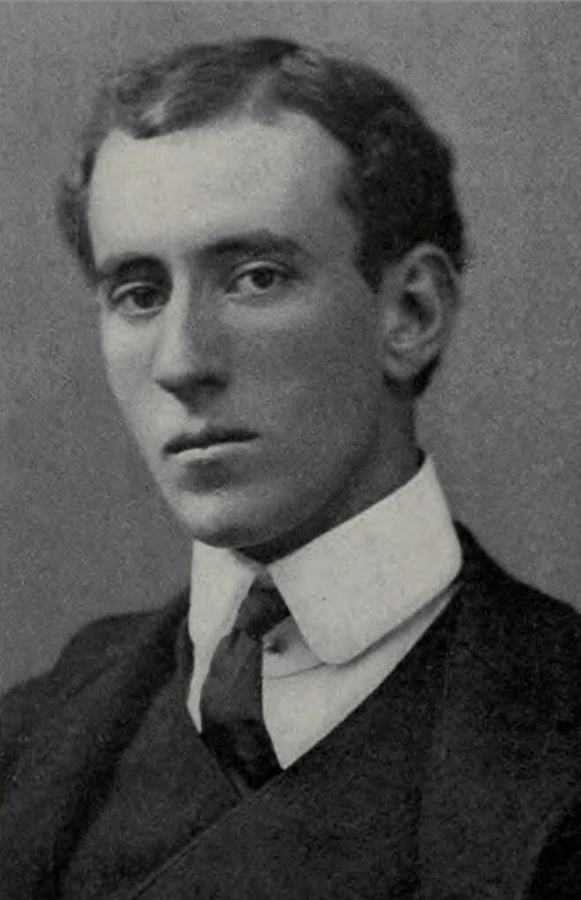
The city exhales soot and possibility in equal measure; William C. de Mille captures that carbon-black breath and freezes it on celluloid so we may still taste 1916 on our tongues a century later.
The Ragamuffin is not content with the comfortably digestible dichotomy of rich=vice, poor=virtue. Instead, it stages a moral steeplechase where every hurdle is splintered by human frailty. From the first iris-in on a silk-canopied cradle, the film announces its thesis: circumstance is the cradle, b..."