DbcultAccessing Vault...
1.9/10
Senior Film Conservator
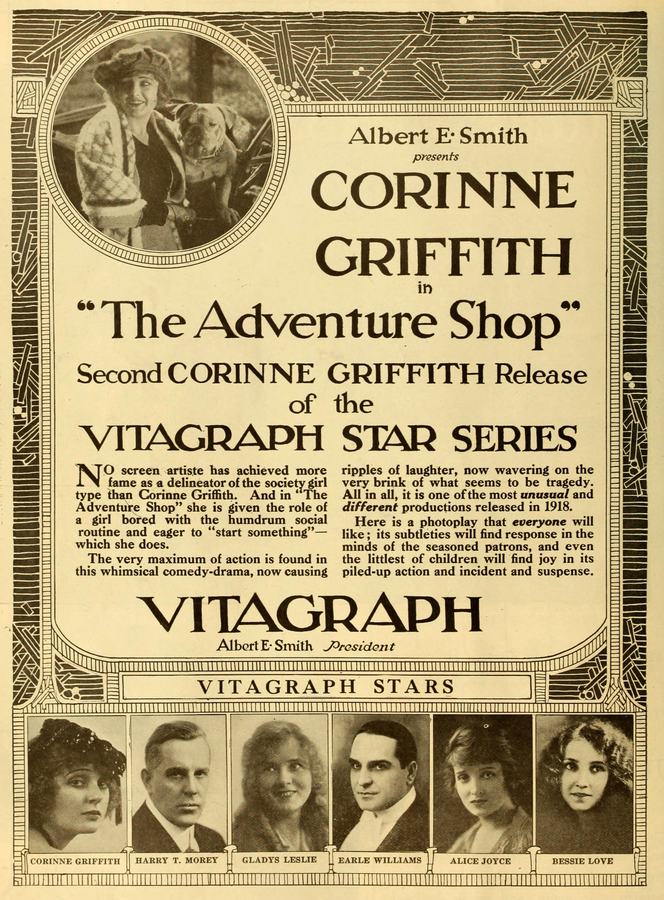
A definitive 1.9/10 rating for a film that redefined the boundaries of cult cinema. The Adventure Shop remains a cornerstone of transgressive art.
The very premise of The Adventure Shop, a cinematic artifact from an era long past, resonates with a surprising contemporary relevance. We are introduced to Phyllis Blake, portrayed with compelling nuance by the luminous Corinne Griffith, a woman ensnared by the gilded cage of her own wealth. Her life, a tapestry of luxury, is paradoxically devoid of genuine sensation, a condition shared by her equally affluent and disaffected companions. This collective ennui births an audacious enterprise: a bespoke service designed to inject manufactured excitement into the sterile lives of the moneyed elite. It's a concept so deliciously satirical, so pointed in its critique of a society that has everything yet feels nothing, that it immediately captivates. This isn't merely a film about escapism; it's a commentary on the desperate human need for experience, even when fabricated, and the perilous consequences when the lines between artifice and reality inevitably blur.
Corinne Griffith, a true star of the silent screen, imbues Phyllis Blake with a captivating blend of elegant boredom and burgeoning audacity. Her portrayal is a masterclass in subtlety, conveying a world-weariness that subtly shifts into an almost childlike exhilaration as she orchestrates these 'adventures.' Griffith's expressive eyes and refined gestures speak volumes, articulating the character's internal journey from listlessness to a dangerous, albeit thrilling, engagement with the darker facets of society. One can easily draw parallels between her sophisticated charm and the magnetic presence of actresses in other films of the period, perhaps even the nuanced performances seen in dramas like The Secret Orchard, where internal struggles are paramount. Her performance anchors the film, providing a human core to what could otherwise devolve into mere farcical melodrama.
The narrative gains its initial momentum with the arrival of Josephus Potts, a character whose name itself suggests a certain industrial gravitas. His dilemma is deliciously ironic: he seeks to cure his son, Josephus Jr., of an addiction to thrill-seeking. This is where Freeman Wood steps in, portraying Josephus Jr. with a restless energy that perfectly contrasts Griffith's initial languor. Junior's insatiable hunger for excitement is the very catalyst that propels Phyllis and her shop into action. The initial 'treatments' are carefully calibrated, designed to be just dangerous enough to be thrilling, yet ultimately safe. A gambling den, with its hushed whispers and flickering shadows, serves as the first immersion. Then, a foray into the charged atmosphere of an anarchist meeting, where radical ideas simmer and boil. These scenes, while perhaps intended to shock, merely scratch the surface of Junior's craving, highlighting the inherent limitations of manufactured danger. The film cleverly uses these early sequences to establish the escalating stakes, signaling that the Adventure Shop's current methodology is insufficient for a truly jaded palate like Junior's.
The writers, Harry Conway, Bud Fisher, and George H. Plympton, demonstrate a keen understanding of character motivation and plot escalation. They don't linger on the mundane; instead, they swiftly move from the superficial to the profoundly dangerous, pulling the audience along with a palpable sense of anticipation. This narrative drive is reminiscent of the engaging storytelling found in other silent-era thrillers, perhaps even sharing a certain structural ingenuity with films like The Strange Case of Mary Page, where each twist deepens the mystery and character stakes. The pacing is crucial in silent cinema, and here, it is meticulously managed, building suspense through visual storytelling and succinct intertitles.
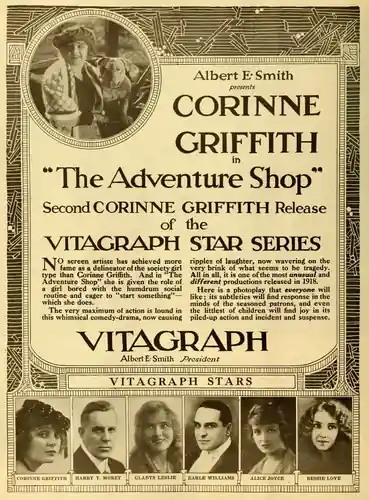
The true heart of the film's adventure, and its most compelling commentary, begins when Phyllis and her team decide that simulated thrills are inadequate. To truly 'cure' Junior, they must expose him to the authentic, unvarnished dangers of the city's hidden underbelly. This segment of the film is where the satirical premise takes a sharp turn into genuine suspense. We are introduced to a rogues' gallery of characters – killers, blackmailers, and various other denizens of the criminal world. The casting of actors like Walter McGrail and Priestly Morrison in these darker roles adds a palpable sense of menace, their performances often relying on exaggerated expressions and menacing physicality, typical of the era but effective in conveying villainy. This descent is not merely a plot device; it's a symbolic journey into the moral ambiguities of a society that creates its own shadows.
The portrayal of this criminal element, while perhaps sensationalized for the screen, still manages to evoke a sense of gritty reality. The smoky backrooms, the furtive glances, the inherent danger lurking in every shadow – these elements are expertly crafted, pulling the audience deeper into the narrative's grip. It’s a stark contrast to the pampered lives of Phyllis and her friends, highlighting the vast chasm between the city's two extremes. This exploration of the seamy side of urban life has been a recurring motif in cinema, much like the social commentary found in films such as The Woman in Black, which also delves into dark secrets and hidden dangers, albeit in a different context. Here, the danger is not supernatural but entirely human, making it all the more terrifying.
The true stroke of genius in The Adventure Shop lies in its climactic twist: the moment the carefully constructed illusion shatters. Phyllis and Junior, while on one of their 'underworld tours,' are genuinely kidnapped. The $50,000 ransom demand is not part of the itinerary; it's a very real, very terrifying price on their heads. This unforeseen turn elevates the film from a clever satire to a gripping thriller, forcing both characters and audience to confront the stark difference between playing with danger and being truly endangered. The emotional impact on Phyllis is particularly profound; her initial boredom is replaced by genuine fear, and her resourcefulness is tested in ways she never anticipated. This sudden shift in tone and stakes is masterfully handled, transforming the film into something far more profound than its initial premise suggested.
The performances here are crucial. Griffith's transformation from bored socialite to terrified hostage, yet still retaining a spark of defiant intelligence, is captivating. Freeman Wood, as Junior, also sheds his veneer of thrill-seeking nonchalance, revealing a raw vulnerability. The supporting cast, including Fred Smith, Victor A. Stewart, and Warren Chandler, contribute to the escalating tension, each playing their part in the unfolding drama. Their interactions create a web of suspicion and fear, making the audience question who can be trusted and how the characters will escape their predicament. This kind of high-stakes, unexpected turn is a hallmark of compelling storytelling, reminiscent of the dramatic revelations in films like Fighting Odds, where protagonists are thrust into circumstances beyond their control.
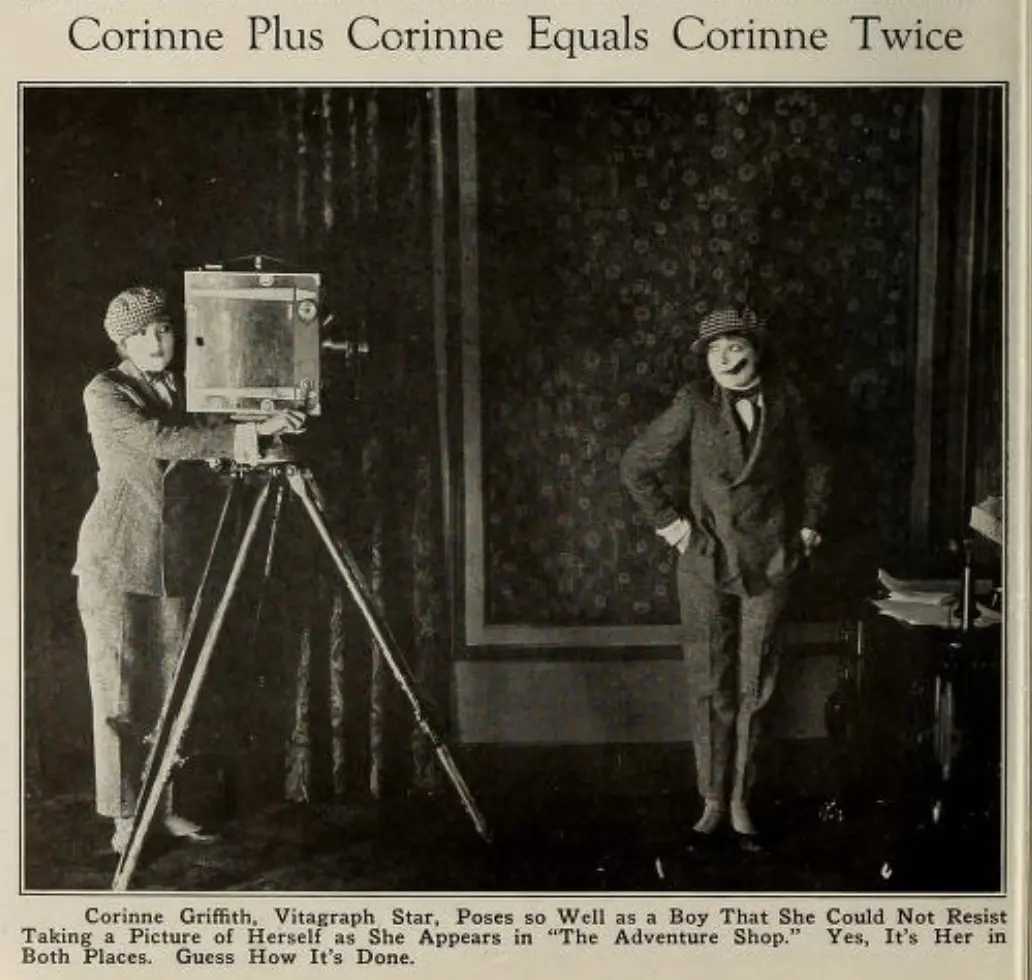
Beyond its compelling plot, The Adventure Shop stands as a testament to the sophisticated craftsmanship of silent cinema. The visual storytelling, a necessity without synchronized dialogue, is exceptional. The use of lighting, particularly in the underworld scenes, creates stark contrasts between light and shadow, enhancing the mood of danger and secrecy. Set designs, though perhaps simpler than later eras, are effective in conveying the opulence of the wealthy and the squalor of the criminal element. Costuming, especially for Corinne Griffith, reflects the fashion of the era while also subtly mirroring her character's journey – from elegant gowns of leisure to more practical attire born of necessity.
The film's exploration of boredom among the affluent is a timeless theme. It questions the very nature of happiness and fulfillment, suggesting that true engagement with life, even if dangerous, is preferable to a sterile existence. This idea resonates across different cultures and eras, much like the universal struggles depicted in films such as Der König ihres Herzens or Die Tangokönigin, which often explored societal expectations and personal desires. The screenplay, credited to Harry Conway, Bud Fisher, and George H. Plympton, is remarkably tight, moving the story forward with purpose and precision. They manage to weave together elements of satire, romance, and genuine suspense without losing sight of the core thematic concerns.
The ensemble cast, including Robert Gaillard in a memorable role, contributes significantly to the film's texture. Each character, no matter how minor, feels distinct and serves a purpose in advancing the narrative or reinforcing its themes. This collaborative effort, a hallmark of successful filmmaking, ensures that the audience remains invested in the fate of everyone involved. The film's ability to transition seamlessly from lighthearted social critique to nail-biting suspense is a testament to the skill of both the performers and the creative team behind the camera. It’s a delicate balance that few films achieve, and The Adventure Shop manages it with remarkable dexterity. One might even compare its ambitious genre-bending to the thematic complexities found in a film like Masks and Faces, where appearances often belie deeper realities.
Viewing The Adventure Shop today offers more than just a glimpse into early 20th-century cinema; it provides a fascinating study of storytelling that remains potent. The film’s ability to satirize the idle rich while simultaneously delivering a genuinely thrilling narrative is a testament to its innovative spirit. It challenges the audience to consider the cost of manufactured thrills versus the raw, unpredictable chaos of real life. The irony of seeking adventure only to find it in its most terrifying, unbidden form is a powerful message that transcends the silent era. It’s a film that, despite its age, feels remarkably fresh in its commentary on human nature and societal values. Its unique blend of genres and its sharp social observations make it stand out, even when compared to other notable productions of its time like Habakuk or Lena Rivers, which, while significant, often adhered to more conventional dramatic structures.
The Adventure Shop is more than a historical curiosity; it is a vibrant, engaging piece of cinematic art that speaks to enduring human desires and fears. It reminds us that sometimes, the greatest adventure lies not in what we seek, but in what unexpectedly finds us. Its narrative ingenuity and strong performances solidify its place as a film worthy of rediscovery, a compelling example of how early cinema could blend entertainment with incisive social commentary, proving that a good story, well told, never truly loses its power. The film's legacy is one of clever subversion, demonstrating that even the most privileged lives can be undone by the very boredom they desperately try to escape. Much like the intricate plots of films such as King Lear or Marionetki roka, which delve into the complexities of human experience, this film offers a rich tapestry of emotion and intrigue. Its clever plotting and the genuine peril faced by its protagonists ensure that it remains a captivating watch, a testament to the timeless appeal of a well-crafted narrative that dares to challenge expectations.
IMDb 6.3
1935
Community
Log in to comment.