Is La fin de Monte-Carlo a film that warrants your attention in the modern era? Short answer: yes, but with significant caveats that demand a particular kind of viewer. This silent-era drama, a relic from 1924, is a fascinating, if sometimes challenging, window into early cinematic storytelling and societal anxieties.
It is unequivocally a film for those with a deep appreciation for film history, the nuances of silent acting, and narratives steeped in classic melodrama. Conversely, if your cinematic palate prefers fast-paced plots, explicit dialogue, or films with contemporary sensibilities, this will likely prove a test of patience rather than a rewarding experience.
This film works because of its unflinching portrayal of societal decay and the power of its lead performances.
This film fails because its pacing can feel glacial to modern eyes, and some plot threads lack the clarity we now expect.
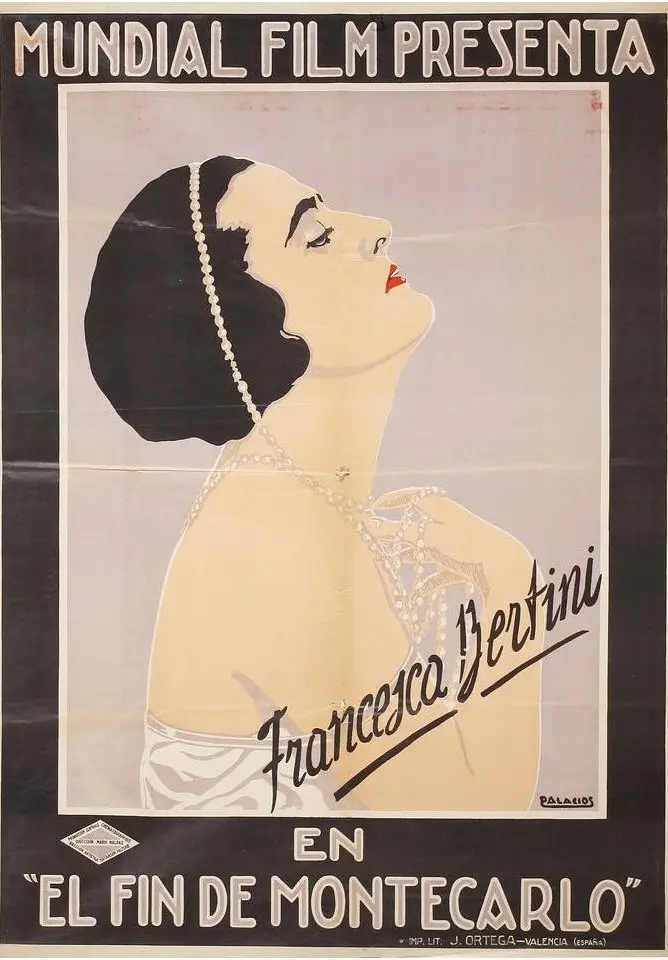
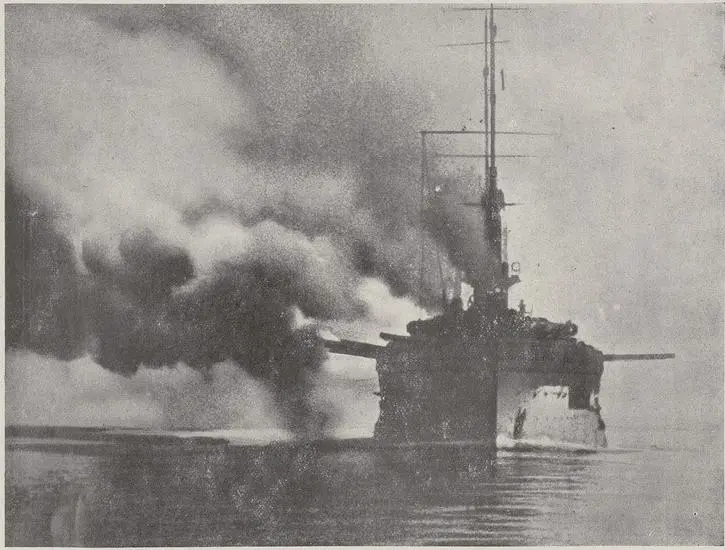
Scene from La fin de Monte-Carlo
Cinematic perspective: Exploring the visual vocabulary of La fin de Monte-Carlo (1927) through its definitive frames.
You should watch it if you are a cinephile keen on exploring the roots of dramatic cinema, or if you simply enjoy a good, old-fashioned tale of ruin and resilience.
A Glimpse into the Plot: High Stakes and Fading Glories
Henri Étiévant’s La fin de Monte-Carlo plunges us headfirst into the glittering yet treacherous world of early 20th-century European high society. The narrative pivots around Élise de Valois, brought to life with compelling intensity by Jeanne Marie-Laurent. Her world, one of inherited wealth and impeccable reputation, begins to crumble under the weight of her husband, Monsieur de Valois’s, insatiable gambling habit.
Georges de La Noë portrays Monsieur de Valois with a tragic blend of charm and destructive weakness, making his descent both understandable and frustrating. His reckless abandon at the roulette tables isn't just a personal failing; it's a symbolic erosion of an entire social class, a theme that resonates deeply within the film's fabric.
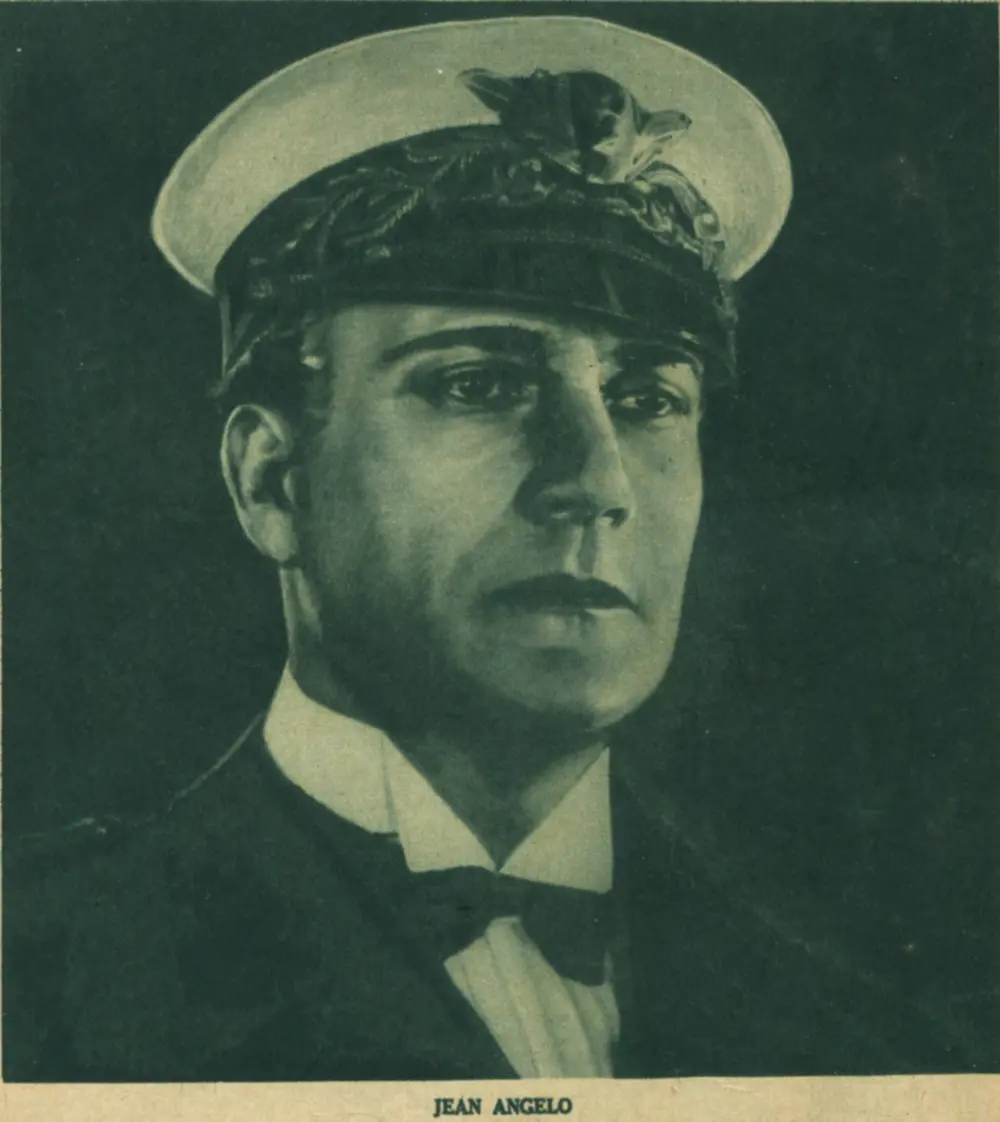
But the film complicates this domestic tragedy with the introduction of Armand Dubois, played by Jean Angelo. Dubois isn't merely a rival; he's a predatory force, embodying the avarice that lurks beneath Monte Carlo's polished surface. His schemes to capitalize on the de Valois family's misfortune elevate the story from a simple melodrama to a more intricate tale of economic and social warfare.
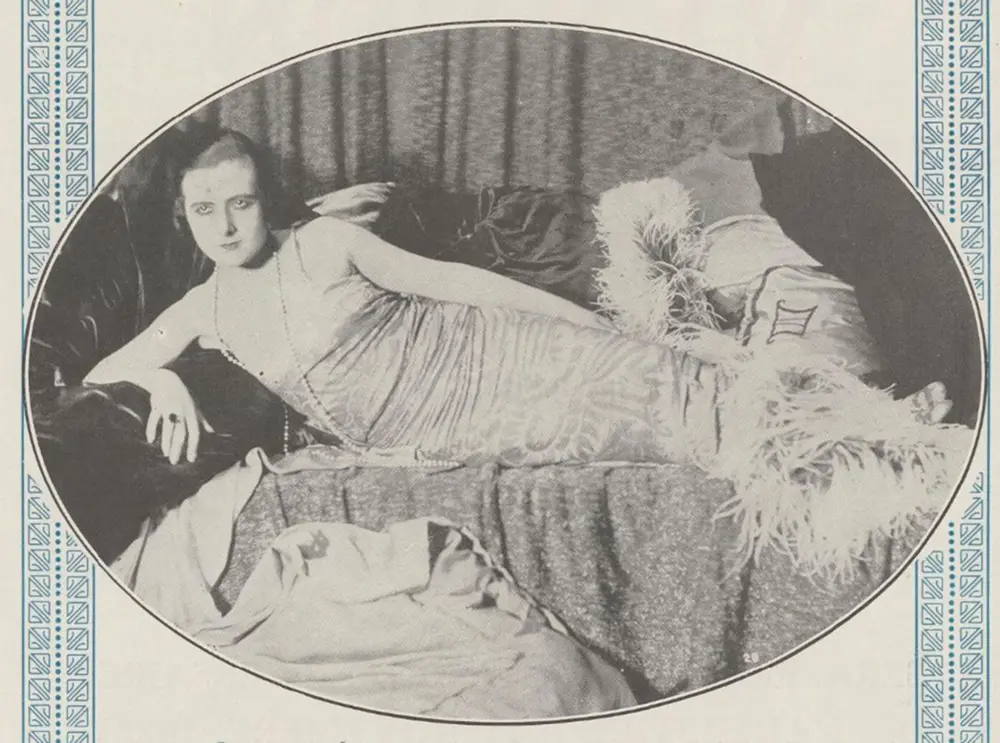
Scene from La fin de Monte-Carlo
Cinematic perspective: Exploring the visual vocabulary of La fin de Monte-Carlo (1927) through its definitive frames.
The plot, while occasionally leaning into the dramatic excesses typical of its era, maintains a surprising grip, driven by Élise’s desperate fight for survival and honor. It's a testament to the power of visual storytelling that even without spoken dialogue, the stakes feel palpable, the betrayals sharp, and the sense of impending doom ever-present.
The Art of Silent Storytelling: Direction and Pacing
Henri Étiévant, as director, navigates the complexities of silent film with a commendable, if sometimes uneven, hand. His staging often feels theatrical, a common characteristic of the period, yet he manages to infuse moments with genuine cinematic flair. The grand establishing shots of Monte Carlo, for instance, are not merely pretty backdrops; they are active participants in the narrative, symbolizing the allure and the trap of the setting.
Pacing is, as expected for a film from 1924, deliberate. Modern audiences accustomed to rapid-fire editing and constant narrative propulsion might find the rhythm challenging. However, those willing to attune themselves to its cadence will discover a methodical build-up of tension. The extended sequences at the casino, for example, allow the viewer to truly feel the agonizing suspense of each spin of the roulette wheel, mirroring Monsieur de Valois’s internal torment.
Étiévant employs intertitles effectively, not just as dialogue, but as narrative devices to convey internal thoughts or societal commentary. These aren't mere interruptions; they are integral to the film's voice, often adding a layer of ironic observation to the unfolding drama. Consider the title card describing the 'unseen hand of fate' as Élise watches her husband gamble away their last francs – it's a stark, almost poetic, summation of their predicament.
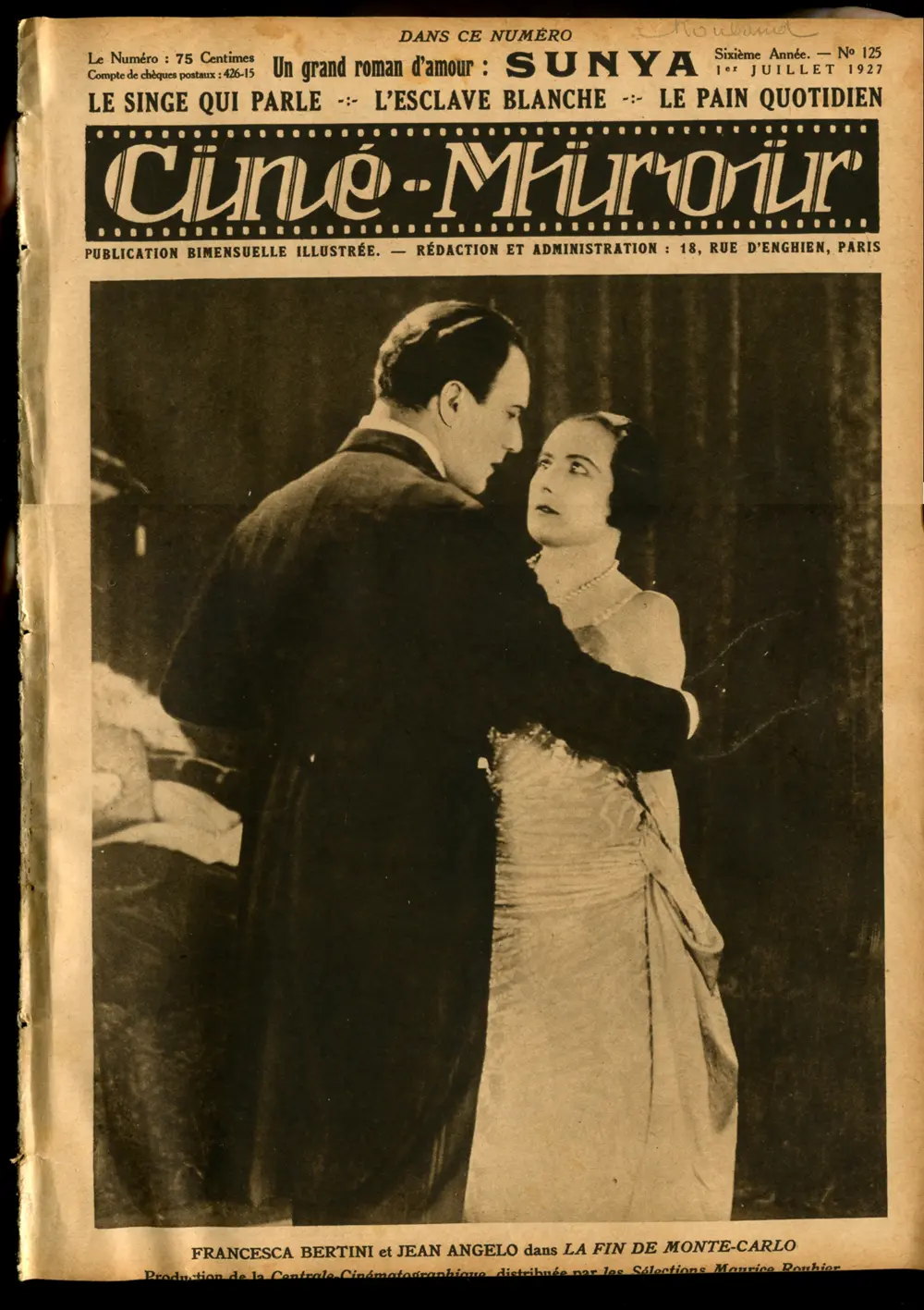
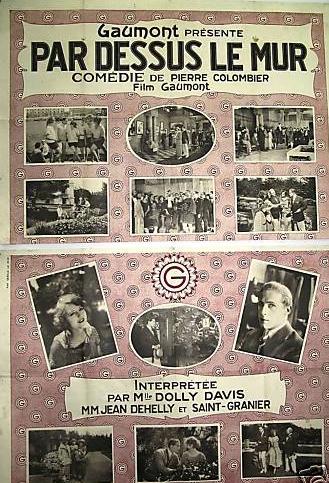
Scene from La fin de Monte-Carlo
Cinematic perspective: Exploring the visual vocabulary of La fin de Monte-Carlo (1927) through its definitive frames.
Where the direction occasionally falters is in its reliance on overly broad gestures from supporting characters, which can pull focus from the more nuanced performances. This is less a flaw of Étiévant specifically and more a convention of the time, yet it stands out in contrast to the leads.
Performances That Speak Volumes: The Cast
The success of any silent film hinges almost entirely on the expressiveness of its cast, and La fin de Monte-Carlo is largely bolstered by its compelling ensemble. Jeanne Marie-Laurent delivers a tour-de-force performance as Élise. Her face, a canvas of shifting emotions, conveys heartbreak, determination, and quiet despair with remarkable clarity. There’s a particular scene where she confronts Dubois, her eyes burning with a silent fury that speaks volumes more than any dialogue ever could.
Georges de La Noë, as the doomed husband, is equally captivating. He avoids the pitfall of making de Valois a purely villainous figure, instead imbuing him with a pitiable weakness that makes his downfall all the more tragic. His trembling hands as he places a desperate bet, contrasted with his fleeting moments of tenderness towards Élise, paint a complex portrait of a man consumed by his vices.
Jean Angelo, as the antagonist Armand Dubois, is deliciously villainous. He possesses a sneering charm that makes his manipulations all the more insidious. His performance, while perhaps less subtle than Marie-Laurent’s, is perfectly suited for the role, providing a clear and formidable obstacle for Élise. It's a performance that makes you actively dislike the character, which is, in its own way, a triumph.
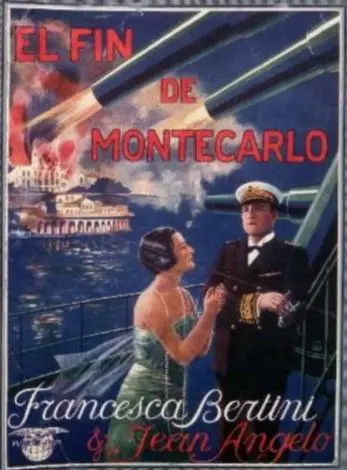
Scene from La fin de Monte-Carlo
Cinematic perspective: Exploring the visual vocabulary of La fin de Monte-Carlo (1927) through its definitive frames.
The supporting cast, including Paula Rode and Francesca Bertini, contribute to the film’s rich tapestry, though their roles are less developed. Bertini, in particular, has a fleeting but memorable presence that hints at a larger, untold story. It’s a shame her character isn't given more screen time, as her silent gravitas is quite striking.
Visual Elegance: Cinematography and Set Design
The visual language of La fin de Monte-Carlo is one of its strongest assets. The cinematography, while constrained by the technology of the era, manages to capture the lavishness of its setting with surprising depth. The casino interiors are particularly striking, with elaborate sets that evoke the grandeur and claustrophobia of the gambling halls. The interplay of light and shadow, though rudimentary by today's standards, is used to great effect, often mirroring the characters' emotional states.
Consider the scene where Élise walks through the deserted casino late at night; the long, lonely shadows stretching across the empty tables perfectly encapsulate her isolation and the desolate state of her fortune. It’s a simple visual, but profoundly effective.
The costume design also plays a crucial role in establishing character and social standing. Élise's elegant, yet increasingly somber, attire visually charts her emotional journey and the erosion of her status. Even the background extras are meticulously dressed, contributing to the authentic feel of Monte Carlo's high society, making the world feel fully realized.
Scene from La fin de Monte-Carlo
Cinematic perspective: Exploring the visual vocabulary of La fin de Monte-Carlo (1927) through its definitive frames.
While it doesn't boast the experimental camera work seen in some contemporary films like Vampyrdanserinden, its visual storytelling is consistently clear and often beautiful. The film proves that even within the limitations of silent cinema, a compelling aesthetic can be forged through careful composition and a keen eye for detail.
Themes of Ruin and Redemption
At its core, La fin de Monte-Carlo is a cautionary tale about the perils of unchecked ambition and the seductive nature of wealth. It explores how easily reputation can be shattered and fortunes lost, not just through personal failing, but through the predatory forces lurking within society itself. The film is surprisingly brutal in its depiction of the consequences of financial ruin, showing how quickly one can fall from grace.
Élise's journey, however, introduces a powerful theme of redemption – not necessarily financial, but moral. Her struggle is less about regaining wealth and more about preserving dignity and honor. This shift in focus elevates the film beyond a simple melodramatic tragedy, giving it a more profound, humanistic resonance. It’s a surprisingly modern take on what truly constitutes value.
The film also subtly critiques the hypocrisy of high society, where appearances are everything and underlying corruption is often overlooked. The whispers and judgmental glances directed at Élise are as damaging as Dubois's direct actions, illustrating the crushing weight of societal expectation. This aspect feels remarkably timeless, even a century later.
While some might argue the ending is a tad too neat, I find its resolution to be a fitting, if somber, conclusion to Élise’s arduous journey. It refuses a saccharine happy ending, instead offering a more realistic, bittersweet sense of triumph that feels earned.
Pros and Cons
Pros:
Exceptional lead performances, particularly from Jeanne Marie-Laurent, whose silent acting is incredibly potent.
Rich, atmospheric cinematography that captures the opulence and underlying tension of Monte Carlo.
A compelling, if melodramatic, plot that explores timeless themes of class, greed, and personal integrity.
Valuable insight into early 20th-century cinematic techniques and storytelling conventions.
Strong character development for Élise, making her a relatable and formidable protagonist.
Cons:
Pacing can be very slow for contemporary viewers, demanding patience and a different viewing mindset.
Some supporting performances lean heavily into theatricality, occasionally feeling over-the-top.
The plot, while engaging, can be predictable in its broader strokes, following familiar melodramatic tropes.
The film's visual quality, depending on the available print, may not always be pristine, impacting appreciation.
Lack of a dynamic score (if viewed without a modern accompaniment) can diminish emotional impact for some.
Key Takeaways
Best for: Enthusiasts of silent cinema, historical dramas, and character-driven narratives focused on societal critique.
Not for: Viewers seeking fast-paced action, modern dialogue, or lighthearted entertainment.
Standout element: Jeanne Marie-Laurent's intensely expressive and nuanced performance as Élise de Valois.
Biggest flaw: Its deliberate pacing, which can feel ponderous to those unaccustomed to the rhythm of early cinema.
Verdict: A Glimmer of the Past
La fin de Monte-Carlo is not a film for everyone. It is, by its very nature, a product of its time, demanding a certain level of engagement and historical context from its audience. Yet, within its silent frames, lies a powerful, resonant drama that speaks to universal themes of ambition, despair, and the enduring human spirit.
It works. But it’s flawed. Its strengths lie in its visual storytelling and the raw emotional power of its lead actors, particularly Jeanne Marie-Laurent, who truly carries the film. Her performance alone is worth the price of admission for anyone with an interest in the evolution of acting. While it may not offer the narrative twists of a modern thriller like Tricked, its dramatic tension is undeniable.
For the dedicated cinephile, this film offers a rich, if slow-burning, experience. It’s a chance to witness the foundations of cinematic narrative being laid, and to appreciate how much emotion can be conveyed without a single spoken word. It’s a testament to the enduring power of visual storytelling, even when viewed a century later. Give it your time, and you might just find yourself captivated by its old-world charm and surprisingly modern heart.