DbcultAccessing Vault...
6.1/10
Senior Film Conservator
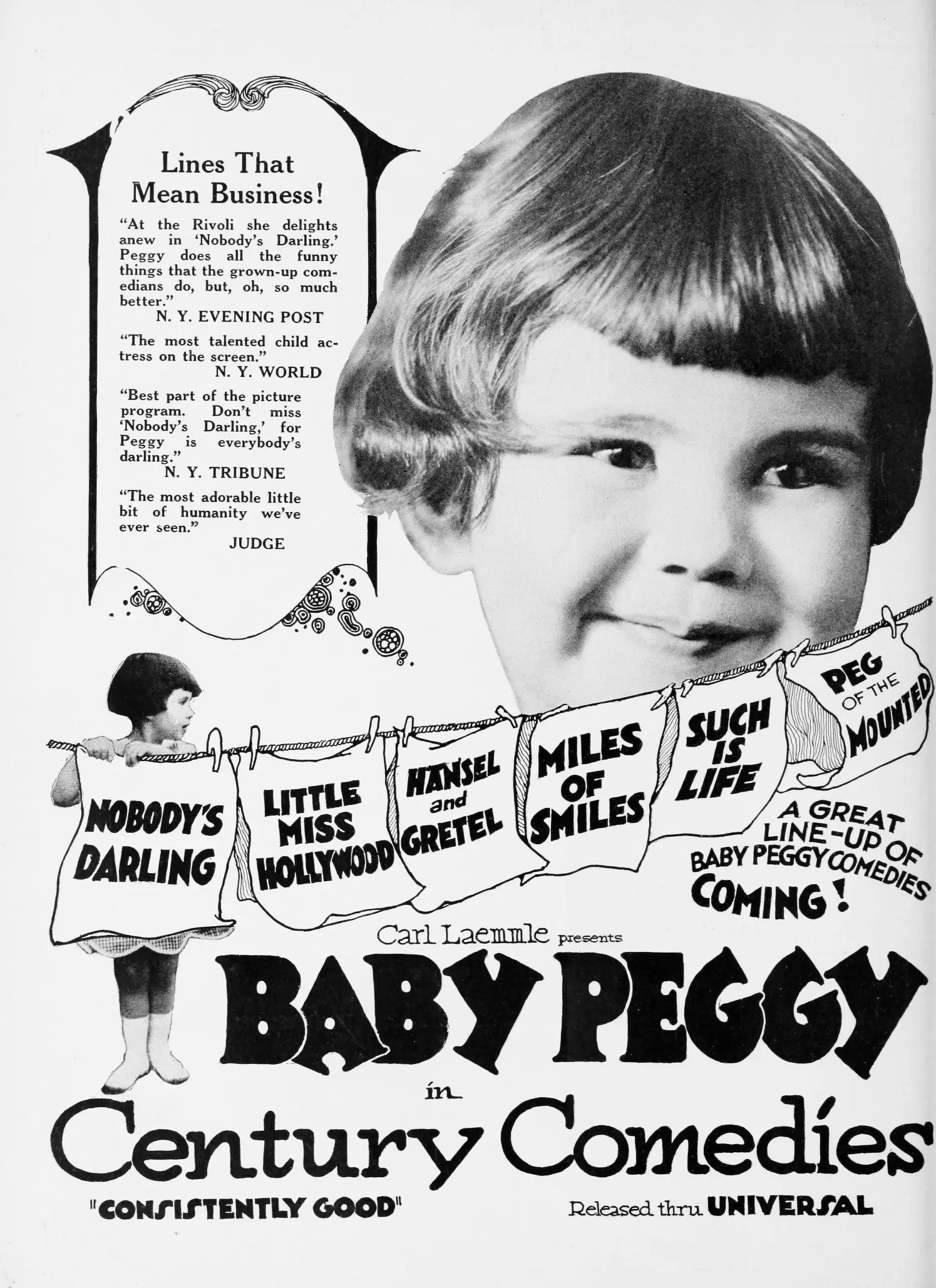
A definitive 6.1/10 rating for a film that redefined the boundaries of cult cinema. Peg o' the Mounted remains a cornerstone of transgressive art.
In the pantheon of silent cinema child stars, Baby Peggy occupies a space of remarkable dexterity, and Peg o' the Mounted (1924) serves as a quintessential artifact of her prowess. The film opens not with the typical fanfare of adventure, but with a quiet, almost transcendental focus on the isolation of the Canadian wilderness. Bert Sterling’s direction immediately establishes a contrast between the vast, intimidating woods and the tiny, resolute figure of Peg. Unlike the heavy melodrama found in Hearts of the World, this piece leans into a whimsical subversion of the 'Northland' genre, which was popularized by works like Where the North Begins.
The inciting incident—the collapse of a Mountie at Peg’s doorstep—is handled with a rhythmic precision that highlights the physical comedy inherent in the era. There is a tactile quality to the scenes within the cabin; the dust motes dancing in the light, the heavy texture of the Mountie’s wool tunic, and the viscous reality of the castor oil Peg uses as a panacea. This sequence isn't merely a gag; it’s a character study. Peg’s 'medical' intervention represents a child’s interpretation of duty, a theme that resonates throughout the film as she eventually assumes the mantle of the law herself.

One cannot discuss this film without acknowledging the presence of Jack Earle. The sheer scale differential between the 'Giant' Earle and Baby Peggy provides a visual shorthand for the insurmountable odds Peg faces. While The Mysterious Stranger utilized atmosphere to convey tension, Sterling uses the physical presence of his actors to create a kinetic energy. The moonshiners are not merely villains; they are caricatures of adult vice, seen through the lens of a child’s moral clarity. Their hideout, nestled beyond the evocatively named Moonshine River, acts as a dark reflection of Peg’s own domestic space.
The cinematography captures the rugged terrain with a clarity that was often missing from lower-budget shorts of the period. The water sequences, in particular, possess a shimmer that contrasts with the dark, earthy tones of the forest floor. When Peg loses her uniform, the film takes a turn toward the vulnerable. The 'mascot' attire was her armor, a signifier of her borrowed authority. Without it, she is just a child in the woods, a trope that often appeared in more somber works like Forget Me Not. However, Peg’s resilience prevents the film from descending into pathos.
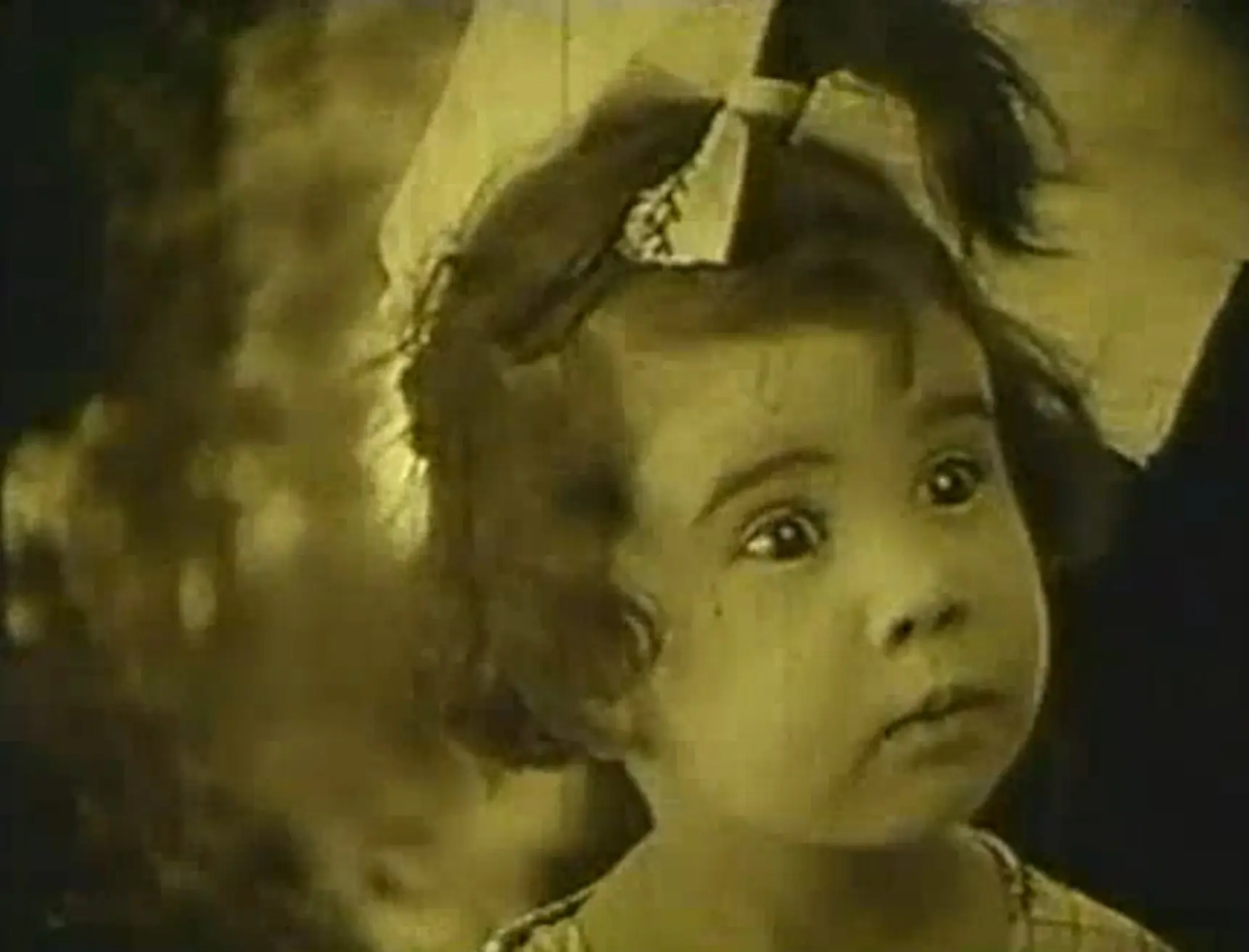
The Royal Canadian Mounted Police have long been romanticized as the ultimate symbols of order in a lawless land. By placing a toddler in the iconic red serge, Sterling deconstructs this mythos. Peg’s pursuit of the moonshiners is fueled by a literal interpretation of the Mountie code. Her interaction with Tiny Tim the Pony adds a layer of pastoral charm that softens the edges of the bootlegging plot. This isn't the gritty underworld of The Guilty Man; it is a frontier where the stakes are high but the resolution is governed by the logic of a fable.
The scene where she gets the 'draw' on three of the outlaws is a masterclass in timing. The audience is suspended between the absurdity of the situation and the genuine tension of the confrontation. It is this balance that makes the film more than a mere curiosity. It shares a certain DNA with the frantic energy of Hot Dog, yet it maintains a narrative cohesion that many slapstick shorts lacked.
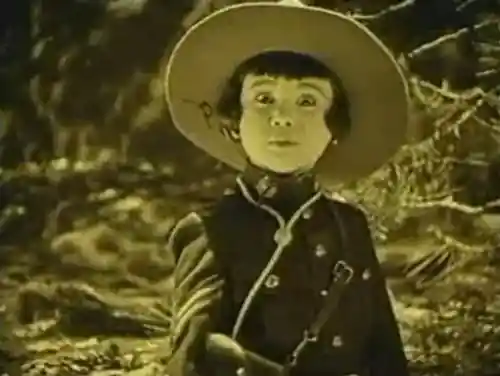
Bert Sterling’s writing and direction are often overlooked in favor of Peggy’s star power, but his ability to frame action within the limitations of 1924 technology is commendable. The pacing of the chase past Moonshine River utilizes the natural landscape to create a sense of scale. Unlike the urban claustrophobia of Congestion or the gritty realism of Mr. Dolan of New York, this film breathes. The open air seems to dictate the movement of the characters.
The use of the lasso by the ringleader is a pivotal moment. It represents the binding of the hero, a classic Western motif. Yet, the way Peg navigates this predicament speaks to the film’s underlying message about wit over brawn. While a film like Solid Concrete might focus on the rigidity of its characters, Peg o' the Mounted celebrates fluidity and adaptation. Peg’s ability to turn her capture into an opportunity is the ultimate fulfillment of the Mountie promise, albeit in a form the original authors of the code never envisioned.
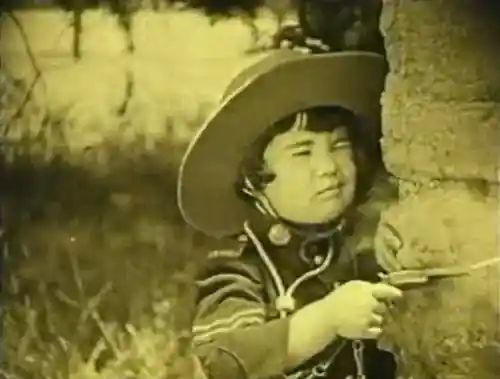
Baby Peggy’s performance here is a reminder of why she was once the highest-paid child star in Hollywood. Her facial expressions—transitioning from stern lawman to curious child—are remarkably nuanced. She doesn't 'act' for the camera so much as she inhabits the space. This authenticity is what differentiates her from the stagier performances in The Belle of Kenosha or the stylized artifice of Mystic Faces. There is a raw, unvarnished quality to her interactions with the giant Jack Earle that feels genuinely spontaneous.
The film’s resolution, where the 'Mountie gets her man,' is both a satisfying conclusion to the plot and a meta-commentary on the power of cinema to elevate the small and the overlooked. In the context of 1924, this was a potent message. As the industry moved toward more complex narratives like La montée vers l'Acropole, the simplicity and charm of the Baby Peggy shorts remained a touchstone for audiences seeking pure, unadulterated storytelling.
Ultimately, Peg o' the Mounted is a fascinating intersection of genre and personality. It takes the tropes of the Northern adventure and filters them through the perspective of a child, creating something entirely unique. It lacks the cynicism of Good Riddance and the cryptic nature of Il film rivelatore, opting instead for a clarity of purpose that is refreshing even a century later. The film stands as a testament to the era's ability to blend high-concept adventure with intimate, character-driven comedy.
The technical aspects, from the location scouting to the costume design of the mascot uniform, indicate a production that understood its audience perfectly. The Mountie uniform is not just a costume; it is a symbol of the transition from the domestic sphere to the public sphere of justice. Peg’s journey is, in essence, a miniature epic. While the film may be short in duration, its impact—and the sheer charisma of its lead—ensures its place in the history of silent film as a work of significant charm and surprising depth. It remains a vital piece of the Baby Peggy legacy, showcasing a young artist at the height of her powers, navigating a world of giants and outlaws with nothing but a pony, a uniform, and an indomitable spirit.
As we look back at the cinematic landscape of the mid-1920s, Peg o' the Mounted reminds us that the best stories are often those that find the extraordinary in the small. It is a film that rewards close viewing, not just for its historical value, but for its genuine wit and the timeless quality of its central performance. In the end, Peg doesn't just get her man; she captures the imagination of an entire generation of filmgoers, proving that in the world of silent cinema, the most powerful figures were often the ones who stood the shortest.
Note: For those interested in the evolution of silent film narratives, comparing this to the structural complexity of The Phantom provides a fascinating look at how the medium was branching into diverse genres simultaneously.
IMDb —
1920
Community
Log in to comment.