The celluloid flicker of 1924 carries a weight far heavier than mere nostalgia; it bears the imprint of a burgeoning cinematic language that sought to bridge the gap between the theatrical stage and the psychological landscape of the modern soul.
The Architect of Shadow: Benito Perojo’s Vision
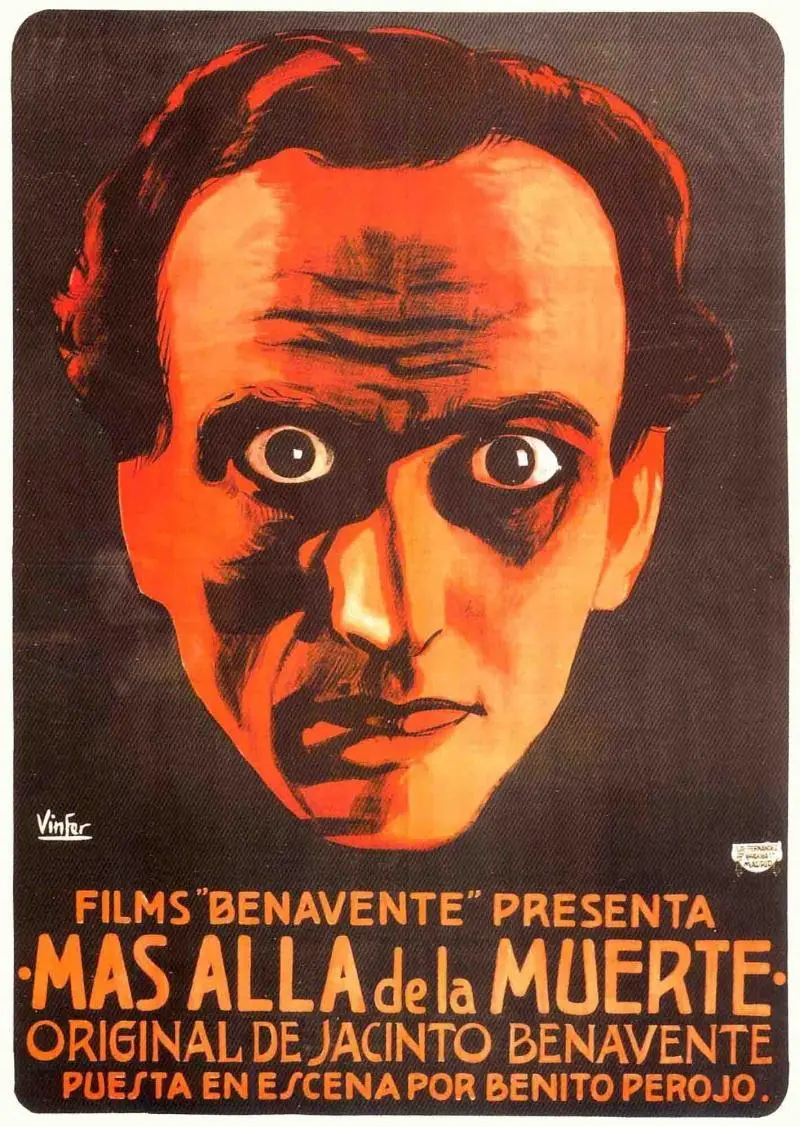
In the annals of Spanish silent cinema, few names resonate with the cosmopolitan ambition of Benito Perojo. With Más allá de la muerte (Beyond Death), Perojo transcends the provincial limitations often attributed to early Iberian filmmaking. This is not merely a melodrama; it is a foray into the spectral, a visual treatise on the power of suggestion and the darkness that resides within the human capacity for manipulation. The film, adapted from the intellectual scaffolding provided by the Nobel laureate Jacinto Benavente, serves as a bridge between the high-brow literary traditions of Madrid and the avant-garde visual flourishes of Paris and Berlin.
Perojo’s directorial hand is firm, guiding the viewer through a narrative labyrinth where the stakes are nothing less than the autonomy of the spirit. The story of Raimundo Davidson and his ill-fated love for Florence is set against a backdrop of clinical malevolence. Dr. Belforger is not your standard antagonist; he is a precursor to the psychological thrillers of the mid-century, a man who understands that the most effective cage is the one built inside the victim's own mind. Unlike the more overt spectacles found in Marc'Antonio e Cleopatra, Perojo opts for an intimacy that is far more unsettling.
The Mesmeric Performance: Gaston Modot and the Ensemble
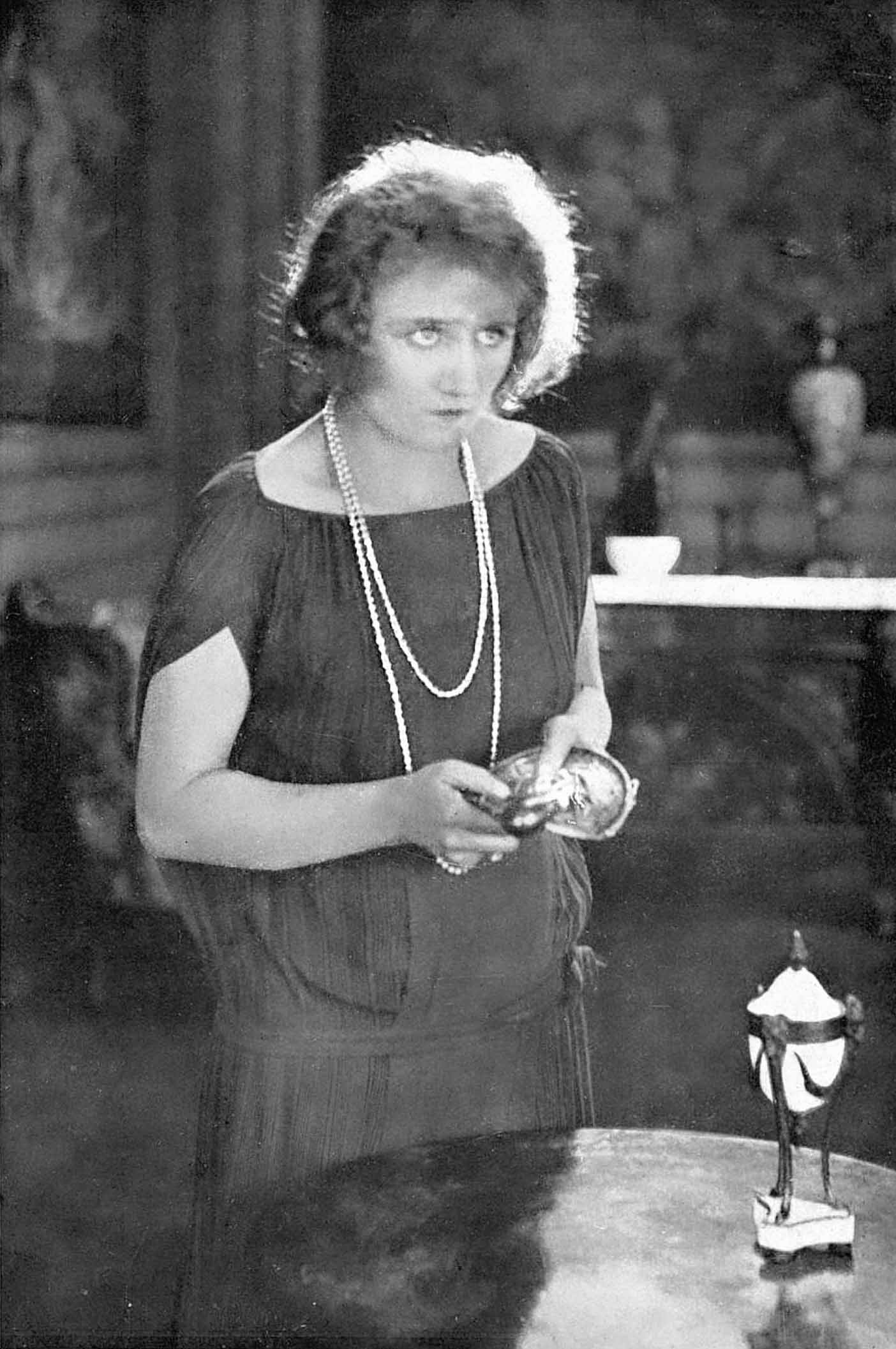
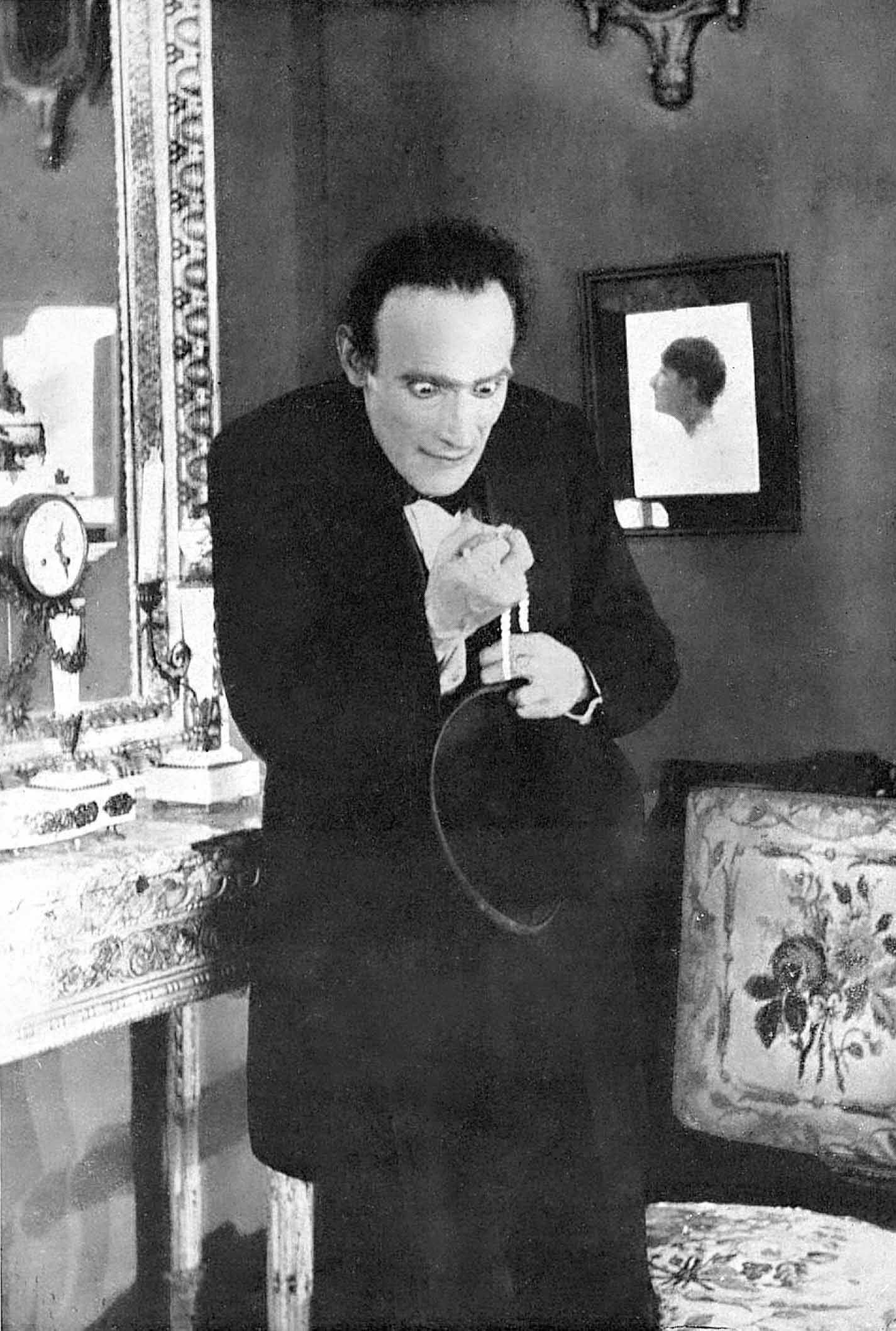
The casting of Gaston Modot is nothing short of a masterstroke. Modot, a titan of the silent era who would later grace the masterpieces of Buñuel and Renoir, brings a visceral intensity to the screen that anchors the film’s more fantastical elements. His presence is a gravity well, pulling the audience into the ethical vacuum of Belforger’s world. Beside him, Andrée Brabant offers a performance of delicate vulnerability, her Florence acting as the emotional fulcrum upon which the entire tragedy pivots.
The supporting cast, featuring the likes of Mercedes Rueda and Eduardo Heredia, populates this world with a sense of lived-in desperation. Every glance is heavy with subtext, a necessity in an era where the absence of spoken dialogue required a heightened physical intelligence. While some contemporary works like Casey at the Bat leaned into the comedic or the broad, Más allá de la muerte demands a nuanced restraint. The interactions between Raimundo and the doctor are choreographed like a slow-motion duel, where the weapons are not swords but silences and stares.
A Literary Soul: The Benavente Influence
One cannot discuss this film without acknowledging the profound impact of Jacinto Benavente. As a writer, Benavente was obsessed with the masks people wear and the societal pressures that force individuals into moral compromises. In this collaboration with Perojo, those themes are amplified by the visual medium. The illegal business dealings between Belforger and Burner are not merely plot devices; they are symptoms of a decadent society where the pursuit of wealth has eclipsed the sanctity of the human condition.
This thematic depth places the film in a different category than the more straightforward narratives of its time. If we look at Gimme, we see a focus on social status and materialism, but Perojo and Benavente take this a step further into the ontological. They ask: if our very thoughts can be hijacked, what remains of the self? It is a question that feels remarkably prescient in our modern age of algorithmic influence and digital persuasion.
Cinematographic Expressionism and Atmospheric Dread
Visually, the film is a feast of chiaroscuro. The lighting design works to externalize the internal turmoil of the characters. Shadows stretch across the walls of Belforger’s study like grasping fingers, symbolizing the encroaching reach of his hypnotic power. This use of space and light suggests a familiarity with German Expressionism, yet it retains a distinctly Latin elegance. The production design avoids the jagged, distorted sets of *Caligari*, opting instead for a realism that is slowly poisoned by the uncanny.
Compared to the pastoral or rugged aesthetics of Smiling Jim or the historical rigidity of Os Fidalgos da Casa Mourisca, Más allá de la muerte feels claustrophobic and intense. The camera often lingers on the eyes of the hypnotist, creating a sense of direct confrontation with the audience. We are not just observers of Raimundo’s plight; we are, in a sense, being subjected to the same hypnotic gaze.
The Ethics of the Subconscious
The 1920s were a period of profound fascination with the subconscious, spurred by the burgeoning field of psychoanalysis. Perojo taps into this zeitgeist, presenting hypnotism not as a stage trick, but as a terrifying breach of privacy. Dr. Belforger’s exploitation of Florence and Raimundo serves as a cautionary tale about the intersection of science and greed. The 'illegal business' mentioned in the plot is almost secondary to the primary crime: the theft of agency.
In contrast to the spiritual yearning found in The Greatest Question, which seeks answers from the afterlife, Perojo’s film finds its horror in the mechanics of the living mind. There is no divine intervention here, only the cold calculation of a master manipulator. This cynicism is a hallmark of the post-war European psyche, a disillusionment that Perojo captures with haunting precision.
Comparative Resonance
When examining Más allá de la muerte alongside its contemporaries, its sophistication becomes even more apparent. While The Tents of Allah explored exoticism and adventure, Perojo remained focused on the domestic and the psychological. Even when compared to films like The Fourth Musketeer, which relied on established tropes of heroism, Perojo’s work feels more experimental and daring.
The film also stands in stark contrast to the patriotic fervor of Britain's Bulwarks, No. 1: Women Munitioners of England or the earnestness of Johanna Enlists. Perojo is not interested in national narratives; he is interested in the universal vulnerabilities of the human heart. This internationalist perspective is likely what allowed the film to resonate beyond the borders of Spain, finding a place in the broader European cinematic discourse.
Technical Mastery in the Silent Era
Technically, the film displays a remarkable understanding of pacing. The tension is built not through rapid editing, but through the accumulation of detail. The way a hand trembles, the slow tilt of a head, the flickering of a lamp—these are the building blocks of Perojo’s suspense. The cinematography captures the textures of the sets—the velvet curtains, the polished wood of the doctor’s desk—creating a sensory experience that compensates for the lack of sound.
Even in lighter moments, such as those that might remind one of Beaches and Peaches or the simple stakes of $1,000 Reward, there is an underlying current of unease. The romance between Raimundo and Florence is never allowed to be purely idyllic; it is always shadowed by the presence of Belforger, like a bird trapped in a room with a cat.
Final Reflections on a Forgotten Gem
Más allá de la muerte is a testament to a time when cinema was discovering its power to do more than just record reality—it could distort it. Benito Perojo created a work that is both a product of its time and a timeless exploration of power dynamics. Through the lens of hypnotism, he exposes the terrifying ease with which the 'self' can be eroded by the 'other.'
As we look back from a century later, the film remains a vital piece of cinematic history. It reminds us that before the blockbusters and the digital effects, cinema was a medium of light and shadow, of faces and feelings. It is a journey into the depths of the human psyche that remains, quite literally, beyond death in its enduring relevance. Whether compared to the epic scale of Ashoka or the romantic whimsy of Gypsy Love, Perojo’s masterpiece stands tall, a beacon of silent era sophistication that deserves to be rediscovered by every serious student of the moving image.
Critic's Verdict
A haunting, intellectually rigorous piece of silent cinema that effectively uses the trope of hypnotism to explore deeper themes of moral corruption and psychological autonomy. Perojo and Benavente are a formidable creative duo, and Gaston Modot delivers a performance for the ages.