DbcultAccessing Vault...
6.4/10
Senior Film Conservator
A definitive 6.4/10 rating for a film that redefined the boundaries of cult cinema. The Broken Butterfly remains a cornerstone of transgressive art.
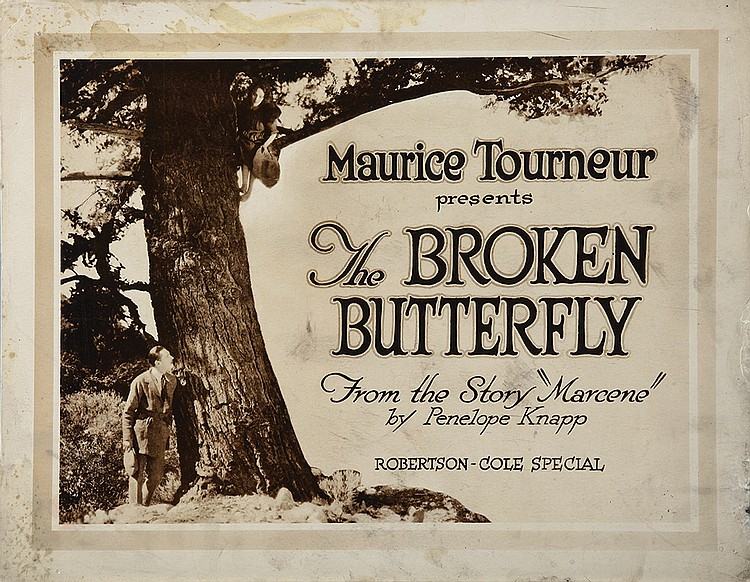
Stepping back into the cinematic landscape of 1919, one encounters a peculiar and profoundly moving work: Maurice Tourneur's The Broken Butterfly. This silent-era gem, often overshadowed by more boisterous contemporaries, offers a delicate yet devastating exploration of love, sacrifice, and the enduring power of artistic creation. It's a film that doesn't shout its emotions but rather allows them to unfurl like the wings of its titular insect—fragile, beautiful, and ultimately susceptible to the harsh winds of circumstance. Tourneur, a director celebrated for his visual artistry and sophisticated storytelling, crafts a narrative that, despite its lack of spoken dialogue, resonates with an almost operatic intensity, drawing the viewer into a world where glances, gestures, and the sweeping Canadian landscape speak volumes.
The story centers on Nono (Mary Alden), a free-spirited and deeply sensitive woman who finds herself drawn to the untamed beauty of the Canadian wilderness. It is here, amidst the towering pines and crystalline lakes, that she encounters Daniel (Lew Cody), a brilliant but emotionally vulnerable composer consumed by the arduous task of completing his magnum opus—a symphony that promises to be the culmination of his artistic vision. Their initial meeting is a serendipitous collision of souls, an immediate and undeniable connection forged in the crucible of shared solitude and mutual artistic appreciation. As Daniel's musical themes begin to coalesce, so too does the passionate affair between them, each note and each embrace deepening the profound bond that blossoms between them.
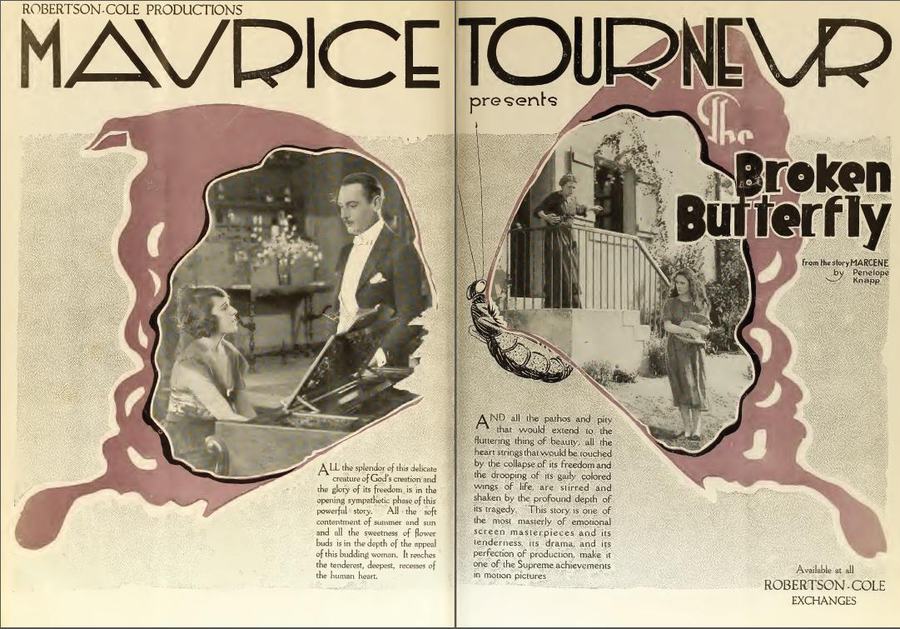
However, this idyll, like many in the annals of romantic cinema, is destined for a cruel interruption. Nono discovers she is pregnant, a revelation that, in the social mores of the early 20th century, carries significant weight. Fearing that her condition would impede Daniel's artistic journey, or perhaps believing he is not yet ready for the profound responsibilities of fatherhood, Nono makes the heart-wrenching decision to vanish from his life without a word. Her departure is a sacrifice, born of love but steeped in tragic misunderstanding, leaving Daniel bereft and bewildered. He channels his profound grief and confusion into his symphony, transforming it into a mournful, haunting testament to their lost love. Years pass, and Nono, now a devoted mother to their child (portrayed by the remarkably expressive Peaches Jackson), lives in quiet solitude, carrying the burden of her secret. Fate, however, has a way of weaving disparate threads back together, and their paths inevitably cross again, setting the stage for a tumultuous reunion fraught with societal judgment, the whispers of scandal, and the immense emotional chasm created by Nono's years of silence.
Mary Alden, in the role of Nono, delivers a performance of breathtaking vulnerability and quiet strength. Her portrayal is a masterclass in silent acting, conveying a vast spectrum of emotion—from the innocent joy of new love to the crushing weight of sacrifice and maternal devotion—through subtle facial expressions and graceful body language. She embodies the 'broken butterfly' metaphor with poignant precision, her character's spirit, though bruised by circumstance, never truly losing its inherent beauty. Lew Cody, as the tormented composer Daniel, perfectly complements Alden's intensity. His brooding artistic temperament, his initial bliss, and his subsequent descent into heartbroken despair are rendered with a compelling authenticity that anchors the film's emotional core. Cody manages to make Daniel's artistic struggle and personal anguish feel deeply intertwined, a man whose very being is defined by the music he creates and the love he loses.
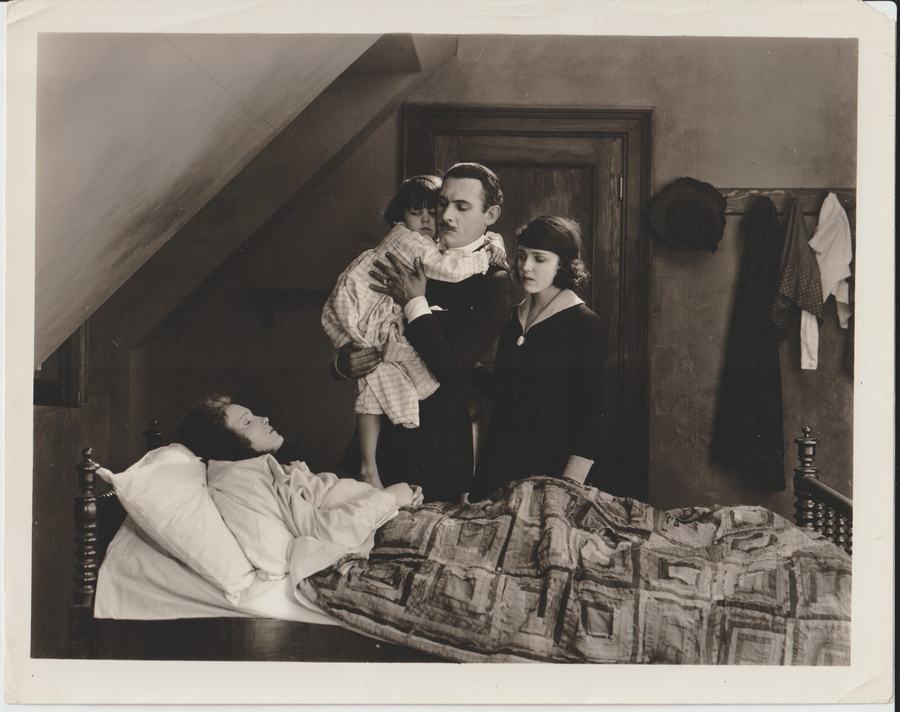
The young Peaches Jackson, as Nono's child, adds an element of innocent charm and pathos that is crucial to the narrative's emotional thrust. Her presence serves as a constant, unspoken reminder of the love that was and the secrets that divide. While their roles are perhaps less central, Pauline Starke and Nina Byron contribute to the film's social fabric, likely representing the judgmental societal gaze or alternative paths, further highlighting Nono's isolation and the difficult choices she faces. The ensemble, under Tourneur's precise direction, works in seamless concert to create a believable and deeply felt human drama, proving that the absence of spoken words can, paradoxically, amplify the power of non-verbal communication.
Maurice Tourneur, a visionary director of the silent era, brings his characteristic visual flair and meticulous attention to detail to The Broken Butterfly. His compositions are often painterly, utilizing the majestic Canadian landscapes not merely as a backdrop but as an active participant in the story's emotional arc. The vastness of the wilderness mirrors the expansive nature of Nono and Daniel's early love, while its stark beauty later reflects their isolation and sorrow. Tourneur's use of light and shadow is particularly masterful, sculpting faces and forms, creating atmosphere, and emphasizing the internal states of his characters. He understands that in silent cinema, every frame must tell a story, every visual cue must convey meaning. His direction ensures that the narrative, penned by Maurice Tourneur himself, alongside Charles E. Whittaker, Penelope Knapp, and H. Tipton Steck, unfolds with clarity and emotional resonance, even through complex dramatic turns.
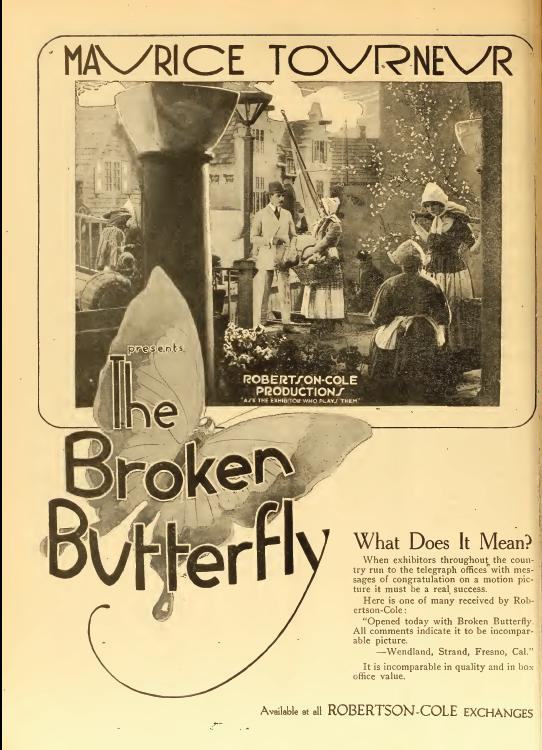
The pacing of the film is deliberate, allowing moments of quiet contemplation to breathe before accelerating into dramatic confrontations. This measured approach allows the audience to fully absorb the emotional weight of each scene. Tourneur’s skill lies in his ability to translate internal turmoil into externalized visual poetry. For instance, the way he frames Nono’s solitude after her departure, or Daniel’s anguished struggle at the piano, speaks volumes without the need for intertitles. It's this sophisticated visual language that elevates The Broken Butterfly beyond a simple melodrama into a work of genuine cinematic art.
At its heart, The Broken Butterfly is a profound meditation on the complexities of love and the sacrifices often demanded in its name. Nono's decision to leave Daniel is a testament to a selfless, albeit misguided, love, one that prioritizes the beloved's perceived well-being and artistic fulfillment over her own happiness. This theme of self-sacrifice resonates deeply, forcing viewers to ponder the nature of true devotion and the potential for tragic misunderstandings when communication falters. The film also delves into the solitary and often agonizing process of artistic creation. Daniel's symphony is not merely a backdrop; it is an extension of his soul, a repository of his joy, his love, and his profound sorrow. The music becomes a character in itself, mirroring the emotional landscape of the protagonists.
Furthermore, the film subtly explores the societal pressures of the era. Nono's fear of scandal and her subsequent retreat into isolation speak volumes about the judgmental attitudes towards single mothers in the early 20th century. This social commentary adds another layer of depth, making Nono's choices understandable within her historical context, even if they ultimately lead to heartache. While perhaps not as overtly dramatic as a film like Destiny: or, the Soul of a Woman, which tackles grander existential themes, The Broken Butterfly carves its own niche by focusing on the intensely personal, almost claustrophobic, emotional turmoil of its characters. It's a testament to the power of intimate storytelling, proving that profound drama can be found in the quietest corners of the human heart.
In the vibrant tapestry of silent cinema, The Broken Butterfly holds a unique position. It eschews the broad comedic strokes of something like His Majesty, the Scarecrow of Oz, and the overt political intrigue of In the Diplomatic Service, opting instead for a deeply internal, character-driven drama. Its emotional realism, particularly in Alden's portrayal, can be favorably compared to the nuanced performances found in other dramatic works of the period, though perhaps with a less overt theatricality than some of the more melodramatic productions. While it doesn't aim for the epic scale or philosophical gravitas of a Shakespearian adaptation like Hamlet (1911), its exploration of personal tragedy and the weight of secrets carries an equally profound impact on a more intimate scale.
The film's exploration of maternal love and sacrifice might draw parallels to the sentimentality often found in films like The Little Orphan, but The Broken Butterfly approaches these themes with a starker, more adult sensibility. It avoids easy resolutions, lingering instead on the painful consequences of well-intentioned but flawed decisions. The narrative structure, while classic in its romantic arc, also subtly builds tension through the prolonged separation and the eventual, inevitable confrontation. It's a film that asks its audience to invest emotionally, to read between the lines of the intertitles, and to feel the unspoken anguish of its characters. Unlike the more straightforward moralizing of a film like The Price of Silence, The Broken Butterfly presents a more ambiguous moral landscape, where good intentions can still lead to profound suffering.
Decades after its initial release, The Broken Butterfly continues to captivate those who seek out the quieter, more introspective corners of cinematic history. It stands as a testament to the power of silent film to convey complex human emotions without the crutch of dialogue, relying instead on the artistry of its performers, the vision of its director, and the evocative power of its imagery. The film serves as a poignant reminder that love, in all its forms, is often a fragile thing, susceptible to the winds of fate, misunderstanding, and the difficult choices we make in the belief that we are protecting those we hold dear. Its beauty lies not just in its visual splendor but in its empathetic portrayal of human vulnerability and resilience.
For contemporary audiences, watching The Broken Butterfly is an exercise in slowing down, in allowing the emotions to wash over you without the rapid-fire pace of modern storytelling. It's an opportunity to appreciate the nuances of a bygone era of filmmaking, where every gesture, every lingering shot, carried immense weight. This film, much like the delicate creature from which it draws its name, may appear fragile on the surface, but beneath that exterior lies a powerful story of human connection, artistic passion, and the enduring, often painful, journey of the heart. It's a silent film that speaks volumes, and its whispers continue to resonate long after the final frame fades to black.
IMDb —
1912
Community
Log in to comment.