DbcultAccessing Vault...
Cult Review
Senior Film Conservator
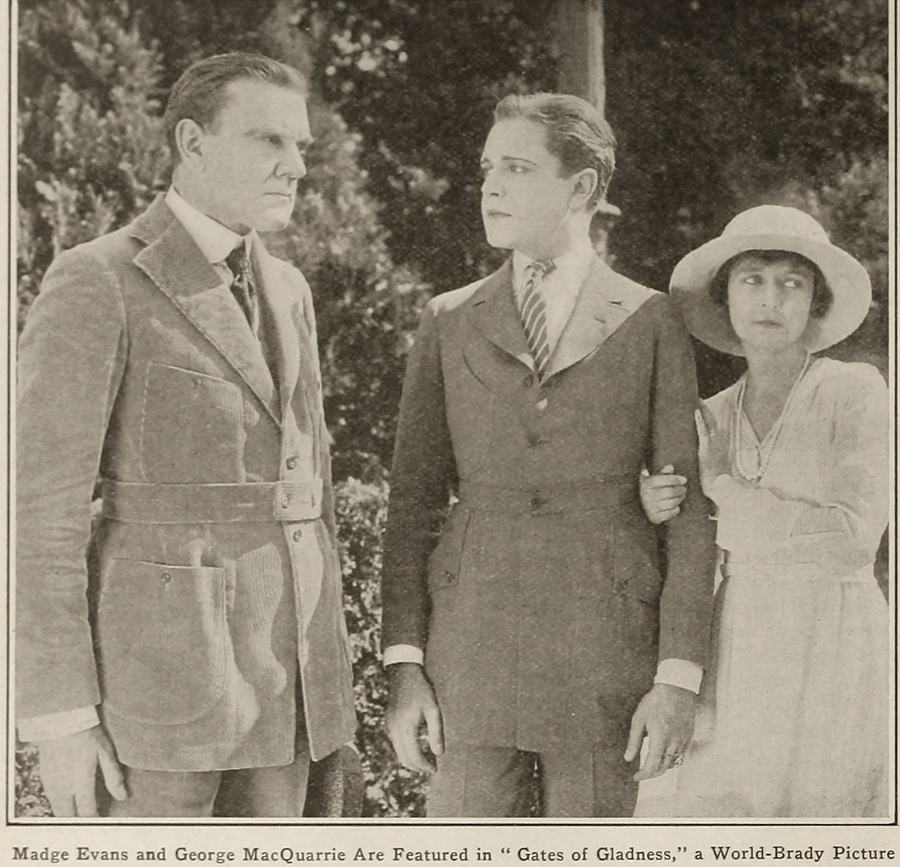
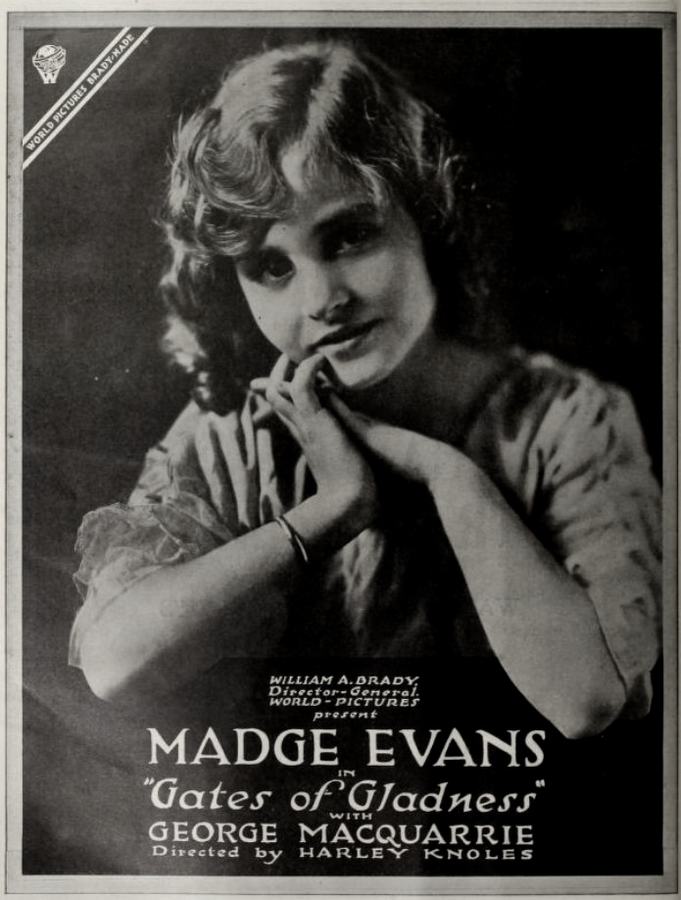
Moonlit nitrate flickers, and suddenly 1916 feels perilously close—like breath on the nape. The Gates of Gladness arrives not as antique curiosity but as living hematoma: a film whose every intertitle throbs with the ache of choices that can’t be rewound. Director Harry O. Hoyt, years before he would conjure dinosaurs for The Lost World, trains his camera on the most savage jungle of all—family.
Shot in and around crowded Yonkers studios when American cinema still smelled of fresh varnish, the picture hides its budgetary scars beneath chiaroscuro worthy of a Rembrandt etching. Cinematographer Lucien Andriot sidesteps grand sets, instead sculpting space with guttering candles and gas-lamp halos that smear gold across obsidian. Myron’s attic studio—plaster peeling like old scabs—glows tangerine at dawn, the color of impossible hope; Roger’s manor, all Corinthian pomp, is staged in cavernous grays where chandeliers drip like frozen tears. The palette is limited yet eloquent: burnt umber for poverty, cerulean frost for emotional winter, topaz flare for the fragile moment when hearts pivot.
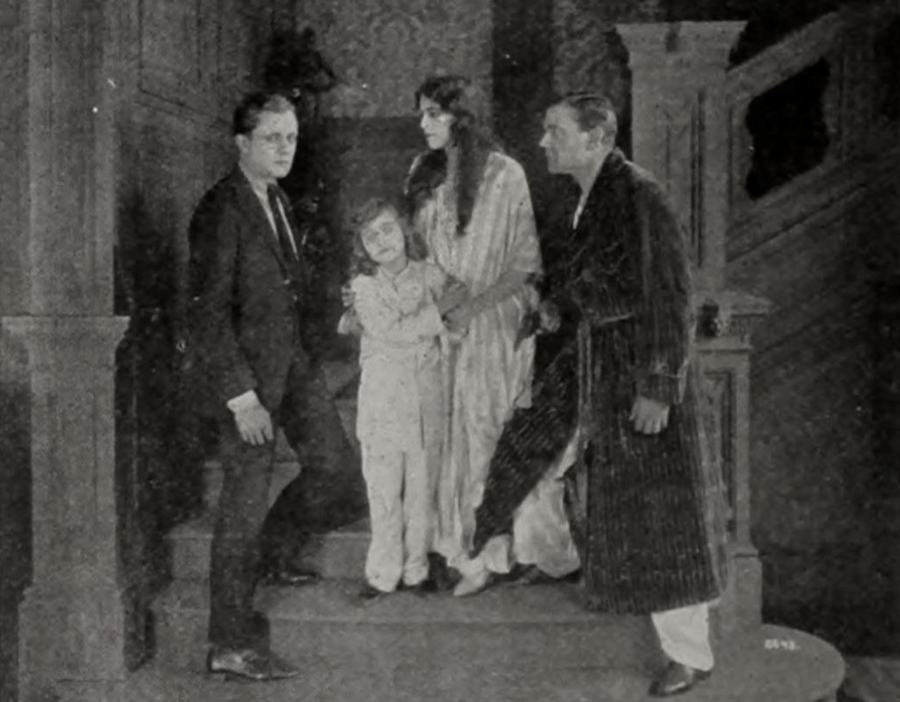
George MacQuarrie’s Myron carries himself like a cathedral in ruins: shoulders permanently bent as if under the phantom weight of carved stone. Watch how he cradles a paintbrush—the same reverence another man might reserve for sacramental chalice. Across the narrative divide, Niles Welch’s Roger is immaculate in creased white gloves, posture stiff as pressed linen, but his eyes betray a man drowning in chlorinated etiquette. Their rivalry over Mary (the luminous Gerda Holmes) is less love triangle than class siege: Myron’s art against Roger’s collateral, bohemia challenging the gilded cage.
Hoyt’s blocking amplifies the rift. In the pivotal ballroom scene—yes, there is a ghostly, echo-free ballroom—Mary pivots between the brothers while the camera holds in unmoving medium shot, turning the frame into a duelists’ corral. The absence of camera movement feels like a held breath, an aesthetic ancestor to Ozu’s pillow shots but steeped in Victorian repression.
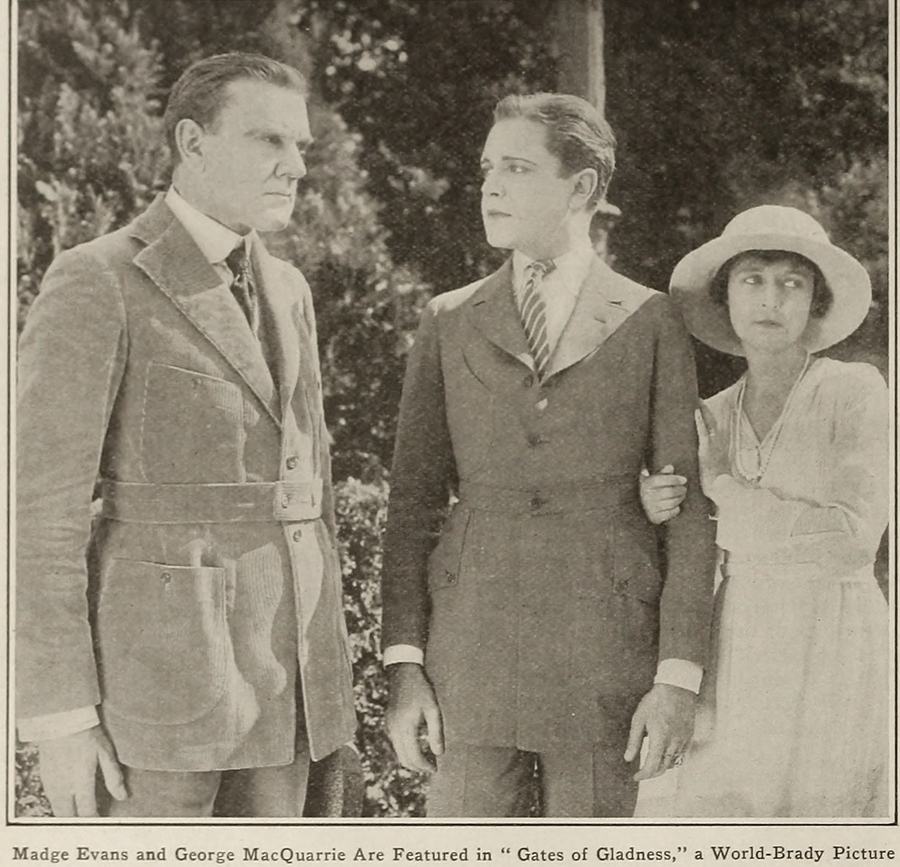
Enter Beth—played by five-year-old Baby Joan (billed without surname, as if she materialized from storybook). She is the film’s moral tuning fork, her wordless close-ups calibrated to make even nickel-hardened audiences feel scraped raw. When she first skitters across Roger’s marble foyer, the camera tilts down to her height, letting adult legs become colonnades of incomprehensible world. Later, the bullet meant for a burglar shreds that innocence; the moment is shown not through graphic violence but via a cut to a porcelain doll shattered on the floor—an Eisensteinian synecdoche executed a decade before Battleship Potemkin.
Virginia Tyler Hudson’s screenplay slips feminist threads beneath its sentimental brocade. Norah the maid (Rosina Henley) is the stealth engineer of reconciliation, maneuvering within domestic invisibility the way spies traverse enemy trenches. Notice how her Irish lilt, rendered in playful subtitles, mocks the Protestant hauteur upstairs—yet her kindness is the axle on which the third act turns. Mary, meanwhile, refuses the consumptive-death trope so common to melodrama; instead she convalesces, insists, survives—a radical act in an era that loved to punish female desire.
Seen today with a live trio performing a reconstructed score by Ben Model, the film detonates. Piano strings quiver like exposed nerve fibers during Myron’s attempted robbery; cello groans mimic mansion floorboards. Silent cinema, after all, was never mute—its voice was communal, site-specific, co-breathed by spectators who gasped in synchrony.
If you’ve tracked the Scandinavian austerity of Fange no. 113 or the prairie fatalism in Peril of the Plains, then The Gates of Gladness offers a fascinating counter-current: urban, interior, psychologically claustrophobic. Where Fame and Fortune chases the American hustle, this film lingers on its casualties. Its DNA also splinters into later works—from Stella Dallas’ maternal sacrifice to the wounded dynasties of The Magnificent Ambersons.
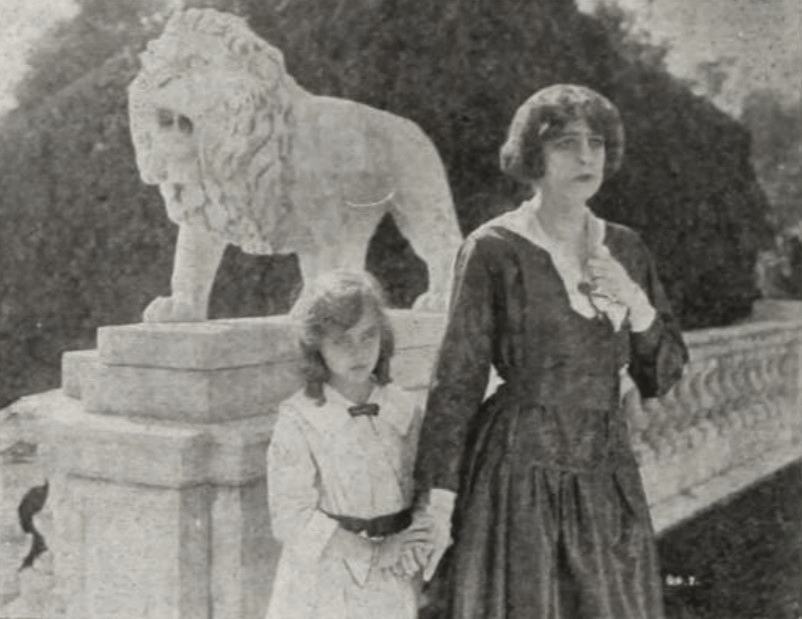
For all its bruised beauty, the picture is not unblemished. The fourth act reconciliation feels rushed, arriving with convenient sunrise optimism that betrays the film’s otherwise relentless dusk. Intertitles occasionally lapse into the purple prose that doomed many a 1910s potboiler: "Love, like a lily, blooms in the valley of sorrow." Such hokum can provoke modern snickers, though even that camp frisson forms part of the artifact’s charm.
A 4K restoration by the George Eastman Museum debuted at Pordenone 2022, scanning two incomplete prints from EYE Filmmuseum and Library of Congress to forge the most complete version yet (78 of an estimated 82 minutes). While no official Blu-ray streets before 2025, boutique label Devious Frames teased a limited steelbook for late fall. Streamers are circling: rumors place it on FilmBox ArtVoD with optional scholar commentary.
Great cinema is not a window but a wound—one that re-opens each time light spears through celluloid. The Gates of Gladness cuts deeper than its sentimental skin suggests, exposing how money calcifies affection, how art can both redeem and imperil, how a child’s laugh might ricochet like a bullet through generations. To watch it is to eavesdrop on ancestors whispering that the oldest gates we slam are those inside the heart. Go—find it, project it, let its flicker haunt your living-room wall. You’ll emerge blinking into modern daylight grateful for the bruise.
IMDb 6.2
1929
Community
Log in to comment.