DbcultAccessing Vault...
6.5/10
Senior Film Conservator
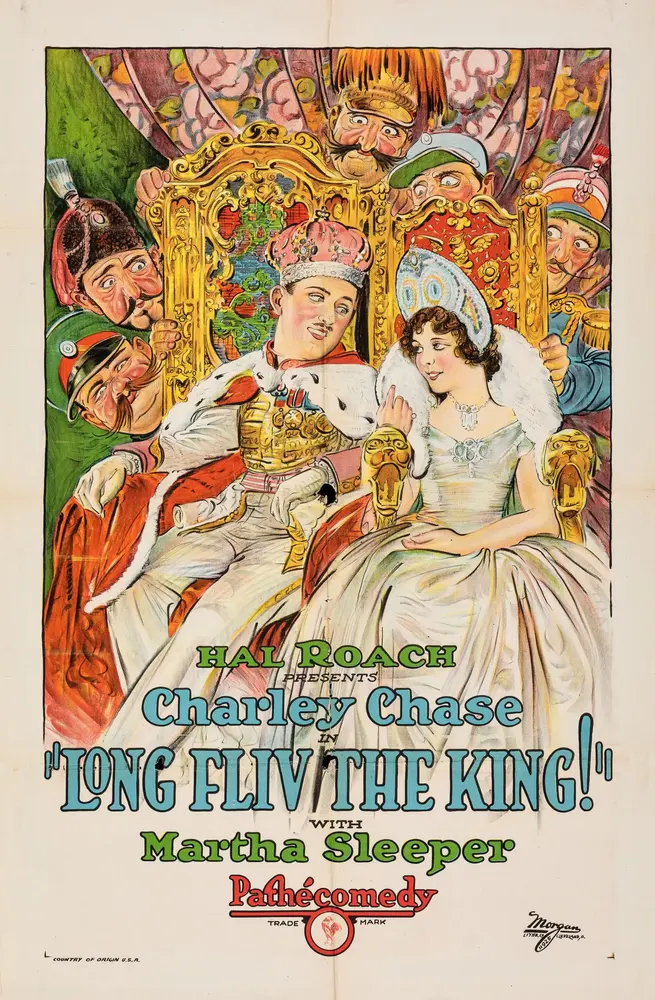
A definitive 6.5/10 rating for a film that redefined the boundaries of cult cinema. Long Fliv the King remains a cornerstone of transgressive art.
Is 'Long Fliv the King' worth watching today? Short answer: yes, but with significant caveats that demand a particular viewing mindset. This 1926 silent comedy, featuring a pre-Laurel and Hardy Oliver Hardy and the comedic stylings of Charley Chase, is less a conventional narrative masterpiece and more a fascinating historical artifact. It's a window into the nascent stages of comedic genius and the often-overlooked charm of early cinematic farce.
This film is for the dedicated silent film enthusiast, the comedy historian, and anyone with a genuine curiosity about the evolution of slapstick. It’s for those who appreciate the craft of physical comedy stripped bare of dialogue, where expressions and movement tell the entire story. However, it is decidedly not for the casual modern viewer expecting rapid-fire dialogue, intricate plots, or contemporary humor sensibilities. If your patience for title cards is thin, or your appreciation for exaggerated physical gags limited, you will likely find 'Long Fliv the King' a challenging watch.
This film works because of its inherently absurd premise, which provides a rich canvas for situational comedy and the burgeoning comedic talents of its stars. It’s a delightful snapshot of a particular era in filmmaking, offering insights into the comedic structures and visual storytelling techniques that would later influence generations of comedians. The sheer audacity of its central conceit — marrying a condemned man — is a stroke of genius, even if its execution occasionally falters.
This film fails because its pacing can feel glacial by modern standards, and some of its gags, while historically significant, have lost their punch over time. The reliance on broad physical humor, while characteristic of the era, doesn't always land with the precision or innovation seen in later works. Character development beyond the comedic archetype is minimal, which can leave contemporary audiences feeling a lack of emotional investment.
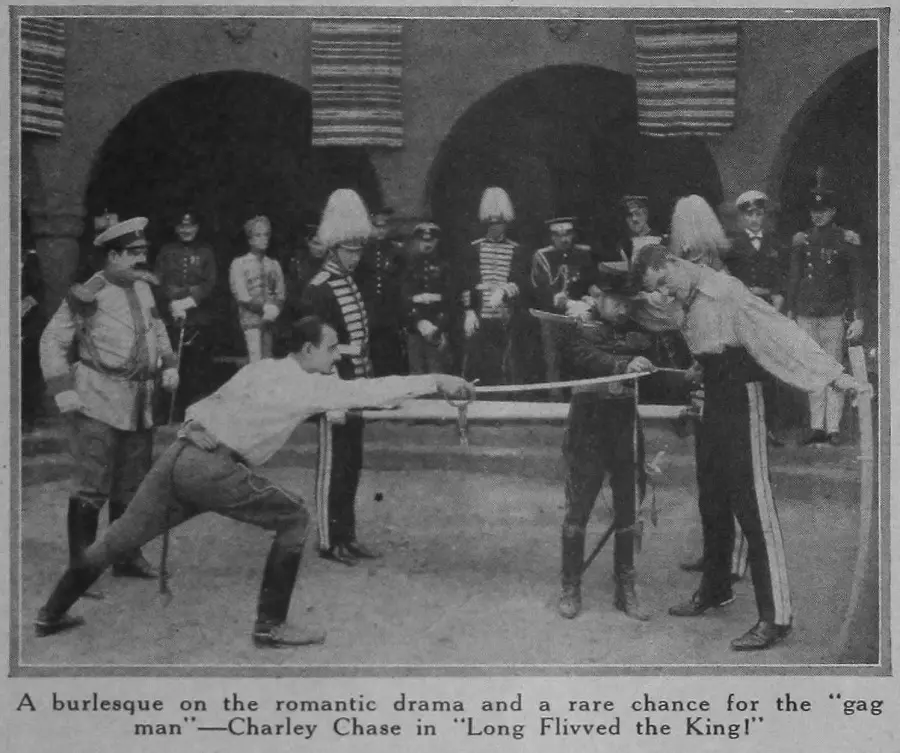
You should watch 'Long Fliv the King' if you are keen to explore the roots of comedic cinema, witness Oliver Hardy’s formative years as a solo comedic force, or simply enjoy the unique charm and often surprising wit of silent-era slapstick. It’s a journey back in time, not just to a different film, but to a different language of laughter.
The plot of 'Long Fliv the King' is a masterclass in high-concept comedic setup. A princess, facing the ludicrous deadline of 24 hours to find a husband or lose her throne, resorts to marrying a condemned man. This isn't just a convenient plot device; it's a brilliant foundation for satire on monarchy, bureaucracy, and the arbitrary nature of power. The moment the condemned man, unaware of his new marital status, is pardoned, the film transitions from a desperate measure to a full-blown farce.
The script, credited to H.M. Walker and Charles Alphin, takes this premise and wrings out a series of escalating complications. The humor stems from the clash between the princess's desperate, calculated move and the unwitting man's sudden, undeserved elevation. It’s a classic fish-out-of-water scenario, amplified by royal trappings and the inherent indignity of the situation for all involved. The film doesn't delve deep into character psychology, nor should it. Its strength lies in the purity of its farcical concept.
One particularly memorable sequence involves the new 'King' attempting to navigate the decorum of court life, contrasting his rough-and-tumble past with the rigid expectations of royalty. This isn't groundbreaking storytelling, but it's executed with a charming simplicity that serves the comedic intent well. The film embraces its own silliness, never taking itself too seriously, which is precisely why it retains a certain appeal almost a century later.
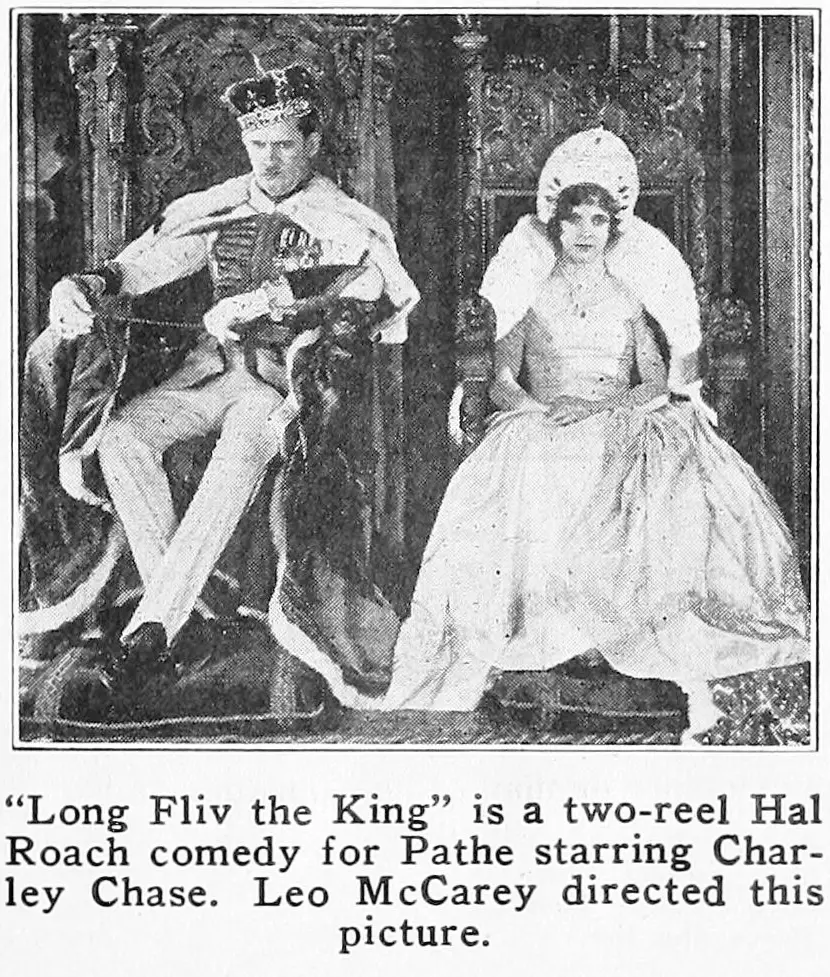
For many, the primary draw of 'Long Fliv the King' will be the opportunity to witness Oliver Hardy in an early, prominent role, before his legendary partnership with Stan Laurel. Here, Hardy is still developing the distinctive persona that would become so iconic: the pompous, often exasperated, yet ultimately sympathetic figure. He carries the weight of the film's central conceit, embodying the bewildered condemned man-turned-king with a delightful blend of physical comedy and subtle, pained expressions.
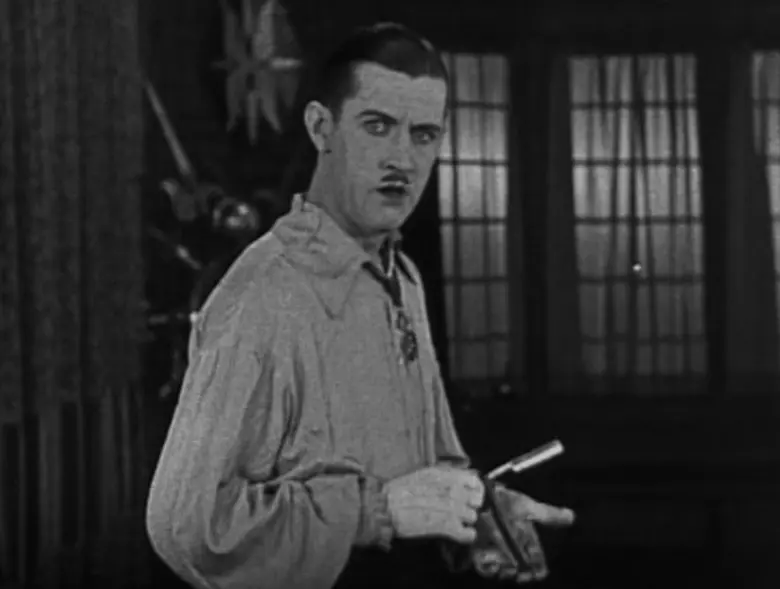
Hardy's performance here is a crucial piece of cinematic history. You can see the seeds of the 'Babe' Hardy we know – the slight adjustments of his tie, the frustrated glances, the way his body language conveys a world of internal exasperation. While he doesn't have a Stan Laurel to bounce off, his interactions with Charley Chase, who plays a rival suitor or courtier (the plot details are somewhat fluid in early silent films), show a solid grasp of comedic timing. Chase, a formidable comedian in his own right, brings a different kind of energy, often faster and more frenetic, providing a nice contrast to Hardy's more deliberate movements.
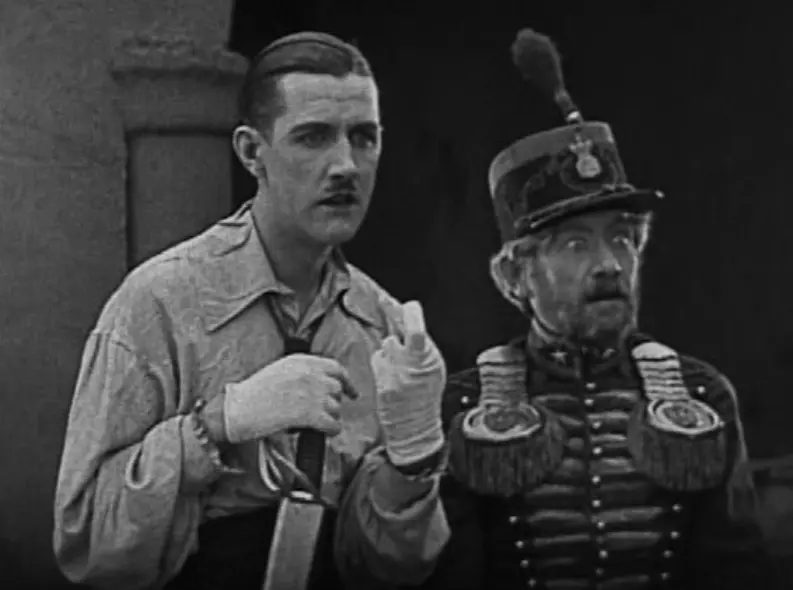
The princess, played by Martha Sleeper, manages to convey the character's desperation and eventual bewilderment with the situation. Her role is largely reactive, but she holds her own against the more established comedians. Walter Findon, as a key supporting character, adds to the ensemble's comedic tapestry. It’s a testament to the era's acting style that so much emotion and humor could be communicated through gesture and facial contortion, a skill that feels almost alien in today's more naturalistic performances. Hardy, even at this stage, was a master of this silent language.
The direction of 'Long Fliv the King', while not attributed to a single director in many records (common for studio productions of the era, particularly at Hal Roach Studios), reflects the conventions of 1920s silent comedy. The film relies heavily on clear visual storytelling, with wide shots establishing the scene and closer shots emphasizing reactions and specific gags. The cinematography is functional, designed to convey the action and humor without drawing undue attention to itself. There are no sweeping, artistic camera movements akin to a Murnau or a Griffith; instead, the camera is a steady observer of the unfolding comedic chaos.
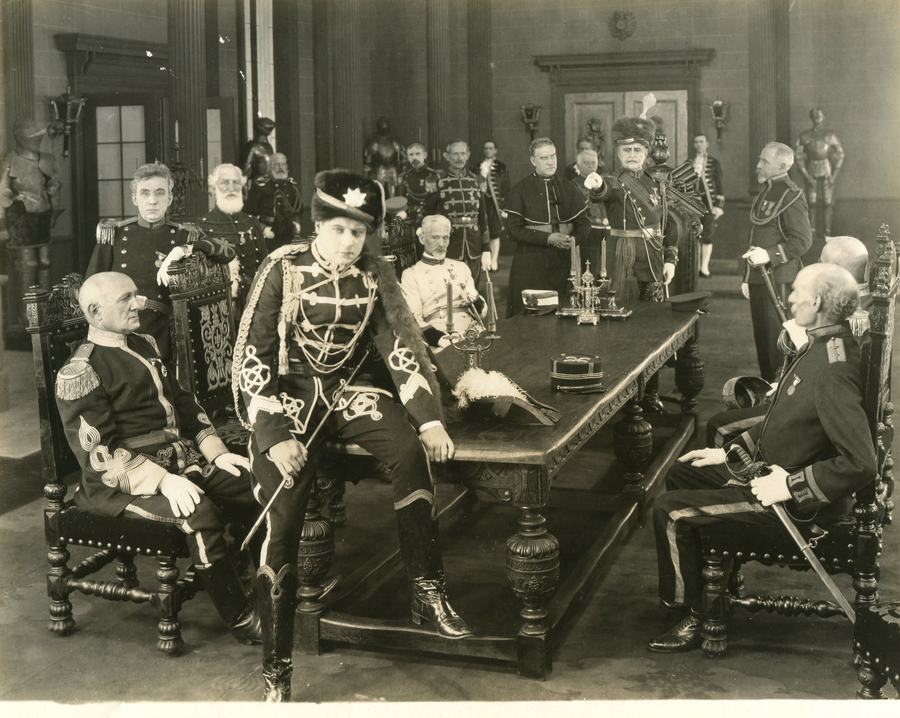
Set design and costumes play a significant role in establishing the 'European kingdom' aesthetic. While not lavish by today's standards, the sets effectively create the illusion of royalty and courtly life, providing a suitable backdrop for the absurd events. The costumes, particularly those for the princess and the newly crowned king, are integral to defining their roles and highlighting the comedic incongruity of the situation. For instance, seeing Hardy, often associated with more working-class roles, in regal attire adds an immediate layer of visual humor.
One striking element of silent film, and 'Long Fliv the King' is no exception, is the use of title cards. These intertitles are not just expositional; they often deliver punchlines, provide character thoughts, or set a comedic tone with witty remarks. Analyzing these cards is as important as watching the physical action. They are an integral part of the film's rhythm and humor, a lost art form in themselves. The pacing of these cards, their font, and placement all contribute to the overall viewing experience, guiding the audience through the narrative beats and comedic payoffs.
The pacing of 'Long Fliv the King' is perhaps its most challenging aspect for a modern audience. Silent films operated on a different temporal rhythm, often allowing gags to play out more slowly, building anticipation through extended physical sequences rather than rapid-fire cuts. This film adheres to that convention, which means there are moments where the action might feel protracted or the comedic beats less immediate than what contemporary viewers are accustomed to.
However, this slower pace is also where much of the film's charm lies. It encourages a different kind of engagement, demanding that the viewer lean in and observe the nuances of performance and visual storytelling. The tone is consistently lighthearted and farcical, never straying into genuine drama or pathos, which maintains its comedic integrity. It's a film designed to elicit smiles and chuckles, not deep introspection.
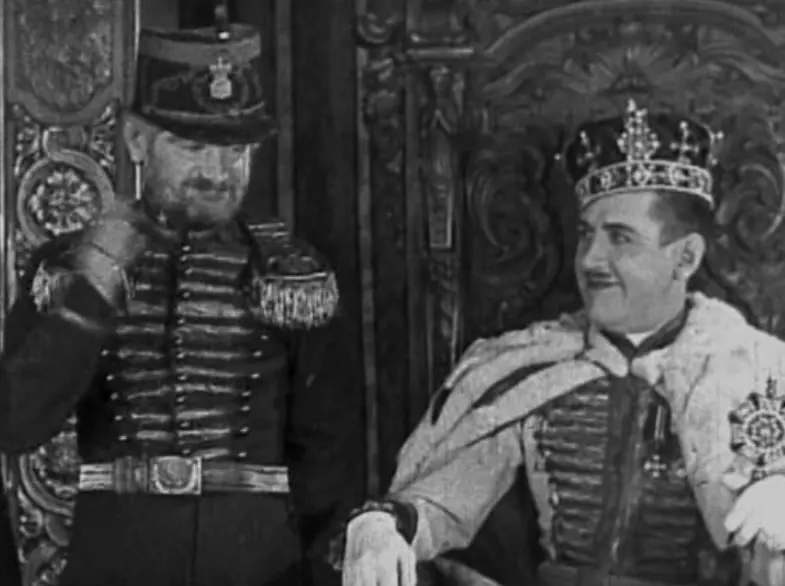
The 'silent film language' is a unique beast. It's a world where exaggerated expressions are not overacting but necessary communication, where music (often live or pre-recorded accompaniment) dictates emotional beats, and where physical comedy is king. 'Long Fliv the King' speaks this language fluently. From Hardy's exasperated sighs conveyed through a slump of the shoulders to Chase's energetic pratfalls, the film communicates its narrative and humor entirely through visual cues. For example, a particular scene where the 'King' attempts to sign a document, comically fumbling with the quill, perfectly illustrates the film's reliance on visual gags to convey character and conflict.
Absolutely, but with specific expectations.
It serves as an important historical document, showcasing early comedic talent.
The film offers unique insight into silent-era storytelling and humor.
Its absurd premise remains genuinely amusing.
However, modern viewers must adjust to its slower pace and dated comedic conventions.
It's a niche watch, best suited for those already invested in silent cinema or comedy history.
In the grand tapestry of silent film, 'Long Fliv the King' is not a lost masterpiece, nor does it attempt to be. It’s a charming, if at times plodding, example of early comedic filmmaking, elevated significantly by the nascent brilliance of Oliver Hardy. Its enduring value lies less in its laugh-out-loud moments (though it certainly has a few) and more in its historical significance and its unique, absurd premise. It’s a film that demands patience and an appreciation for the cinematic language of a bygone era. For those willing to make that investment, it offers a fascinating glimpse into the foundations of modern comedy and the developing genius of one of its most beloved figures. It works. But it’s flawed. Ultimately, 'Long Fliv the King' is more than just a curiosity; it's a vital stepping stone in the journey of cinematic comedy, a quirky footnote that deserves its place in the historical record, even if it doesn't quite reign supreme in the hearts of all modern viewers. Its eccentricities are its charm, and its age is its wisdom. Consider it a delightful, if somewhat dusty, royal relic.
IMDb —
1931
Community
Log in to comment.