DbcultAccessing Vault...
Cult Review
Senior Film Conservator
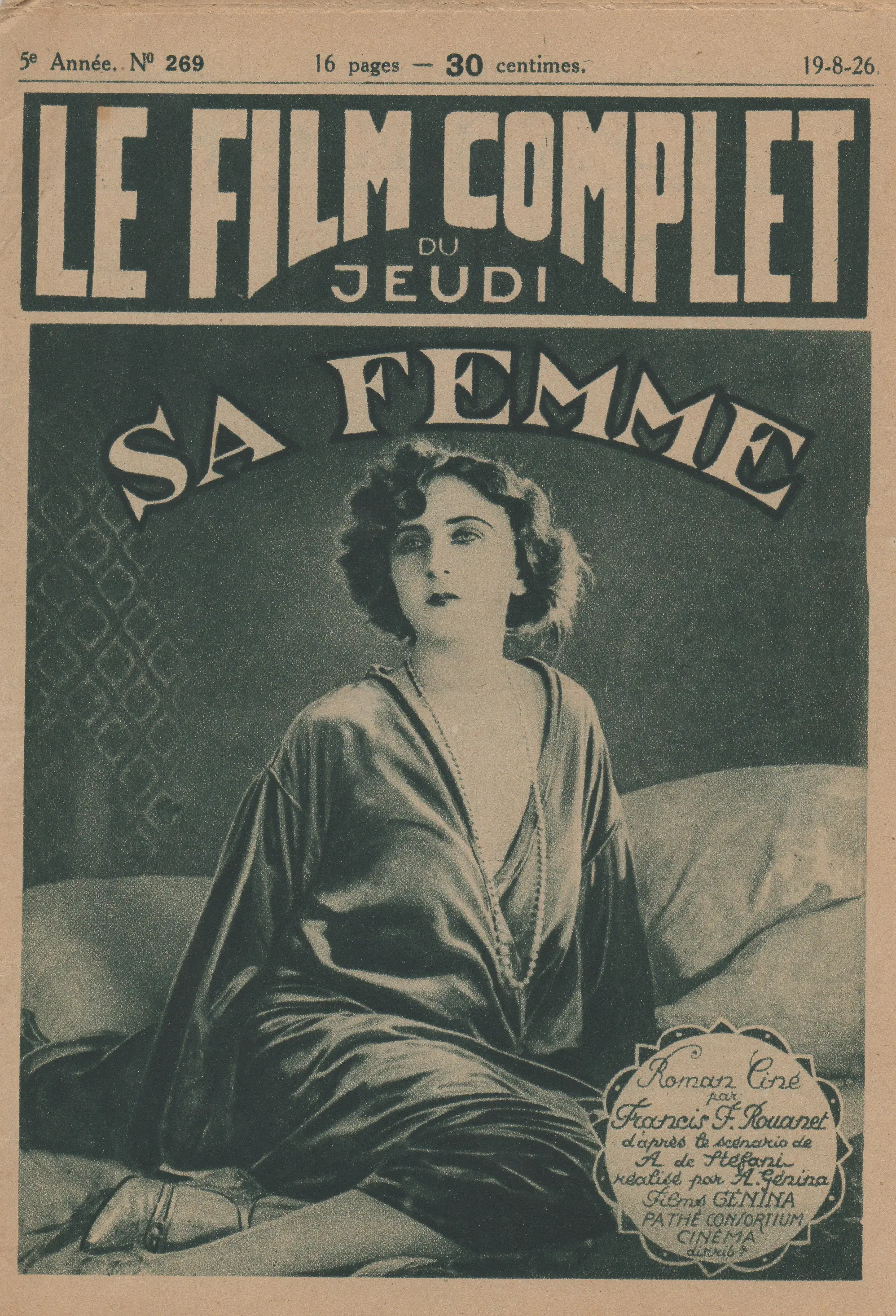
Ah, the silent era. A period often dismissed by casual viewers as primitive, yet one that, upon closer inspection, reveals a profound mastery of visual storytelling, emotional nuance, and thematic depth. Among its myriad treasures, a film like 'La moglie bella' (The Beautiful Wife) emerges not just as a historical artifact, but as a resonant piece of art that continues to speak volumes about the human condition. While specific production details often remain elusive for these early cinematic gems, the sheer power of its narrative and the magnetic presence of its cast, particularly Carmen Boni, etch an indelible mark on the discerning viewer's psyche. It’s a film that eschews grand pronouncements, opting instead for a delicate, almost whispered exploration of inner turmoil and societal constraint, a characteristic that often elevates such works beyond their more bombastic contemporaries like The Red Glove or the action-packed serials of Protéa.
At its core, 'La moglie bella' is a searing examination of beauty as both a blessing and a curse, a theme that, while perhaps not unique, is rendered with exquisite sensitivity here. We are introduced to Giulia, portrayed with an almost ethereal grace by Carmen Boni. Her beauty is not merely aesthetic; it is a force of nature, a silent protagonist in its own right, shaping her destiny in ways both glorious and tragic. From the very outset, her striking visage is presented as an object of desire, a commodity to be acquired and admired. This objectification, however subtle, forms the foundational tragedy of her existence. She is married to Count Valerio (Carlo Tedeschi), an older, affluent industrialist whose wealth provides her with unparalleled luxury, yet whose emotional landscape remains a desolate expanse. Their union is one of convenience, a transaction where material security is exchanged for youthful vitality and societal prestige. Tedeschi, with a masterful command of subtle gestures and mournful glances, imbues Count Valerio with a quiet dignity, preventing him from devolving into a mere caricature of the oppressive husband. He is a man trapped by his own expectations and the era's rigid class structures, perhaps even genuinely fond of Giulia in his own detached way, but utterly incapable of understanding her soul's yearning.
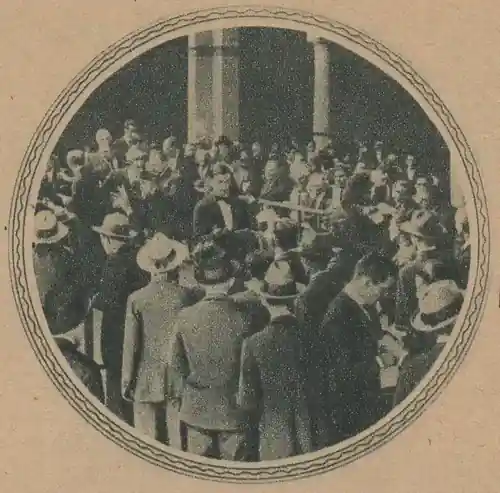
The film's visual poetry is particularly striking in its depiction of Giulia's confinement. The lavish interiors of the Count’s estate, while undeniably magnificent, are framed in ways that emphasize their restrictive nature. Long corridors, ornate doors, and towering windows become symbolic barriers, enclosing Giulia within a world that, for all its splendor, feels like a magnificent prison. Boni's performance here is a masterclass in non-verbal communication. Her eyes, often downcast or gazing wistfully into the middle distance, convey a profound sense of loneliness and unfulfilled longing. A flicker of a smile, quickly suppressed, or a barely perceptible tremor of the hand speaks volumes, painting a portrait of a woman suffocating under the weight of expectation and societal propriety. It's a performance that stands in stark contrast to the more overtly expressive, almost theatrical styles seen in some contemporary works, reminding us that true emotion can be conveyed with the slightest, most delicate touch.
The narrative truly ignites with the introduction of Marco (Luigi Serventi), a passionate and idealistic artist. Serventi brings a vibrant, almost tempestuous energy to the screen, a stark juxtaposition to the muted elegance of the Count’s world. Marco sees beyond Giulia’s renowned beauty; he perceives the melancholic depths of her spirit, the unspoken desires that lie dormant beneath her composed exterior. Their initial encounters are charged with an unspoken electricity, a recognition of kindred spirits across the chasm of social convention. The film expertly builds this forbidden romance, using lingering gazes, stolen moments, and the potent symbolism of art itself. Marco's art becomes a mirror for Giulia's soul, a medium through which her inner life, so long suppressed, can finally find expression. This blossoming affection is portrayed not as a cheap dalliance, but as a desperate bid for authentic connection, a rebellion against a life of emotional starvation. It echoes the yearning for self-expression found in narratives like The Man and the Moment, though 'La moglie bella' imbues its romance with a more melancholic, almost fated quality.
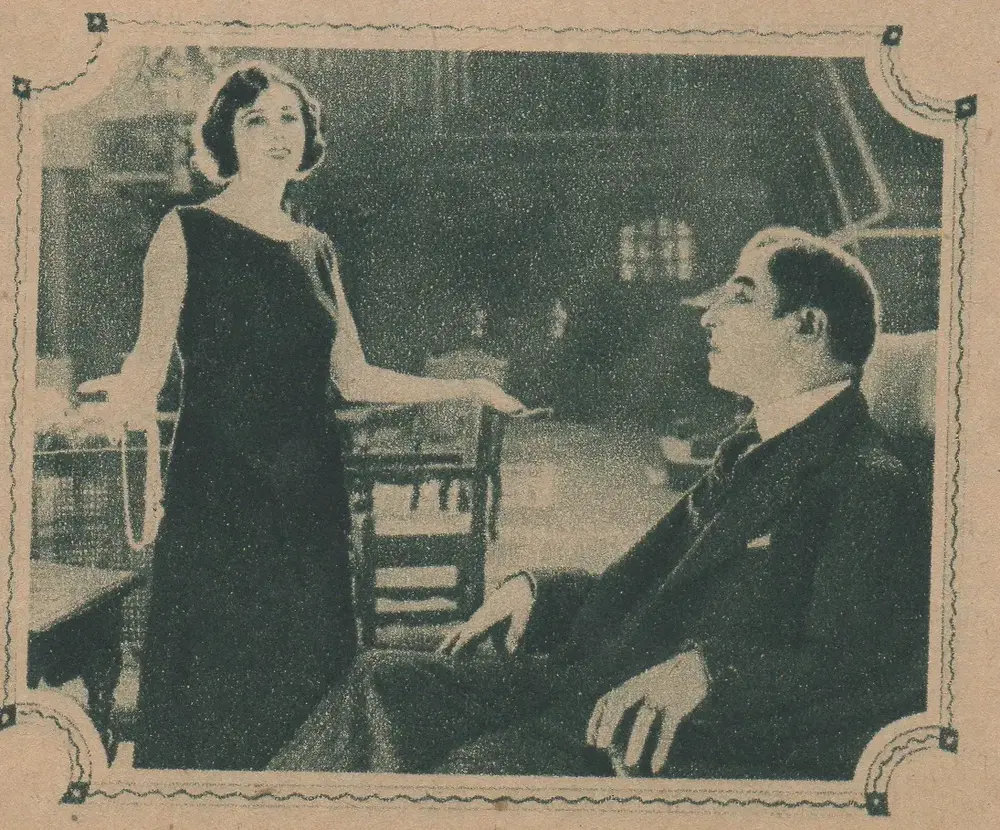
The cinematography in these scenes is particularly noteworthy. When Giulia and Marco are together, the frames often feel more open, the lighting softer, almost as if the oppressive weight of her marriage temporarily lifts. Their clandestine meetings, often set against more natural, less formal backdrops – a secluded garden, a quiet studio – create a visual contrast that underscores the freedom they find in each other's presence. Luigi Serventi’s portrayal of Marco is not merely that of a romantic hero; he embodies a spirit of artistic freedom and emotional honesty that challenges the very foundations of Giulia’s existence. His raw passion acts as a catalyst, forcing Giulia to confront the profound emptiness of her gilded cage. The emotional stakes are palpable, heightened by the silent film's reliance on facial expressions and body language to convey the intricate dance of desire, fear, and burgeoning hope. The audience becomes complicit in their secret, holding its breath with every near-discovery, every shared glance that could betray their forbidden love.
No melodrama of this era would be complete without the omnipresent, judgmental gaze of society, and 'La moglie bella' excels in depicting this pervasive pressure. Linda Moglia, perhaps playing a sharp-tongued socialite or a watchful confidante, embodies the societal forces that threaten to expose Giulia and Marco. Her character serves as a constant reminder of the severe repercussions awaiting those who dare to transgress the established norms. The subtle shifts in her expressions, the knowing glances, or the hushed whispers she might be overheard exchanging, all contribute to an atmosphere of simmering tension and impending doom. The film understands that reputation, especially for women, was a fragile commodity, easily shattered and almost impossible to repair. This aspect resonates with the themes of social scrutiny and the cost of public perception explored in films like It Pays to Advertise, though 'La moglie bella' injects a far more intimate and devastating personal stakes into its depiction of societal judgment.
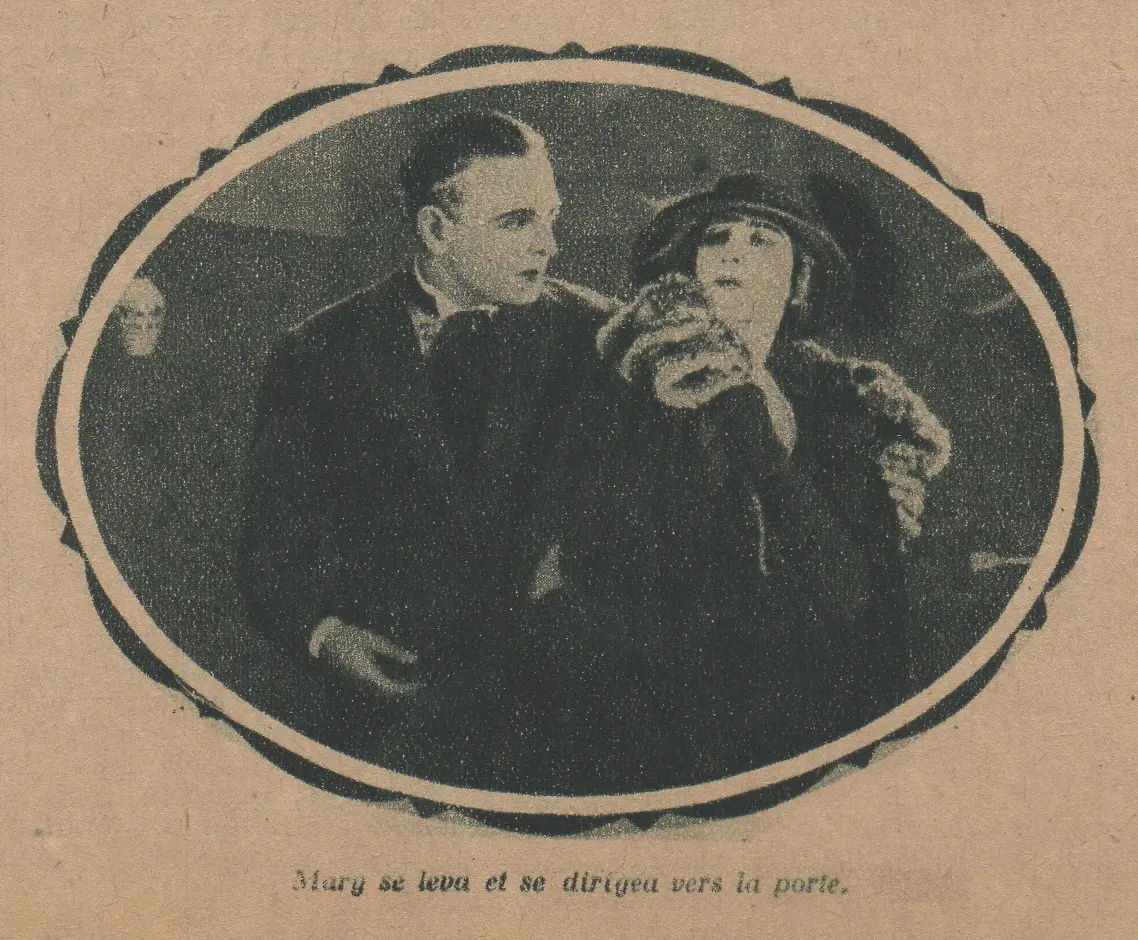
Ruggero Ruggeri, likely portraying a stern patriarch or a wise, observing family friend, adds another layer to this societal tapestry. His presence, whether benevolent or censorious, underscores the entrenched traditions and expectations that bind Giulia. The weight of his experience, conveyed through a gravitas that only seasoned actors of that period could muster, serves as a silent arbiter of morality within the film's world. The conflict isn't just internal for Giulia; it's external, a battle against the very fabric of her society. The film masterfully uses intertitles not just to convey dialogue, but to hint at the prevailing attitudes and moral codes of the time, adding a didactic layer that enriches the viewer's understanding of the pressures faced by the characters. The fear of scandal, of public humiliation, is a palpable force, driving many of the characters' decisions and ultimately shaping the tragic trajectory of Giulia’s story.
'La moglie bella' is far more than a simple love triangle; it's a profound meditation on the nature of desire, the price of freedom, and the societal constructs that often dictate personal happiness. Giulia's journey is one of self-discovery, albeit a painful one, as she grapples with the conflict between her duty and her heart's truest yearnings. The film asks difficult questions: What is the true cost of security? Can love truly flourish under duress? And how much of one's soul is one willing to sacrifice for the sake of appearances? These are timeless questions, making the film's narrative relevant even today, despite its period setting. It delves into the complexities of human relationships, portraying characters who are neither entirely villainous nor purely virtuous, but rather flawed individuals caught in the currents of their time and circumstances.
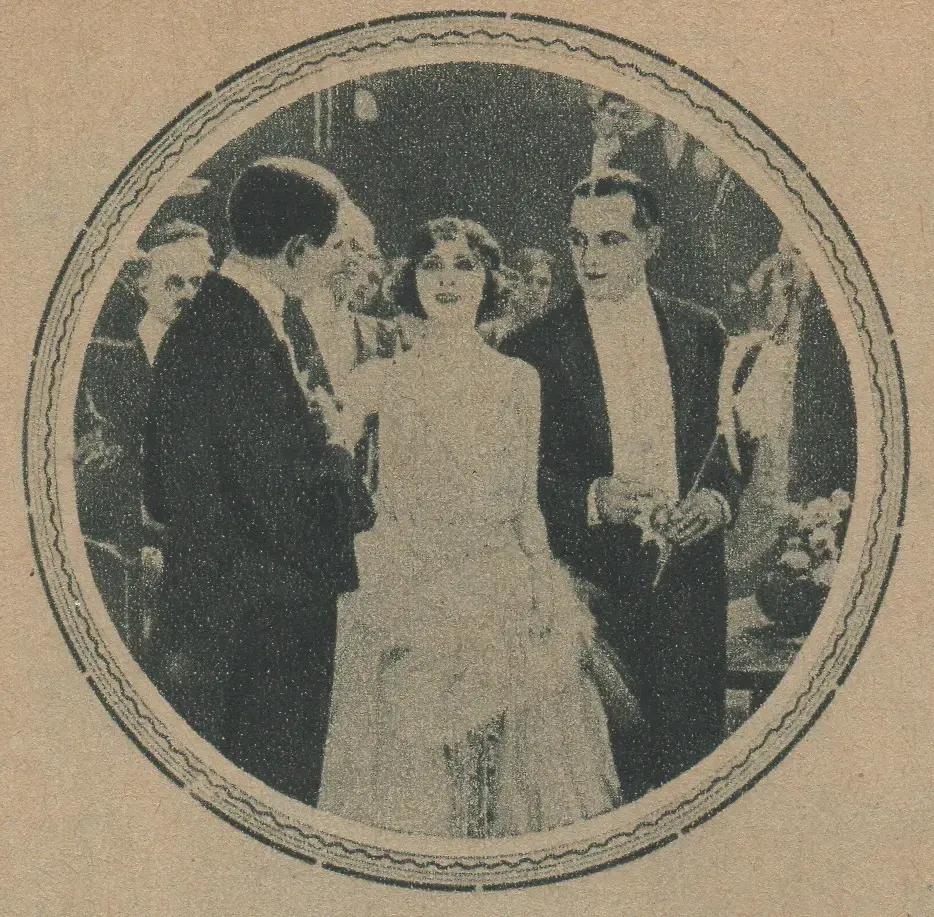
The film's melancholic tone is one of its greatest strengths. It avoids saccharine sentimentality, opting instead for a bittersweet realism that feels remarkably modern. The performances, particularly Boni's, are imbued with a quiet dignity, even in moments of profound despair. Her portrayal of Giulia's inner strength, her resilience in the face of overwhelming odds, is truly captivating. While the film's ultimate resolution might lean towards the tragic or the resigned, it leaves the viewer with a lingering sense of empathy and contemplation, rather than mere despair. It’s a testament to the power of silent cinema to convey complex emotional landscapes without the crutch of spoken dialogue, relying solely on the expressive power of the human face and body.
Comparing 'La moglie bella' to other films of its era, one can appreciate its unique blend of social commentary and intimate drama. While films like His Wife Jimmy might offer lighter comedic takes on marital woes, or Lunatics in Politics provide broader social satire, 'La moglie bella' stakes its claim in the realm of serious, character-driven melodrama. It shares a thematic kinship with Mother Love and the Law in its exploration of women's struggles within restrictive societal frameworks, but 'La moglie bella' zeroes in on the personal, psychological toll of these pressures with an almost surgical precision. The film's direction, even without a credited director (a common occurrence in early cinema), demonstrates a keen understanding of visual composition and pacing, allowing the emotional beats to unfold naturally and powerfully.
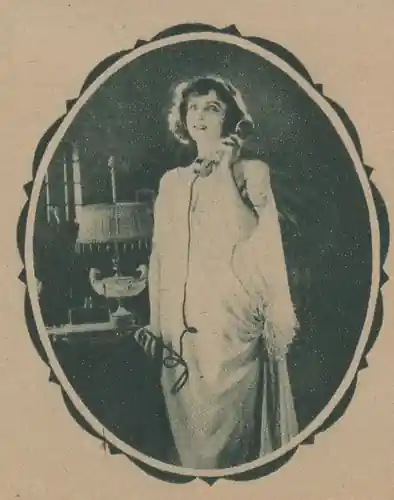
'La moglie bella' serves as a potent reminder of the artistic sophistication that defined the silent film era. It is a work that demands patient viewing, rewarding the attentive audience with layers of emotional depth and intellectual stimulation. The film's careful construction of mood, its nuanced performances, and its unwavering gaze into the human heart make it a compelling watch. It avoids easy answers, instead offering a complex tapestry of human desires, societal expectations, and the often-painful choices that shape our lives. For those accustomed to the rapid-fire narratives of contemporary cinema, 'La moglie bella' might initially feel slow, but its deliberate pace is precisely what allows its profound themes to fully resonate. It's a film that invites introspection, prompting viewers to consider the enduring questions of love, sacrifice, and the relentless pursuit of authenticity in a world often determined to define us by superficial measures. Its subtle power lingers long after the final frame, solidifying its place as a significant, albeit perhaps underappreciated, piece of cinematic history.
The film's enduring appeal lies in its universal themes. The struggle for personal freedom against societal constraints, the yearning for genuine connection, the burden of beauty – these are not issues confined to early 20th-century Italy. They are perennial human dilemmas, making 'La moglie bella' a timeless work of art. It stands as a testament to the power of the moving image to transcend language and time, communicating profound truths through the silent eloquence of its actors and the evocative power of its visual storytelling. In an age where cinematic spectacle often overshadows substance, rediscovering films like 'La moglie bella' offers a refreshing and deeply rewarding experience, reminding us that true cinematic artistry lies in the ability to move, provoke, and inspire thought with the simplest, yet most profound, of narratives.
IMDb 6.6
1932
Community
Log in to comment.