DbcultAccessing Vault...
4.9/10
Senior Film Conservator
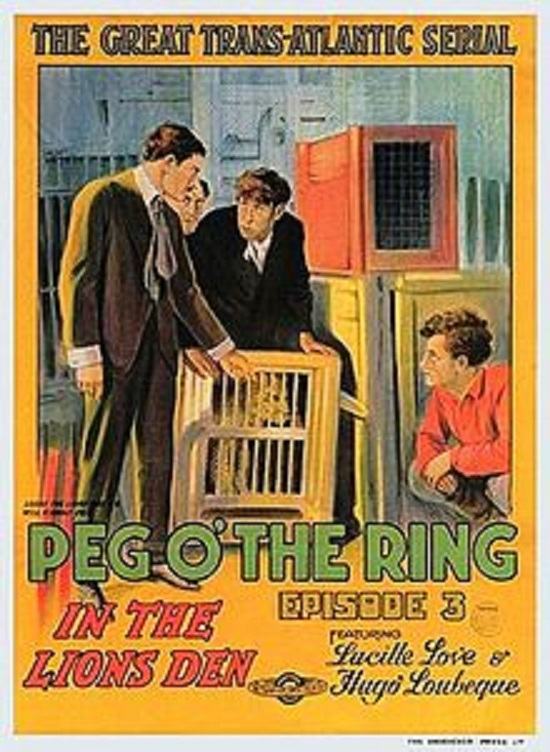
A definitive 4.9/10 rating for a film that redefined the boundaries of cult cinema. The Adventures of Peg o' the Ring remains a cornerstone of transgressive art.
Stepping into the world of early cinematic serials is akin to unearthing a time capsule, and "The Adventures of Peg o' the Ring," a 1916 Universal production, offers a particularly vibrant glimpse into an era when episodic storytelling captivated audiences with weekly doses of suspense and melodrama. The inaugural chapter, "The Leopard's Mark," immediately establishes a rich tapestry of character and intrigue, drawing viewers into the itinerant, often perilous, existence of a grand circus. From the meticulous staging of the big top's erection to the frenetic preparations for the evening's performance, the film masterfully crafts an immersive environment, brimming with both the glamour and the inherent dangers of this unique profession. It's a world where the spotlight illuminates breathtaking feats, yet shadows conceal sinister plots and long-held secrets.
The opening sequence itself is a fascinating document of early 20th-century entertainment, portraying the logistical ballet of a circus descending upon a small town. We witness the colossal tents rising against the sky, the menagerie being settled, and the intricate paraphernalia of the show being meticulously arranged. This preamble isn't merely exposition; it's an invitation, a portal into a self-contained universe governed by its own rules and rhythms. It builds anticipation for the human drama that is about to unfold within its canvas walls. The very act of watching this historical footage provides a unique connection to the past, reminding us of the enduring allure of the circus, a spectacle that transcended social strata and brought collective wonder to communities across the globe. This attention to detail, while seemingly mundane, grounds the fantastical elements that are soon to follow, making the subsequent betrayals and revelations all the more impactful. It's a foundational element that many contemporary productions could learn from, demonstrating how a strong sense of place can profoundly elevate narrative tension.
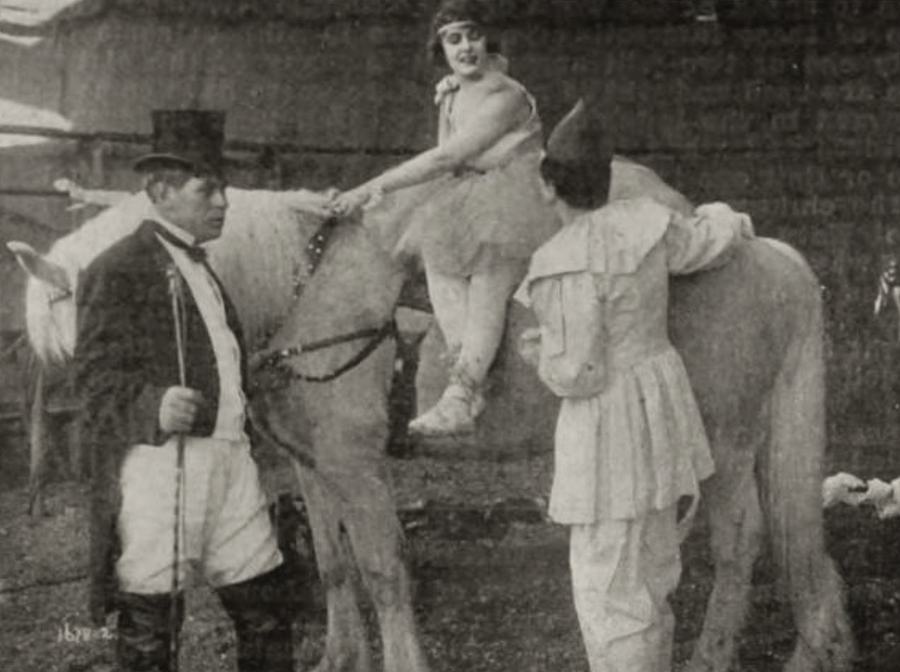
As the performance hour nears, we are introduced to the principal dramatis personae, each painted with broad, yet effective, strokes characteristic of silent cinema. Grace Cunard, the formidable co-writer and star, embodies Peg, the titular "Peg o' the Ring," an aerial performer whose grace and daring are central to the circus's draw. Her portrayal, even in this nascent stage, hints at a depth beyond mere spectacle, suggesting a character who will navigate formidable challenges. Alongside her is Flip, her supposed father and guardian, played with a grizzled warmth that belies his tragic fate. His paternal devotion to Peg is palpable, forming an emotional core that will soon be brutally shattered. Pierre Durand, Peg's athletic lover, brings a romantic counterpoint to the impending darkness, his earnest affection serving as a beacon of hope in a world increasingly shadowed by villainy. His casting against the backdrop of peril suggests a hero who will be tested, much like the protagonists in other adventure serials of the era, such as The Active Life of Dolly of the Dailies, where the heroines often faced a gauntlet of trials.
However, the true catalyst for the episode's escalating tension is Big Bill Barnen, the ruthless proprietor of the show, whose avarice and sinister ambitions are immediately apparent. Barnen is no mere businessman; he is a manipulator, a man who views human lives as commodities to be exploited or discarded. His henchman, Polo, a formidable athlete and tumbler, acts as his willing instrument, embodying the brute force that underpins Barnen's schemes. Eddie Polo, known for his physicality, makes an imposing figure, a silent threat lurking in the periphery. This dynamic between the calculating mastermind and his obedient enforcer is a classic trope, yet executed here with a visceral effectiveness that sets the stage for genuine peril.
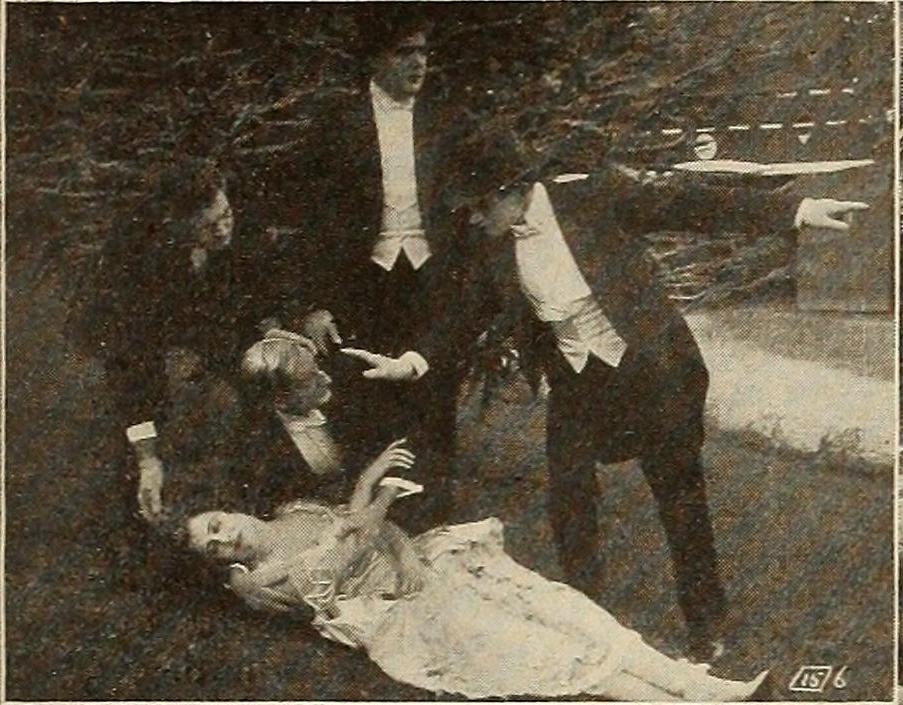
The dramatic core of "The Leopard's Mark" ignites when Barnen summons Flip, his intentions immediately suspect. It is in the confines of his circus wagon office that the true depths of Barnen's villainy are revealed. He dismisses all others, creating an intimate, claustrophobic setting for his confrontation with Flip, a scene that crackles with understated menace. Barnen's suspicion that Peg is not Flip's biological daughter is the poisoned seed from which all subsequent tragedy sprouts. His attempt to leverage Flip's age and perceived vulnerability, offering him a continued place in the circus in exchange for the truth about Peg's parentage, is a chilling display of his manipulative nature. This scene echoes the moral quandaries found in films like The Morals of Marcus, where ethical compromises and hidden pasts often drive the narrative.
Flip's steadfast refusal to betray his secret, even in the face of Barnen's near-fatal throttling, underscores his profound loyalty and the gravity of the truth he guards. His defiant departure, uttering the cryptic warning that he holds Barnen's "whole future in the palm of his hand," only intensifies the manager's resolve to silence him. This exchange is a masterclass in silent film melodrama, where gestures and facial expressions convey volumes, and the audience is left to infer the full weight of the unspoken threats. The tension is palpable, a slow-burning fuse lit under Flip's very existence. The narrative skillfully builds this conflict, making Barnen's subsequent actions not just villainous, but a logical (albeit morally reprehensible) escalation of his desperate desire for control and knowledge.

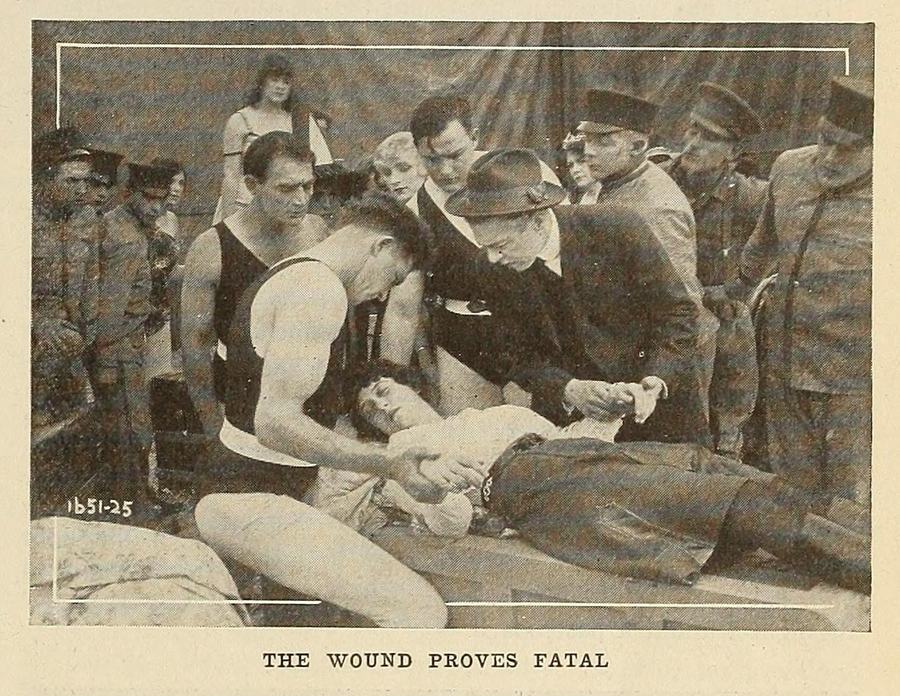
Barnen's resolution to "get Flip out of the way" culminates in a shocking act of sabotage. He instructs Polo to pull a horse whip during Flip's pivotal nightly jump, a deliberate act designed to cause a fatal accident. Polo, a man devoid of conscience, executes the order with chilling efficiency. The scene of Flip's fall is undoubtedly a dramatic highlight, a moment of visceral impact that would have left contemporary audiences gasping. It is a stark reminder of the fragile line between spectacle and tragedy, a theme often explored in circus narratives. The immediate aftermath, with Flip fatally injured, shifts the tone from suspense to profound pathos. The hurried gathering around the fallen performer, the expressions of despair, all contribute to a powerful sense of loss and injustice.
As Flip realizes his final moments are upon him, he calls Pierre to his side, desperate to unburden himself of the secret that has defined his life and now, his death. This dying confession is a classic dramatic device, a race against time to reveal crucial information before it is lost forever. Unbeknownst to them, Barnen, the architect of this tragedy, lurks nearby, eavesdropping on Flip's fragmented revelations. This adds another layer of malevolence to Barnen's character, transforming him from a simple villain into a figure of insidious omnipresence, much like the shadowy antagonists in other early thrillers. The narrative choice to have Barnen overhear parts of the confession is a brilliant stroke, ensuring that the villain gains partial knowledge, complicating future plot developments, and heightening the stakes for Peg and Pierre.
Flip's dying words begin to unravel a complex narrative from years past, transporting the audience to a winter quarter and introducing the character of La Belle, the "wild animal queen." His confession paints a picture of unrequited love and profound loyalty. Flip, a mere friend to La Belle, harbored deep affection for her, watching over her with a devotion that transcended platonic boundaries. He was privy to her greatest secret: a clandestine marriage to Dr. Lund, the circus owner. The doctor's insistence on secrecy, coupled with the devastating realization that another woman occupied his affections, plunged La Belle into a deep depression. Flip's silent suffering, his inability to confess his love or to fully comfort La Belle, adds a layer of poignant tragedy to his character. This theme of hidden love and societal constraints resonates with the romantic melodramas of the era, such as Young Romance, where societal expectations often dictated emotional sacrifices.
The narrative then shifts to a fateful opening performance, where La Belle, despite Flip's repeated warnings about the dangers of her craft, faces a horrific accident. The big cats turn on her, and before trainers can intervene, she is gravely injured. The scene, culminating with La Belle weeping in Flip's arms in his tent, is a powerful tableau of vulnerability and unspoken sorrow. It is here, at the precipice of revelation, that the first episode abruptly concludes, leaving the audience with the tantalizing, overarching question: "Who is Peg?" This cliffhanger is the quintessential element of the serial format, designed to compel viewers to return for the next installment, eager to piece together the fragmented puzzle of Peg's origins and the full extent of Barnen's villainy.
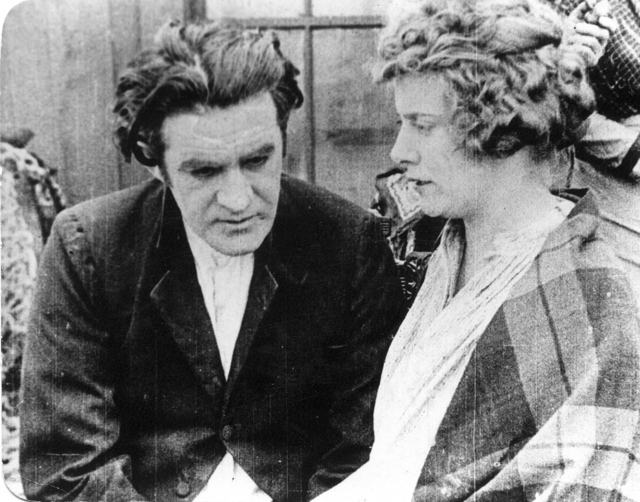
"The Leopard's Mark" is a testament to the sophisticated storytelling present in early silent cinema, often underestimated by modern viewers. Grace Cunard, as both writer and lead actress, demonstrates a remarkable command of narrative pacing and dramatic structure. The episode efficiently introduces its core conflict, develops character motivations, and culminates in a powerful cliffhanger, all within the constraints of its episodic format. The visual language, while lacking the intricate editing of later eras, relies on clear staging, expressive acting, and well-placed intertitles to convey information and emotion. The performances, particularly by Eddie Polo as the menacing henchman and the emotional depth conveyed by Flip in his final moments, are compelling. The film's ability to create a sense of impending doom and then deliver on it with tragic impact speaks volumes about the filmmakers' understanding of audience engagement.
The use of the circus as a backdrop is particularly effective. It's a microcosm of society, filled with colorful characters, inherent dangers, and a transient nature that perfectly suits a story of hidden identities and fleeting loyalties. The visual spectacle of the circus acts themselves serves not only as entertainment but also as a constant reminder of the high stakes involved in the characters' lives. This setting, with its inherent glamour and grit, is a powerful narrative device, much like the evocative settings in other period pieces such as The Old Curiosity Shop, where the environment itself becomes a character. The film's direction, likely a collaborative effort given the era, ensures that the narrative progresses with clarity, despite the absence of spoken dialogue.
The success of serials like "The Adventures of Peg o' the Ring" lay in their ability to cultivate a devoted audience, eager to follow the continuing saga week after week. This format fostered a unique communal viewing experience, a shared anticipation for the next thrilling development. "The Leopard's Mark" perfectly exemplifies the strengths of this genre: a compelling central mystery, clearly defined heroes and villains, and a dramatic climax that leaves viewers desperate for resolution. It's a foundational piece in the history of episodic storytelling, influencing everything from radio dramas to modern television series. The themes of identity, betrayal, and the pursuit of justice are timeless, ensuring that even a century later, the intrigue of Peg's story remains captivating. The episode, while brief by modern standards, packs a considerable punch, establishing a complex web of relationships and secrets that promise a thrilling journey for the subsequent installments. Its ability to create such a profound sense of mystery and foreboding in its opening gambit is a testament to its enduring narrative power. This initial chapter not only introduces a compelling plot but also invites contemporary audiences to appreciate the artistry and ingenuity of silent film, proving that compelling drama transcends the spoken word.
IMDb 6.5
1932
Community
Log in to comment.