DbcultAccessing Vault...
Cult Review
Senior Film Conservator
Is this movie worth your time today? Honestly, yes, but only if you have a soft spot for old-school melodramas where everyone is constantly on the verge of a nervous breakdown. If you hate theatrical acting or movies where people yell their feelings at the ceiling, you will probably want to skip this one. It’s for the folks who like to see how cinema used to feel when sound was still a brand-new toy.
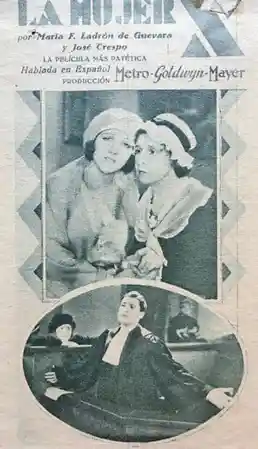
The story starts in a house that feels way too big and way too quiet. Jacqueline is married to a man who is basically a statue with a very serious mustache. He thinks she’s cheating, and even though she’s mostly just bored and lonely, he kicks her out into the street. It’s 1931, so there’s no talking it out or going to therapy; you just get banished and lose your kids. Harsh stuff.
María Fernanda Ladrón de Guevara plays Jacqueline, and man, she really goes for it. Her name is a mouthful, but her face tells the whole story. In the beginning, she looks like a porcelain doll that’s starting to crack. By the middle of the movie, she looks like she hasn’t slept in about three years. The makeup department really leaned into the dark circles under her eyes to show us she’s had a rough time.
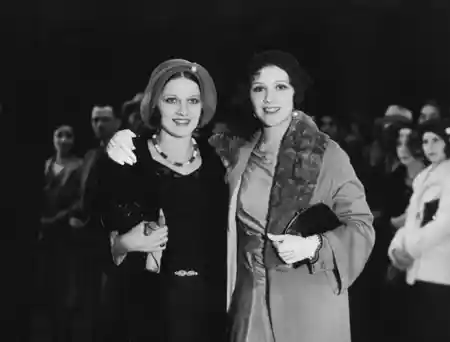
I noticed the sound is a little bit... crunchy. Since it was made in the early days of talkies, you can tell everyone is trying to stay close to the hidden microphones. It has that same stiff energy you find in The Squaw Man, where you can almost feel the actors waiting for their cue to speak. But somehow, that stiffness makes the sad parts feel more heavy.
The middle of the movie is basically a long, slow slide into misery. Jacqueline ends up in these dusty, dimly lit rooms in places like Buenos Aires and Paris. There’s this one scene where she’s holding a glass of something—maybe absinthe?—and she stares at it like it’s the only friend she has left. It’s a small moment, but it felt more real than the big screaming matches.
The movie gets noticeably better once the trial starts. This is the part everyone knows, even if they haven't seen the other versions like Chantage. Her son is now a lawyer, and he has to defend this mysterious, broken woman (his mom) without knowing who she is. Rafael Rivelles plays the son, and he has this very intense, wide-eyed stare. He looks like he’s trying to solve a very difficult math problem in his head while he’s giving his opening statement.
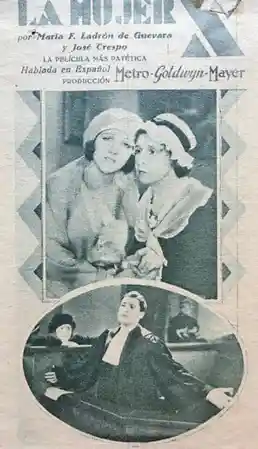
The courtroom set looks like it was built in a weekend, but the shadows are great. There’s this one shot where the light hits Jacqueline’s face, and she just looks like a ghost. She doesn't want to tell him who she is because she doesn't want to ruin his life. It’s classic melodrama logic, but it still works. I found myself getting a bit misty-eyed, which I didn't expect.
"I am a woman without a name, and that is how I want to die."
There’s a weird bit where a guy in the background of the court scene looks like he’s about to fall asleep. It’s one of those things you only notice if you aren't looking at the main actors. It made me laugh because it felt so human. Even in this big tragic moment, some guy is just wondering what’s for lunch.
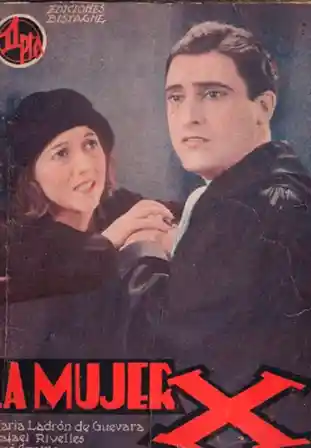
Is it better than other family dramas from that era like L'enfant de l'amour? Maybe not in terms of polish. But there is a desperation in this version that I really liked. It feels like everyone involved knew they were making something that was supposed to make people sob in the dark, and they didn't hold back. 😭
The ending is... well, it’s exactly what you think it’s going to be. There are a lot of people holding their heads in their hands and a lot of dramatic music. It’s not subtle. It’s about as subtle as a brick to the face. But sometimes you want a movie that just tells you exactly how to feel.
I think I liked the husband, Rafael Rivelles, a little bit more by the end, even though he's a jerk. He has this way of touching a chair or looking at a photo that shows he’s actually miserable too. It’s a tiny bit of depth in a movie that usually prefers big, loud emotions. The way he adjusts his collar when he’s nervous is a nice touch.
Overall, it’s a solid piece of history. It’s not a masterpiece that will change your life, but it’s a very effective tear-jerker. If you find a copy that isn't too grainy, give it a look. Just make sure you have some tissues nearby. And maybe some coffee, because some of those long speeches in the courtroom do drag on for a bit. 🎬
Things I noticed:
It’s a bit of a mess, but it’s a good mess. Theres something about these old Spanish-language Hollywood movies that just feels different. They have more sweat and more shouting. I’ll take that over a boring, perfect movie any day.
IMDb 3.3
1925
Community
Log in to comment.