DbcultAccessing Vault...
6.9/10
Senior Film Conservator
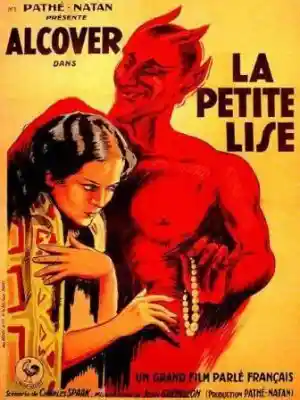
A definitive 6.9/10 rating for a film that redefined the boundaries of cult cinema. La petite Lise remains a cornerstone of transgressive art.
Alright, so if you're after a fast-paced, action-packed thrill ride, you should probably just keep scrolling. La petite Lise isn’t that. But if you have a real soft spot for early sound films, or just really appreciate a story about heavy, heavy human guilt, then yeah, this one might stick with you.
It’s a tough watch sometimes, no doubt. But there’s something so incredibly raw and honest here, it’s hard to ignore. If you need everything tied up neat or prefer modern slickness, you’ll probably find this a bit of a slog. But for the curious and patient, it’s a compelling look at despair.
The film kicks off with Victor Berthier, played by Alex Bernard, getting out of prison. He’s done time for killing his wife, a crime of passion born from his own terrible jealousy. The years on the chain gang, you can almost *feel* them etched on his face.
There’s this beautiful, fragile hope when he steps out, a man dreaming of a clean slate. He’s just so happy to be going back to Paris, to finally see his daughter, Lise.
He pictures her, probably as a child, or at least how she was before. He's got this little money saved, enough to maybe start a small business. A watchmaker, perhaps.
But when he finds Lise, everything just… shatters. Nadia Sibirskaïa as Lise is truly something here. Her face, her whole demeanor, just screams *trouble* and a deep, deep sadness.
She's living with André, a pretty slimy guy who seems to be more of a pimp than a loving partner. The way he just *slips* into scenes, all smooth talk and bad intentions, it's perfectly unsettling.
Then comes the big reveal. Lise, through no real fault of her own, has unwillingly committed a murder. It’s a quiet horror, not a dramatic scream. Just a heavy, dreadful confession.
Victor, who just got out of prison for his *own* murder, now has to deal with his daughter being a murderer. The irony is just **crushing**, you know? It’s a punch to the gut for him, and for the audience.
Being an early talkie from 1930, there are definitely some quirks. The sound can feel a bit primitive at times, like everyone's speaking into a tin can. But it also gives it a strange, almost documentary-like feel, if that makes sense.
The acting style is very much of its era, sometimes a little stiff, a little stagey. But Bernard and Sibirskaïa really do shine through, especially in their quieter moments. You don’t need grand gestures when the pain is this visible.
One scene, the way Lise tries to explain her situation to her father, it's just a raw outpouring. You can practically *feel* her desperation. Her words tumble out, not perfectly articulate, but full of feeling.
The Parisian streets and cramped apartments feel so real. The film doesn't glamorize anything. It’s gritty, a bit bleak, but always grounded.
There’s a long silence after Lise confesses. It feels like 20 seconds, maybe more. It’s not awkward, not really. It’s just… heavy. Victor’s face goes through a whole journey in that moment, without a single word.
The film becomes a study in Victor's impossible choice. He wanted to start over, but now he’s trapped again, forced to decide between his freedom and his daughter's life.
It’s a bleak story, for sure. There are no easy answers, and the ending is… well, it’s impactful. It certainly doesn't try to make you feel good.
But that's also its strength. It doesn't flinch. It stares directly into the face of despair and doesn't offer any cheap comfort.
This isn't just about a crime; it's about the burden of family, the crushing weight of circumstance. And how sometimes, trying to do the right thing can lead to the deepest sorrow.
Did you notice?

IMDb 5.9
1929
Community
Log in to comment.