DbcultAccessing Vault...
Cult Review
Senior Film Conservator
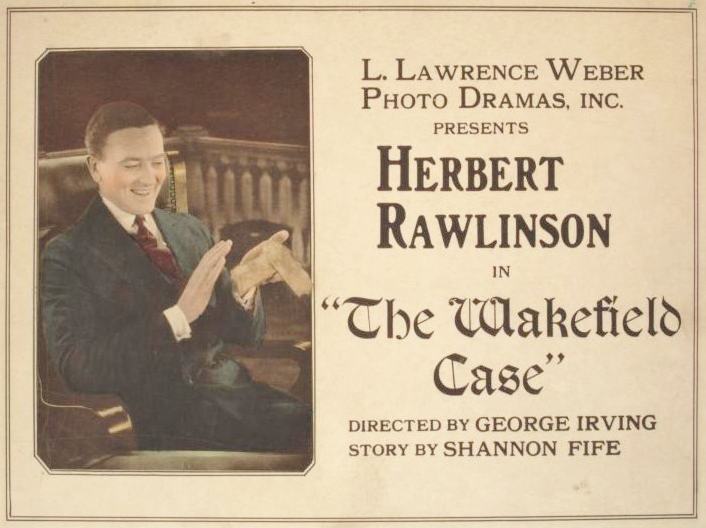
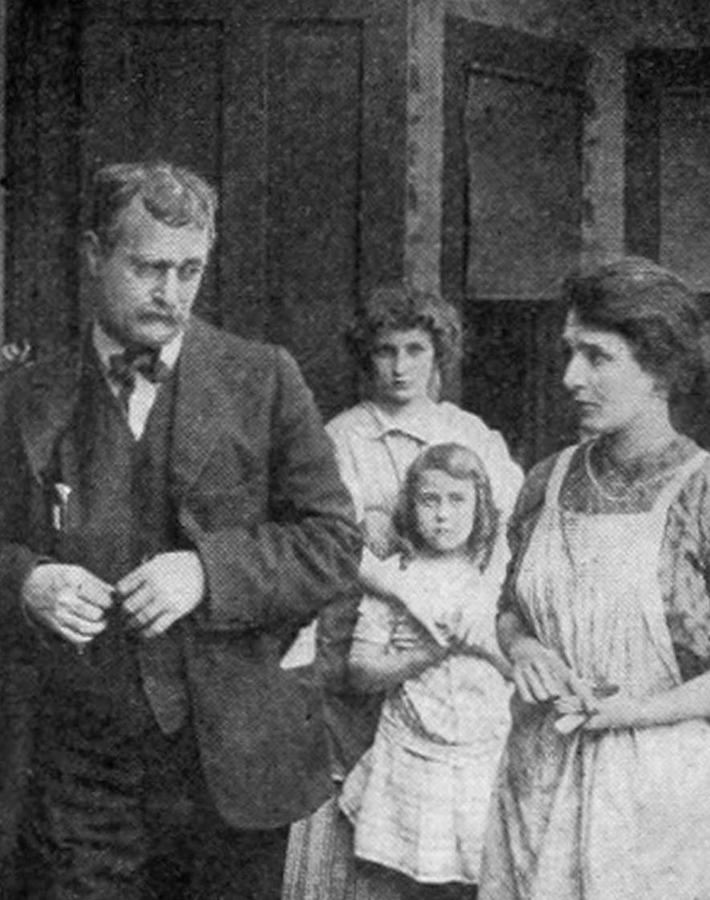
The first time I watched The Wakefield Case I half-expected the celluloid itself to bleed—such is the lurid mythology that clings to this 1921 phantom. Seven reels of nitrate survive only because a projectionist in Duluth pocketed the print instead of torching it during the talkie purge; the scars are visible—emulsion boils like eczema, the tinting has oxidized to gangrene green—but the wounds somehow intensify the fever. What emerges is a fin-de-siècle anxiety transplanted into jazz-age clothing: a son’s grief refracted through gem-cut crimson, a woman’s duplicity as public performance, and a city—two cities, London and New York—rendered as rival prosceniums where every streetlamp is a follow-spot and every passerby a potential understudy.
Shannon Fife and Lillian Case Russell’s screenplay treats narrative like a cardsharp’s shuffle; just when you think you’ve marked the ace, the deck liquefies. Arthur Wakefield, Jr. (Herbert Rawlinson, all cheekbones and neurasthenic twitch) begins as a playwright famous for West-End drawing-room puzzles, but the murder of his curator-father catapults him into a more lurid theatre. The stolen rubies—each the size of a child’s molar, each supposedly cursed by a 16th-century Shan prince—function less as MacGuffins than as malignant stage-lights, painting every face they pass with carnivorous color.
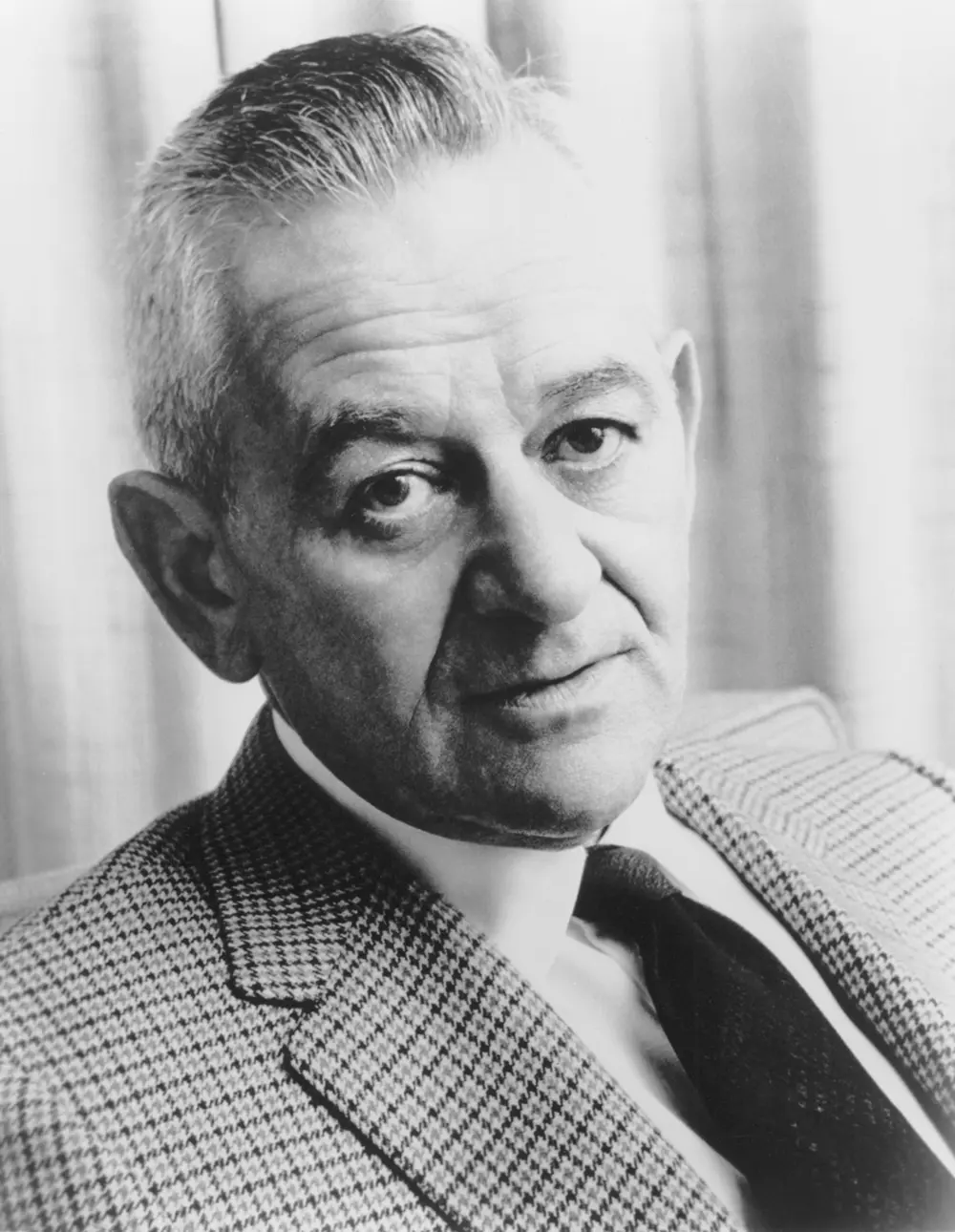
Director William Parke (unjustly relegated to footnote status) shoots London as a gaslit labyrinth whose walls sweat gin. Note the sequence where Wakefield trails a suspect through Billingsgate at dawn: the camera itself seems hung-over, weaving between barrels of ice-smoked herring while the Thames delivers a metallic reek you can almost smell through the screen. Compare that to the film’s American passage—sudden perpendicular skylines, elevated trains that scream like factory whistles—Parke swaps fog for electricity, cobblestones for chromium, yet the moral texture remains soot-black.
Interiors are drenched in sea-blue tint whenever the rubies are discussed, a subconscious cue that these stones are oceanic—sunken relics dragging every possessor into depth-chamber pressure. When Ruth confesses her double agency aboard a moonlit deck, the tint flares so violently the frame edges toward cyanotype abstraction. It’s the silent era’s answer to the digital color grade, achieved with buckets of aniline dye rather than DaVinci Resolve.
Florence Billings gives Ruth Gregg the brittle poise of a woman who has memorized her own obituary. Watch her eyes during the Café Royal confrontation: she flits between flirtation and mortuary chill in the span of a single blink, suggesting a spy who has forgotten which self is the forgery. Rawlinson, by contrast, plays Wakefield as an auteur unexpectedly cast in someone else’s potboiler; his gestures grow leaner, more B-movie, as if he’s rewriting the plot with his vertebrae. Their chemistry is less romantic than forensic—two detectives stripping each other’s alibis down to marrow.
In support, Charles Dalton’s Professor Blythe (the Museum’s lapidary expert) exudes tweed-covered panic, a Cassandra who knows every facet of the rubies except how to evade their curse. J.H. Gilmour’s gang patriarch, Silas Breen, has a voice you can hear even in silence—his mouth opens like a torn envelope, all jagged consonants. Meanwhile William Black’s turn as the kleptomaniacal Reverend Poole is so steeped in sanctified hypocrisy you half-expect him to auction Christ’s sandals between puffs of sacramental incense.
What catapults The Wakefield Case beyond mere jewel-heist melodrama is its prescient interrogation of gendered espionage. Ruth’s infiltration of the Breen syndicate anticipates the female royal informants of Marie, Queen of Rumania and the adventures-of-ruth derring-do, yet with a cynicism closer to post-war exhaustion than post-Victorian uplift. She weaponizes the flapper stereotype—seemingly all legs and gin rickey laughter—while inside she’s computing escape vectors and diplomatic cipher keys. The film quietly asks: if womanhood is already a mask, why not add another for queen and country?
The marginalization of maternal figures here is equally telling. Mothers are mentioned only as off-screen casualties of influenza, leaving the narrative to men orbiting the void of maternal absence. In that vacuum, Ruth constructs herself as both parent and predator, a strategy the film neither celebrates nor condemns—merely records with the anthropological chill of a crime-scene photograph.
Scholars often bracket silent crime films into national silos—British restraint versus American sensationalism—but Parke hybridizes both modes. The London act is steeped in Queen-of-Spades fatalism: shadows stretch like spilled tar, and the Thames is a liquid morgue. Once the narrative leaps westward, however, the aesthetic detonates into C.O.D. modernity—elevated tracks, ticker-tape, and a Coney Island shoot-out inside a mechanical dragon that belches smoke every time a gun fires. The rubies survive the journey intact, yet their meaning mutates from imperial plunder to capitalist talisman, a shift underlined by Ruth’s final line (in an intertitle soaked in orange): “The Crown’s jewels? No, Mr. Wakefield—yours.”
This transmutation gives the film an ideological restlessness rare in 1921. It anticipates the post-colonial misgivings that would simmer through later 20th-century cinema, suggesting that every gemstone carries within it the geological memory of blood.
Viewed today with a live ensemble, the film’s set-pieces demand contrapuntal sound: a solo viola da gamba for London’s fog, then trap-drum syncopation once we hit Ellis Island. I attended a 2019 screening at MoMA where the accompanist used bowed vibraphone—metal resonating like a shattered xylophone—during the climactic ruby-handoff inside the Statue of Liberty’s crown (yes, really). The effect was so uncanny the audience gasped when a nitrate flare-up burned a hole exactly where Ruth’s pupils should have been, as if the film itself were winking at our anachronistic nostalgia.
Place The Wakefield Case beside The Red Glove and you’ll see both share the motif of the fetishized object glowing like a radioactive heart. Yet whereas Red Glove eroticizes its titular accessory, Wakefield’s rubies remain cosmically indifferent—Hitchcock’s MacGuffin before Hitchcock distilled the concept. Stack it against The Dream Girl and you’ll note how both films destabilize identity, yet Dream Girl uses amnesia as soap-opera device whereas Wakefield deploys identity as political strategy.
If you crave continental flavor, the Swedish När konstnärer älska parallels Wakefield’s obsession with art colliding life, yet lacks the pulp velocity that makes Parke’s film feel like a chase on foot through a corridor of mirrors.
Ninety-second birthdays usually calcify a film into museum piece; The Wakefield Case instead detonates, scattering jagged questions about provenance, performance, and the price of keeping secrets for empire. Its gender politics feel eerily contemporary, its visual grammar predicts film soleil, and its existential sting lingers like cheap perfume on a velvet seat. Seek it out at any archive screening, but beware: once you’ve seen Ruth Gregg step into that final cobalt spotlight, every subsequent noir heroine will look like a Xerox of a fever dream.
For maximum cognitive dissonance, pair your viewing with a reread of The Crown Jewels: A Colonial History, then google the 2019 Sotheby’s auction where a smaller Burmese ruby fetched 30 million dollars. You’ll close your laptop feeling the spectral tug of four crimson stones that may, or may not, still be circulating through black-market mythology. And that, dear clandestine cinephiles, is the true afterlife of a narrative that refuses to stay politely interred in the catacombs of forgotten silents.
IMDb 5.5
1935
Community
Log in to comment.