DbcultAccessing Vault...
7.8/10
Senior Film Conservator
A definitive 7.8/10 rating for a film that redefined the boundaries of cult cinema. La reine des papillons remains a cornerstone of transgressive art.
Is La reine des papillons a forgotten relic or a timeless piece of surrealist art? Short answer: It is a fascinating technical experiment that remains essential viewing for those who value atmosphere over narrative complexity. This film is for the historian of the avant-garde and the dreamer who appreciates the tactile beauty of early 20th-century trick photography; it is certainly not for the modern viewer who demands high-definition logic or rapid-fire dialogue.
The film occupies a strange, liminal space in cinema history. It doesn't quite fit the mold of the gritty realism found in Underworld, nor does it possess the sweeping melodrama of The Temptress. Instead, it exists as a delicate, flickering hallucination. It works. But it’s flawed.
1) This film works because of its uncanny ability to transform simple physical props and double-exposure techniques into a convincing, albeit nightmarish, insect kingdom.
2) This film fails because the pacing in the middle act feels as though it is stuck in the very webbing the King of Spiders weaves, losing the momentum established by the initial rescue of the caterpillar.
3) You should watch it if you want to see how early filmmakers used limited technology to create high-concept fantasy that modern CGI often fails to replicate in spirit.
The most striking element of La reine des papillons is its commitment to its own internal logic. When Nina Starr saves the caterpillar, the camera lingers on her hands with a reverence that feels almost religious. This isn't just a plot point; it's a thematic anchor. The subsequent transition into the dream world is handled with a sophistication that rivals the experimental work found in Kino-pravda no. 21. The use of scale is particularly impressive. As Nina shrinks—or rather, as the world expands—the set design takes on a jagged, expressionistic quality.
Consider the scene in the Spider King’s lair. The shadows are long, harsh, and intentionally claustrophobic. The webbing isn't just a prop; it’s a character in itself, clinging to Nina’s dress like a physical manifestation of her fear. This tactile approach to horror is something we’ve largely lost. In an age of digital perfection, there is something profoundly unsettling about seeing a real person interact with oversized, hand-crafted insect legs. It feels more 'real' because it is physically present in the frame, much like the practical effects that made The Great Circus Catastrophe so visceral for its time.
Nina Starr carries the entire film on her shoulders. Without a single line of dialogue, she must convey the transition from a compassionate girl to an overwhelmed queen, and finally, to a terrified captive. Her performance is less about the grand theatricality of The Vamp and more about a quiet, wide-eyed sincerity. She moves through the insect world with a grace that suggests she truly belongs there, which makes her abduction by the Spider King feel like a personal violation rather than just a plot beat.
One controversial opinion I hold is that Starr’s performance is actually hindered by the film’s 'mercy' theme. By making her so purely good, the writers (who remain somewhat anonymous in their contributions) stripped her of the agency we see in films like Arms and the Woman. She doesn't fight her way out; she is rescued. While this fits the 'fable' structure, it leaves modern audiences wanting a bit more grit from their Butterfly Queen. She is a symbol more than a person.
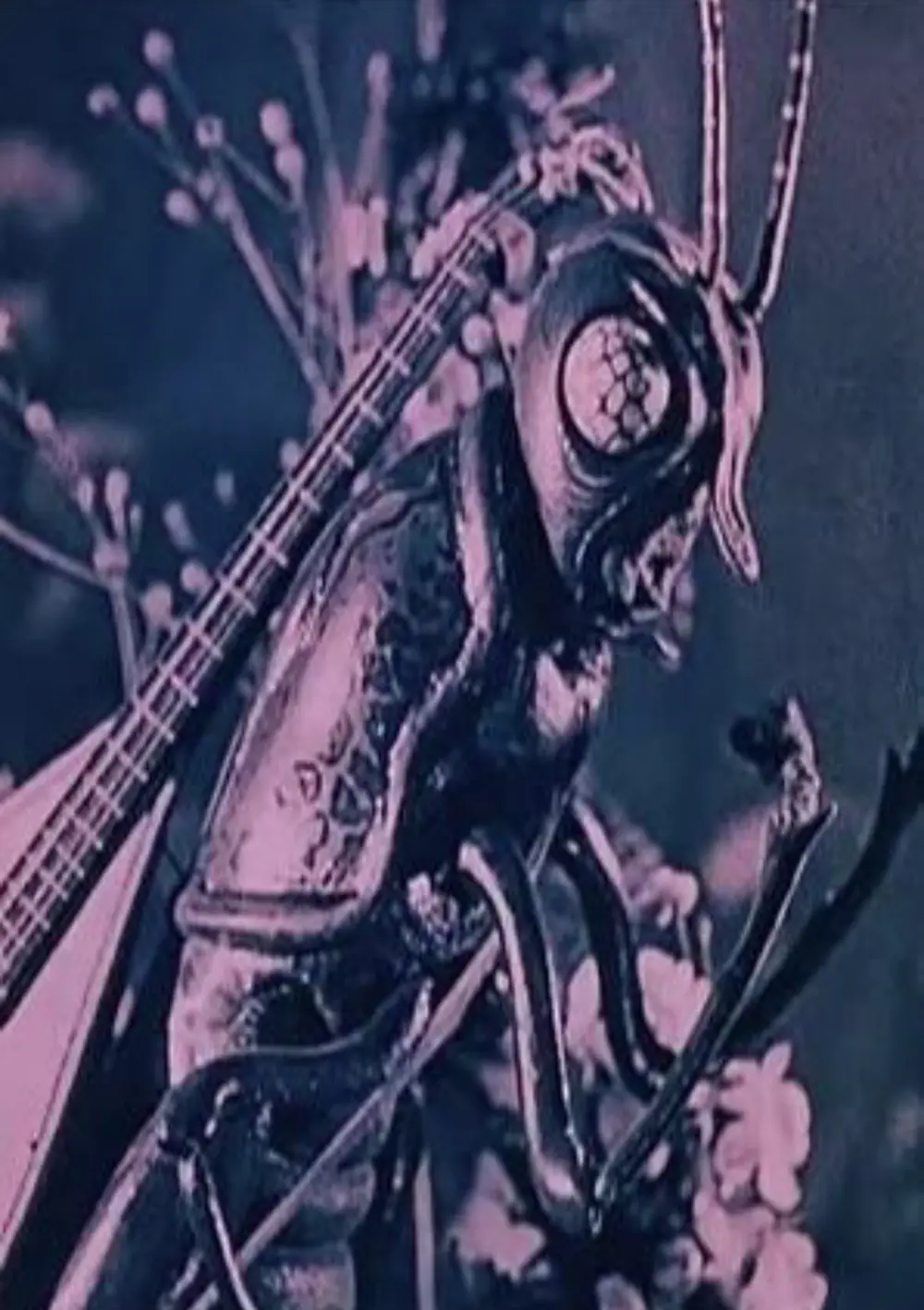
The King of Spiders is a triumph of early costume design. He is a looming, multi-limbed threat that moves with a staccato, arachnid rhythm. In many ways, he represents the 'shadow' side of the film’s morality. If Nina represents the nurturing side of nature, the Spider King represents its cold, predatory indifference. This binary conflict is simple, yes, but it is executed with a visual flair that reminds me of the stark moral landscapes in Tol'able David.
There is a specific moment when the Spider King first appears behind Nina. The lighting shifts from a soft, ethereal glow to a harsh, top-down key light that emphasizes the texture of his chitinous armor. It’s a jump-scare before jump-scares were a trope. The film understands that the scariest thing isn't the monster itself, but the way the monster disrupts the beauty of the dream.
Short answer: Yes, but only for specific audiences. If you are looking for a fast-paced thriller, this is not it. However, if you are interested in the evolution of special effects and the way silent cinema handled surrealism, it is a mandatory watch. It offers a glimpse into a time when movies were still discovering how to visualize the impossible.
The film is a masterclass in atmosphere. While it lacks the narrative complexity of Forbidden Fruit or the social commentary of The Money Mill, it succeeds in creating a world that feels entirely separate from our own. It is a 1500-word essay in visual poetry, compressed into a short, flickering runtime.
Pros:
- Innovative visual effects for the 1920s.
- Striking, nightmarish set design in the Spider King’s lair.
- A unique take on the 'dream logic' narrative structure seen in The Beloved Impostor.
Cons:
- Pacing issues in the second act.
- The protagonist is largely passive.
- The moral of the story is hit with a very heavy hand, unlike the nuance in The Bar Sinister.
When placed alongside The Yellow Back or The Innocent Cheat, La reine des papillons stands out for its refusal to stay grounded. While those films deal with human scandals and social hierarchies, this film is purely interested in the subconscious. It shares more DNA with the experimental shorts of the era than with the mainstream features. Even something as lighthearted as Matri-Money feels more 'modern' than this film, because the Butterfly Queen is rooted in a folkloric tradition that feels ancient even for 1924.
The film’s greatest strength is its weirdness. It doesn't try to be You Find It Everywhere. It knows it is a niche product. It embraces the bizarre nature of its premise—a girl being crowned by bugs—and plays it completely straight. That earnestness is what makes it survive today.
La reine des papillons is a fragile, beautiful, and occasionally terrifying artifact. It is a film that reminds us that cinema was born from a desire to see our dreams projected on a wall. While the story is thin and the gender roles are dated, the visual ambition is undeniable. It is a technical triumph that deserves a place in the conversation of early fantasy cinema. It works as a dream, even if it fails as a drama.
IMDb 6.9
1935
Community
Log in to comment.