DbcultAccessing Vault...
5.8/10
Senior Film Conservator
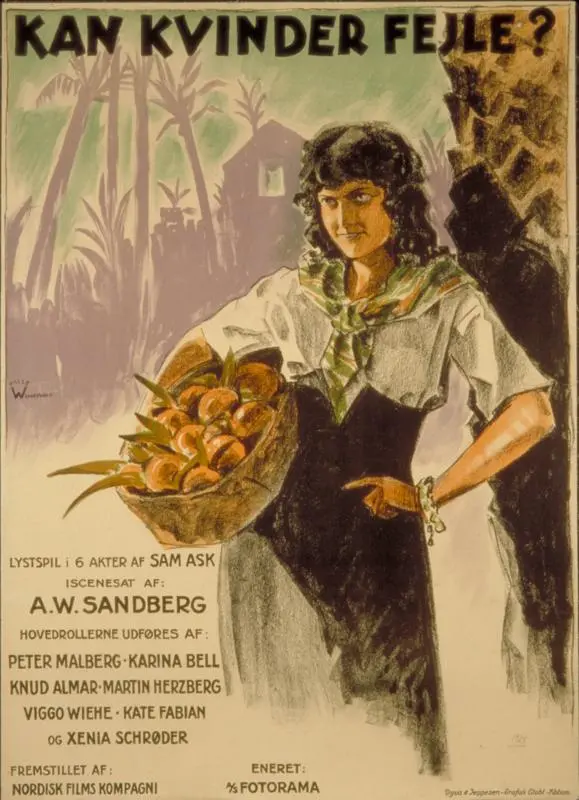
A definitive 5.8/10 rating for a film that redefined the boundaries of cult cinema. Kan Kvinder fejle? remains a cornerstone of transgressive art.
Stepping back into the flickering shadows of early 20th-century cinema, one encounters a cinematic gem that, despite its silent nature, speaks volumes about the human condition, particularly the often-treacherous journey of female emancipation. Kan Kvinder fejle?, or 'Can Women Err?', is far more than a simple melodrama; it is a profound societal commentary, a psychological study veiled in dramatic escapism, and a testament to the timeless struggle between individual desire and collective expectation. Its very title poses a question that was, and in many ways remains, deeply provocative, challenging the binary moral judgments frequently cast upon women who dare to deviate from the established path.
At the heart of this compelling narrative lies Helga, brought to vivid, emotive life by the remarkable Xenia Schrøder. Schrøder’s performance, a masterclass in silent film acting, conveys a complex inner world through subtle gestures, expressive eyes, and a palpable sense of yearning. Helga is not merely a naive girl swept off her feet; she is a spirit yearning for something beyond the confines of her world, a world perhaps not overtly oppressive, but certainly lacking in the vibrant pulse she craves. Her life, we infer, is one of quiet expectation, of duties fulfilled and a future meticulously planned by others. The arrival of Carlo, the Italian charmer, is not merely an external catalyst; he represents an awakening within Helga herself, a mirror reflecting her own unarticulated desires for adventure, for passion, for a life lived on her own terms.
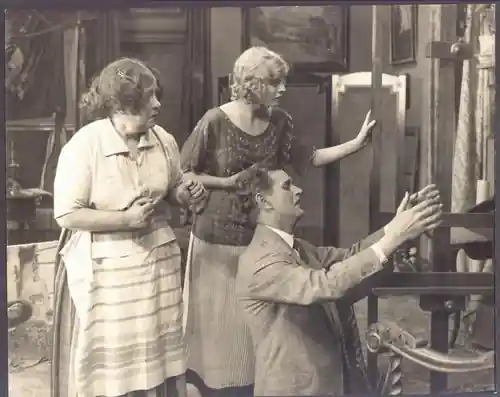
Carlo, portrayed with a seductive ease that borders on the predatory, embodies the exotic 'other' – a figure from a land of passion and spontaneity, a stark contrast to the perceived Nordic reserve. He is the embodiment of a romanticized freedom, a promise whispered in a language Helga barely understands but instinctively trusts. Her decision to run away with him is not just an act of love, but a deeply personal rebellion against the inertia of her existence. It’s an assertion of self, a desperate grasp for agency in an era where women's choices were often circumscribed by family, reputation, and an unforgiving moral code. This narrative resonates with the broader societal shifts occurring at the time, as women across Europe began to push against traditional boundaries, seeking greater independence and self-expression. One might draw thematic parallels to films like Woman Against Woman; or, Rescued in the Clouds, which similarly grappled with female protagonists navigating difficult choices and societal judgments, albeit perhaps with more overt melodramatic flair. Here, the struggle is internal, nuanced, and all the more impactful for it.
The screenplay, penned by Sam Ask, deserves particular commendation for its nuanced understanding of human motivation and the subtle unfolding of consequence. Ask avoids simplistic villainy or saccharine romanticism, opting instead for a portrayal of events that feels tragically authentic. He understands that Helga's choices, while seemingly impulsive, are rooted in a deeper discontent, and that Carlo's charm, while genuine in its initial expression, is ultimately superficial. The narrative arc, from impetuous escape to inevitable disillusionment, is crafted with a keen eye for psychological realism, allowing the audience to empathize with Helga's plight even as they foresee her eventual predicament. This is not a story that preaches, but one that observes, allowing the audience to ponder the 'error' in 'Can Women Err?' – is the error in the act itself, or in the societal judgment that condemns it?
While Schrøder undoubtedly carries the film, the ensemble cast provides a rich backdrop against which Helga's drama unfolds. Kate Fabian, Knud Almar, Viggo Wiehe, Peter Malberg, Karina Bell, and Martin Herzberg all contribute to the film’s textured reality, each portraying characters who, in their reactions to Helga’s choices, illuminate the societal fabric of the time. Their performances, though often less prominent, are crucial in grounding the central narrative in a believable world, reflecting the conservative attitudes and judgmental gazes that would inevitably confront a woman who dared to defy convention. The silent film era demanded a unique intensity from its actors, and this cast delivers, using every facial flicker and body posture to communicate unspoken thoughts and feelings. The familial despair, the gossiping neighbors, the disappointed friends – these elements are conveyed with a clarity that transcends the lack of dialogue.
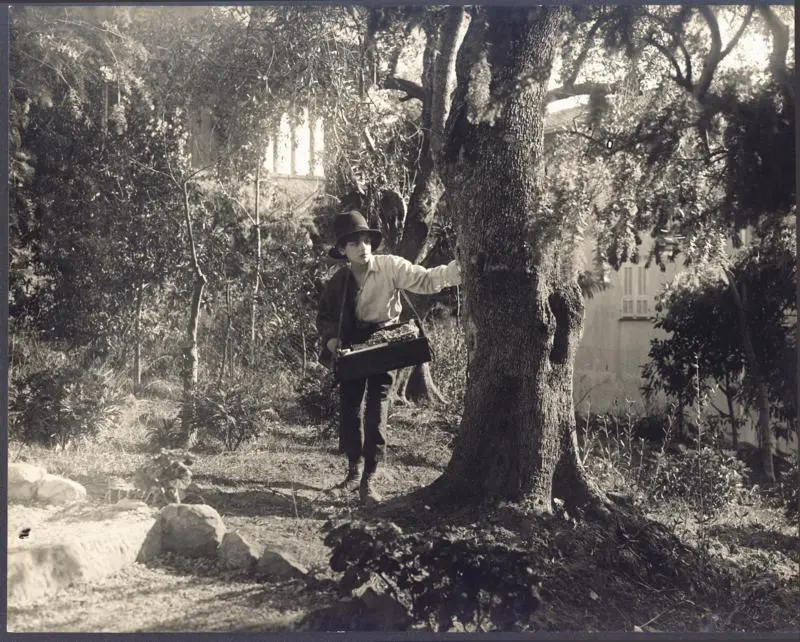
The power of Kan Kvinder fejle? also lies in its visual storytelling, a hallmark of the silent era. The cinematography, though perhaps not as overtly experimental as some of its contemporaries, effectively uses composition and editing to convey emotion and narrative progression. The contrast between the familiar, perhaps stifling, Danish landscapes and the exotic, yet increasingly claustrophobic, foreign settings underscores Helga's journey from naive hope to bitter realization. Close-ups on Schrøder's face allow the audience intimate access to her evolving emotional state, while wider shots establish the context of her isolation or fleeting joy. The pacing, too, is carefully controlled, allowing moments of tension to build and moments of reflection to linger, drawing the viewer into Helga's internal world. This careful craftsmanship ensures that the film's message is delivered with unwavering clarity, even without spoken words.
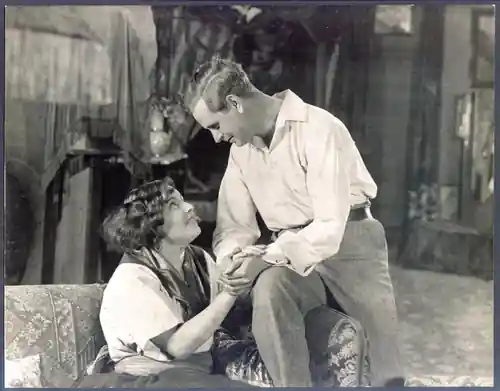
The film's title, 'Can Women Err?', is not merely a rhetorical flourish; it’s a direct challenge to the prevailing moral double standards of the period. While a man's youthful indiscretions might be dismissed as 'sowing wild oats,' a woman's similar choices often resulted in social ostracism and irreversible damage to her reputation. Kan Kvinder fejle? meticulously dissects this societal hypocrisy, presenting Helga's journey not as a simple moral fable, but as a complex exploration of agency, consequence, and the unforgiving nature of judgment. Is Helga's 'error' the act of running away, or the belief that she could escape the societal constraints placed upon her gender? The film invites us to consider whether her perceived 'mistake' is a failure of character, or a failure of a society that offers women so few avenues for self-fulfillment outside of traditional roles.
In this regard, the film serves as a fascinating historical document, reflecting the anxieties and aspirations of an era grappling with nascent feminist ideals. It speaks to the universal desire for self-determination, a theme that transcends its silent origins and remains acutely relevant today. One could, for instance, juxtapose Helga's journey with the more overtly comedic, yet still socially critical, explorations of gender roles seen in films like Are You a Mason?, where social expectations and secret societies provide a different kind of pressure. While one leans into farce, Kan Kvinder fejle? delves into the tragic, but both highlight the performative aspects of societal living.
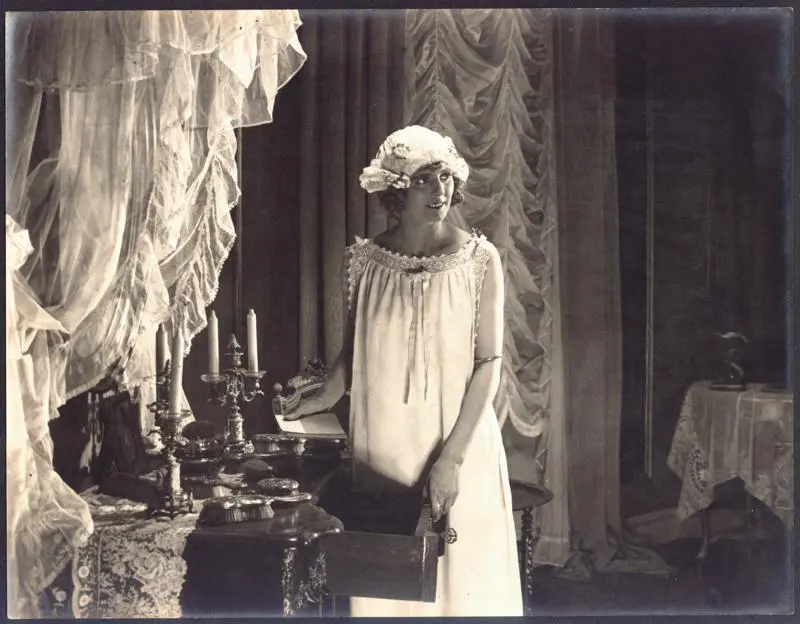
What truly elevates Kan Kvinder fejle? beyond a mere historical curiosity is its enduring emotional power. Helga's eventual disillusionment, her longing for the home she so impulsively abandoned, and the stark reality of her choices are conveyed with a raw honesty that resonates across generations. The film doesn't offer easy answers or neat resolutions; instead, it leaves the viewer with a profound sense of the complexities inherent in human relationships and the often-painful process of self-discovery. It is a quiet call for empathy, urging us to look beyond superficial judgments and understand the underlying desires and pressures that drive individuals to make life-altering decisions.
The film's exploration of disillusionment is particularly poignant. Helga’s dream of a vibrant, unburdened life with Carlo slowly crumbles, replaced by the harsh realities of his fickle nature and the precarity of a life lived outside conventional bounds. This arc of romantic idealization giving way to stark realism is a powerful narrative device, one that continues to be explored in cinema today. The quiet despair that settles upon Helga, the realization that her grand escape was merely a trade of one set of chains for another, albeit self-imposed ones, is heartbreakingly rendered by Schrøder. It’s a testament to the film’s power that it can evoke such profound sorrow and reflection without a single spoken word, relying solely on the universal language of human emotion and masterful visual storytelling.
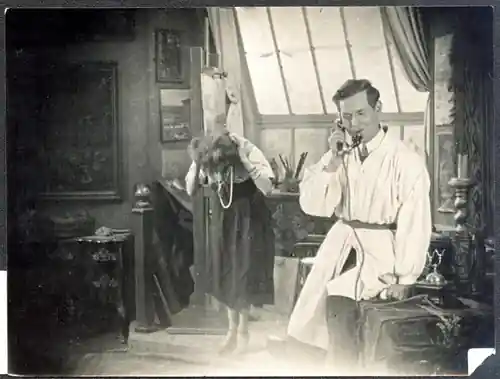
In conclusion, Kan Kvinder fejle? stands as a vital piece of cinematic history, not just for its technical merits as a silent film, but for its courageous thematic exploration. It asks a question that continues to echo through the corridors of time: can women err, or is the 'error' often a construct of a society unwilling to grant them true autonomy? The film doesn't shy away from depicting the harsh consequences of Helga's choices, but it also compels us to question the societal structures that make such choices so perilous for women. It is a film that demands to be seen, not as a relic of a bygone era, but as a timeless meditation on freedom, love, and the enduring human quest for a life authentically lived. Its quiet power serves as a reminder that even in silence, the most profound questions can be posed, and the most resonant stories told, leaving an indelible mark on the viewer long after the final frame.
The film's relevance today is perhaps even sharper, given ongoing dialogues about gender equality, personal freedom, and the scrutiny women face in their life choices. While the specific societal pressures have evolved, the core tension between individual aspiration and external judgment remains a potent force. Helga's story, therefore, transcends its historical context, offering a mirror to contemporary audiences who continue to navigate similar, albeit modernized, dilemmas. It’s a compelling argument for the enduring power of silent cinema to communicate universal truths with unparalleled grace and emotional depth, proving that some questions, once asked, simply refuse to be silenced. Its exploration of personal responsibility versus societal burden is a debate that continues to rage, making Kan Kvinder fejle? a surprisingly modern artifact from a distant past, a silent film with a roaring message.
IMDb 6.9
1936
Community
Log in to comment.