DbcultAccessing Vault...
Cult Review
Senior Film Conservator
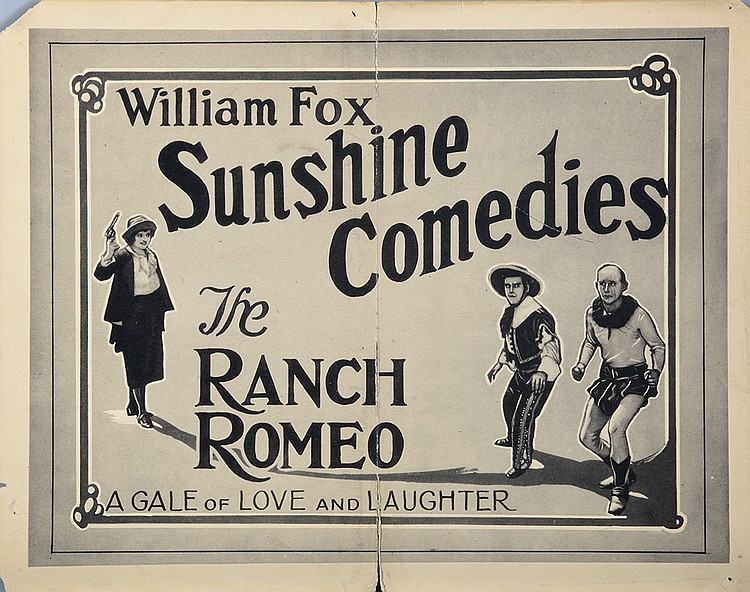
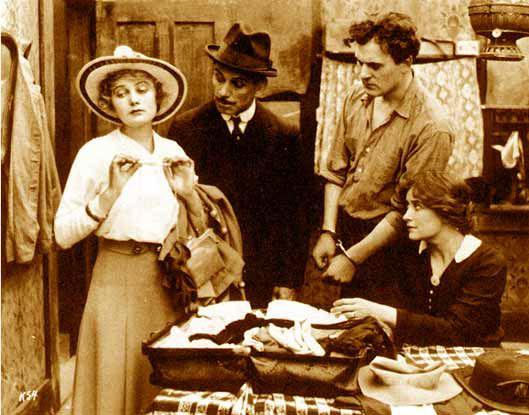
The silent era, a crucible of cinematic experimentation and narrative innovation, often found its richest veins of storytelling not in grand epics, but in the intimate dramas and lighthearted comedies of everyday life. The Ranch Romeo, a charming artifact from 1918, epitomizes this trend, offering a poignant yet humorous glimpse into a community utterly upended by the arrival of a single individual. Before the advent of spoken dialogue, filmmakers relied on exaggerated expressions, physical comedy, and carefully crafted intertitles to convey complex emotions and intricate plot points, a craft that this particular production navigates with commendable dexterity. It’s a testament to the universal appeal of human foibles, particularly those entangled in the thorny thicket of romantic pursuit, that such a straightforward premise could generate so much dramatic and comedic mileage. The film's setting, undoubtedly a bucolic landscape, serves as more than just a backdrop; it is a character in itself, a canvas upon which the vibrant hues of human desire and societal expectation are painted with broad, expressive strokes.
At the heart of this delightful narrative lies the arrival of the new schoolteacher, an event that, in a small, isolated community, carries disproportionate weight. She is not merely an educator; she is a harbinger of change, a fresh face in a familiar tableau. Her beauty, described as captivating, acts as an almost elemental force, an unintentional siren song that resonates across all demographic lines. From the callow youths, perhaps experiencing their first stirrings of infatuation, to the seasoned patriarchs, whose hearts might have long been thought impervious to such allure, her presence casts a wide, enchanting net. This collective enchantment is not malicious; rather, it speaks to a certain innocence and perhaps a lack of external stimuli in the ranch community, making her arrival an event of seismic social significance. The schoolhouse itself transforms from a mere institution of learning into a veritable arena of courtship, where lessons in arithmetic are perhaps overshadowed by lessons in longing.
The ensuing community reaction forms the bedrock of the film's comedic appeal. One can almost picture the awkward stammering, the ill-conceived attempts at gallantry, the subtle (and not-so-subtle) rivalries blossoming among the male populace. This collective infatuation is portrayed with a light touch, evoking smiles rather than scorn. It's a classic setup for a romantic comedy, where the object of affection is initially oblivious or overwhelmed by the sheer volume of attention. The film brilliantly captures the essence of small-town gossip and the rapid spread of news, particularly when it pertains to matters of the heart. The camera likely lingers on the varied expressions of hopeful suitors, each convinced of his unique charm, oblivious to the shared delusion. This shared experience of longing, though competitive, also binds the community in a peculiar, almost endearing way, highlighting the human tendency to seek connection, even if it's through a shared, unrequited crush. Much like the societal ripples observed in a film such as The Tangle, the arrival of a newcomer in a tight-knit community often serves as a powerful narrative engine for exploring established social dynamics.
Just as the romantic frenzy reaches a fever pitch, a mysterious man appears, a figure of enigmatic charm and perhaps, a hint of roguish opportunism. His sudden materialization is a classic cinematic device, a catalyst designed to inject further complexity into an already simmering pot of emotions. He is not just a stranger; he is a peddler, a merchant of dreams, or perhaps, delusions. His wares are not mundane trinkets, but engagement rings, symbols freighted with immense emotional and social significance. The very act of selling these rings, especially under such circumstances, immediately casts him in a dubious light, hinting at a scheme far more elaborate than simple commerce. His presence introduces an element of intrigue, transforming the gentle comedy of infatuation into a narrative fraught with potential deception and unforeseen consequences. His motives are initially shrouded in shadow, making his interactions with the eager suitors all the more compelling.
The scheme itself, centered around the sale of these 'doubtful value' engagement rings, is a stroke of narrative genius. It weaponizes the suitors' collective desperation and their desire to outdo one another. Each ring represents a hopeful investment, a tangible claim to the teacher's affections, yet their dubious value foreshadows the deeper deception at play. This particular plot device speaks volumes about the societal pressures surrounding courtship and marriage in the early 20th century. A ring was not just a symbol; it was often a prerequisite, a public declaration of intent. The mysterious man exploits this cultural norm, preying on the romantic naiveté of the community. The irony is palpable: these men, so eager to pledge their futures, are unwittingly buying into a charade, their aspirations manipulated for another's gain. This setup, full of comedic potential and underlying tension, is reminiscent of the intricate romantic predicaments found in films like Happiness a la Mode, where misunderstandings and external influences complicate matters of the heart.
The grand reveal, that the mysterious peddler is in fact the schoolteacher's husband, is the narrative's pivotal moment, a delicious twist that recontextualizes everything that came before. This revelation transforms the charming romantic comedy into something more complex, a story tinged with betrayal and marital discord. The collective gasp of the audience, were this viewed in a bustling picture palace of the era, would have been almost audible. All the hopeful aspirations of the suitors, all the rings purchased, crumble in an instant. This twist subverts the traditional romantic trope of the lone, eligible woman, injecting a dose of harsh reality into the idyllic ranch setting. It also casts the teacher in a new light, perhaps as a victim of circumstance, or perhaps as someone with a past she sought to escape. The film expertly uses this disclosure to heighten both the drama and the inherent absurdity of the situation, showcasing the often-unpredictable nature of human relationships.
However, the narrative veers away from a predictable marital reunion. Instead of escaping with his wife, the husband makes an audacious, almost cynical choice: he absconds with another local girl. This unexpected turn is where The Ranch Romeo truly distinguishes itself. It's a moment of delightful subversion, defying conventional romantic resolutions. This decision speaks volumes about the husband's character – his opportunism, his lack of genuine affection for the teacher, and perhaps a desire for a fresh start unburdened by his past schemes. It also neatly resolves the teacher's predicament, freeing her from a dubious marriage without the need for dramatic confrontation or legal wrangling. The sheer unexpectedness of this choice ensures that the film avoids saccharine sentimentality, opting instead for a resolution that is both pragmatic and ironically comedic. This kind of unexpected turn echoes the clever plot devices seen in films like Fate's Frame-Up, where personal choices drastically alter the course of events.
This leaves the beautiful schoolteacher, now unencumbered by her deceptive spouse, available for the genuine affections of the film's hero, portrayed by the earnest Gilbert Holmes. Holmes, a familiar face in early cinema, imbues his character with a quiet strength and sincerity that contrasts sharply with the boisterous, often comical, pursuit of the other suitors. His hero is not one who relies on grand gestures or purchased trinkets, but presumably on genuine admiration and respect. The film, through this resolution, champions authentic connection over superficial attraction or material promises. Holmes’s portrayal likely emphasizes his character’s integrity, making his eventual triumph feel earned and satisfying. He represents the steadfast, moral core amidst the romantic chaos, a beacon of true sentiment in a sea of infatuation and deception. His presence grounds the film, providing a relatable anchor for the audience as the plot twists and turns.
The central theme of deception permeates The Ranch Romeo, driving its plot forward with an almost relentless momentum. The mysterious husband's elaborate charade, from his disguised identity to his fraudulent merchandise, forms the narrative's backbone. This deception is not merely a plot device; it serves as a commentary on appearances versus reality, and the ease with which human desires can be manipulated. The film subtly explores the ripple effects of such dishonesty, impacting not just the immediate victims but the entire community's sense of trust and order. The eventual unraveling of this deception, while initially disruptive, ultimately paves the way for a more honest and stable romantic outcome. It's a classic morality play wrapped in the guise of a lighthearted comedy, where truth, albeit revealed through unconventional means, ultimately prevails over artifice.
Beyond mere infatuation, the film delicately explores the distinction between superficial attraction and genuine love. The collective swooning of the community over the teacher's beauty represents the former—a fleeting, almost primal response to an appealing aesthetic. The hero's eventual connection with her, however, signifies the latter—a deeper, more meaningful bond built on understanding and shared values. The rings of 'doubtful value' serve as a potent metaphor for superficiality; they are empty promises, devoid of true sentiment. The film suggests that true affection cannot be bought or coerced, but must emerge organically. This thematic exploration adds a layer of depth to what could otherwise be a simple comedic romp, elevating it to a commentary on the nature of human connection. It's a timeless message, resonating as strongly today as it did over a century ago, reminding us that true worth lies beyond the visible.
The dynamics of the ranch community are fascinatingly portrayed. It’s a microcosm of early 20th-century rural life, where social bonds are tight, and new arrivals are met with intense scrutiny and, in this case, overwhelming enthusiasm. The film subtly critiques the insularity of such communities, where a single beautiful woman can ignite a widespread romantic frenzy. Yet, it also celebrates their inherent charm and the collective spirit, even if that spirit is temporarily misguided by infatuation. The gossip, the shared excitement, the collective disappointment—all these elements paint a vivid picture of a small town grappling with an unexpected upheaval. The eventual restoration of order, albeit through a most unusual series of events, speaks to the resilience and adaptability of these close-knit social structures. This portrayal of community reaction is a thread that ties it to films like From the Valley of the Missing, where community response to an anomaly drives much of the narrative tension.
Gilbert Holmes's performance as the eventual hero is crucial to the film's success. In the silent era, acting was a highly physical art form, relying on exaggerated facial expressions, grand gestures, and precise body language to convey emotion without the aid of dialogue. Holmes, with his characteristic earnestness, likely portrays his character with a blend of quiet observation and understated determination. He wouldn't have been a flamboyant suitor, but rather the steady, reliable presence that ultimately wins the day. His ability to convey sincerity and genuine affection through purely visual means would have been paramount. This kind of nuanced, non-verbal acting was the hallmark of many silent film stars, allowing them to transcend the limitations of the medium and connect deeply with audiences. His performance would have provided a much-needed emotional anchor amidst the more theatrical antics of the other characters, embodying the ideal of the 'good man' who waits patiently for his moment.
The filmmaking techniques employed in 1918, while rudimentary by today's standards, were remarkably effective in their time. Cinematography would have focused on clear framing and composition, utilizing the natural light of the rural setting to create an authentic atmosphere. The camera's gaze would have been instrumental in establishing the expansive ranch environment and the intimate interactions within the schoolhouse. Intertitles, those invaluable textual inserts, served not only to convey dialogue but also to provide narrative exposition, bridge scene changes, and offer humorous asides. Their careful placement and wording were an art in themselves, guiding the audience through the story's complexities. The pacing of silent comedies, often brisk and dynamic, would have ensured that the unfolding romantic chaos maintained a lively tempo, preventing any scenes from dragging. The implied musical accompaniment, performed live in theaters, would have added another layer of emotional resonance, swelling with romantic tension or bubbling with comedic mischief, enhancing the audience's immersion in the narrative.
Placing The Ranch Romeo within its historical context of 1918 offers further insights. The world was still reeling from the Great War, and escapist entertainment, particularly lighthearted comedies, provided much-needed solace. Societal values regarding courtship, marriage, and the role of women were in flux. A beautiful, single schoolteacher in a rural setting would have been a figure of both admiration and scrutiny, embodying evolving gender roles while still navigating traditional expectations. The film, in its own way, reflects these tensions, albeit through a comedic lens. It's a snapshot of a particular moment in American history, where traditional community structures met the burgeoning modernity of mass media. The film's light approach to these themes makes it accessible, yet its underlying social commentary is subtly present for those who choose to look deeper. The phenomenon of a new teacher causing a stir is a trope that has appeared in many cultures, notably in films like Hoppla, Herr Lehrer, highlighting a universal fascination with the impact of education and educators on community life.
The archetypal 'stranger in town' motif is powerfully utilized here, particularly through the character of the mysterious husband. This figure, much like the catalysts in films such as From the Valley of the Missing or The Tangle, arrives to disrupt the established equilibrium, forcing the community to confront its own desires and vulnerabilities. His initial charm and entrepreneurial spirit (selling the rings) quickly give way to his true, more duplicitous nature, revealing the dangers of superficial allure. This character serves as a narrative fulcrum, pivoting the story from simple romantic comedy to a tale of mild intrigue and ultimately, moral rectification. His transient nature, his brief but impactful presence, underscores the theme that not all that glitters is gold, and that true character often lies beneath a polished facade. His departure, rather than his arrival, truly sets the stage for the genuine romance to flourish.
Considering the period's limitations, the implied direction and narrative efficiency of The Ranch Romeo are noteworthy. Without explicit writer credits, one can only infer the collaborative genius behind such a tightly plotted story. The film manages to introduce a compelling character, establish a widespread conflict, introduce a deceptive antagonist, execute a surprising twist, and deliver a satisfying resolution—all within the relatively concise runtime typical of a silent film. This speaks to a strong directorial vision and a clear understanding of cinematic storytelling principles. The ability to convey complex emotional arcs and character motivations through visual cues alone is a testament to the skill of the filmmakers. It's an example of how early cinema, despite its technical constraints, often achieved remarkable narrative sophistication through careful planning and effective execution, prioritizing clarity and impact over lengthy exposition.
The film's comedic elements, particularly those stemming from the various suitors' attempts to win the teacher's heart, align with the broader tradition of silent comedies focused on romantic predicaments. Think of the broad physical humor and exaggerated situations found in films like Sweet Patootie or Nutt Stuff, though The Ranch Romeo likely maintains a slightly more grounded tone. The humor arises from the universal experience of human folly in the face of desire, a subject that transcends time and cultural boundaries. The film likely leverages visual gags, comical misunderstandings, and the sheer absurdity of a whole community vying for one person's affection. This lighthearted approach ensures that even with the introduction of deception and a marital twist, the overall tone remains engaging and entertaining, never veering into overly dramatic territory. The charm is in its ability to poke fun at human nature without being unkind.
The resolution, where the hero, Gilbert Holmes, is left with the now-available schoolteacher, embodies the classic triumph of virtue. It’s a narrative arc often seen in early cinema, where the upright, honest protagonist eventually wins the day, often after navigating a series of trials or deceptions. This trope, evident in films like Thou Art the Man, reinforces a sense of moral order and poetic justice. The hero, who likely didn't participate in the frantic, ring-buying frenzy, stands apart, representing a more authentic path to love. His patience and genuine regard are ultimately rewarded, providing a satisfying conclusion for audiences who appreciated clear-cut moral victories. This happy ending, while perhaps predictable, is nevertheless earned through the preceding narrative complexities, leaving a lingering sense of romantic satisfaction.
IMDb 6.4
1929
Community
Log in to comment.