DbcultAccessing Vault...
6.7/10
Senior Film Conservator
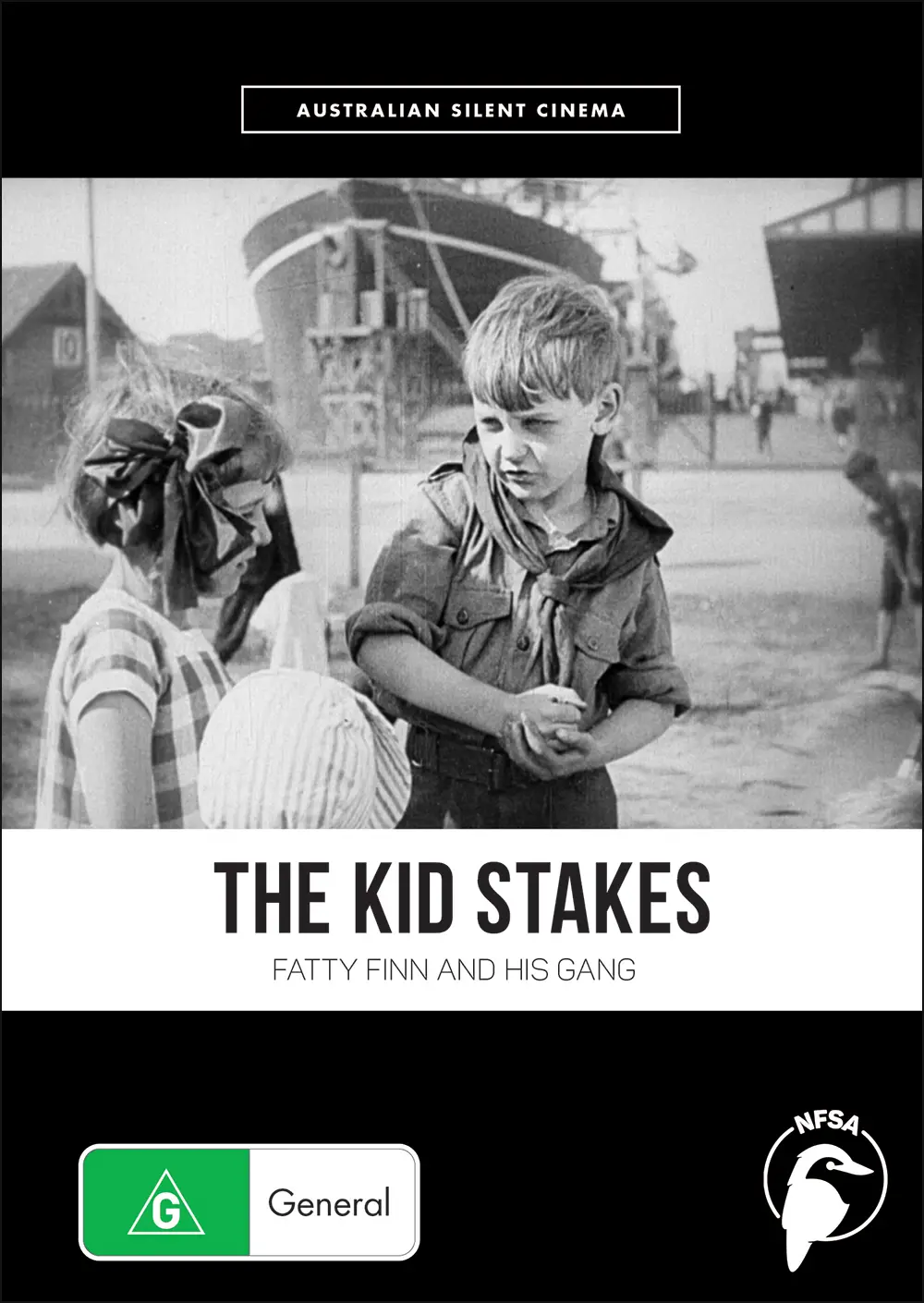
A definitive 6.7/10 rating for a film that redefined the boundaries of cult cinema. The Kid Stakes remains a cornerstone of transgressive art.
Is this film worth watching today? Short answer: Yes, but only if you have an appetite for historical texture and can forgive the technical limitations of a century-old production.
This film is for anyone who appreciates the roots of Australian identity on screen and fans of silent-era physical comedy. It is definitely NOT for viewers who demand high-octane pacing or those who cannot engage with the slower, visual-heavy storytelling of the 1920s.
1) This film works because: It captures an unvarnished, authentic look at 1920s Sydney street life that feels more real than any modern period piece.
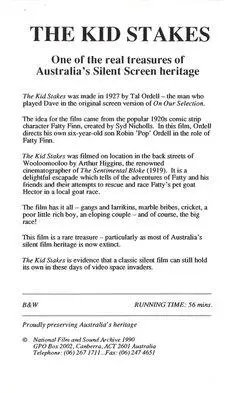
2) This film fails because: The narrative structure relies heavily on the audience's prior familiarity with the Fatty Finn comic strips, making some transitions feel abrupt.
3) You should watch it if: You want to see the literal blueprint for Australian screen comedy and a surprisingly nuanced performance by a child actor in 1927.
The Kid Stakes is a rare artifact that manages to transcend its age through sheer personality. While many silent films feel like museum pieces—cold and distant—this one breathes with the chaotic energy of the Woolloomooloo docks. It isn't just a movie; it's a time machine. If you can handle the absence of dialogue, the visual storytelling is remarkably clear and the humor remains surprisingly relatable. It is worth watching for the goat race alone, which is filmed with a kinetic energy that rivals the slapstick of Buster's Hunting Party.
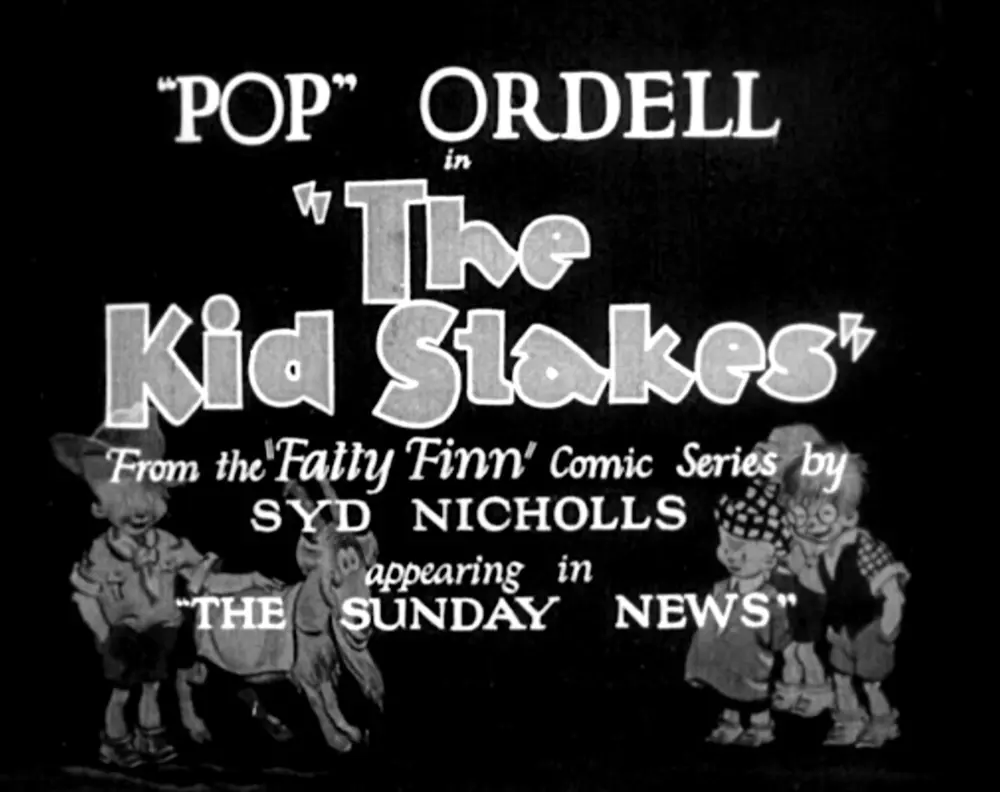
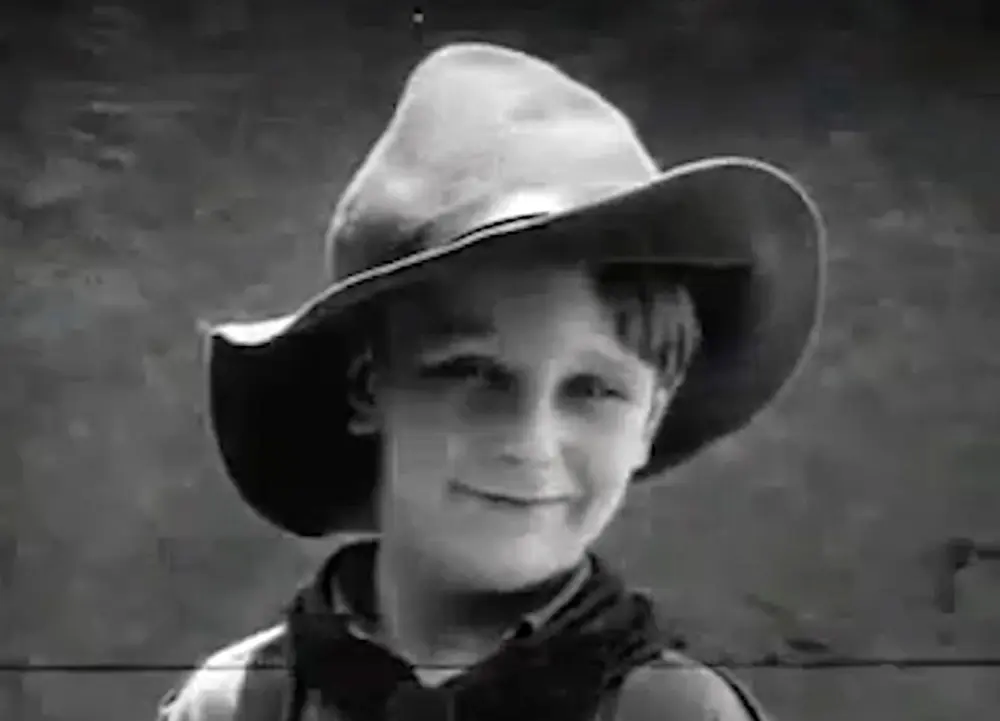
Director Tal Ordell didn't have the luxury of a Hollywood backlot. Instead, he used the streets of Sydney as his canvas. This decision is what gives The Kid Stakes its enduring power. When Fatty Finn, played with an incredible lack of artifice by Robin 'Pop' Ordell, runs through the narrow lanes, we see real laundry hanging from windows and real people watching from doorways. It’s a documentary-like realism that was rarely seen in the escapist cinema of the era, such as The Man Who Played God.
The cinematography by Arthur Higgins is surprisingly sophisticated. He doesn't just plant the camera and let the action happen. He moves with the children. During the sequence where Hector the goat is being chased through the neighborhood, the camera captures the frantic nature of the pursuit with a series of pans and tilts that were quite ambitious for 1927. It lacks the polish of European imports like Ihre Hoheit, but it gains a raw, jagged energy that fits the subject matter perfectly.
Let's talk about the kids. Usually, child acting in the silent era was a nightmare of exaggerated pouting and theatrical hand-wringing. Robin Ordell is different. He has a naturalistic face that carries the weight of his 'stakes' with genuine gravity. When he realizes his goat is gone, the heartbreak isn't a pantomime; it’s a quiet, devastating realization. It’s a performance that holds up far better than the more formal acting found in This Ancient Law.
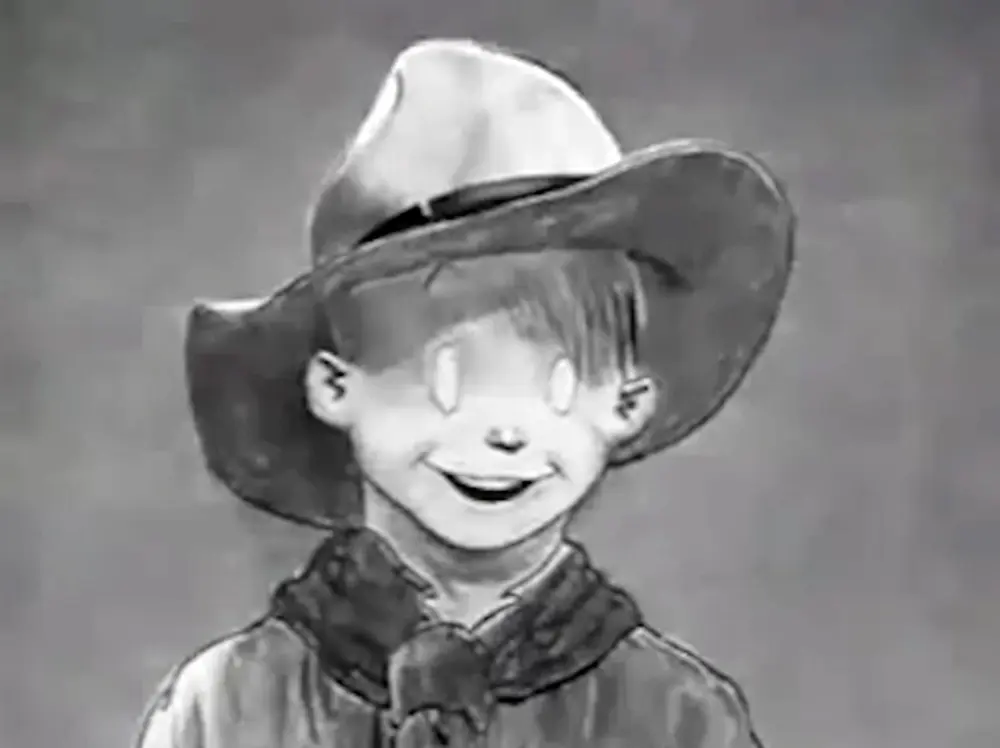
The rivalry with Bruiser Murphy is also handled with a refreshing lack of sentimentality. Bruiser isn't a cartoon villain; he’s just a bigger kid with a mean streak. Their confrontation doesn't end in a grand philosophical debate—it ends in the way childhood conflicts often do: with a mix of luck, grit, and the intervention of the community. This grounded approach to conflict is something modern family films often lose in favor of high-concept stakes.
The film isn't perfect. It works. But it’s flawed. The middle act drags as we spend a little too much time on the tangential activities of the neighborhood adults. While these scenes provide 'local color,' they distract from the momentum of the goat race. Compared to the tight editing of a film like High Speed, The Kid Stakes feels a bit baggy in its mid-section.
However, the tone is where Ordell excels. He balances the comedy with a sense of social realism that is quite striking. We see the poverty of the area, but it isn't treated as a tragedy. It’s just the backdrop for life. This unsentimental view of the working class is a far cry from the melodramatic 'poor girl' tropes often seen in films like Borrowed Clothes or Tom's Little Star.
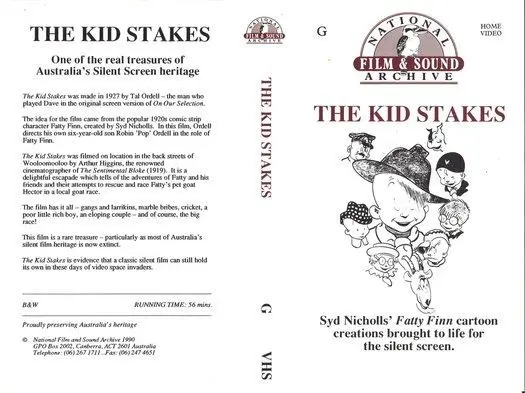
The film offers an incredible sense of place. You can almost smell the salt air and the dust of the streets. The use of real locations over studio sets gives it a grit that few silent films possess. Additionally, the chemistry between the child actors feels unforced, a rarity for the time. The goat, Hector, is also a surprisingly effective 'actor,' providing many of the film's best comedic beats.
The intertitles can be a bit wordy, reflecting the film's comic strip origins. Some of the humor is very specific to 1920s Australian slang, which might fly over the heads of modern international audiences. The print quality of surviving versions varies, which can make certain night scenes difficult to parse compared to the restored clarity of Spring.
Here is something most critics miss: The Kid Stakes is secretly a sports movie. It follows the exact beats of a modern underdog athletic drama—the training, the sabotage, the 'big game' (or race) at the end, and the ultimate triumph of the spirit. If you swap the goat for a race car or a boxing ring, the script wouldn't need much changing. It’s a testament to Tal Ordell’s understanding of narrative structure that he could apply these tropes to a story about children and their pets so effectively.
Furthermore, the film’s treatment of the rival, Bruiser, is surprisingly progressive. He isn't punished with some horrific fate; he is simply outclassed. It’s a very 'fair play' Australian approach to storytelling that contrasts with the more moralistic endings of American silent films like A Lady in Love.
The Kid Stakes is a triumph of local filmmaking. It doesn't try to be a grand epic like Fekete gyémántok or a sweeping romance like The Bachelor's Romance. It knows exactly what it is: a small, heartfelt story about a boy and his goat. In doing so, it captures something much larger—the soul of a burgeoning nation.
While it may lack the technical sheen of Blue Blood and Red, it compensates with an abundance of heart. It is a vital piece of cinematic history that remains entertaining because it refuses to take itself too seriously. If you have any interest in the evolution of comedy or the history of the Southern Hemisphere, this is an essential watch. It’s rough around the edges, but so was the Sydney it portrays. That’s exactly why it works.
"A scrappy, sun-drenched relic that proves you don't need a massive budget to capture the chaotic joy of childhood."
IMDb 6.1
1922
Community
Log in to comment.