DbcultAccessing Vault...
Cult Review
Senior Film Conservator
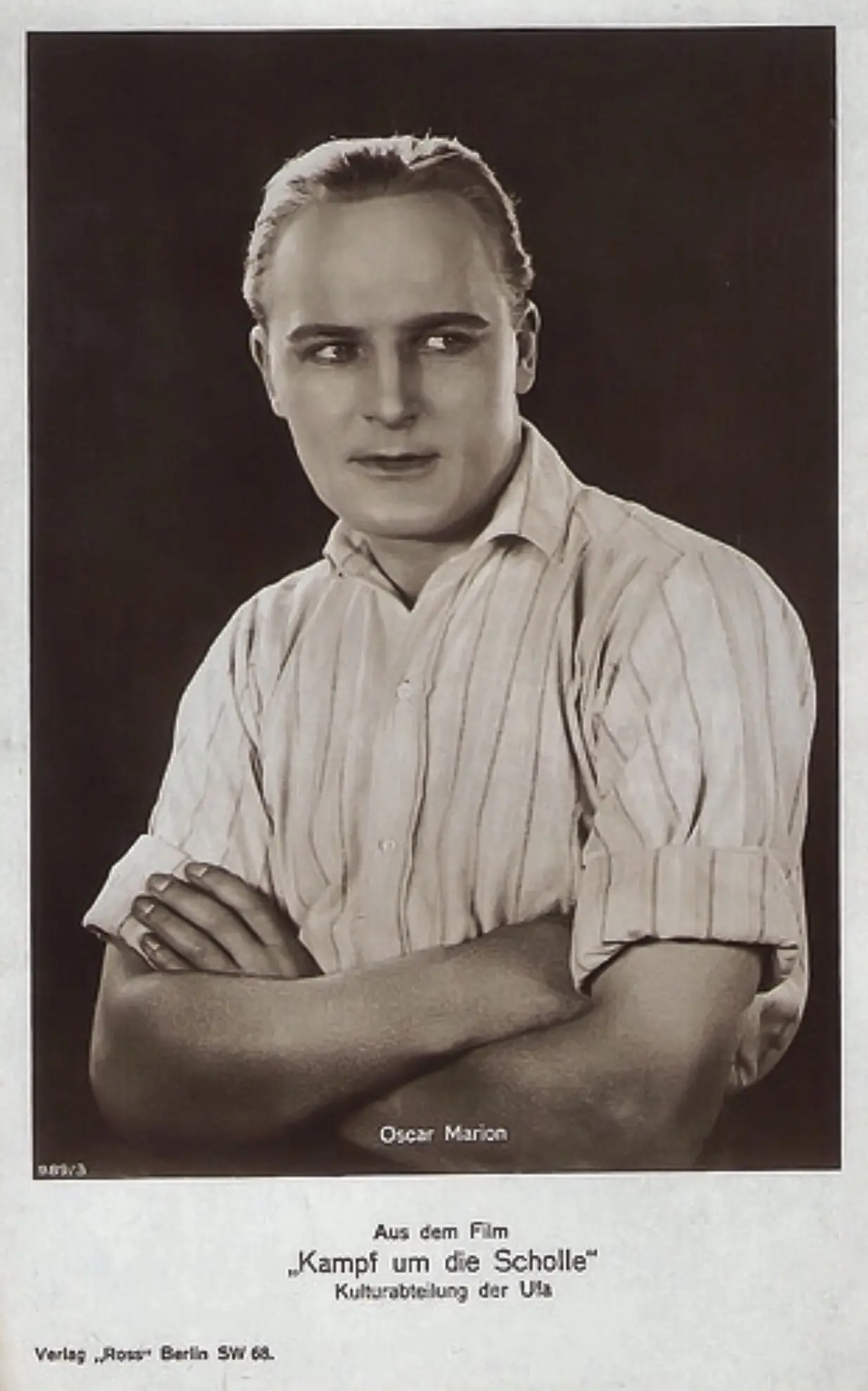
Is this 1925 agrarian drama worth your time today? Short answer: Yes, but only if you possess a deep patience for the deliberate pacing of Weimar-era social realism and have a genuine interest in the evolution of German cinema.
This film is specifically for historians of the silent era and those who appreciate the 'Heimatfilm' genre before it was sanitized by later political movements. It is absolutely not for viewers seeking fast-paced thrills or the high-contrast escapism of German Expressionism.
This film works because it grounds its high-stakes family drama in the tactile reality of the soil, using authentic locations to create a sense of place that feels lived-in and heavy with history.
This film fails because its reliance on the source material's dense plotting leads to an overabundance of intertitles that frequently disrupt the visual flow of the narrative.
You should watch it if you want to see a masterclass in character acting from Emil Rameau or if you are tracking the transition from silent melodrama to the 'New Objectivity' style of the late 1920s.
Kampf um die Scholle is an adaptation of Fritz Reuter’s literature, and it carries the weight of that literary heritage in every frame. Unlike the whimsical tone found in Amour et carburateur, this film is obsessed with the gravity of existence. The plot isn't just about a farm; it’s about the soul of a nation during the Weimar Republic’s period of precarious stabilization. The 'Scholle' represents more than property; it is a character in its own right, demanding sacrifice and labor.
The story moves with a heavy, rhythmic gait. It mirrors the seasons it depicts. In one early sequence, the way the camera lingers on the furrowed brows of the laborers as they look toward the horizon tells you more about the economic anxiety of 1920s Germany than any history book could. The film doesn't shy away from the ugliness of greed. It shows how the land can turn brothers against each other. It’s a theme we see echoed in other period pieces like Still Waters, though here the tone is significantly more somber.
Emil Rameau’s portrayal of Uncle Bräsig is the undisputed heart of the film. While many silent actors of the era relied on the exaggerated gestures found in The Fatal Sign, Rameau opts for a more grounded, textured approach. His performance is a blend of weary wisdom and unexpected humor. There is a specific scene where he sits alone in a dimly lit study, contemplating the stack of debt notices. The way he adjusts his spectacles and sighs—captured in a tight medium shot—humanizes the economic tragedy of the plot.
Ferdinand von Alten provides a sharp contrast as the more cynical, driven antagonist of sorts. His movements are precise and cold. The chemistry between the cast members feels authentic, likely due to Erich Waschneck’s direction, which prioritizes ensemble dynamics over individual star turns. Compared to the more theatrical performances in Anita Jo, the acting here feels surprisingly modern. It is restrained. It is deliberate. It works.
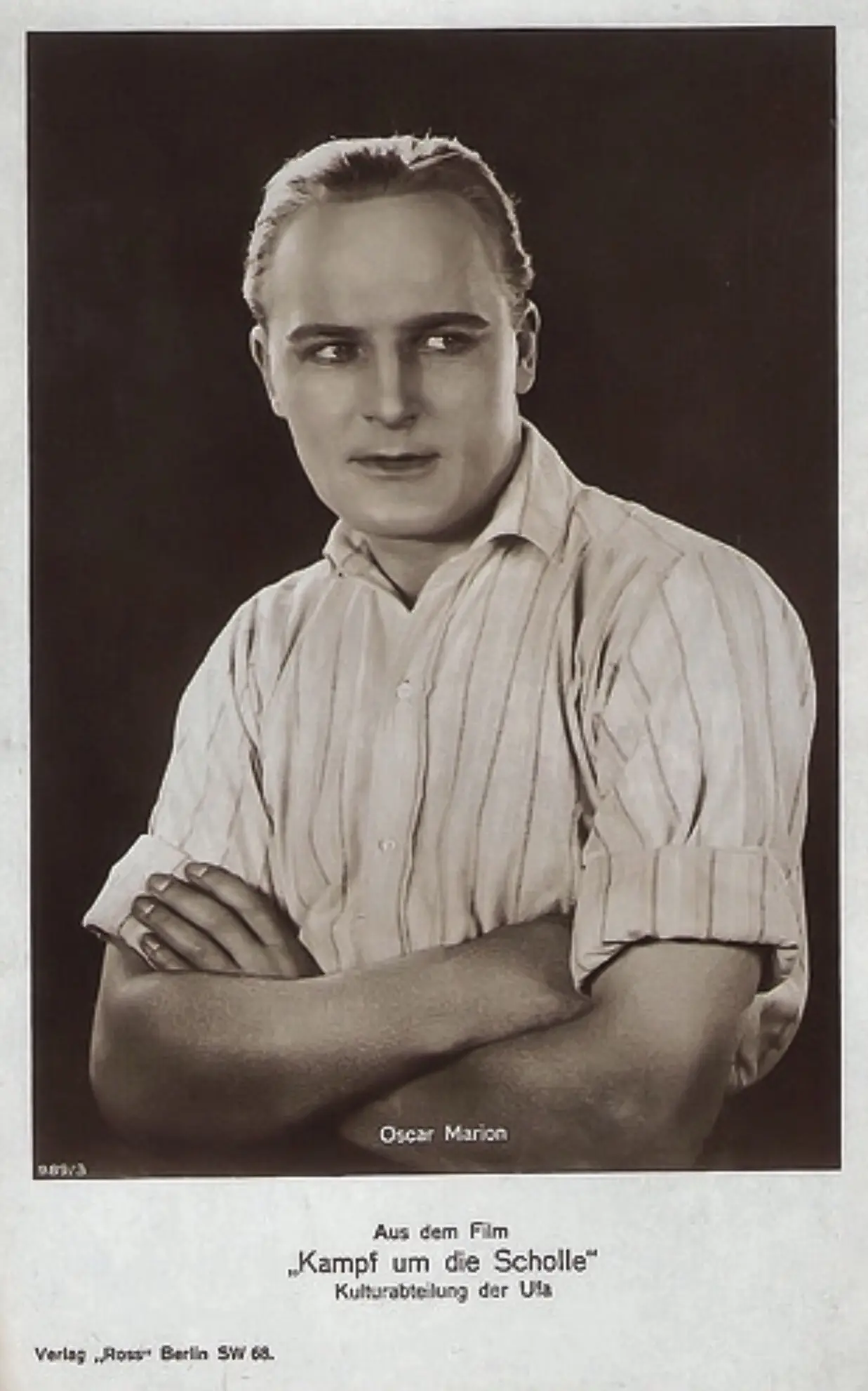
Director Erich Waschneck and his cinematographers chose to move away from the jagged shadows of Expressionism. Instead, they embraced a proto-realist aesthetic. The lighting is naturalistic, often utilizing the gray, flat light of the North German plains to emphasize the bleakness of the situation. The exterior shots are expansive. They make the human characters look small against the vastness of the fields. This isn't the stylized world of Dämon und Mensch; this is a world where you can almost smell the damp earth.
The pacing, however, is the film's Achilles' heel. At times, the narrative stalls. It gets bogged down in the minutiae of legal disputes and inheritance laws. While this adds to the realism, it can be a slog for a viewer accustomed to modern storytelling beats. The film demands your full attention, not because it is complex, but because its rewards are buried deep within its slow-burn atmosphere. The editing is functional but lacks the experimental spark seen in Looney Lens: Pas de deux.
If you are looking for a definitive answer: yes, Kampf um die Scholle is worth watching for its historical value and its grounded performances. It serves as a vital bridge between the theatrical silents of the early 1910s, like Marga, Lebensbild aus Künstlerkreisen, and the social realism that would dominate European cinema in the 1930s. It provides a window into a specific cultural anxiety regarding land and identity that is still relevant in modern discussions of globalization and heritage.
However, if you struggle with silent films that exceed ninety minutes and rely heavily on text, you might find this a chore. It is a film that rewards the patient. It does not offer easy catharsis. The ending is earned, but it is not 'happy' in the traditional sense. It is a film about survival, and survival is often a quiet, grueling process.
Pros:
Cons:
When we look at Kampf um die Scholle alongside other films from the mid-20s like Manhattan or The Masquerader, the difference in cultural priority is staggering. While American cinema was leaning into the jazz age and urban sophistication, German cinema was often looking backward—or downward at the soil—trying to find a sense of stability. This film feels much more aligned with the somber tones of Et Syndens Barn than the lighthearted antics of The Poor Boob.
One surprising observation: the film actually predicts the 'Blood and Soil' aesthetics that would later be co-opted for propaganda, but here it remains purely focused on the human struggle. It lacks the later ideological purity, making it a much more honest and messy exploration of rural life. The dirt is real. The sweat is real. The failure is real. It’s a film that doesn't care if you like its characters, as long as you understand their desperation.
Kampf um die Scholle is a formidable piece of filmmaking that demands respect even if it doesn't always provide entertainment. It is a work of 'New Objectivity' before the term was fully coined. The cinematography is bleak but beautiful, and the acting is some of the best of the decade. It works. But it’s flawed. If you can handle the weight of the dirt, you will find a story that resonates with the timeless struggle of maintaining one's place in an ever-changing world. It is a sturdy, well-built piece of cinema that stands as a monument to a lost way of life.

IMDb 5.8
1935
Community
Log in to comment.