DbcultAccessing Vault...
6.6/10
Senior Film Conservator
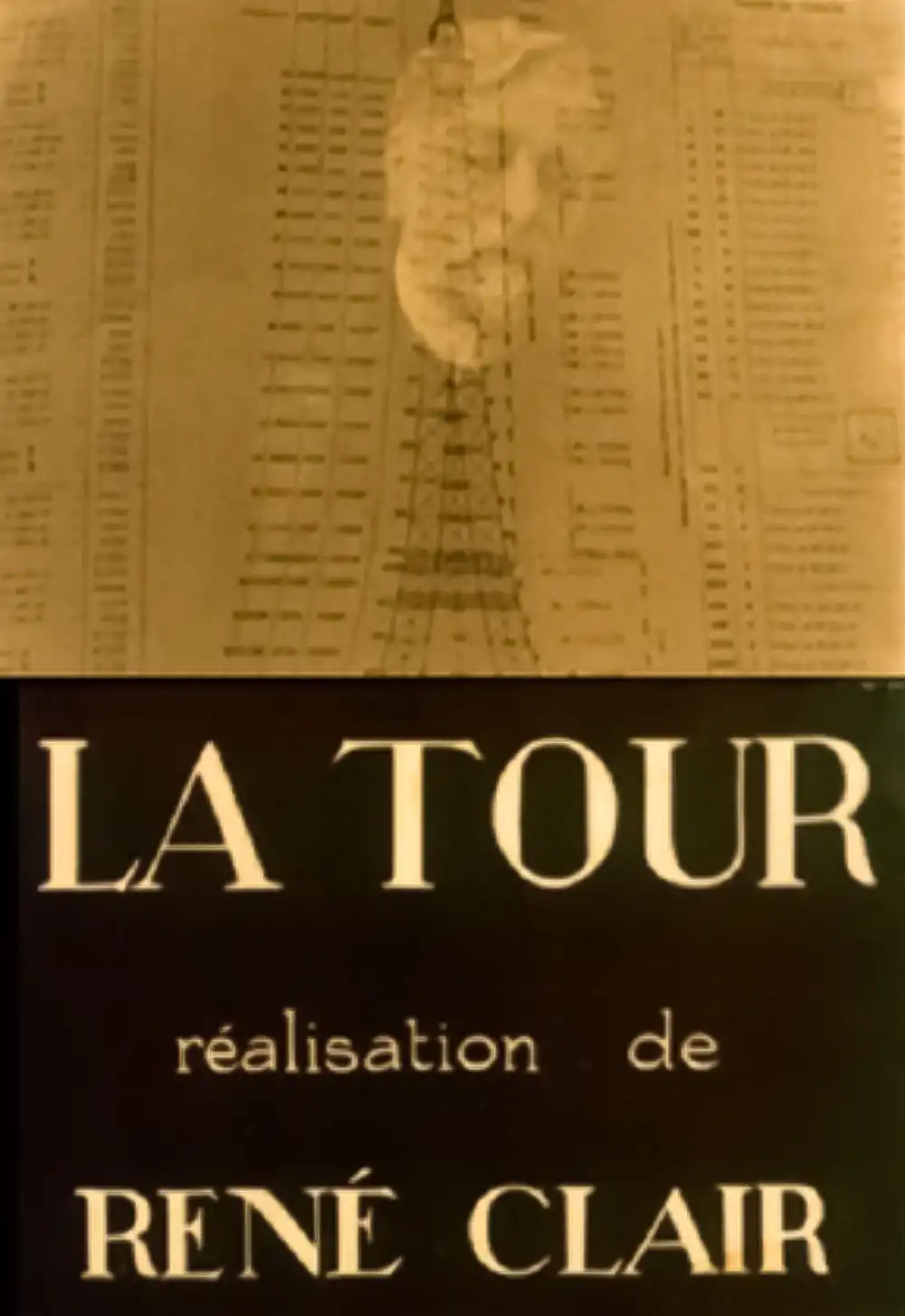
A definitive 6.6/10 rating for a film that redefined the boundaries of cult cinema. La tour remains a cornerstone of transgressive art.
René Clair’s 1928 short film, La tour, is a quick, beautiful little piece, really more of an experience than a narrative. It's absolutely worth your time if you’re into early cinema, architectural history, or just appreciate seeing something genuinely lovingly crafted. If you need a plot, or explosions, or even speaking characters, you’ll probably bounce off this pretty hard. But for those who can settle into a quiet, almost meditative pace, it’s a small, gleaming gem that still feels remarkably fresh.
Clair starts us off not with the grand structure itself, but with its origins: old blueprints, scratchy photographs of the construction site. It’s a smart move, grounding the eventual ascent in a sense of history, showing the sheer audacity of the thing before it became a landmark. You see the girders laid out on the ground, almost like bones awaiting assembly. There's a real sense of scale even then, just from the static images.
Then, suddenly, we're with it, the tower already standing. The sepia tone gives everything this warm, almost nostalgic glow, making the modern marvel feel ancient and timeless all at once. Clair doesn't just show the tower; he *feels* it. The camera angles are often low, emphasizing the sheer height, making the lattice work stretch endlessly towards a sky that often feels impossibly vast.
I found myself really enjoying the way Clair captures the mechanical aspect of the tower. Those lifts, for instance. He uses double exposures and dissolves to convey their movement, almost giving them a personality. They aren’t just functional boxes; they’re little characters zipping up and down, a vibrant pulse in the steel heart of the structure. It’s a simple trick, but it really works, making the whole thing feel alive.
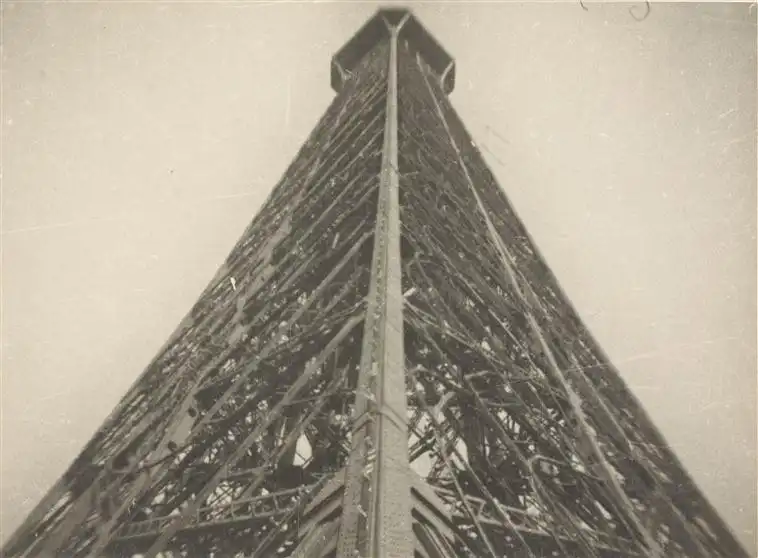
The film then takes us on a journey up, floor by floor. We see the tourists, tiny figures on the vast platforms, looking out over Paris. Their clothes, the hats, the way they point – it’s a subtle anthropological study without ever trying to be one. You get a sense of the sheer wonder they must have felt, a feeling that still resonates even through the grainy footage. One shot, where a couple leans against the railing, gazing out, lingers just a beat longer than you expect. It's not dramatic, but it allows you to feel that moment with them, a shared quiet awe.
Clair has this knack for making the static feel dynamic. Even when the camera is still, just framing a section of the tower, the lines and angles create a sense of movement. The light plays off the steel in ways that keep your eye moving. It’s a masterclass in visual composition, really.
There are moments where the film almost becomes abstract, focusing so tightly on the ironwork that it becomes a pattern, a geometric dance. Then it pulls back, and there’s Paris again, spread out beneath. This back-and-forth between detail and panorama is what gives La tour its unique rhythm. It never feels like a dry architectural film. It’s too playful for that, too much in love with its subject.
You can tell Clair really wanted to show off the Eiffel Tower not just as an engineering feat but as a living, breathing part of the city, a symbol that means something. He doesn't need to spell it out. The way the camera swoops, the gentle transitions, the sheer beauty of the monument itself – it all just *is*.
It’s a short film, maybe ten minutes, but it packs a surprising punch. You leave it feeling like you’ve actually been there, felt the wind, seen the world from that height. It’s a testament to how much can be conveyed without a single line of dialogue or a complex plot. Just a camera, a vision, and one very impressive piece of architecture.
IMDb 7.1
1919
Community
Log in to comment.