DbcultAccessing Vault...
Cult Review
Senior Film Conservator
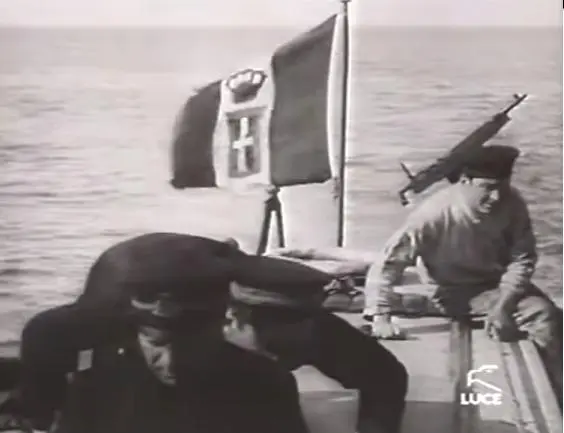
Is Eroi del mare nostro a forgotten classic or a dated piece of military propaganda? Short answer: It is a technical triumph for its era, but it requires a very specific type of viewer to be enjoyed today. This is a film for historians and cinephiles interested in the roots of Italian Neorealism, but it is definitely not for those looking for a character-driven action flick.
This film works because it prioritizes authentic textures and real-world environments over the artificiality of a soundstage.
This film fails because its lack of a central protagonist makes it difficult for the average viewer to remain emotionally invested for the duration.
You should watch it if you want to see the exact moment when Italian cinema began to move away from studio artifice and toward the raw reality of the streets—or in this case, the sea.
Francesco De Robertis is a name that often gets lost in the shadow of Rossellini or De Sica. However, Eroi del mare nostro proves that the DNA of Neorealism was being spliced together much earlier than most people realize. De Robertis was a naval officer himself, and that professional intimacy with the subject matter shines through in every frame. He doesn't just film a ship; he films a living organism made of iron and sweat.
The use of non-professional actors—actual sailors—was a radical choice in 1939. While Hollywood was busy polishing its stars in films like A Girl at Bay, De Robertis was looking for the lines of fatigue on a stoker's face. This commitment to the "real" gives the film a weight that transcends its propaganda origins. It feels less like a recruitment poster and more like a high-budget observation of human capability under pressure.
The pacing is deliberate. It mimics the slow, rhythmic churn of a destroyer's engines. To some, this will feel tedious. To others, it is meditative. It reminds me of the structured observation found in Kino Pravda No. 16: Spring Kino-Pravda. A Picturesque, Lyrical Newsreel, where the camera serves as a witness to progress rather than a storyteller of fiction.
The visual language of Eroi del mare nostro is surprisingly modern. The cinematography avoids the static, stagey compositions of the era. Instead, we get low-angle shots of massive hulls cutting through the Mediterranean. The contrast between the dark, cramped interiors of the submarines and the blinding light of the open sea creates a visual tension that keeps the viewer grounded in the physical reality of the sailors.
There is a specific scene involving the loading of a torpedo that stands out. The camera lingers on the mechanical precision, the grease, and the synchronized movements of the men. It is a sequence that could have been filmed yesterday. It lacks the sentimental fluff found in contemporary dramas like Wild Primrose. Here, the machine is the star, and the men are its essential components.
However, the film’s beauty is also its cage. Because it is so focused on the technical, it often forgets to be human. We see the sweat, but we rarely see the soul. It is a cold film. Efficient, yes, but cold. It lacks the internal conflict seen in later war films like Danger Within, where the human element is the primary engine of the plot.
If you are looking for a historical document that showcases the bridge between traditional documentary and modern narrative, then yes, Eroi del mare nostro is essential viewing. It provides a rare look at the aesthetic transition of Italian cinema during a period of intense political upheaval. However, if you are looking for a movie to enjoy on a Friday night with popcorn, you should probably skip it. It is an academic exercise in style and technical prowess rather than an entertaining narrative.
Eroi del mare nostro is significant because it introduced the concept of the "reconstructed documentary." This style allowed directors to use real locations and people while still controlling the narrative arc. This approach would later become the backbone of the films that defined post-war Italian culture. Without De Robertis, we might not have had the cinematic breakthroughs of the mid-1940s.
One cannot discuss this film without addressing its context. It was made under the auspices of the Fascist regime. It is designed to make the navy look invincible. Yet, unlike some of the more heavy-handed works of the time, such as Hypocrites, De Robertis keeps the overt ideology relatively quiet. The "propaganda" here is found in the glorification of order and strength rather than in explicit political speeches.
This subtlety is what makes it dangerous and fascinating. It seduces the viewer with the beauty of the ships and the nobility of the labor. It makes war look like a clean, professional endeavor. It is a lie, of course, but it is a beautifully shot lie. This makes it a perfect companion piece to other films of the era that struggled with truth, such as The National Rash.
The film’s focus on the collective over the individual is its most striking ideological feature. There are no heroes here in the traditional sense. The "hero" is the Navy itself. This is a stark contrast to the individualistic heroics seen in American films like The Carter Case. In De Robertis's world, you are either part of the machine or you are nothing.
Pros:
Cons:
Eroi del mare nostro is a cold, steel-plated relic of a bygone era. It works as a piece of art, but it fails as a piece of entertainment. De Robertis was clearly a visionary who understood the power of the camera to capture the raw essence of reality, but he was also a man of his time, bound by the requirements of the state. The film is a fascinating bridge between the silent newsreels of the past and the Neorealist masterpieces of the future. It isn't a film you watch for fun. It is a film you watch to understand how cinema evolved. It’s dry. It’s long. But it’s important. If you can stomach the slow burn and the political baggage, there is a strange, haunting beauty to be found in these heroes of the sea.
IMDb —
1924
Community
Log in to comment.