DbcultAccessing Vault...
Cult Review
Senior Film Conservator
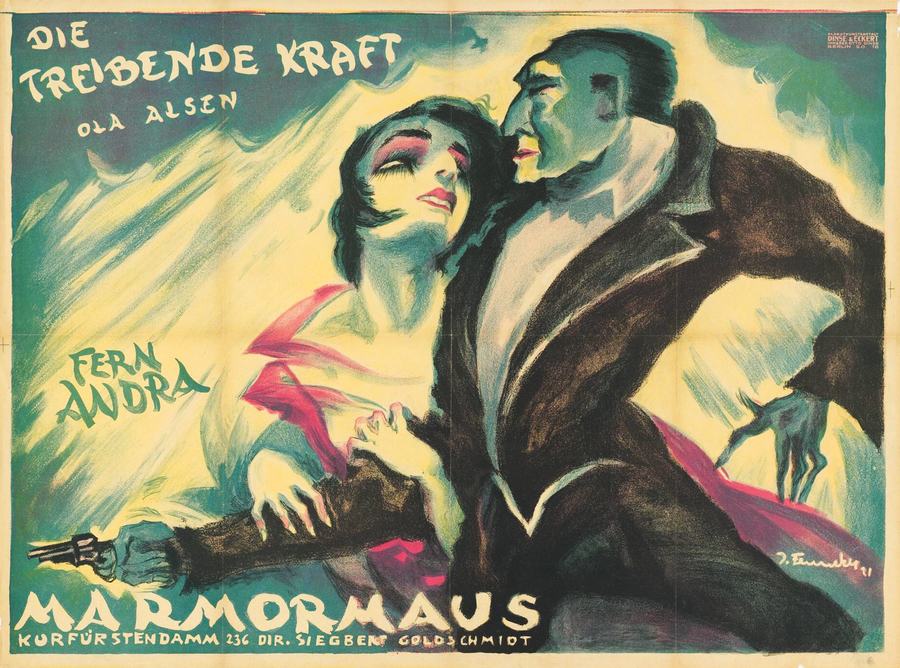
There are films that merely tell a story, and then there are those that ignite a fire within the viewer, resonating long after the projector’s light fades. "Treibende Kraft," a cinematic artifact from an era when silence spoke volumes, unequivocally belongs to the latter category. It is a symphony of human ambition, a ballet of betrayal, and a raw exposé of the passions that propel us, for better or worse. This isn't just a film; it's an experience, a journey into the moral ambiguities of early 20th-century industrialism, masterfully orchestrated by writers Olga Alsen and Victorien Sardou, whose combined genius for intricate plotting and profound character study shines through every frame.
The very title, "Treibende Kraft" – 'Driving Force' – encapsulates the film's thematic core with stark precision. It’s a relentless exploration of what truly motivates individuals: the pursuit of power, the yearning for love, the bitter taste of revenge, or the noble quest for innovation. The narrative, as intricate as the gears of the very machines it often depicts, unfolds with a compelling momentum that belies its silent medium. We are introduced to Ernst Keller, portrayed with an earnest intensity by Erling Hanson, a man whose intellect is matched only by his idealism. Hanson imbues Keller with a captivating vulnerability, making his character's journey from hopeful inventor to disillusioned pawn profoundly affecting. His wide, expressive eyes communicate volumes, drawing the audience into his world of grand designs and tragic missteps.
The antagonist, Viktor Brandt, brought to chilling life by Hermann Böttcher, is not a mustache-twirling villain but a nuanced titan of industry. Böttcher’s portrayal is subtle yet menacing, his calculated gestures and steely gaze revealing a man for whom human connection is merely another transactional opportunity. He is the embodiment of the titular 'driving force,' albeit one directed towards self-aggrandizement. His manipulation of his own daughter, Helene, is particularly unsettling, painting a portrait of a man utterly consumed by his hunger for control. Lya De Putti, as Helene, delivers a performance of breathtaking emotional range. She navigates the treacherous waters between filial duty and burgeoning romantic inclination with a grace that is both heartbreaking and inspiring. De Putti's Helene is not a passive victim; she is a woman grappling with her own agency, a spirited individual whose internal conflict is palpable. Her scenes with Hanson crackle with an understated chemistry, hinting at a profound connection tragically thwarted by external pressures.
Then there is the enigmatic Lena, played by the magnetic Fern Andra. Andra, a powerhouse of silent cinema, commands the screen with every appearance. Lena is a woman cloaked in mystery and driven by a past injustice, her allure a potent weapon. Her performance is a masterclass in silent film acting, utilizing subtle facial expressions and deliberate movements to convey a complex tapestry of pain, determination, and seductive power. Andra's presence adds an almost gothic layer to the industrial drama, reminiscent of the darker undercurrents found in films like Lucrezia Borgia, where powerful women operate within shadows to achieve their ends. Lena's motivations are a slow burn, gradually revealed, making her a truly compelling figure whose actions ultimately serve as a catalyst for the film's dramatic crescendo.
The direction, likely shaped by the sensibilities of Olga Alsen, transforms Sardou's intricate plot into a visually stunning experience. The film employs a sophisticated visual language, utilizing deep focus shots to emphasize the grandeur of industrial settings and the isolation of its characters. Close-ups are deployed sparingly but effectively, magnifying the emotional turmoil etched on the actors' faces. The cinematography creates a stark contrast between the gleaming, dehumanizing machinery of Brandt's empire and the intimate, often dimly lit spaces where human emotions play out. This visual dichotomy reinforces the film's central conflict: the human spirit battling against the relentless, impersonal forces of progress and greed.
The pacing of "Treibende Kraft" is noteworthy. It builds gradually, meticulously laying out the pieces of its complex puzzle before accelerating towards its dramatic conclusion. This deliberate tempo allows the audience to fully absorb the nuances of character development and plot progression. Unlike some contemporary melodramas that might rush through exposition, this film savors each revelation, each betrayal, allowing the tension to coil tighter and tighter. The use of intertitles is artful, providing necessary exposition without disrupting the visual flow, a testament to the sophisticated storytelling techniques prevalent in German silent cinema. One can draw parallels to the methodical unfolding of a narrative in a film like The Sphinx, where suspense is built through careful revelation.
Beyond the captivating performances and expert direction, "Treibende Kraft" truly shines in its thematic depth. It grapples with universal questions: What is the true cost of ambition? Can love survive amidst betrayal? And how do individuals assert their morality in a world increasingly dominated by impersonal power structures? The film doesn't offer easy answers, instead inviting the viewer to ponder these dilemmas. The moral compromises made by some characters, and the unwavering integrity of others, create a rich tapestry of human experience that transcends the period setting. Erling Hanson's portrayal of Keller, for instance, speaks to the eternal struggle of the idealist against the cynic, a theme as relevant today as it was a century ago. His slow realization of Brandt's treachery is depicted with a raw, agonizing authenticity.
The supporting cast, including Magda Madeleine and Tronier Funder, contributes significantly to the film's immersive atmosphere. While their roles might be smaller, their presence adds texture and credibility to the world the film constructs. Madeleine might portray a loyal confidante, offering Helene a much-needed emotional anchor, while Funder could embody a skeptical business rival or a diligent but ultimately powerless subordinate, further highlighting Brandt's pervasive influence. These nuanced performances elevate the film beyond a simple melodrama, imbuing it with a sense of lived reality.
The influence of Victorien Sardou is particularly evident in the film's structure. Known for his 'well-made plays,' Sardou's fingerprints are all over the meticulously constructed plot, with its carefully timed entrances and exits, its rising and falling action, and its climactic confrontations. This theatrical precision, translated to the screen, gives "Treibende Kraft" a robust narrative backbone, ensuring that every plot point serves a purpose and every character interaction propels the story forward. It's a testament to the enduring power of classic storytelling principles, demonstrating how a strong script, even without spoken dialogue, can captivate an audience.
Watching "Treibende Kraft" today is like peering through a window into a bygone era of filmmaking. It reminds us of the sheer artistry and ingenuity required to convey complex narratives and profound emotions without the aid of sound. The reliance on visual storytelling, exaggerated yet deeply felt expressions, and the evocative power of light and shadow is a masterclass in cinematic communication. It stands proudly alongside other significant works of its time, perhaps sharing the thematic intensity of a film like Gilded Lies in its exploration of societal deception, or the emotional depth found in Birthright when examining personal struggle against formidable odds.
The film’s climax is particularly memorable, a whirlwind of revelation and confrontation that brings all the simmering tensions to a roaring boil. Without spoiling the intricate details, suffice it to say that the 'driving force' ultimately leads to a resolution that is both cathartic and deeply poignant. The consequences of ambition, both noble and nefarious, are laid bare, leaving an indelible mark on the viewer. It's a conclusion that resonates with the dramatic weight of a Shakespearean tragedy, perhaps even echoing the profound moral dilemmas explored in Hamlet, albeit in a distinctly industrial setting.
"Treibende Kraft" is more than just a historical curiosity; it is a vibrant, living piece of cinema that continues to speak to contemporary audiences. Its exploration of corporate greed, technological innovation, and the enduring power of human connection remains acutely relevant. The performances, particularly from Andra, De Putti, and Hanson, are timeless, transcending the limitations of the silent medium to deliver emotionally charged portrayals that captivate. The film's ability to create such a palpable sense of tension and emotional resonance through purely visual means is a testament to the skill of its creators and the inherent power of the cinematic art form itself.
In an age saturated with sound and spectacle, there is a profound beauty in returning to films like "Treibende Kraft." They demand a different kind of engagement, a more active participation from the viewer, who must interpret the nuances of every gesture, every lingering gaze. It’s an immersive experience that reminds us of the foundational principles of visual storytelling. This film, with its compelling characters, intricate plot, and powerful thematic undercurrents, unequivocally asserts its place as a significant work within the silent film canon. If you have any interest in the roots of cinema, in powerful human drama, or simply in a story told with immense skill and passion, then seeking out "Treibende Kraft" is an imperative. It is a driving force, indeed, both within its narrative and in its enduring impact on the landscape of film history.
IMDb 6
1929
Community
Log in to comment.