DbcultAccessing Vault...
6.8/10
Senior Film Conservator
A definitive 6.8/10 rating for a film that redefined the boundaries of cult cinema. Sun-Up remains a cornerstone of transgressive art.
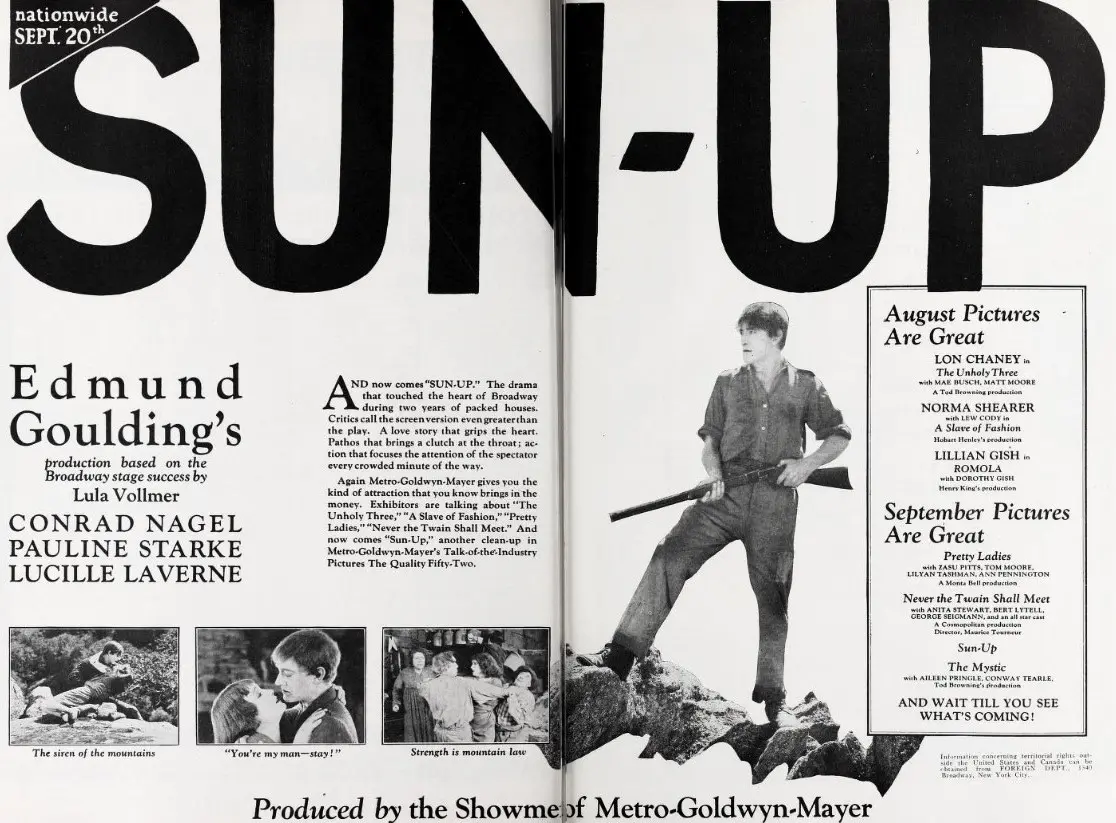
Stepping back into the cinematic past, one encounters works that, despite their age, resonate with an almost primal force. Edmund Goulding’s 1925 silent drama, Sun-Up, adapted from Lula Vollmer's acclaimed play, is precisely such a film. It’s a visceral journey into the heart of Appalachia, a land where honor is fiercely guarded, and the echoes of generations-old feuds linger like the mountain mist. This isn't just a story; it's a profound meditation on grief, vengeance, and the complex tapestry of justice woven within a tightly-knit, isolated community. The film plunges us into a world where the distant thunder of the First World War collides with the deeply personal, often brutal, code of the Kentucky hills, creating a narrative tension that is both timeless and deeply specific.
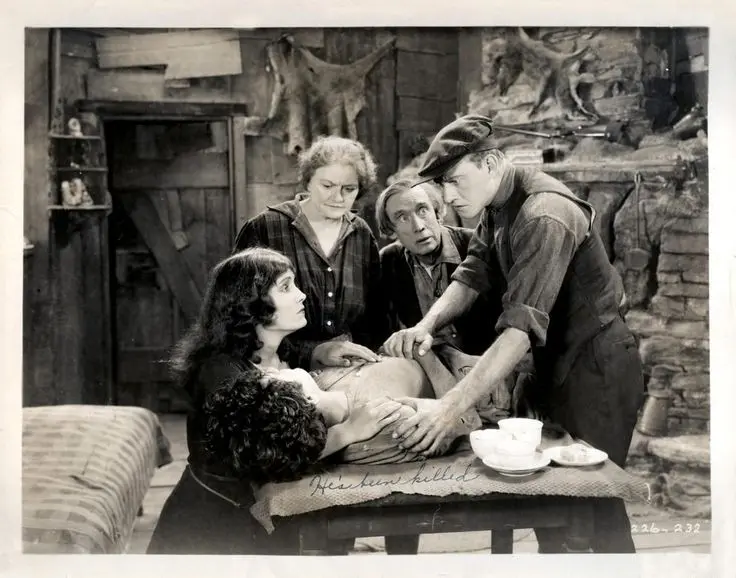
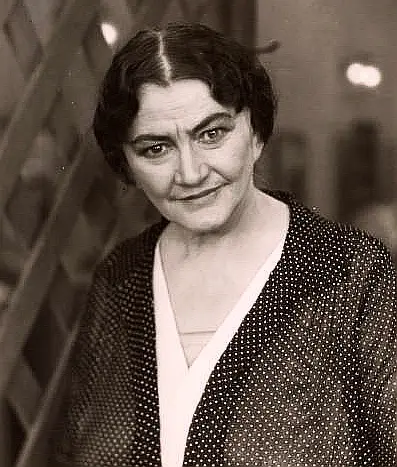
At its core, Sun-Up is a character study, a stark portrait of a mother, indelibly portrayed by Lucille La Verne, whose world shatters with the news of her son's death on the battlefields of Europe. La Verne, reprising her stage role, delivers a performance of astonishing depth and raw emotion, conveying a spectrum of human experience without uttering a single spoken word. Her grief isn't quiet; it’s a roaring inferno, consuming her and reshaping her perception of the world. This mother, steeped in the traditions and prejudices of her people, finds an outlet for her profound sorrow and simmering rage in an act of defiant protest: she shelters a young deserter. This act is not born of pure altruism, but rather a complex cocktail of rebellion against the distant war that stole her son, and a nascent, almost subconscious desire to wield a form of justice, however misguided, in her own domain. It's a testament to the power of silent acting that La Verne communicates these nuanced layers with such clarity, her eyes alone capable of telling a hundred stories.
The arrival of the deserter, played with a compelling blend of fear and youthful naiveté by Bainard Beckwith, introduces the central moral dilemma that drives the narrative. He is an outsider, a symbol of the war's disruption, and initially, a vessel for the mother's simmering resentment. Her intention to shelter him is less about compassion and more about a calculated, albeit emotionally driven, act of defiance. This is not the clean-cut patriotism often depicted in wartime propaganda; instead, it’s a raw, unfiltered response from a woman who feels betrayed by forces beyond her understanding. The film masterfully explores the psychological landscape of vengeance, illustrating how grief can twist perceptions, turning the innocent into targets and obscuring the path to true reconciliation. One might draw parallels to the visceral emotional turmoil explored in other dramas of the era, though Sun-Up distinguishes itself by grounding this universal theme within a uniquely American cultural context, much like the stark realities of life depicted in some of the more gritty European productions of the time, such as segments of Bag Filmens Kulisser, which similarly delved into the human condition under duress.
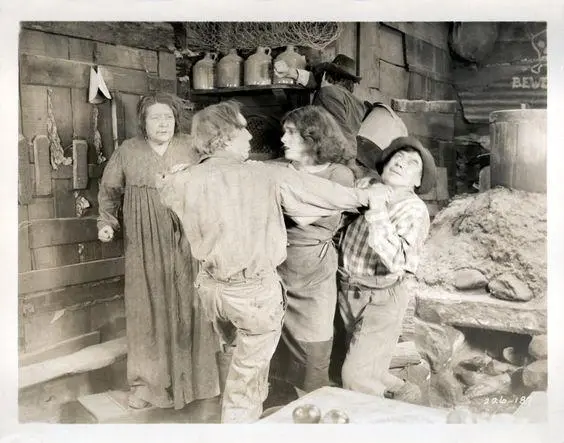
The narrative's central pivot arrives with the unexpected return of her son, played by George K. Arthur. This dramatic reversal shatters the mother's carefully constructed world and forces a re-evaluation of her initial course of action. The boy's reappearance doesn't erase her pain, but rather complicates it, introducing a new layer of moral quandary. The mother, still consumed by her need for retribution, now tasks her living son with the chilling responsibility of executing the deserter. This moment is a powerful exploration of the cyclical nature of violence and the burden of inherited vengeance. It’s a scene that, even in its silent grandeur, speaks volumes about the human capacity for both profound love and destructive rage. The tension here is palpable, a knot tightening in the viewer's stomach as we witness the mother's unwavering, almost terrifying, conviction.
The revelation that the deserter is the son of a murderous revenue agent introduces a potent layer of historical and sociological context. In the Kentucky hills, revenue agents were often seen as symbols of external authority, intruding upon a way of life that fiercely guarded its independence. Their presence frequently led to violent confrontations, creating deep-seated animosities and blood feuds that could span generations. This twist transforms the deserter from a mere symbol of wartime cowardice into a direct link to a local, deeply personal vendetta. The conflict shifts from a generalized protest against war to a specific, inherited struggle for justice within the community's own understanding of right and wrong. This particular dynamic elevates Sun-Up beyond a simple war drama, embedding it firmly within the tradition of American frontier narratives where personal honor and family loyalty often superseded codified law. It’s a theme that, while perhaps less overtly dramatic, echoes the moral complexities found in films like A Very Good Young Man, which also explored characters grappling with societal expectations and personal integrity, albeit in a different setting.
The performances across the board are commendable, but it is Lucille La Verne who truly anchors the film. Her portrayal of the unyielding, yet ultimately conflicted, mother is a masterclass in silent acting. She conveys an entire universe of emotion through her posture, her facial expressions, and the intensity of her gaze. Pauline Starke, as Emmy, the young woman caught between these powerful forces, offers a contrasting innocence, representing a glimmer of hope and a more compassionate perspective amidst the escalating tensions. Her character serves as a vital counterpoint to the mother's hardened resolve, illustrating the younger generation's struggle to break free from the shackles of inherited animosity. The interplay between these two female characters is particularly compelling, showcasing different facets of strength and vulnerability in a patriarchal society.
Edmund Goulding's direction is taut and purposeful, allowing the emotional weight of the story to unfold naturally. He understands the power of the close-up, using it judiciously to magnify the internal struggles of his characters. The cinematography, while typical of the era, effectively captures the rugged beauty and isolation of the Appalachian setting, making the landscape an almost palpable character in itself. The mountains are not just a backdrop; they are a presence, shaping the characters' lives and their rigid moral codes. The film’s pacing, a crucial element in silent cinema, is expertly handled, building suspense incrementally and allowing moments of quiet reflection to breathe before plunging back into the heart of the conflict. This is a directorial hand that understands the rhythm of human drama, allowing the narrative to build organically towards its inevitable, thought-provoking climax.
Thematically, Sun-Up delves into the destructive nature of unchecked vengeance, the moral ambiguity of wartime, and the enduring power of family loyalty, however misguided. It asks difficult questions about what constitutes justice, especially when personal pain and historical grievances intertwine. Is vengeance truly a form of justice, or merely a perpetuation of suffering? The film doesn't offer easy answers, instead inviting the audience to grapple with these complex ethical dilemmas alongside its characters. It's a testament to the writers – Edmund Goulding, Lula Vollmer, Arthur F. Statter, and Joseph Farnham – that these themes are explored with such nuance and emotional honesty. Unlike the more straightforward narratives of heroism often found in WWI films like The Battle of Jutland, Sun-Up focuses on the collateral damage of war, the quiet tragedies unfolding far from the front lines, yet deeply impacted by its distant roar.
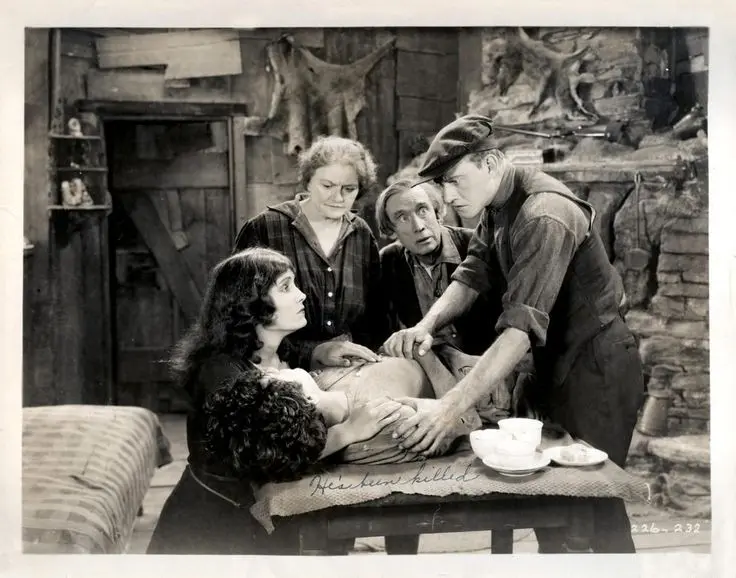
Moreover, the film offers a fascinating glimpse into the social dynamics of isolated communities in early 20th-century America. The clannish loyalties, the suspicion of outsiders, and the reliance on traditional forms of justice rather than formal legal systems are all vividly portrayed. It's a world where reputation and lineage carry immense weight, and past transgressions cast long shadows over present lives. This anthropological aspect adds another layer of richness to the narrative, making it not just a personal drama but also a cultural document. The film avoids caricature, instead striving for an authentic portrayal of a specific way of life, warts and all. It’s this commitment to realism, even within the melodramatic framework, that makes Sun-Up a particularly compelling watch for those interested in the social history embedded within early American cinema. It’s a far cry from the lighthearted escapism of something like The Lucky Devil, instead offering a stark, unflinching look at human nature under duress.
The emotional landscape of Sun-Up is a turbulent one, charting the volatile currents of human emotion. From the initial shock of loss to the hardened resolve for retribution, and finally to the painful, hesitant steps towards understanding and forgiveness, the film takes its audience on an arduous journey. The climax, without giving too much away, is a powerful moment of reckoning, where the weight of past actions and present choices converges, demanding a resolution that is both satisfying and profoundly unsettling. It’s a testament to the film’s narrative strength that it manages to deliver an outcome that feels earned, rather than contrived, leaving a lasting impression on the viewer. The quiet intensity of the final scenes underscores the film's message that true justice often requires a greater sacrifice than mere vengeance.
In conclusion, Sun-Up stands as a remarkable artifact of silent cinema, a film that leverages the unique strengths of the medium to deliver a powerful and emotionally resonant story. Its exploration of grief, vengeance, and the intricate moral codes of a specific American subculture remains as compelling today as it must have been nearly a century ago. Lucille La Verne's performance alone is worth the price of admission (or, in today's context, the effort of seeking it out). It reminds us that storytelling, even without spoken dialogue, possesses an incredible capacity to delve into the deepest recesses of the human heart and to illuminate the enduring complexities of our shared experience. For enthusiasts of classic film, or anyone seeking a drama that truly grapples with profound moral questions, Sun-Up is an essential viewing experience, a quiet triumph that continues to shine brightly in the cinematic firmament. It’s a stark reminder of the power of early cinema to tackle weighty subjects with grace and unwavering conviction, much like the enduring appeal of profound character studies found in films such as No Woman Knows, which similarly explores the depths of female experience and resilience. This film is more than just a historical curiosity; it’s a vibrant, living piece of art that continues to provoke thought and stir the soul, proving that some stories, and the way they are told, truly are timeless. The lasting impact of this film lies not just in its dramatic twists, but in its unwavering commitment to portraying the raw, often uncomfortable, truth of human emotion and the enduring quest for justice in a world that rarely offers easy answers. It's a film that lingers long after the final frame, prompting reflection on the nature of forgiveness and the possibility of breaking cycles of hatred, even in the most entrenched of communities. Its stark realism and profound emotional depth ensure its place as a significant work in the canon of early American cinema.
IMDb 5.9
1926
Community
Log in to comment.