DbcultAccessing Vault...
7/10
Senior Film Conservator
A definitive 7/10 rating for a film that redefined the boundaries of cult cinema. La traversée du Grépon remains a cornerstone of transgressive art.
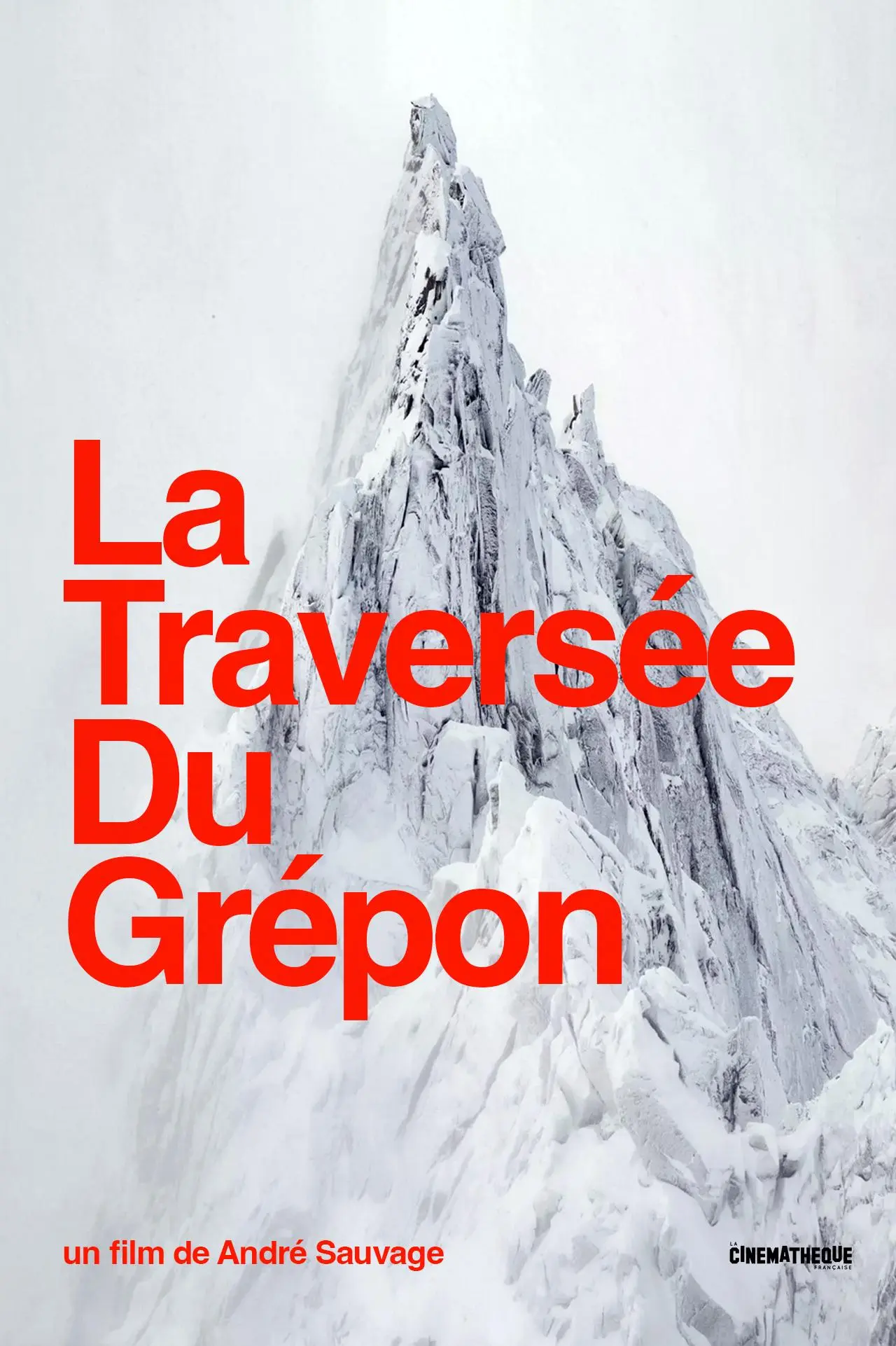
In the annals of early 20th-century cinema, amidst the burgeoning narratives of melodrama, slapstick, and burgeoning epics, a singular, starkly real vision emerged from the formidable peaks of the Mont Blanc massif. André Sauvage’s 1923 film, La Traversée du Grépon, is more than a mere historical curiosity; it is a foundational text in the nascent language of documentary, a visceral testament to human endeavor, and a haunting elegy for what has been tragically lost to time. To engage with this film, even in its surviving seven-minute fragment, is to witness a profound act of cinematic archaeology, piecing together the ambition and artistry of a pioneer who dared to turn his lens on the raw, unadorned truth of the natural world and the human spirit confronting it.
The year 1923 was a fascinating juncture for cinema. While Hollywood was refining its studio system and churning out crowd-pleasers like The Courtship of Myles Standish and dramatic spectacles such as The Auction Block, Sauvage was charting an entirely different course. He eschewed the constructed realities of the soundstage and the artifice of narrative fiction. Instead, he sought to capture the unvarnished struggle, the breathtaking beauty, and the inherent danger of a mountaineering expedition. This was not a film about fictional heroes or fabricated conflicts; it was about real men, including Sauvage himself, pitting their will and skill against the monumental indifference of the Grépon, one of the most iconic and challenging spires in the Chamonix Aiguilles.
The premise is deceptively simple: document an ascent. Yet, the execution, particularly given the technological limitations of 1923, was anything but. Imagine the sheer logistical nightmare of transporting heavy, cumbersome film equipment – cameras, tripods, film stock – across glaciers, up sheer rock faces, and through treacherous snowfields. This wasn't a crew with lightweight digital cameras and drones; it was a physical, arduous, and dangerous undertaking in itself. The act of filming became an integral part of the mountaineering performance, blurring the lines between participant and observer. Sauvage wasn't just directing; he was living the very experience he sought to immortalize. This imbues the surviving footage with an authentic, almost palpable sense of immediacy and danger that few narrative films of the era, even those pushing boundaries like On the Night Stage with its rugged Western settings, could hope to achieve.
The journey begins in the pre-dawn stillness, as the climbers embark across the vast, creaking expanse of the Mer de Glace. This opening image, even in its brevity, must have been mesmerizing, a stark contrast to the urban dramas or romantic comedies prevalent in cinemas. From there, the film plunges into the vertical world: the meticulous footwork on rocky peaks, the heart-stopping abseils into the void, the careful navigation of treacherous crevasses, and the seemingly endless traverses across snowfields and towering seracs. Each movement is a testament to skill, courage, and an unwavering focus. The film, even abbreviated, captures the rhythm of the climb – moments of intense exertion followed by brief, exposed rests, the constant interplay of human vulnerability and monumental scale. It’s a compelling study in human persistence against nature’s grandeur, a theme that resonates far beyond the specific act of climbing.
Sauvage’s personal philosophy, encapsulated in his profound statement, “The deepest perception of mountains begins where intelligence ends,” provides the intellectual and spiritual backbone of the film. This isn't just about conquering a peak; it's about a profound, almost mystical engagement with the mountain itself. It suggests an experience beyond rational thought, a communion achieved through physical exertion and sensory immersion. The film, therefore, transcends mere documentation; it aspires to capture an existential encounter. This elevates La Traversée du Grépon from a mere adventure film to a work of art that grapples with fundamental questions of human limits, aspiration, and our place within the natural world. It’s a sensibility that foreshadows later existentialist cinema, even if its immediate contemporaries were focused on more grounded human dramas like The Loves of Letty or the moral dilemmas presented in films such as The Law Decides.
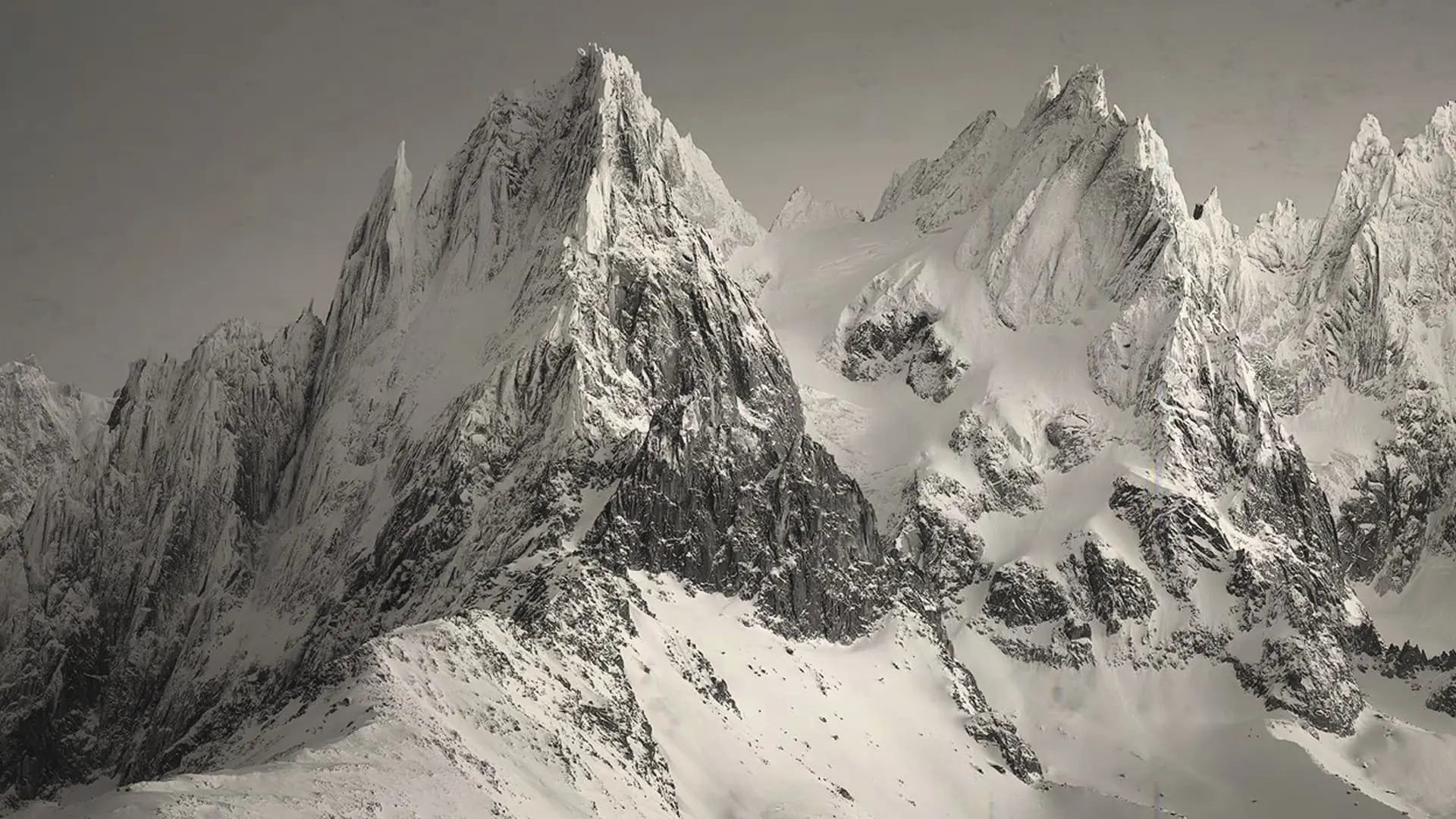
The tragedy, of course, lies in the film's almost complete disappearance. The original 90-minute and 51-minute versions are gone, leaving only a tantalizing, almost heartbreaking seven-minute fragment. This loss is not merely an archival misfortune; it is a significant void in the history of documentary filmmaking and French cinema. What revelations, what breathtaking vistas, what intimate moments of struggle and triumph have been forever erased? The surviving footage serves as a ghost, a spectral echo of a grander vision. It forces us to imagine the full scope of Sauvage's ambition, to reconstruct in our minds the narrative arc of sixteen hours of relentless effort. This fragmentary existence transforms the film into a meditation on impermanence, a poignant reminder of the fragility of cinematic heritage. It highlights how much of early cinema, particularly non-narrative or experimental works, has been lost to neglect, decay, or accident, leaving us with tantalizing glimpses rather than complete portraits.
From the surviving footage, we can infer much about Sauvage’s stylistic choices. The emphasis on long takes, the patient observation of movement, and the framing that emphasizes both the scale of the mountains and the intricate detail of the climbers’ actions must have been revolutionary. There’s an inherent realism that sets it apart from the often melodramatic or theatrically staged films of the era. While films like The Black Stork tackled controversial social issues with dramatic flair, Sauvage pursued a different kind of truth – the raw, physical truth of human interaction with an untamed environment. His camera was not there to manipulate emotions through contrived scenarios but to bear witness to an authentic experience.
The film's impact, even in its truncated form, speaks volumes about its original power. It earned Sauvage the recognition of his peers, solidifying his reputation as a pioneering filmmaker. It undoubtedly influenced subsequent generations of documentarians and adventure cinematographers. One can see its spectral presence in later mountaineering films, inspiring filmmakers to push the boundaries of what was possible to capture on screen. It established a precedent for immersive, experiential cinema, demonstrating that reality itself, when observed with a keen eye and a philosophical sensibility, could be as compelling, if not more so, than any fictional narrative.
The very act of making La Traversée du Grépon was a performance in itself. Sauvage and his companions weren’t just actors in front of a camera; they were living out a perilous drama with real stakes. This authenticity lends the film an enduring power, a rawness that transcends the technical limitations of its time. It stands as a powerful counterpoint to the more polished, studio-driven productions of the 1920s, a reminder that cinema could also be a tool for exploration, for confronting the sublime, and for capturing the unadulterated human spirit. While other films like The Speed Maniac showcased the thrill of speed and modern machinery, Sauvage turned his gaze to the ancient, enduring challenge of the natural world, emphasizing human fortitude over technological advancement.
The legacy of La Traversée du Grépon is complex. It is a testament to vision and courage, a fragment of a lost masterpiece, and a poignant reminder of the ephemeral nature of film itself. For modern viewers, the surviving seven minutes are a window into a past both cinematic and geographical, a glimpse of a world where human endeavor was often a more direct confrontation with nature. It invites us to consider the sheer physical effort involved, not only in the climb but in the very act of documenting it. It challenges us to look beyond the slick productions of today and appreciate the foundational struggles that defined early cinema, particularly when compared to the more conventional narrative structures seen in films like Cupid Camouflaged or Turning the Tables.
Ultimately, André Sauvage’s La Traversée du Grépon remains a vital, albeit truncated, piece of film history. It speaks to the enduring power of the mountains, the indomitable spirit of those who seek to traverse them, and the transformative capacity of the cinematic medium to capture and convey such profound experiences. Even in its reduced state, it serves as a powerful inspiration, urging us to seek out the extraordinary in the everyday, to embrace challenges, and to remember that the deepest perceptions often lie beyond the realm of mere intellect. It is a film that, despite its brevity, continues to resonate, echoing Sauvage's own timeless wisdom and inviting us to ponder the vast, untamed beauty that still exists in the world, and in the human heart that dares to confront it. The enduring impact of this film, even in its fragmented state, is a testament to the power of raw, unadulterated vision, a beacon for all who believe that cinema can truly capture the essence of life's most profound challenges and triumphs.

IMDb —
1927
Community
Log in to comment.