DbcultAccessing Vault...
6.8/10
Senior Film Conservator
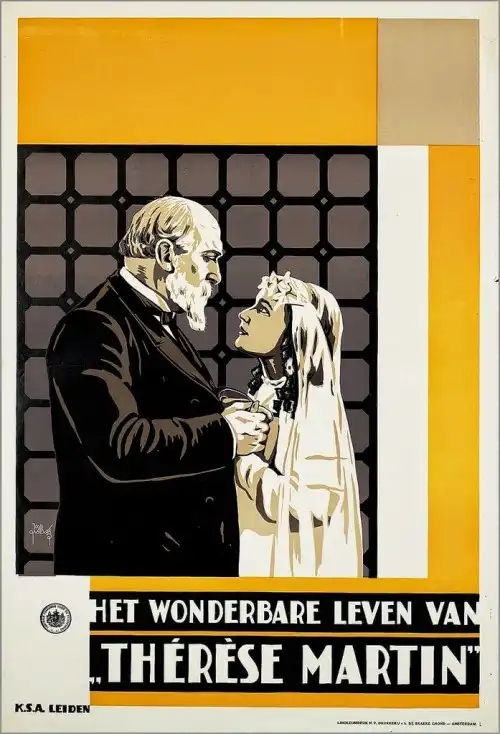
A definitive 6.8/10 rating for a film that redefined the boundaries of cult cinema. La vie miraculeuse de Thérèse Martin remains a cornerstone of transgressive art.
So, La vie miraculeuse de Thérèse Martin. Is it worth a look today? Well, if you’re someone who genuinely loves digging into really old cinema, especially silent films that lean into spiritual themes, then maybe. It’s a very specific kind of watch. 🧐
But if you need anything resembling a fast pace, or plot twists, or even just a lot of talking, this one will probably test your limits. It’s a quiet, almost meditative experience, asking for a real investment of patience.
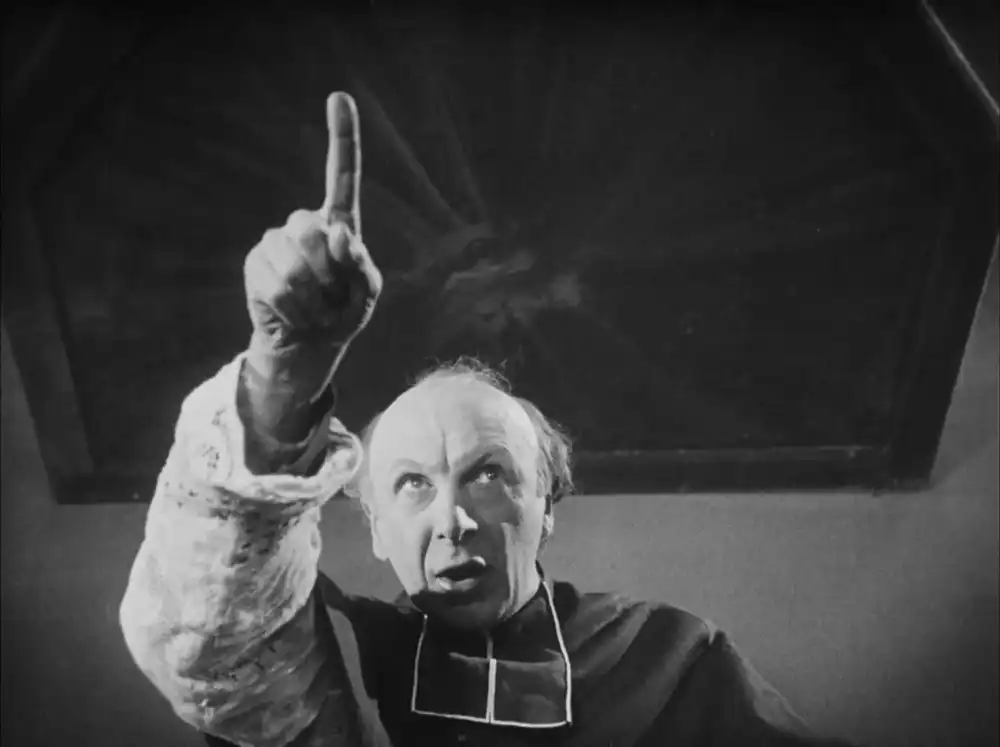
Julien Duvivier, who would go on to do some pretty big things, made this way back in 1929. It’s a biopic, in a sense, about Thérèse Martin, the future Saint Thérèse of Lisieux. You mostly see her inside the convent, living out her “little way.”
The film just… settles into this very particular rhythm of cloistered life. Lots of hushed moments, the way sunlight filters through the convent grilles. It creates a mood, for sure.
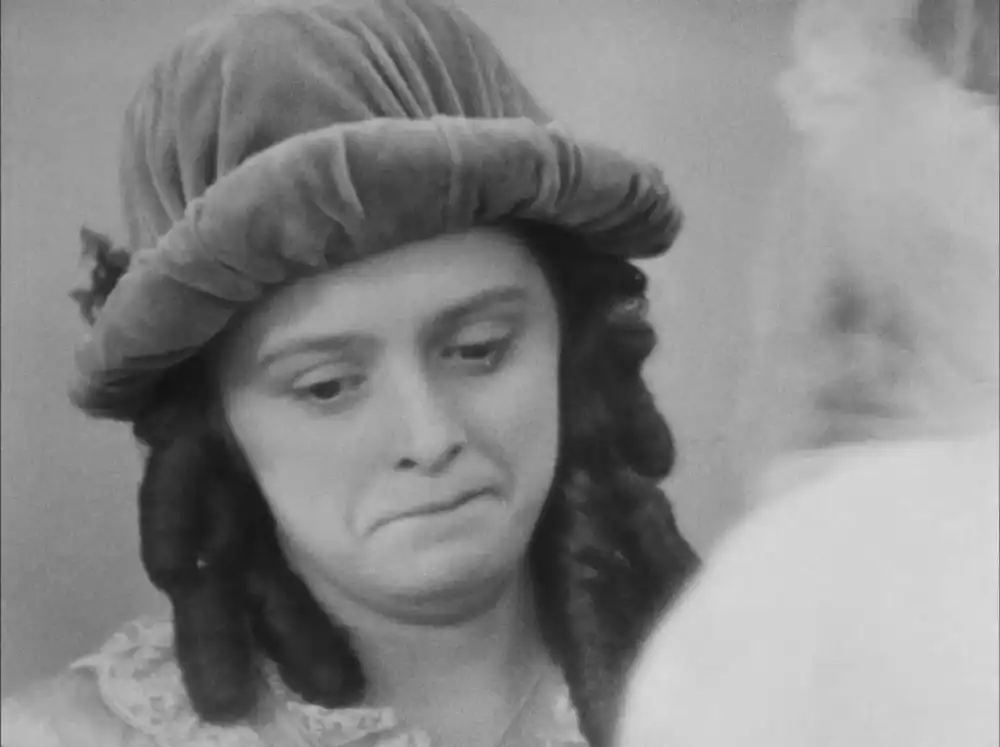
What stuck with me wasn't the 'miraculous' bits, though they are there. It was more about Thérèse herself, played by Nina Vanna. You see her wrestling with her faith. Not just serene, saintly smiles all the time. Those moments of *real, quiet doubt* felt very human, even through the decades of film history.
There’s this one shot, I remember, of her sitting by a window, just staring out. The camera doesn't cut away for what feels like a very long time. It makes you feel the weight of her confinement, or maybe her deep contemplation.
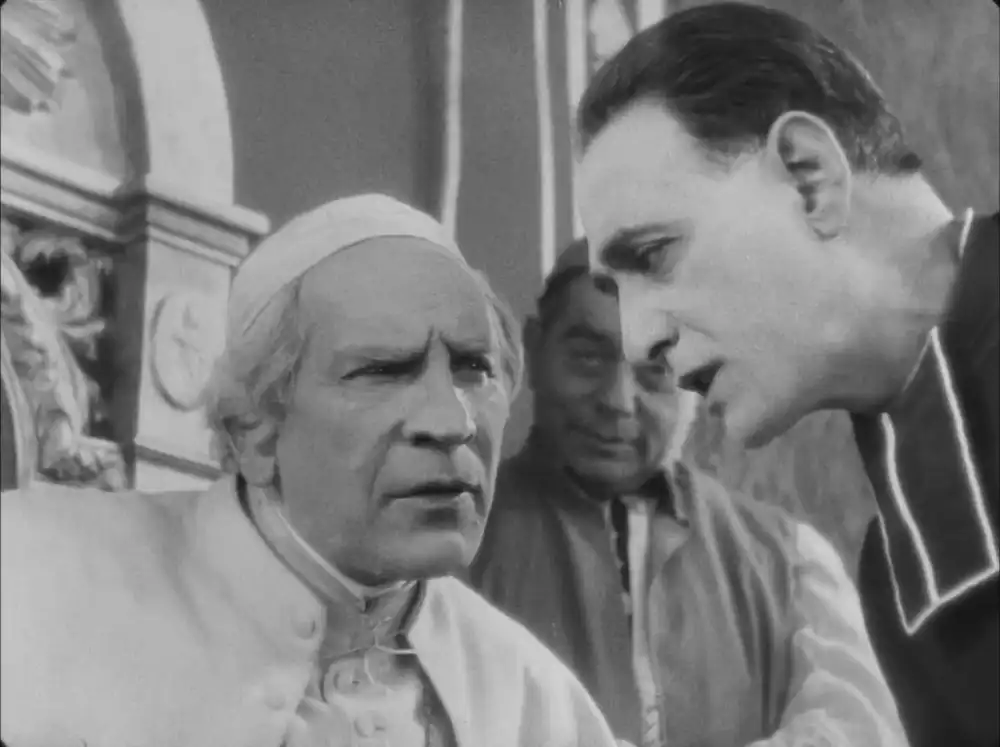
It’s slow, I won’t lie. Like, really, really slow. But it kinda has to be, right? The movie isn't trying to tell a story of grand events. It's about an inner life, a spiritual journey happening almost entirely within one person's mind and heart. 💭
Some of the acting, especially from the supporting nuns, feels a bit… theatrical, even for a silent film from that era. They hold poses in a way that’s not quite natural anymore. But then, it’s 1929, so what do you expect?
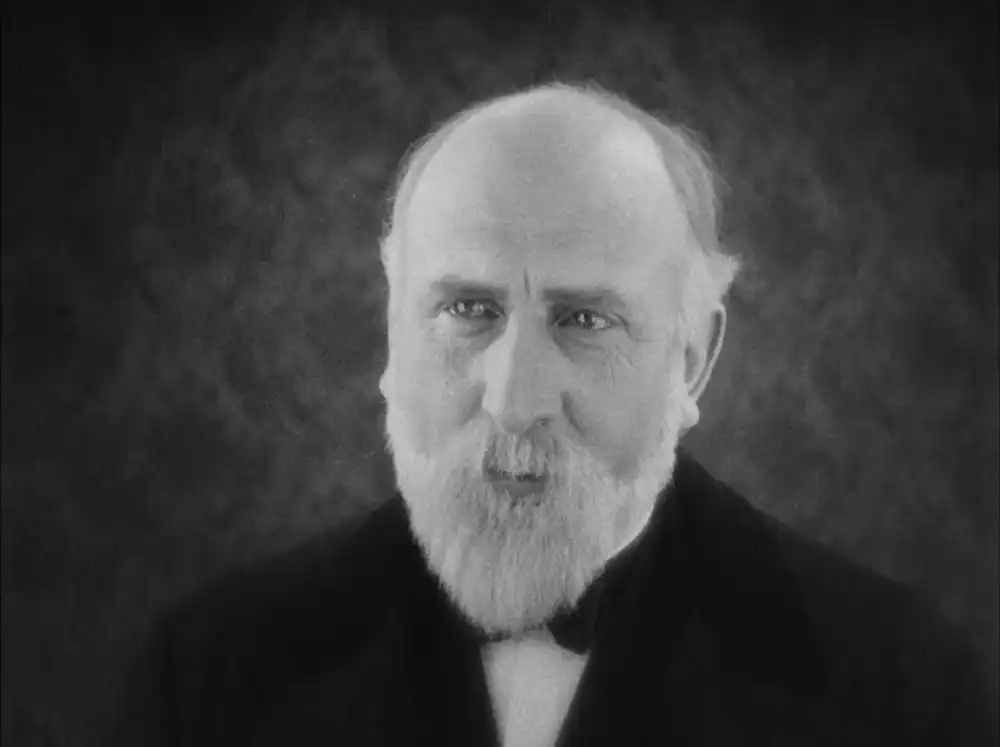
There’s a scene where Thérèse is clearly very ill, and the other nuns are gathered around her. The emotion is supposed to be palpable, but the staging is just a little stiff. It pulls you out of it for a second, then you remember the film’s age.
It’s fascinating to see how they tried to portray such an internal battle with the tools they had. No voiceovers, obviously. Just expressions, a bit of intertitle text, and the sheer length of some shots.
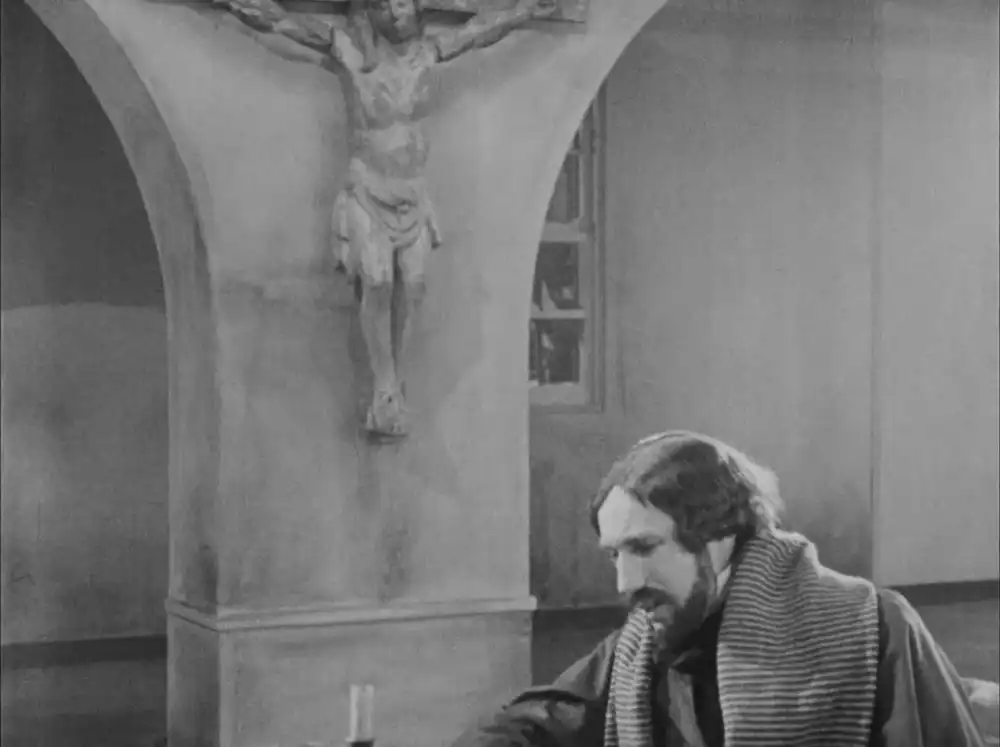
One small thing: the sets, simple as they are, really convey that sense of a enclosed, holy space. The stone walls, the sparse furnishings. It feels authentic to the period, or at least how we imagine it.
It's a world away from something like The Smart Sex, that’s for sure. No flappers here. Just quiet devotion.
The film ends with her death from tuberculosis, and it’s handled with a kind of solemn grace. You don’t get a lot of drama, but a sense of peace, even through her suffering.
I kept thinking about how different this kind of biopic is from what we get today. No flashy cuts, no modern psychological deep dives. Just a somewhat raw, direct presentation of a life lived in faith.
So, yeah. If you’re into the history of cinema, or have a specific interest in Thérèse of Lisieux, or even just like seeing how early filmmakers tackled big, abstract ideas like faith and suffering, give it a try. Otherwise, you’ve been warned. It’s a unique artifact. ✨
IMDb —
1917
Community
Log in to comment.