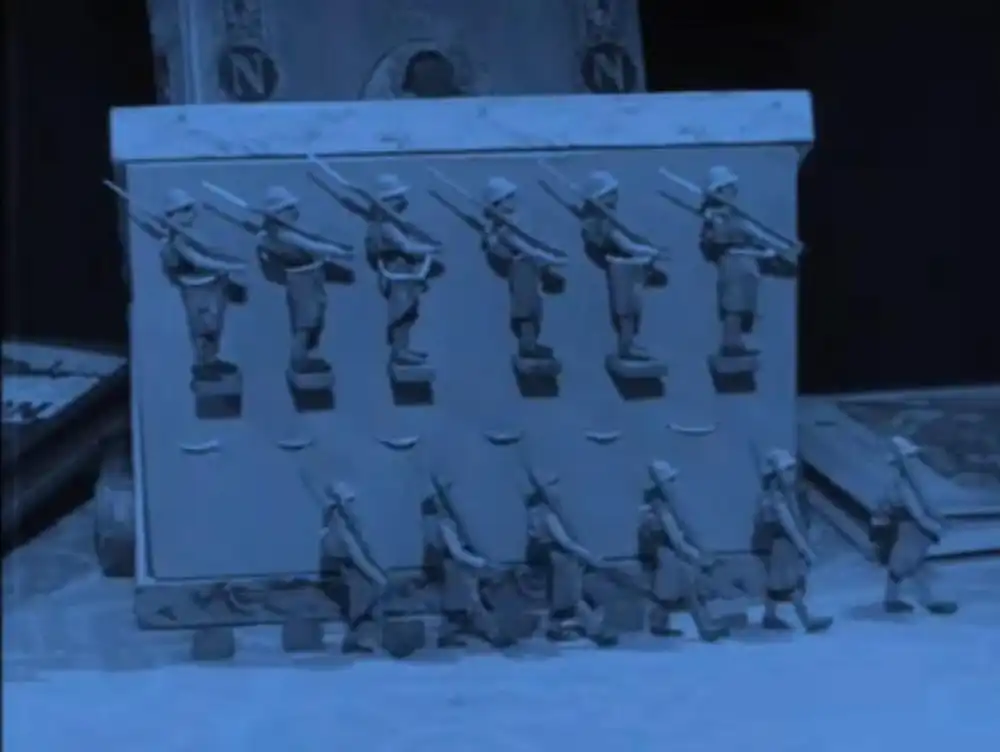
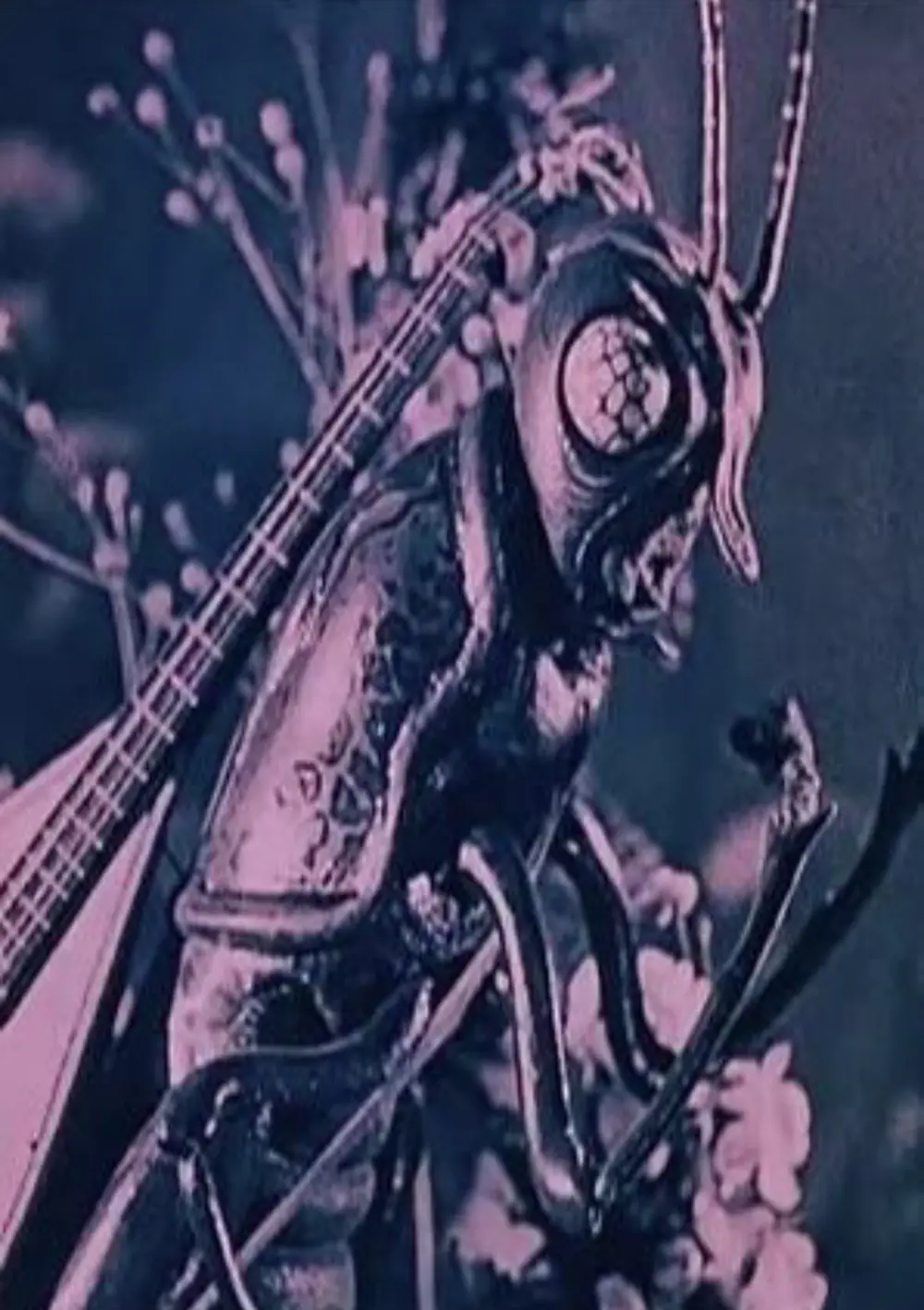
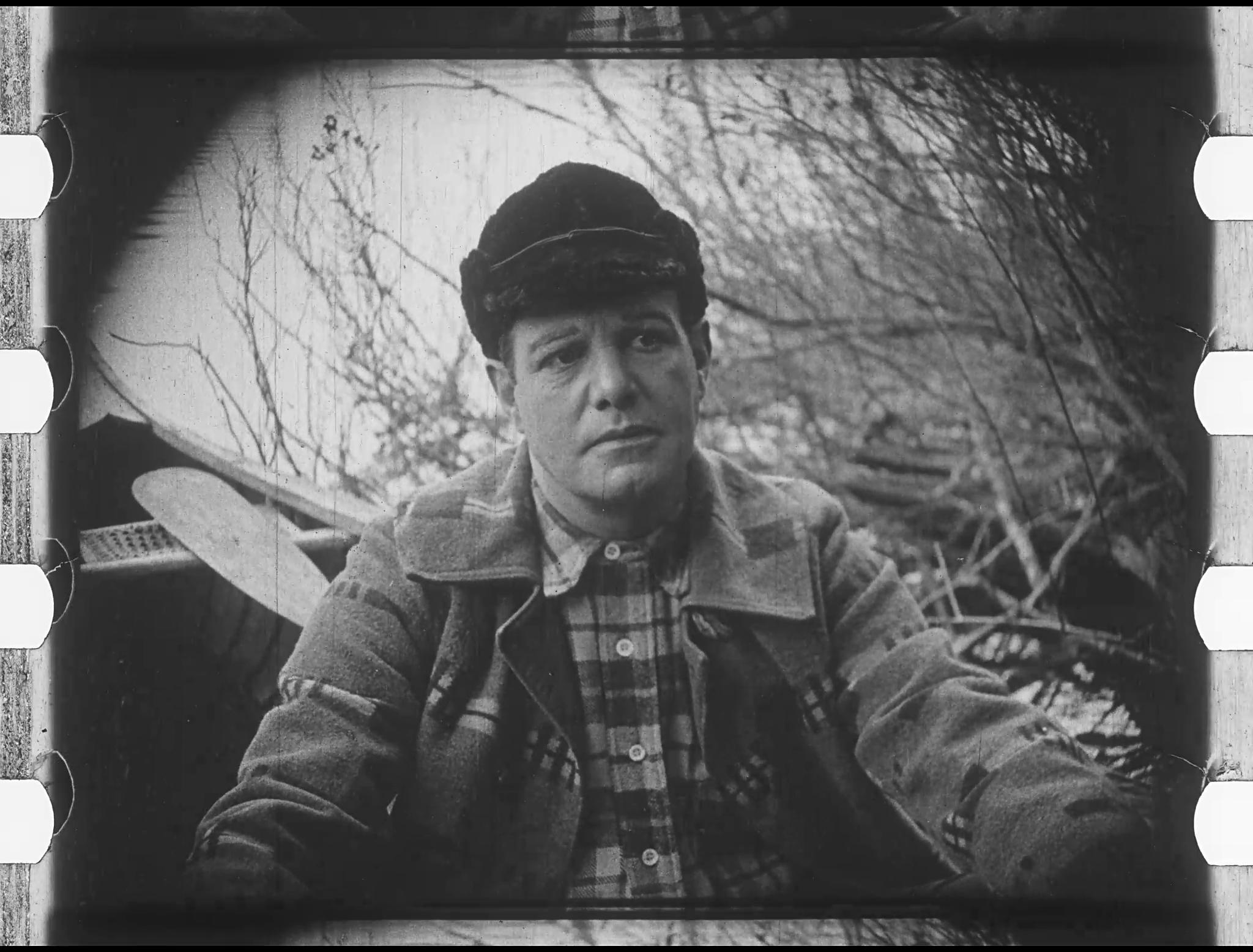
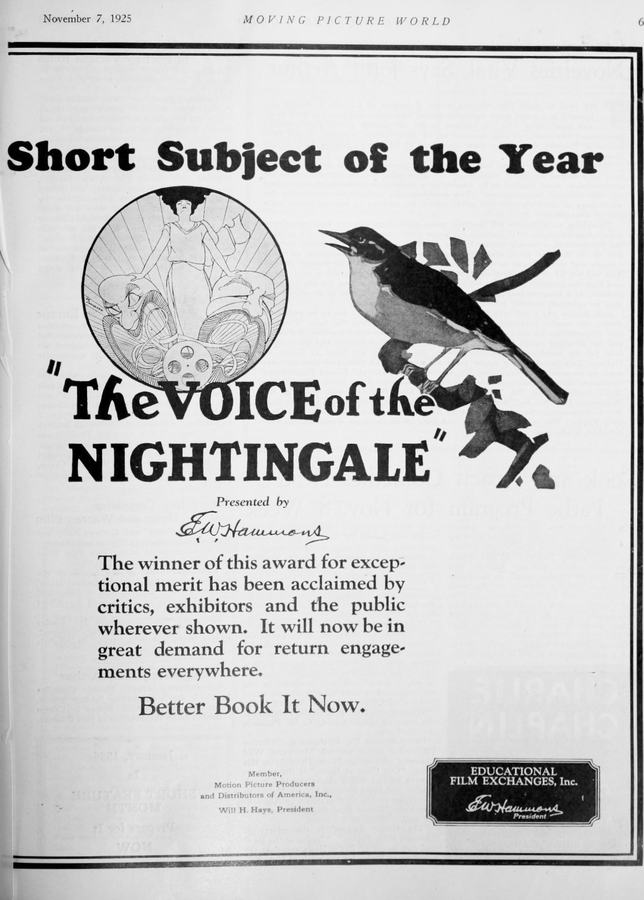
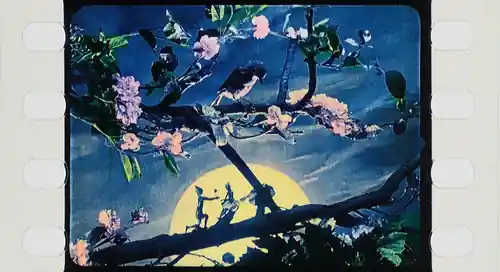
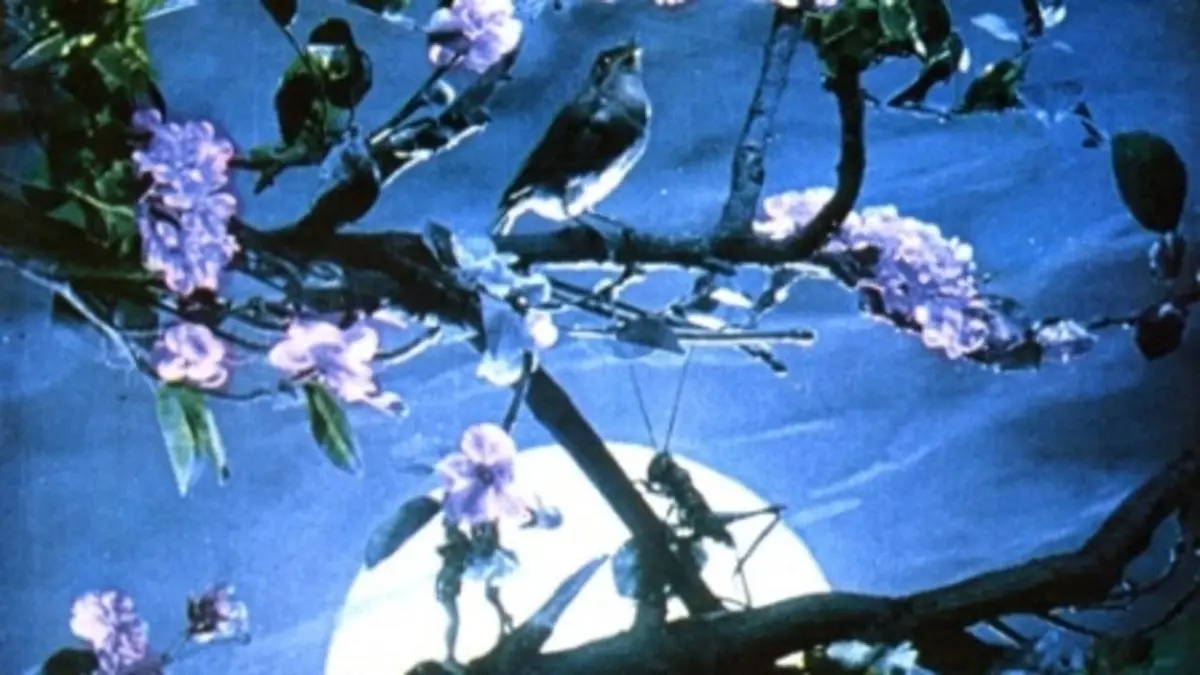
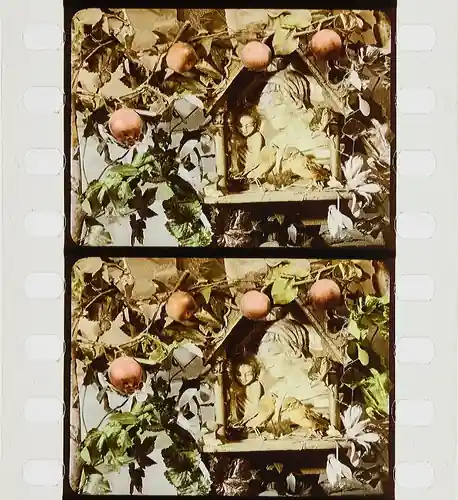
A partly-animated short film, a fairy-tale-like telling of why the nightingale only sings at night. A young girl who has caught a nightingale dreams about the nightingale and its mate, and comes to realize that birds are not made to be captive but free.
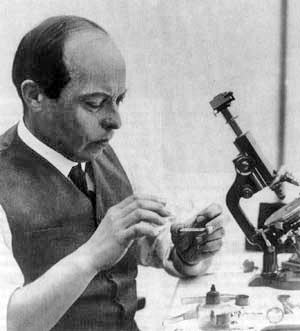
Wladyslaw Starewicz
France
\n A Whisper in the Dark: Unpacking La Voix du Rossignol\n Starewicz’s La Voix du Rossignol arrives as a modest‑length, partly‑animated short, yet its ambition eclipses its runtime. The film opens with a muted tableau: a young girl, her hair a tangled halo, cradles a nightingale whose plumage glistens like wet ink. T...
product
still_frame
still_frame
still_frame
still_frame

Comparing the cinematic DNA and archive impact of two defining moments in cult history.
Wladyslaw Starewicz
Vernon Stallings
Community
Log in to comment.
"\n A Whisper in the Dark: Unpacking La Voix du Rossignol\n Starewicz’s La Voix du Rossignol arrives as a modest‑length, partly‑animated short, yet its ambition eclipses its runtime. The film opens with a muted tableau: a young girl, her hair a tangled halo, cradles a nightingale whose plumage glistens like wet ink. The camera lingers, allowing the audience to feel the palpable tension between curiosity and compassion. In a single, breathless cut, the child’s eyelids flutter shut, and we are th..."
Deep dive into the cult classic
Discover similar cinematic experiences
A Directorial Spotlight on Wladyslaw Starewicz