DbcultAccessing Vault...
6.8/10
Senior Film Conservator
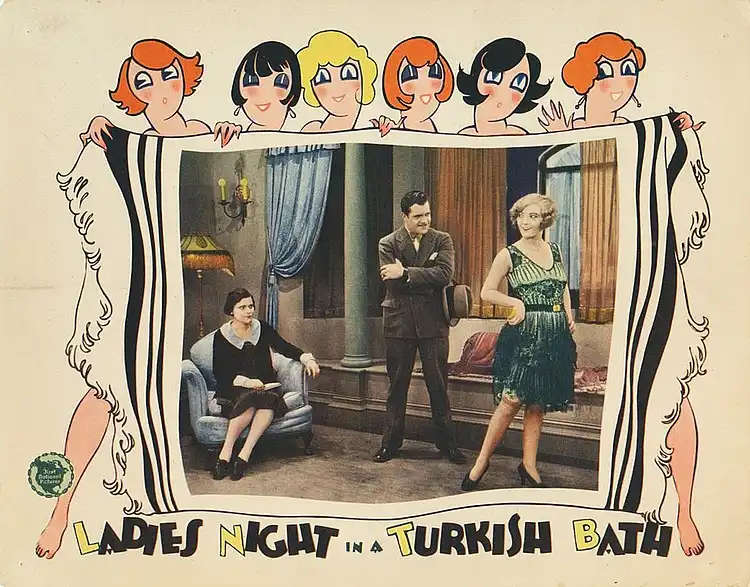
A definitive 6.8/10 rating for a film that redefined the boundaries of cult cinema. Ladies' Night in a Turkish Bath remains a cornerstone of transgressive art.
Deciding whether to watch Ladies' Night in a Turkish Bath today largely depends on what you're looking for. For casual viewers seeking a laugh, this early comedy from the late 1920s or early 30s will likely feel dated, its humor often broad and its pacing occasionally sluggish. However, for those with a genuine interest in the evolution of American screen comedy, or silent/early talkie era cinema, it offers a fascinating, if flawed, glimpse into the social anxieties and gender dynamics of the period. Think of it as a time capsule, not a timeless masterpiece. If you appreciate the unique rhythms and performance styles of films like My Mistake or even earlier Chaplin shorts, there's something here. If you prefer your comedies slick and fast-paced, you'll probably find yourself checking the clock.
The film opens with a brisk, almost frantic energy, establishing the Slocum family's thriving packed-lunch enterprise. Ma (Sylvia Ashton) is the culinary engine, Pa (James Finlayson) handles the inventive packaging – which, amusingly, seems to consist of little more than a neatly tied string and a label, a detail that feels charmingly low-tech even for the era – and pretty daughter Helen (Dorothy Mackaill) is the charming face of their sales. This initial sequence, depicting a bustling, no-nonsense working-class success story, is perhaps the most engaging part of the film. It sets up a clear contrast for their subsequent, awkward ascent into 'uptown' society. Once the Slocums sell their business and attempt to embrace the life of the idle rich, the film’s narrative engine shifts from the tangible hustle of commerce to the more nebulous anxieties of social status.
The script, credited to a team including Avery Hopwood and Al Boasberg, attempts to mine humor from the Slocums’ fish-out-of-water predicament. Ma’s immediate concern for her figure, Pa’s struggles with newfangled domesticity, and Helen’s romantic entanglements all feel like standard comedic tropes of the era. The problem isn't the premise, but often the execution, which relies more on broad strokes than nuanced character work.
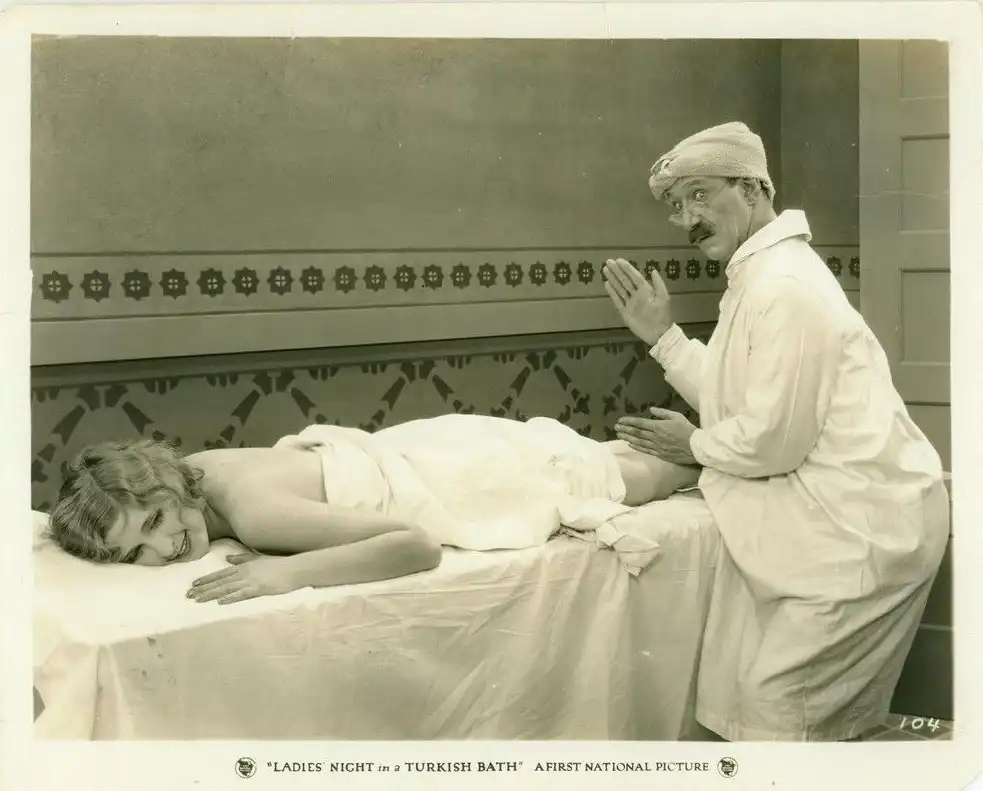
Sylvia Ashton, as Ma Slocum, leans heavily into the theatricality common in films of this period. Her performance is full of exaggerated gestures and wide-eyed reactions, particularly as she grapples with her new, supposedly refined existence. There’s a particular moment where she tries on an enormous, slightly ill-fitting fur stole for the first time in their new mansion, struggling to carry its weight and elegance simultaneously. It’s a small, telling visual that perfectly encapsulates her discomfort with newfound wealth, rather than any genuine transformation. James Finlayson, instantly recognizable for his signature double-take, brings his usual bewildered charm to Pa. He’s often the recipient of physical gags, and while he delivers them with practiced timing, they rarely land with genuine surprise.
Dorothy Mackaill, as Helen, fares somewhat better, bringing a more naturalistic energy to her role. She feels like the emotional anchor, torn between her family’s social aspirations and her genuine affection for her construction-worker fiancé (Jack Mulhall). Mulhall, in turn, plays the earnest, slightly insecure working-class hero with a commendable sincerity, though his dialogue often feels a little too earnest, lacking the sharp wit that might have elevated the romantic conflict. The supporting cast, particularly Andreva Nunée as the seductive neighbor's nephew, often devolves into stock characterizations, their performances feeling more like caricatures than people, serving primarily to drive the plot's farcical elements.
The film’s pacing is its most significant hurdle. After a lively opening, the middle section, focused on the domestic squabbles and the Slocums' attempts to adapt, begins to drag. Scenes linger a little too long on reaction shots, and the dialogue, particularly in the quieter domestic moments, lacks the snap needed to sustain interest. The argument that finally sends the men to the 'raunchy club' and the women to the Turkish Baths feels less like a natural culmination of tension and more like a necessary plot device to kickstart the film's promised 'night out' premise.
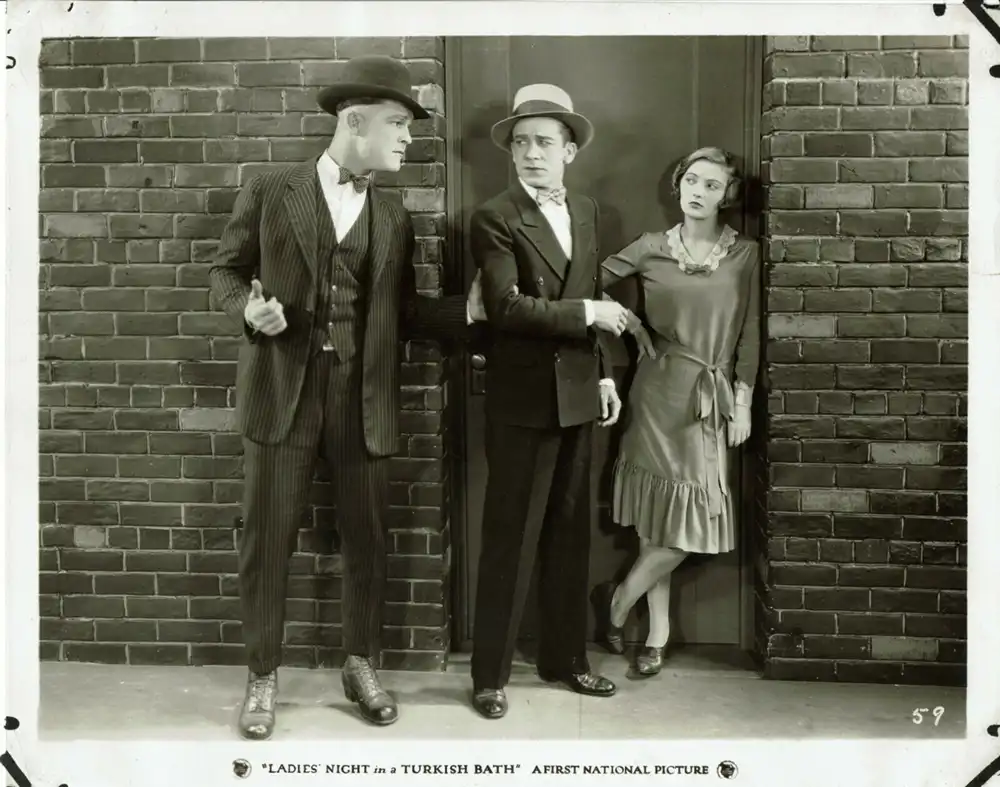
Once the characters split, the film finds a renewed, if somewhat disjointed, energy. The men's escapades at the club are depicted with a predictable, slightly prudish early Hollywood sensibility – more implied naughtiness than actual raunch, relying on quick cuts to dancing girls and exaggerated guffaws from the male patrons. The women's experience at the Turkish Baths, however, offers a more interesting, if still comedic, exploration of female bonding and body image anxieties. One scene, in particular, where Ma awkwardly tries to participate in a communal stretching exercise, her face a mask of discomfort while the other women seem genuinely at ease, highlights the film's intermittent ability to land a genuinely observed comedic moment amidst the broader farce.
Visually, Ladies' Night in a Turkish Bath is a product of its time. If it's an early talkie, the camera work is often static, prioritizing clear sound recording over dynamic composition. Sets, particularly the Slocums' new 'uptown' mansion, are functional but rarely inspire. The Turkish Bath sequence, however, manages a slightly more evocative atmosphere, with steam and soft lighting attempting to convey a sense of exoticism and relaxation, even if the execution feels a little stage-bound. The costumes effectively delineate social status, from the Slocums' initial modest attire to Ma's aforementioned fur stole and the more revealing, albeit still modest, outfits in the bathhouse.
The film's strength lies in its premise and its occasional flashes of observational humor regarding social mobility and gender roles. The initial setup of the Slocum family's business is genuinely engaging, and the parallel narratives of the 'night out' offer some thematic symmetry. It's also valuable for fans of its cast, particularly to see Dorothy Mackaill in a more grounded role amidst the broader comedy. The film's primary weaknesses are its uneven pacing, particularly in the middle act, and its reliance on broad, sometimes repetitive comedic situations. The dialogue often feels functional rather than witty, and many of the supporting characters are thinly sketched.
Ultimately, Ladies' Night in a Turkish Bath is a film for a specific audience. It's not a lost classic, nor is it a particularly challenging watch. It's a snapshot of a bygone era of comedy, offering glimpses of talented performers navigating a script that, while well-intentioned, often struggles to maintain momentum. If you're a student of film history, an admirer of early Hollywood, or simply curious about the comedic sensibilities of the late 1920s or early 30s, then it's worth seeking out. Approach it with an appreciation for its historical context rather than expectations for modern comedic timing, and you might find some dated charm in its farcical misunderstandings. For everyone else, there are countless other, more enduring comedies that better warrant your time today.
IMDb —
1922
Community
Log in to comment.