DbcultAccessing Vault...
5.4/10
Senior Film Conservator
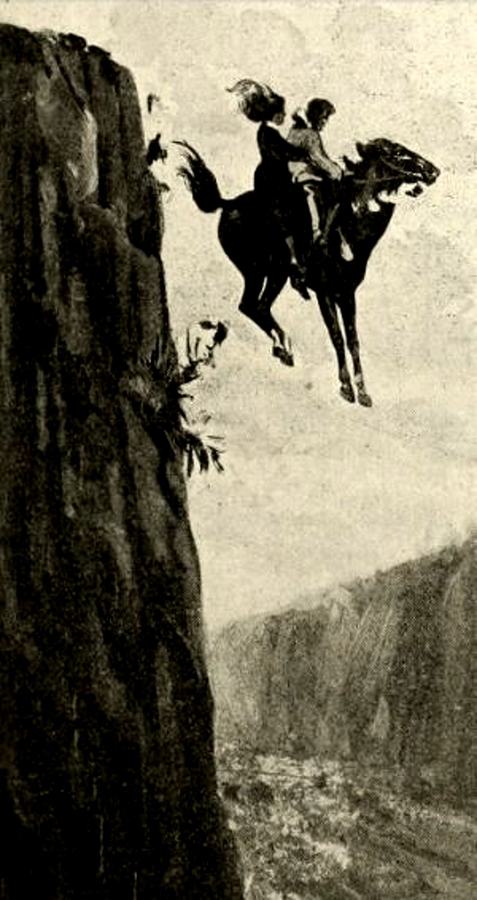
A definitive 5.4/10 rating for a film that redefined the boundaries of cult cinema. The Great Leap: Until Death Do Us Part remains a cornerstone of transgressive art.
In the expansive tapestry of early American cinema, few narratives command the visceral force and tragic grandeur quite like "The Great Leap: Until Death Do Us Part". This is far more than a mere film; it represents a profound cinematic excavation into the very soul of a nascent nation grappling with its own internal divisions and the lingering shadows of historical grievances. All this is framed through the timeless, searing lens of a forbidden romance. Long before the sprawling, multi-generational sagas became a staple of cinematic storytelling, this picture dared to confront universal themes: the insidious grip of inherited hatred, the utter futility of endless vengeance, and the incandescent, yet fragile, power of love caught tragically in the crossfire. Released during an era when motion pictures were still nascent, experimenting with their expressive capabilities, it stands as a monumental testament to the raw, unadulterated emotive power that could be wielded even without spoken dialogue. The film masterfully relied instead on the eloquent language of gesture, the nuanced canvas of human expression, and meticulously crafted visual storytelling to convey its weighty message.
The cinematic narrative, with its potent echoes of the legendary Hatfield/McCoy feud and the universally recognized Shakespearean tragedy of Romeo and Juliet, plunges us unceremoniously into the tumultuous heart of a generational conflict. Here, two powerful families, deeply entrenched in their mutual animosity, represent not just a localized, insular dispute but a profound microcosm of broader human failings and societal fissures. Their feud isn't merely a convenient plot device; it morphs into a living, breathing entity, a formidable character in itself, actively shaping destinies and casting an ominous, elongated shadow over the entire landscape. The titular "Great Leap" refers not only to the audacious, almost suicidal act of forbidden love that ignites the central drama, but also to the desperate, often fatal, attempts by individuals to bridge an abyss of hatred that has consumed successive generations. It’s a leap of faith, a leap into the unknown, and often, a leap into oblivion, all in the name of a peace that seems perpetually out of reach.
Anthony Paul Kelly's screenplay for "The Great Leap" is a triumph of silent film dramaturgy, constructing a narrative that manages to be both epic in its sweeping scope and intimately personal in its focus on individual suffering. Kelly possessed an astute understanding that the most profound tragedies often unfold within the smallest, most tightly knit communities, where every slight, every perceived injustice, rather than fading, instead festers and metastasizes into an insurmountable barrier between people. The story unfolds with a deliberate, almost agonizing build-up, meticulously establishing the deep-seated grievances that fuel the two warring factions. We are made privy to the subtle yet devastating ways in which the feud permeates every single aspect of life: coloring relationships with suspicion, dictating unyielding loyalties, and ultimately stifling any genuine hope for lasting peace. It is a world where the past is not merely prologue but an ever-present, suffocating force, dictating the grim inevitability of the future.
Unlike the simpler, often more episodic narratives prevalent in some contemporary films, such as The Kineto Coronation Series: Royal Progress Through London, which primarily focused on documenting public events, "The Great Leap" delves with remarkable depth into character motivation and the devastating psychological toll of ceaseless conflict. Kelly’s writing ensures that the audience viscerally feels the oppressive weight of this history, understanding that the protagonists are not simply isolated individuals but rather the direct inheritors of a bloody, unforgiving legacy. The screenplay commendably avoids the pitfall of simplistic villains, instead presenting characters driven by a complex, often contradictory mix of pride, unwavering familial loyalty, and a tragic, almost pathological inability to forgive. This profound narrative nuance elevates the film beyond mere melodrama, pushing it squarely into the realm of profound social commentary, questioning the very fabric of communal existence when torn apart by vendetta.
The isolation of the rural setting further amplifies the suffocating nature of the feud. These families are not merely in conflict; they are trapped, geographically and emotionally, within a self-perpetuating cycle of violence. The rugged terrain, with its formidable mountains and winding rivers, acts as both a physical barrier separating the clans and a symbolic representation of the psychological chasm between them. Each act of aggression, each retaliatory strike, further deepens the chasm, making reconciliation seem not just difficult, but utterly impossible. The film masterfully portrays how this constant state of alert, this perpetual readiness for conflict, warps the community, eroding trust and fostering an atmosphere of pervasive fear and suspicion. Children are born into this feud, inheriting not just names and land, but also the bitter taste of hatred, ensuring the cycle continues generation after generation, a truly Sisyphean curse.
At the very epicenter of this maelstrom are the star-crossed lovers, portrayed with an astonishing, heart-wrenching sincerity by Raoul Walsh and Mae Marsh. Walsh, a true towering figure in early cinema, celebrated both in front of and behind the camera, imbues his character with a powerful blend of youthful impetuosity, unwavering conviction, and a deep, yearning tenderness. His eyes, even in the stark, unforgiving black and white of the silent era, convey a profound sense of determination in the face of adversity and a palpable despair when confronted with the futility of his situation. He is a man tragically caught between the fierce, unyielding loyalty demanded by his kin and the irresistible, almost spiritual pull of a love that daringly transcends all boundaries of family and feud. His performance is a remarkable, intricate study in silent acting, relying heavily on subtle shifts in posture, the intense, unwavering focus of his gaze, and the eloquent expressiveness of his hands to communicate a vast, intricate spectrum of human emotion, from defiant passion to quiet anguish.
Mae Marsh, already a veteran of D.W. Griffith's grand epics, delivers a performance that is nothing short of luminous, an ethereal presence amidst the surrounding darkness. As the radiant daughter of the opposing clan, she embodies both a delicate fragility and an unwavering inner strength that becomes increasingly evident as the narrative progresses. Her character's arduous journey, from innocent, nascent affection to a desperate, defiant love, is rendered with exquisite sensitivity and remarkable psychological depth. Marsh possesses an uncanny ability to convey profound emotional states with a mere fleeting glance, a subtle tilt of the head, or a trembling lip, drawing the audience into her character's unbearable predicament with an almost suffocating intimacy. Her on-screen chemistry with Walsh is palpably electric, creating a magnetic force that renders their forbidden romance not just believable but utterly compelling, making the audience root for their impossible union against all odds. Their scenes together are often quiet, understated moments of pure cinematic poetry, contrasting sharply with the explosive, often brutal violence that relentlessly surrounds them, offering brief, precious respites of hope amidst the encroaching despair.
The formidable supporting cast, featuring silent film stalwarts like Donald Crisp and Ralph Lewis, further enriches the intricate tapestry of this tragic tale. Crisp, often cast as authoritative or stern figures, brings a formidable, almost intimidating presence to his role as a patriarch, embodying the very essence of unyielding tradition, stubborn pride, and vengeful resolve. His performance is a masterclass in conveying menace and unwavering determination without uttering a single word, his every movement and expression speaking volumes. Lewis, too, contributes significantly, portraying the weary burden of leadership and the impossible, soul-crushing choices faced by individuals caught in the unyielding vise of ancient hatreds. Even the more peripheral figures, such as Eagle Eye and Robert Harron, contribute meaningfully to the film's rich, layered texture, each character a vital thread in the intricate weave of the narrative, highlighting the pervasive and destructive impact of the feud on every single life it touches. Irene Hunt's presence, though perhaps less central to the main romantic thrust, adds another crucial layer to the ensemble, showcasing the breadth of talent and dedication assembled for this ambitious production, ensuring that no character feels superfluous.
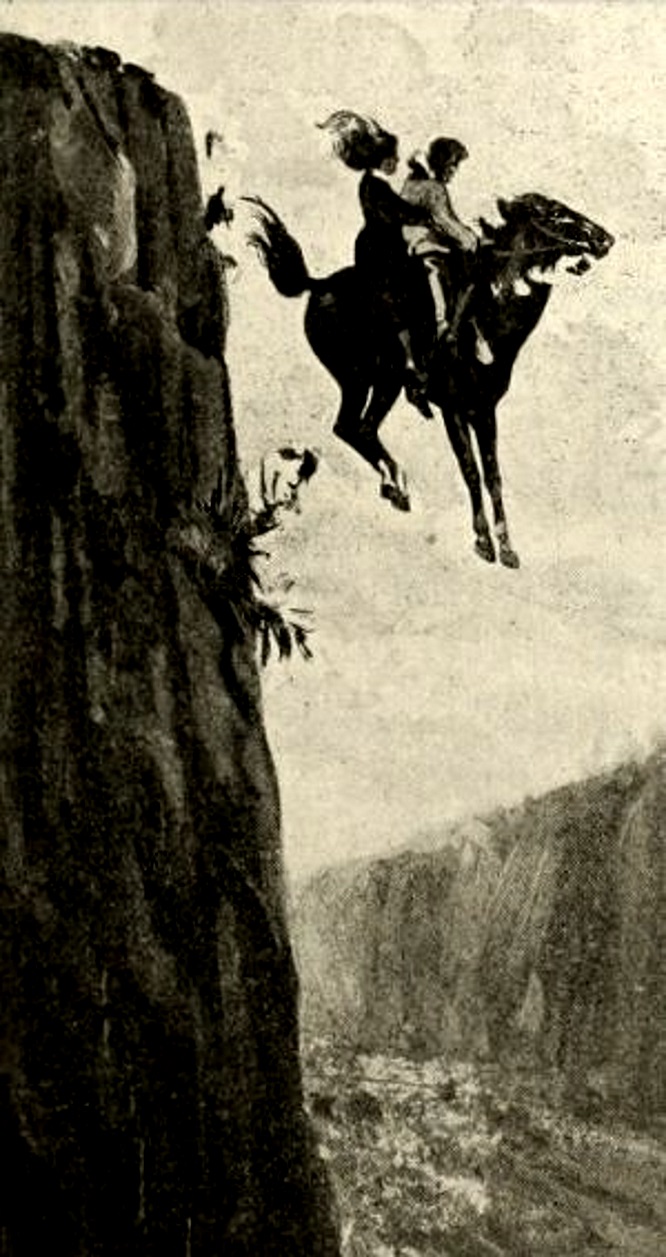
While the precise attribution for overall direction in films of this early era can sometimes be complex and diffuse, the compelling visual language of "The Great Leap" speaks volumes about a clear, powerful, and unified directorial vision. The cinematography is often breathtaking, not merely capturing the rugged, untamed beauty of the American frontier landscape but simultaneously emphasizing its unforgiving, isolating nature. Wide shots are strategically employed to establish the profound isolation of the warring families and the sheer vastness of the territory they dispute, thereby underscoring the seemingly endless nature of their conflict. Conversely, tighter close-ups bring the raw, unvarnished emotional intensity of the characters directly to the fore, allowing the audience to intimately connect with their internal struggles. The masterful use of natural light and shadow creates a stark, almost operatic atmosphere, perfectly mirroring the grim reality of the unfolding drama and heightening its tragic impact. The visual motifs, such as the distant, smoke-filled horizons or the winding, treacherous paths, serve as potent symbols of the characters' inescapable destinies and the arduous journey they are forced to undertake.
The film's pacing is remarkably deliberate and measured, allowing moments of quiet reflection and poignant tenderness to truly breathe before inevitably erupting into thrilling sequences of action and brutal confrontation. "The Great Leap" demonstrates a profound understanding of the power of visual metaphor – a lone rider silhouetted against a vast, indifferent horizon symbolizing individual helplessness; a flickering candle in a darkened room representing fragile hope; a shared, stolen glance across a crowded, hostile hall conveying a world of unspoken longing and danger. All these elements contribute to a narrative that transcends its simple plot points, elevating it to an artistic statement. This sophisticated approach to visual narrative was a defining hallmark of the burgeoning art form, distinguishing it sharply from earlier, often more static or purely documentary-style productions. For instance, while Zhuangzi shi qi might have explored abstract philosophical themes through its narrative, "The Great Leap" harnesses its visual grammar to explore visceral, deeply human conflict and its devastating consequences with unparalleled intensity.
The action sequences, when they punctuate the narrative, are staged with a visceral energy and raw authenticity that belie the film's considerable age. These are not merely perfunctory or stylized fights; they are brutal, desperate clashes born of deep-seated, ancestral hatred, and the film commendably does not shy away from depicting their harrowing and often fatal consequences. The directorial choices ensure that these moments of violence serve the overarching story, rather than existing solely for sensational spectacle. Every confrontation, every act of aggression, every tragic loss, inexorably pushes the narrative forward, progressively tightening the noose around the necks of the star-crossed lovers, making their ultimate fate feel increasingly inevitable and tragic. The editing, though perhaps not as rapid-fire as later cinematic eras, is effective in building suspense and conveying the chaos of conflict, demonstrating a growing mastery of cinematic language.
The profound thematic resonance of "The Great Leap: Until Death Do Us Part" firmly establishes its place within a grand, venerable tradition of storytelling that spans centuries and cultures. Its direct, undeniable lineage to Shakespeare's immortal Romeo and Juliet is immediately apparent, yet the film also finds compelling kinship with numerous other cinematic explorations of intractable conflict and the crushing weight of societal pressure. One might readily draw parallels to the raw power and incisive social commentary found in Germinal; or, The Toll of Labor, which, though primarily focusing on class struggle and industrial strife, similarly portrays individuals caught in the relentless, impersonal grinder of larger, merciless societal forces. Both films powerfully illustrate the devastating human cost exacted when ideological or ancestral divides become unbridgeable chasms, consuming lives and hope.
In its poignant depiction of deeply personal drama unfolding against a backdrop of public spectacle and pervasive societal judgment, "The Great Leap" can be insightfully viewed as a significant precursor to subsequent films like Home, Sweet Home, which similarly explored the intricate complexities of family life and emotional turmoil, albeit with a different narrative emphasis. While films such as The Ghost Breaker offered thrilling mysteries and supernatural intrigue, and Fantomas: The Mysterious Finger Print delved into the intricate machinations of criminal masterminds, "The Great Leap" consciously grounds itself in a more elemental, universal human conflict: the arduous struggle against one's own inherited fate and the crushing burden of a preordained destiny. Its focus on the individual's fight against collective madness is what truly sets it apart.
The film's profound exploration of love's desperate, often doomed fight against overwhelming societal odds also brings to mind the passionate, often tragic romances found in works like Sapho, where rigid societal conventions and powerful personal desires collide with heartbreaking, often fatal consequences. However, "The Great Leap" amplifies this inherent conflict by embedding it squarely within the context of an unyielding, generational feud, thereby making the lovers' struggle not merely against individual circumstances but against a collective, ancestral curse that seems impossible to break. It’s a powerful testament to the film's enduring power and universal appeal that its core themes remain as profoundly relevant today as they were upon its initial release, speaking directly to the universal human experience of seeking genuine connection and understanding amidst profound, often violent division. The film's ability to transcend its historical context and speak to contemporary audiences is a hallmark of truly great art.
To view "The Great Leap: Until Death Do Us Part" in the present day is to gain a profound, almost revelatory appreciation for the astonishing sophistication of early cinematic storytelling. It is a film that resolutely refuses to shy away from the brutal, often ugly realities of its chosen subject matter, yet it never once descends into gratuitous violence or exploitative sensationalism. Instead, it masterfully utilizes the omnipresent conflict to amplify the emotional stakes, rendering the brief, tender moments between the lovers all the more poignant, fragile, and utterly precious. The film stands as a masterclass in building relentless dramatic tension, skillfully leading the audience inexorably towards its heart-rending, inevitable climax, a journey both emotionally exhausting and deeply rewarding.
The sheer artistry and innovative spirit involved in bringing such a complex, emotionally charged narrative to vivid life in the nascent silent era cannot possibly be overstated. From the nuanced, deeply felt performances of Raoul Walsh and Mae Marsh, who convey volumes with a glance or a gesture, to the intricate staging of dynamic action sequences and the evocative, almost poetic power of the cinematography, every single element works in perfect concert to create a deeply immersive and unforgettable cinematic experience. It serves as a powerful rebuttal to any lingering misconception that early films were inherently simplistic or artistically unsophisticated, proving instead that they were more than capable of profound emotional depth, intricate psychological exploration, and complex narrative construction. While films like The Corbett-Fitzsimmons Fight offered raw spectacle and a sense of immediacy, "The Great Leap" offered something far more enduring: a soul-stirring narrative that resonates deep within the human spirit.
Ultimately, "The Great Leap: Until Death Do Us Part" is far more than just a historical curiosity or an artifact of a bygone era; it is a truly vital piece of cinematic heritage that continues to speak to the enduring, universal power of human emotion and the timeless struggle against destructive forces. It serves as a stark, compelling reminder of the devastating consequences of unchecked animosity and the tragic, yet undeniable,
IMDb —
1919
Community
Log in to comment.