DbcultAccessing Vault...
Cult Review
Senior Film Conservator
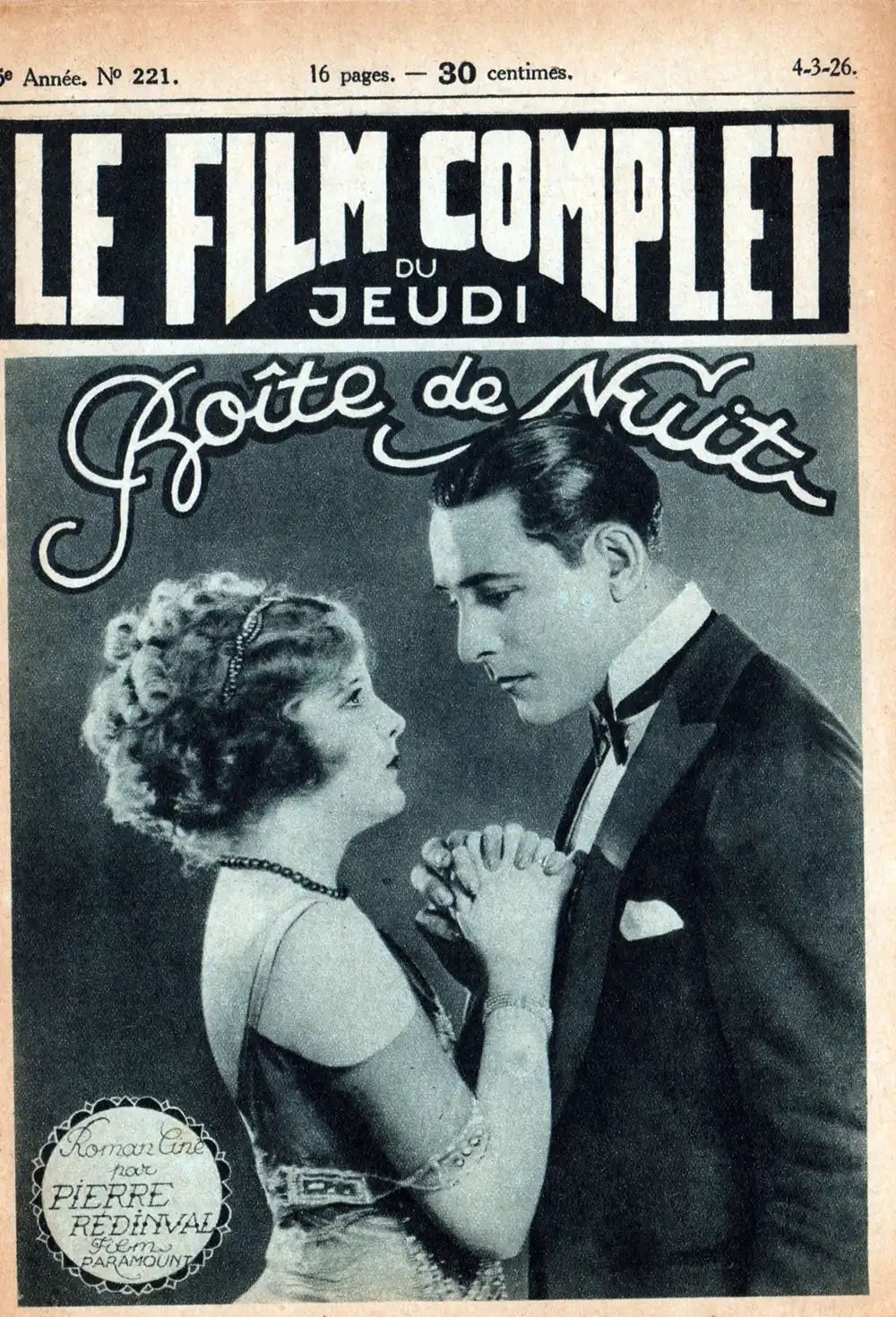
Alright, let’s talk about Ladies of the Night Club. Is it worth watching today? Mostly, yes, but with a lot of caveats. If you're someone who genuinely enjoys digging into early cinema, especially pre-Code stuff or films from that transitional period, you’ll find plenty to chew on. It’s a fascinating artifact, really. Anyone expecting a tight, modern narrative or polished acting will probably hate it and wonder why they bothered. This one's for the patient, the curious, and those with a high tolerance for the slightly clunky charm of the past.
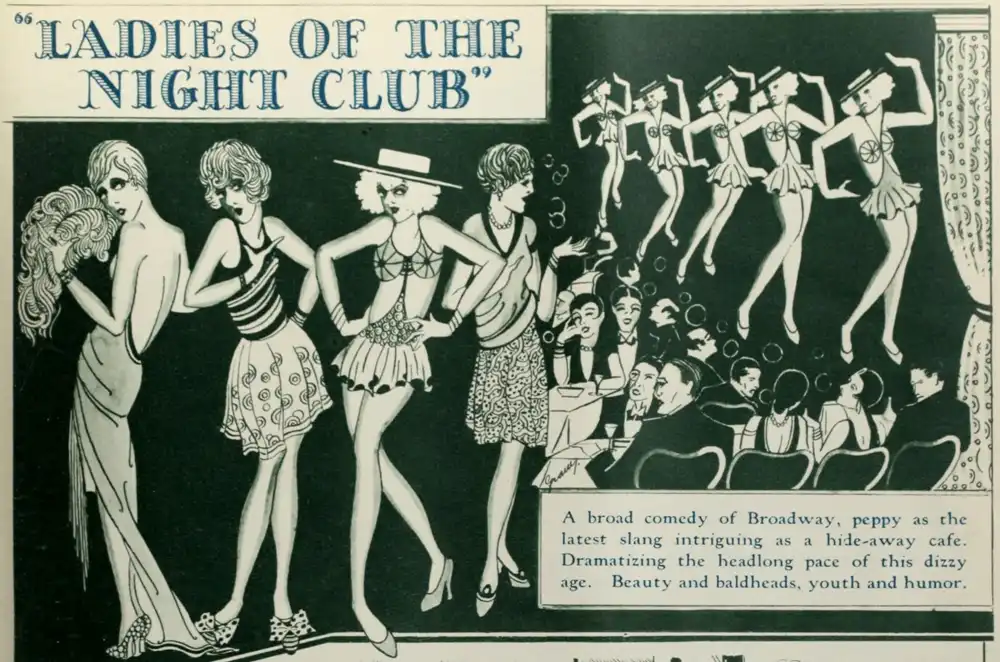
The film sets its stage in a pretty standard, somewhat grimy night club. Not the dazzling, aspirational kind, but more the place where people actually go to escape, or maybe get into trouble. Cissy Fitzgerald, bless her heart, plays the ingenue trying to keep her head above water. Her performance, especially in the early scenes, has this wide-eyed earnestness that sometimes tips over into… well, it feels like she’s trying a bit too hard to convey 'innocence under duress.' There’s a scene where she’s serving drinks, and a patron makes a crude remark. Her reaction shot lingers for what feels like an eternity, almost daring you to look away, and it’s less about her character’s shock and more about the camera’s decision to just… hold.
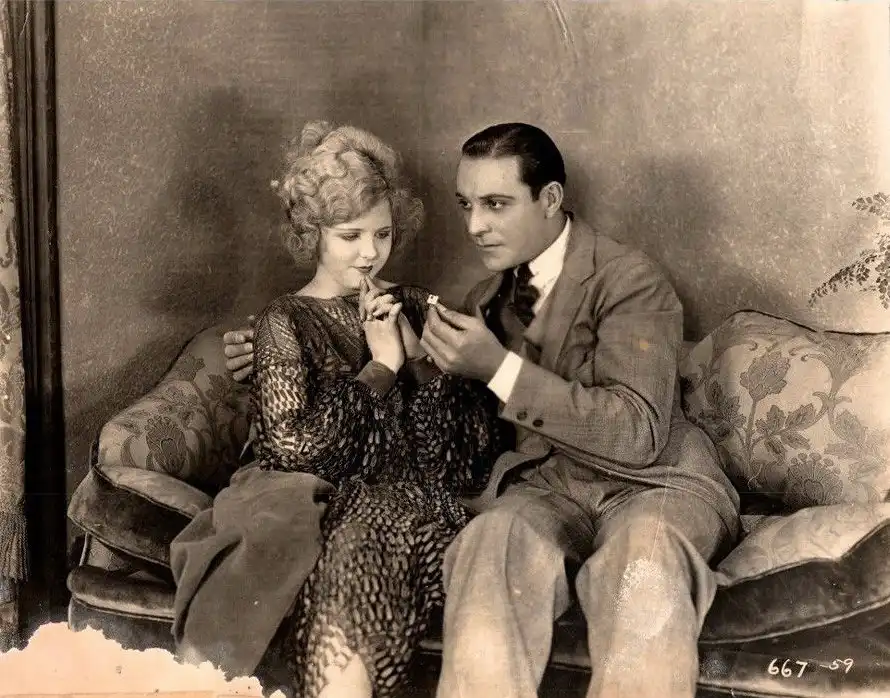
Then Ricardo Cortez strides in. He’s got that slick, dangerous charm he perfected, and honestly, the film noticeably picks up whenever he’s on screen. He brings a certain gravitas, even if sometimes it feels like he’s acting in a different, more sophisticated movie. The way he lights a cigarette, or just the subtle shift in his gaze when he’s assessing a situation – it’s genuinely compelling. You can see why he was a star.
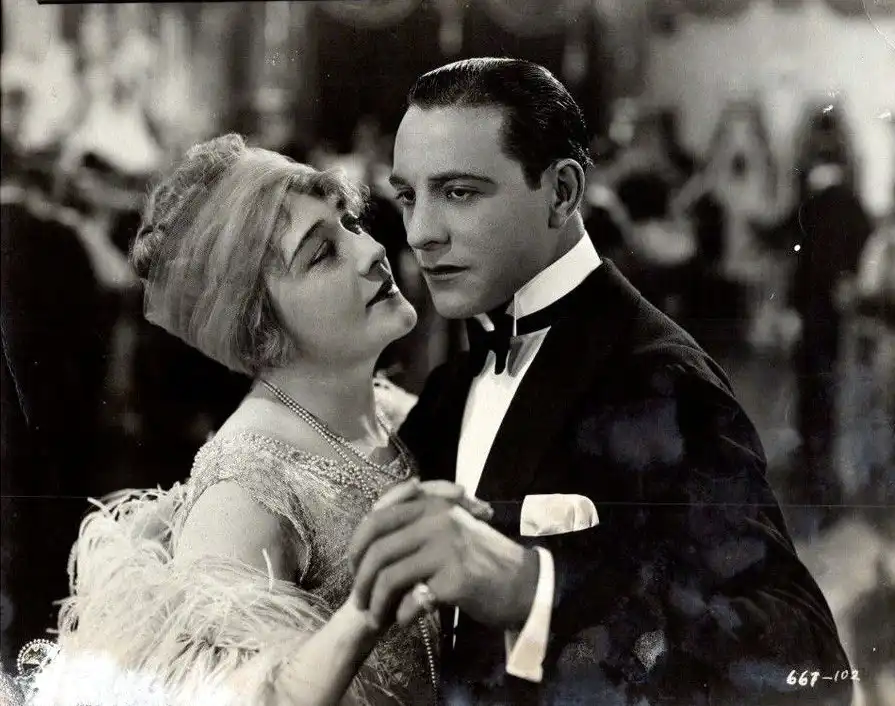
The dialogue is a mixed bag. Some lines feel genuinely sharp, cutting through the general melodrama, particularly in the exchanges between Cortez and Douglas Gerrard’s character, who plays a sort of rival or antagonist. But then you get these clunky exposition dumps, usually delivered by some minor character, that feel like they were lifted straight from an early draft of a play. It snaps you right out of any immersion the film might have built up.
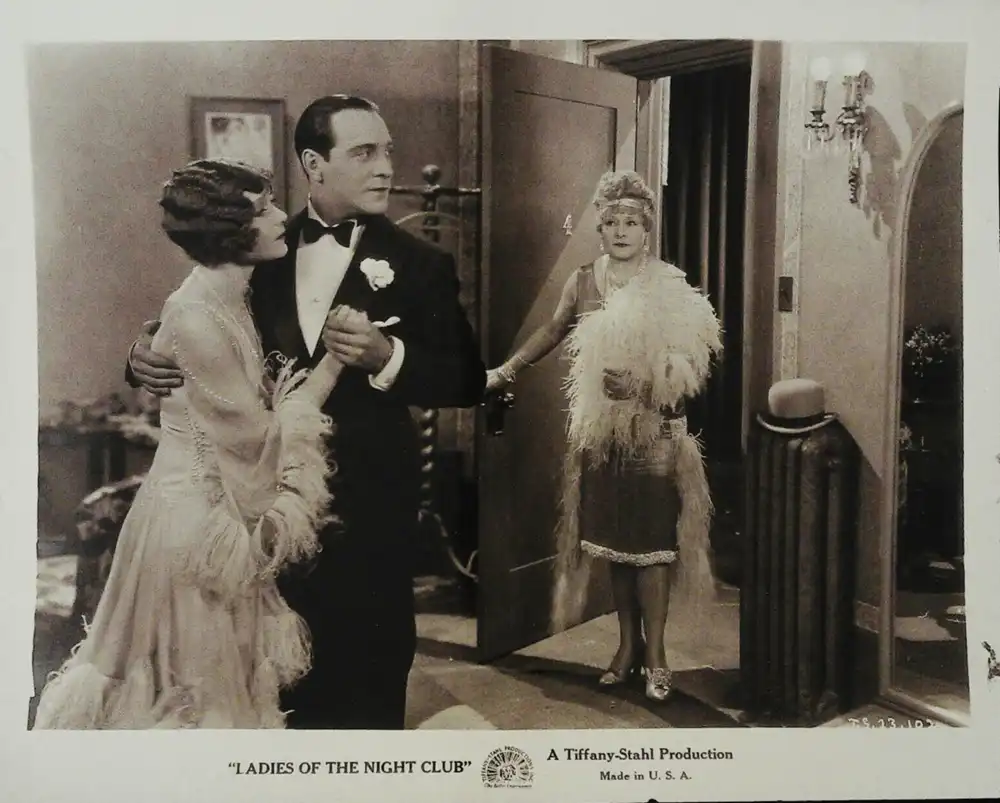
Pacing is another thing. There are moments of genuine tension, where the cuts are quick and effective, pushing the story forward. And then there are entire sequences that just… breathe. Sometimes it works, letting the atmosphere soak in. Other times, like a particular dance number early on, it just drags. You watch the same two couples twirl for what feels like five minutes, and you start to wonder if the editor just forgot to make a cut. The extras in these crowd scenes have this oddly detached quality, too. Like they were told to 'mingle' and interpreted it as 'stand around looking vaguely interested.'
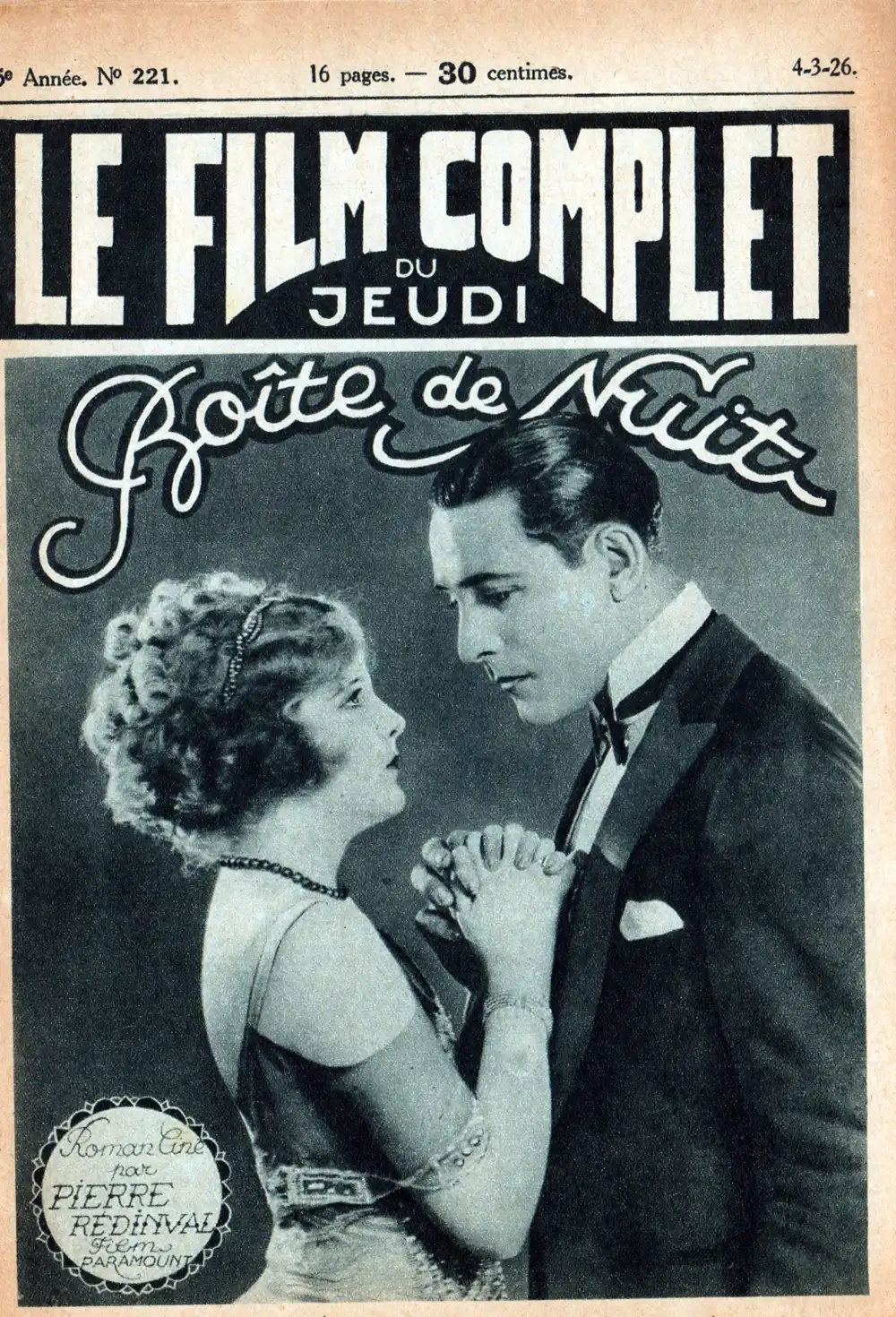
One of the more frustrating aspects is how some of the emotional beats are handled. There’s a moment where Fitzgerald’s character is supposed to be heartbroken, and the film cuts to a shot of her looking out a window, rain streaking down. It’s a classic trope, but it’s so on-the-nose, so deliberate, that it almost feels like the movie is saying, “See? She’s sad now. Feel bad for her.” Instead of letting the performance or the situation do the work, it leans on visual shorthand that feels a little desperate.
But then, there are these tiny, unexpected things that work. A quick shot of a discarded champagne glass, glinting under a table, hinting at the messier side of the night club life. Or the way a minor character, a bartender played by Lee Moran, delivers a single line of cynical advice, and it feels more authentic than half the main plot points. These are the moments that truly make you feel like you’re watching something real, not just a stage play captured on film.
The costume design for Fitzgerald, particularly when her character starts to 'ascend' within the club's hierarchy, is interesting. It’s a clear visual cue for her changing circumstances, but some of the dresses feel a little… stiff. Like they’re wearing her, rather than the other way around. There’s a scene where she’s in a sequined number, and it just doesn’t quite move with her, making her look a bit uncomfortable.
The ending, without giving anything away, feels a little rushed. It tries to tie up all the loose ends a bit too neatly after spending so much time meandering through the middle act. You can almost feel the writers trying to force a particular moral conclusion, rather than letting the characters' actions dictate it naturally. It’s not terrible, but it leaves you thinking, 'Oh, okay, so that’s how we’re doing this.' It lacks the punch or the lingering ambiguity that the best melodramas manage to pull off.
Overall, Ladies of the Night Club is a curious beast. It's not a masterclass, and it certainly has its awkward moments. But for those interested in the raw, sometimes fumbling energy of early Hollywood, it offers a window. You get a glimpse of actors finding their footing, of storytelling evolving, and of the unique atmosphere of a particular time. It's a film that demands patience but occasionally rewards it with a flash of genuine human drama or a surprisingly effective shot. If you enjoyed the early work of stars like Cortez in films like Richard the Brazen, you might find something here to appreciate, even if it’s more for its historical value than its polished execution.
IMDb —
1913
Community
Log in to comment.