DbcultAccessing Vault...
Cult Review
Senior Film Conservator
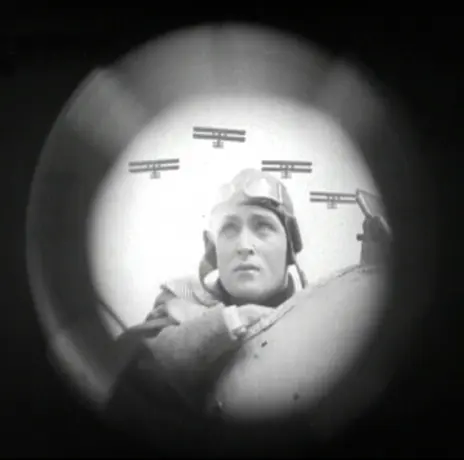
Is A Woman Redeemed worth watching today? Short answer: Yes, but only if you appreciate the slow-burn tension of silent-era melodrama over modern pyrotechnics. This film is a definitive pick for those who enjoy early 20th-century British cinema and the evolution of the spy genre, but it will likely frustrate viewers who demand high-octane pacing or complex, non-linear narratives.
This film works because it effectively uses the 'forced marriage' trope to create a palpable sense of domestic claustrophobia that mirrors the geopolitical tension of the torpedo plot. This film fails because the antagonist's motivations are painted with such broad, villainous strokes that they lack the psychological nuance found in contemporary thrillers. You should watch it if you want to see Brian Aherne in one of his formative roles, demonstrating the screen presence that would eventually lead him to Hollywood stardom.
A Woman Redeemed is a fascinating artifact of 1927 that manages to remain engaging due to its focus on the moral interiority of its lead character. While the technology it depicts—a wireless-controlled torpedo—feels like a quaint MacGuffin today, the emotional stakes of a woman forced to betray her own heart are timeless. It is a serviceable, mechanically sound thriller that bridges the gap between the theatricality of early silents and the cinematic fluidity of the late 1920s.
The direction by Sinclair Hill (though the script is the focus here) shows a keen understanding of how to build tension through proximity. The laboratory scenes, where the inventor works on his wireless torpedo, are shot with a clinical coldness that contrasts sharply with the opulent, yet threatening, environments controlled by the Count. The cinematography uses shadows not just for aesthetic flair, but to illustrate the 'shadow' life the protagonist is forced to lead.
Consider the scene where the heroine first enters the inventor's study. The camera lingers on the blueprints, making them feel like a physical weight. The pacing in this sequence is deliberate. It forces the audience to sit with her guilt. Unlike Dangerous Waters, which relies more on external maritime threats, A Woman Redeemed finds its primary conflict in the quiet moments of a shared dinner or a stolen glance at a safe.
The tone is remarkably consistent. It avoids the slapstick tendencies of films like Greased Lightning, opting instead for a somber, almost noir-ish atmosphere. This seriousness is what saves the film from becoming a dated curiosity. It treats its subject matter with a gravity that demands the viewer's attention, even when the plot beats become predictable.
Brian Aherne provides a grounded performance that anchors the film's more melodramatic tendencies. He portrays the inventor not as a mad scientist, but as a man of genuine passion and vulnerability. This makes the betrayal feel significantly more personal. When he looks at his new bride, there is a sincerity that makes her internal conflict believable. Without this chemistry, the film would collapse into a mere procedural.
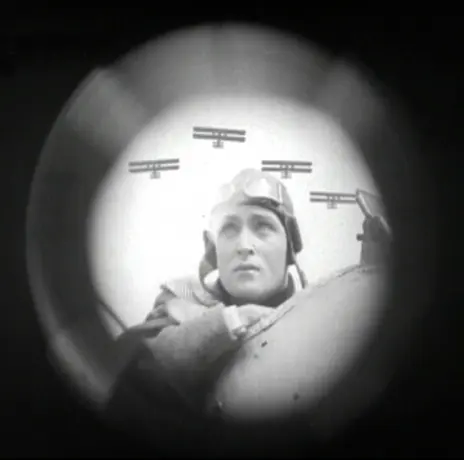
James Carew as the Count is the film’s weakest link, though not due to a lack of talent. He is simply written as a one-dimensional puppet master. He lacks the tragic complexity seen in films like Wilhelm Tell. However, his presence provides a necessary external pressure that keeps the plot moving. He is the engine of the film's conflict, even if he isn't its heart.
The supporting cast, including Dorothy Bartlam and Robert English, fill out the world effectively. They represent the societal expectations that hem the protagonist in. In many ways, the film is a critique of a society where women are traded like the very blueprints they are sent to steal. It’s a cynical observation for a 1927 film, and it gives the narrative a sharp edge.
When comparing this to Adam's Rib, we see a stark difference in how marital conflict is handled. While the latter leans into the social dynamics of the era, A Woman Redeemed weaponizes marriage. The marriage isn't just a social contract; it’s a tactical infiltration. This adds a layer of suspense that is often missing from pure dramas of the period.
Furthermore, the film shares a certain DNA with Lest We Forget in its preoccupation with the aftermath of war and the tools of future destruction. The wireless torpedo represents the dawn of a new kind of warfare—one that is detached and invisible. The film is at its best when it leans into this anxiety, suggesting that the most dangerous weapons are not the ones on the battlefield, but the secrets kept within a home.
The film’s resolution is perhaps its most debatable element. Without spoiling the ending, it attempts a traditional redemption arc that feels slightly unearned given the depth of the deception. It is a bit of a relic. But it has teeth. The final act moves with a speed that contrasts the rest of the film, leading to a climax that is both satisfying and somewhat safe.
Pros:
The chemistry between Aherne and Lockton is surprisingly modern and understated. The film avoids the excessive intertitles that plague many of its contemporaries, allowing the visuals to carry the narrative weight. The technical details of the torpedo invention add a unique 'proto-sci-fi' flavor to the spy plot.
Cons:
The pacing in the second act drags as the film spends perhaps too much time on the domestic mundanity of the marriage. Some of the secondary characters, like those seen in Mind the Paint Girl, feel like they belong in a different, lighter movie. The villain's ultimate defeat feels a bit too convenient for the sake of a happy ending.
A Woman Redeemed is a sturdy piece of craftsmanship that deserves more than its current status as an obscure footnote. It doesn't reinvent the wheel, but it spins it with a confidence that is rare for British films of this specific window. While it lacks the iconic status of a Hitchcock thriller, you can see the seeds of that style being planted here. It is a film about the cost of secrets and the possibility of finding truth in a life built on a foundation of lies. It works. But it’s flawed. If you can look past the 1920s tropes, you’ll find a story that is surprisingly resonant. It is a 7/10 for silent film buffs and a 5/10 for the casual modern viewer.

IMDb —
1925
Community
Log in to comment.