DbcultAccessing Vault...
Cult Review
Senior Film Conservator
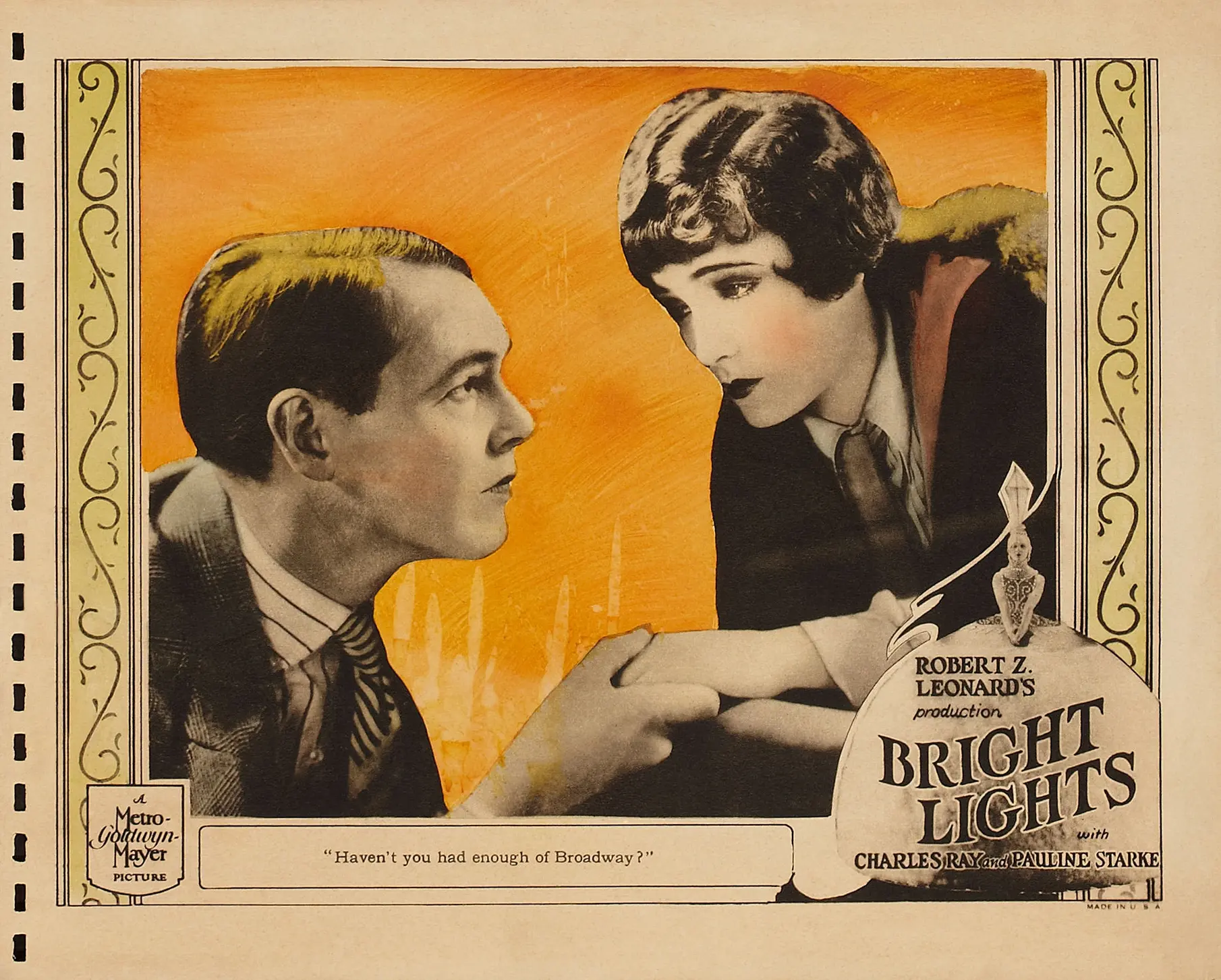
Is Bright Lights (1925) a silent era relic worth your time today? Short answer: yes, but only if you possess a high tolerance for the specific, intentional awkwardness of Charles Ray's 'country boy' persona.
This film is for historians of the silent era and fans of character-driven situational comedy. It is NOT for those who require high-octane pacing or the sophisticated irony of modern romantic comedies.
1) This film works because Charles Ray excels at playing the uncomfortable outsider, making the audience feel every bit of his social anxiety.
2) This film fails because the central misunderstanding—Tom thinking Patsy wants a city man—is stretched far beyond its natural breaking point, leading to a repetitive second act.
3) You should watch it if you enjoy seeing how the 1920s viewed the transition from rural life to urban sprawl, or if you are a fan of The Charm School.
In 1925, Charles Ray was the undisputed king of the 'country boy' role. In Bright Lights, he leans heavily into this established brand. The film begins in a soft-focus pastoral setting that feels almost nostalgic, even for its time. When Tom sells his invention, the shift in tone is immediate. The film transitions from a quiet romance to a frantic character study of a man losing himself in a costume.
One specific scene highlights Ray's physical comedy: the moment he first steps out in his 'city slicker' attire. He moves with a rigid, unnatural gait, clearly terrified that his new suit might crack if he breathes too deeply. It is a masterclass in using the body to convey internal discomfort. He looks like a child playing dress-up in his father's clothes, which is exactly the point. It works. But it’s flawed.
Contrast this with his performance in M'Liss, and you see a performer who knows exactly how to manipulate audience sympathy. Ray doesn't just play Tom; he inhabits the very idea of rural insecurity. His performance is the anchor that keeps the film from drifting into total absurdity.
The 1920s was a decade defined by the Great Migration to cities, and Bright Lights captures the fear that this move would strip Americans of their 'authentic' selves. Patsy, played with a surprising amount of groundedness by Pauline Starke, is the heart of the film. While Tom is busy trying to become a caricature of a city dweller, Patsy is looking for the man who once smelled of hay and honesty.
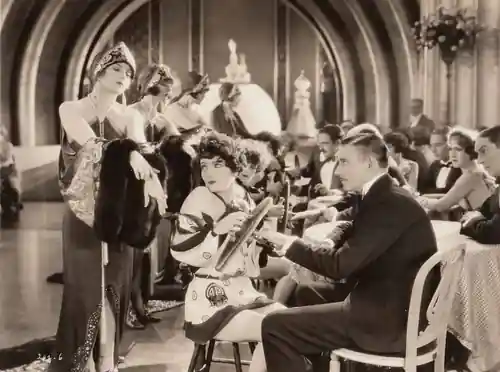
The cinematography by Chester Lyons reinforces this divide. The country scenes are shot with wide, open frames, suggesting freedom and clarity. Once the action moves to the city, the frames become cluttered. There are more people, more furniture, and more visual noise. This 'neon' atmosphere is meant to feel suffocating, reflecting Tom's own internal state as he navigates a world he doesn't understand.
Consider the scene where Tom enters a high-end restaurant. The lighting is harsh, and the shadows are deep. He is surrounded by people like Lilyan Tashman’s character, who represent the cold, polished surface of urban life. It is a stark contrast to the warm, flat lighting of the opening farm scenes. The 'bright lights' of the title are not a beacon of hope; they are a glaring interrogation lamp.
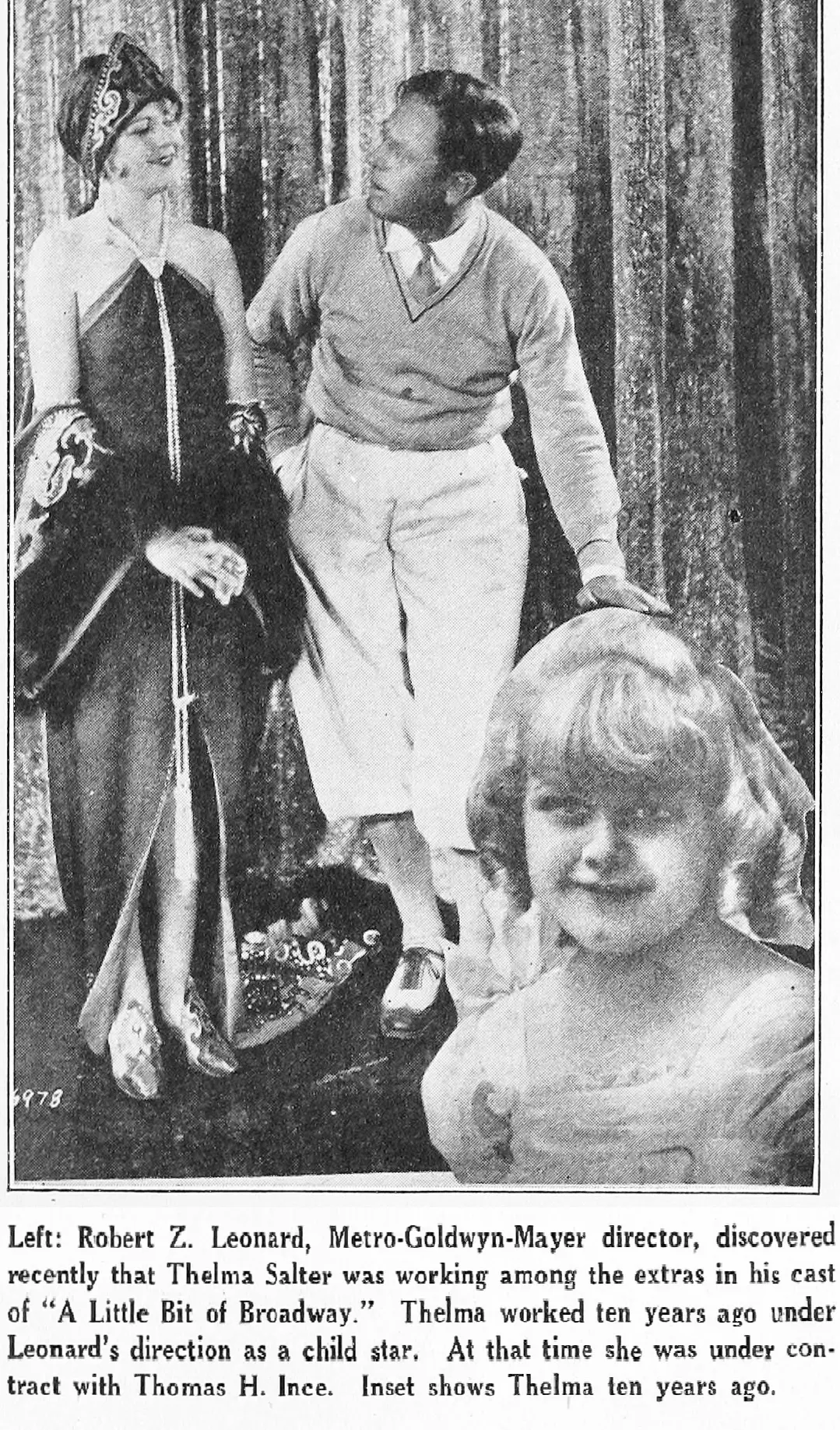
Robert Z. Leonard’s direction is functional but lacks the visual flair of a Murnau or a Griffith. However, he understands how to frame a gag. The pacing in the first act is brisk, establishing the stakes and the motivation with efficiency. The second act, however, tends to meander. We spend perhaps ten minutes too long watching Tom fail at urban etiquette.
The inclusion of Ned Sparks provides a much-needed cynical edge to the proceedings. Sparks, known for his deadpan delivery even in the silent era, acts as a foil to Ray’s earnestness. Every time Ray gets too sentimental, Sparks is there with a visual shrug or a biting title card to bring the film back to earth. His presence prevents the movie from becoming a saccharine morality play.
The film’s writing, contributed to by a team including Joseph Farnham and Richard Connell, relies heavily on the irony of the situation. We know Patsy loves the old Tom; Tom believes she loves the new Tom. This dramatic irony is the engine of the film, but by the seventy-minute mark, the engine starts to sputter. A more daring director might have explored the tragedy of Tom’s lost identity more deeply, but Leonard keeps it firmly in the realm of light comedy.
Does Bright Lights (1925) hold up for a modern audience?
Yes, if you view it as a psychological study rather than a pure comedy. The film’s exploration of 'imposter syndrome' is surprisingly modern. We all have moments where we feel we must perform a version of ourselves to be accepted. Watching Tom fail so spectacularly at being a 'city slicker' is both painful and relatable. It is a minor work, but a fascinating one.
Pros:
Cons:
One of the most debatable aspects of the film is its stance on technology. Tom is an inventor, yet the film seems to suggest that his 'progress' is what leads to his downfall. It is an unconventional observation for a film made in the roaring twenties, a decade usually associated with a blind embrace of the future. The very invention that gives him the money to leave the farm is the catalyst for his misery. This creates a subtle, almost anti-capitalist undercurrent that most critics of the era missed.
Furthermore, the film is much more critical of Tom than it is of the city. While the city is loud and confusing, it is Tom’s own ego—his belief that he isn't 'good enough' as he is—that causes the conflict. This shifts the blame from the environment to the individual, a stance that feels remarkably contemporary.
Bright Lights (1925) is a charming, if slightly overlong, exploration of the American identity crisis. It doesn't reach the heights of Trilby in terms of sheer drama, nor does it have the experimental edge of La tragica fine di Caligula imperator. Instead, it sits comfortably in the middle of the road. It is a film about the masks we wear and the people we lose when we forget to take them off. It is a solid, three-star experience that provides a window into a world that was changing too fast for its own good. It’s a film that asks us to look at the 'bright lights' and realize they might just be blinding us to what matters.
IMDb —
1925
Community
Log in to comment.