DbcultAccessing Vault...
7.2/10
Senior Film Conservator
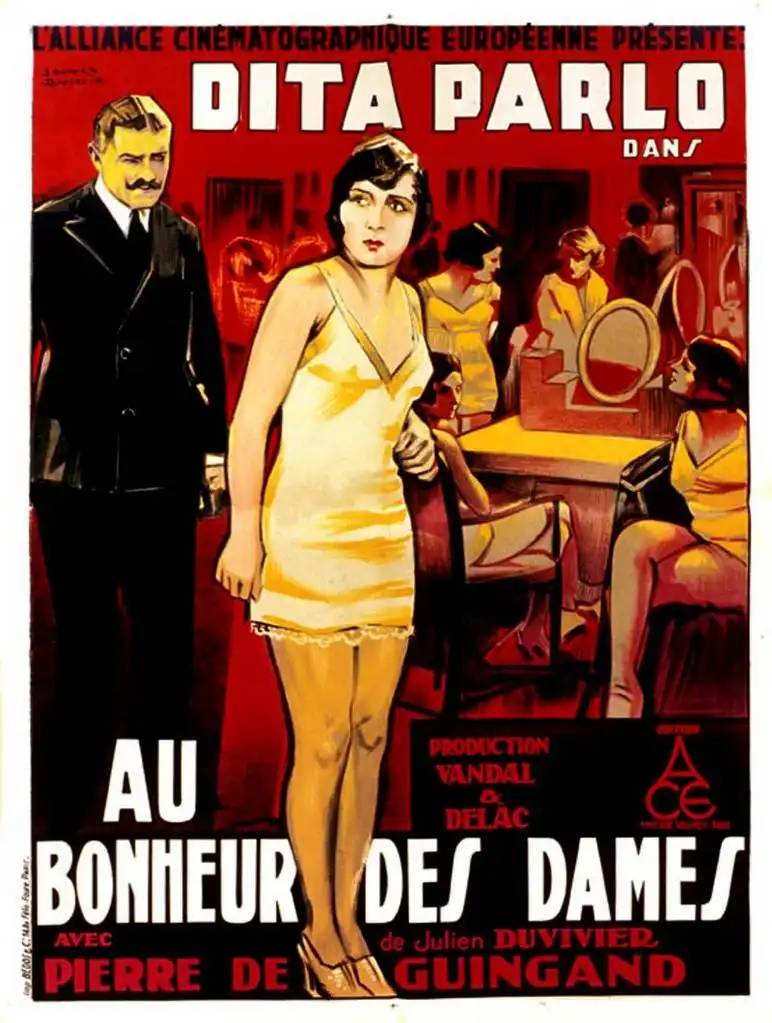
A definitive 7.2/10 rating for a film that redefined the boundaries of cult cinema. Ladies' Paradise remains a cornerstone of transgressive art.
If you have a quiet afternoon and want to see how capitalism looked when it was still wearing a top hat, then yes.
You’ll like this if you enjoy seeing old cities and people getting overwhelmed by too much stuff.
But if you hate silent films where everyone moves like they just drank ten cups of coffee, you should probably skip it.
The first thing you notice in Ladies' Paradise is how busy everything is.
Denise arrives in Paris and the camera just swirls around her like she's in a washing machine.
She goes to see her uncle, but his shop is dark and looks like it belongs in the Middle Ages.
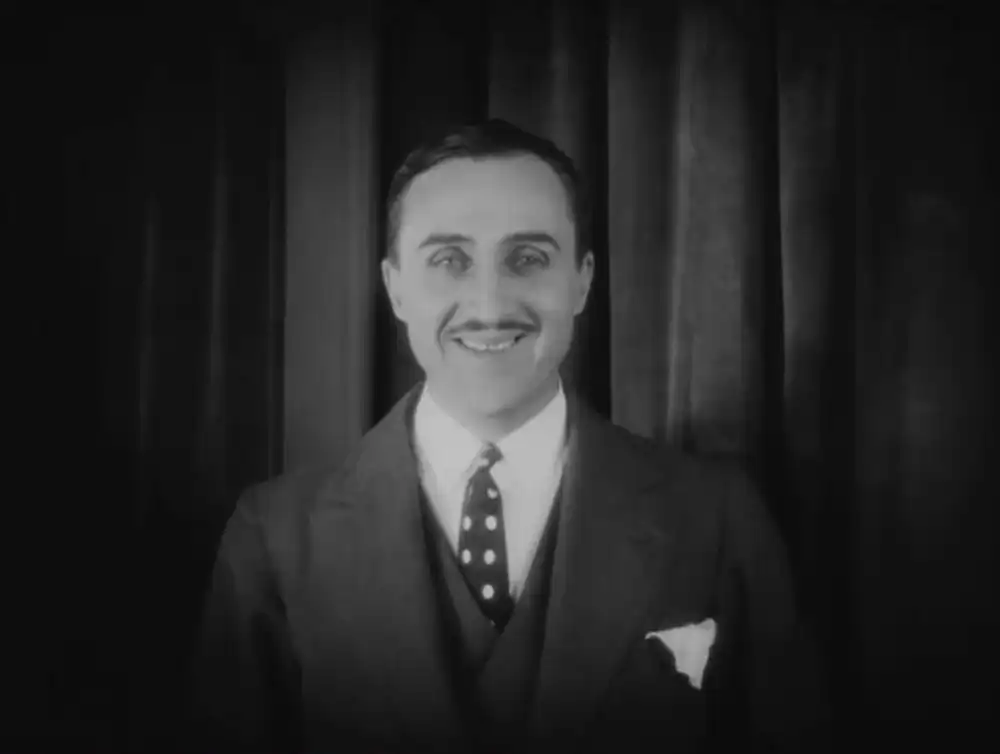
Right across the street is the 'Aux Bonheur des Dames,' which is basically a 1930s version of a giant Amazon warehouse but with better curtains.
It’s huge, it’s white, and it has these massive windows that make the uncle’s shop look like a shoe box.
I really felt bad for the uncle, Baudu.
He just stands in his doorway looking at the big store like it’s a monster about to eat him.
The movie does this thing where it shows the construction of the new store wings, and it feels like a war movie.
Brick by brick, the small shops are literally being crushed.

It reminds me a little bit of the social vibes in What 80 Million Women Want, but way more depressing.
The director, Julien Duvivier, was clearly trying to show off a bit here.
There are these shots of the store's interior that go on and on, showing the elevators moving up and down.
It makes the store look like a living machine.
The mannequins are especially creepy.
They have these blank faces and they’re everywhere, almost like they’re watching the real women shop.

One scene has a bunch of umbrellas opening and closing, and it’s actually kind of dizzying to watch.
I think I counted at least fifty umbrellas in one frame.
The editing is fast, maybe a bit too fast for some people.
It’s not like Hard Luck where the cuts are for jokes; here, the cuts are meant to make you feel the chaos of the city.
Denise is played by Dita Parlo, and she has these really big, expressive eyes.
She gets a job at the big store because she has to survive, which is a bit ironic.

The boss of the store, Mouret, is this very slick guy who knows exactly how to make women spend money they don’t have.
He watches everyone from a balcony like he’s a king.
There is a weird tension between him and Denise that I didn't quite buy at first.
One moment he’s a cold businessman, and the next he’s looking at her like he’s actually human.
It’s a bit like the romance stuff you see in The Gilded Lily, where you wonder why the girl is even interested.
The movie spends a lot of time on the drama between the shop girls too.

They are all mean to each other and it feels very realistic, like any job where everyone is stressed out.
It’s a strange movie because it’s beautiful and scary at the same time.
You want Denise to succeed, but you also want the big store to burn down for what it did to the uncle.
It’s not a perfect film, and some of the acting is a bit much, even for 1930.
But the shots of Paris and the sheer scale of the sets are worth it.
I’m still thinking about those creepy mannequins.
They really didn't need to make them look that much like ghosts.
Anyway, give it a look if you want to see a movie that actually has something to say about shopping. 👗🛒
IMDb —
1933
Community
Log in to comment.