DbcultAccessing Vault...
Cult Review
Senior Film Conservator
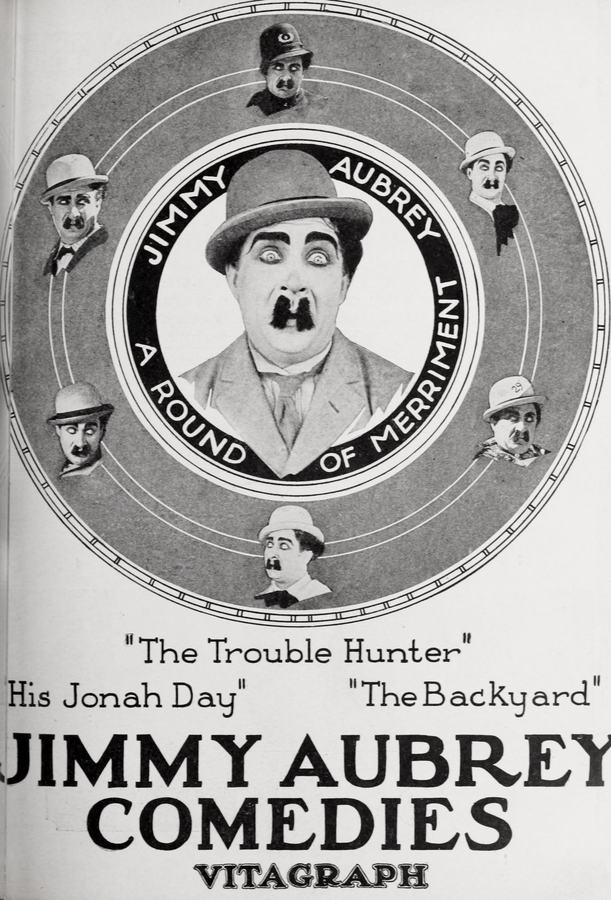
In the annals of cinematic history, particularly within the vibrant, often frenetic, landscape of early 20th-century silent comedy, certain gems occasionally resurface from the depths of forgotten archives, sparkling with an unexpected brilliance. One such delightful discovery is Jess Robbins’ "The Trouble Hunter," a film that, despite its relative obscurity today, once offered audiences a potent dose of slapstick hilarity and whimsical absurdity. Released during an era brimming with visual gags and physical theatrics, this particular short stands as a testament to the inventive spirit that defined the nascent years of filmmaking, showcasing a unique blend of comedic talent and narrative eccentricity. It’s a work that eschews grand pronouncements or weighty dramatic arcs, opting instead for a charmingly chaotic trajectory, a veritable rollercoaster of happenstance and uproarious encounters.
The narrative core of "The Trouble Hunter" is elegantly simple, yet its execution spirals into a magnificent spectacle of comedic disarray. Our protagonist, the unassuming and perpetually bewildered Jimmy, portrayed with characteristic charm by Jimmy Aubrey, finds his ordinary world irrevocably shattered by a single, improbable misstep. A most mundane domestic feature – a coal chute, typically a conduit for fuel, not human beings – becomes his unwitting portal to an entirely different dimension. This accidental plummet is not merely a fall; it’s a grand, almost theatrical, descent into a subterranean realm, a clandestine "underworld resort" that defies conventional logic and societal norms. The very notion of an "underworld resort" conjures images of speakeasies and hidden havens, a secret world thriving just beneath the veneer of everyday life, an idea that resonates with the era's fascination with hidden pleasures and illicit glamour.
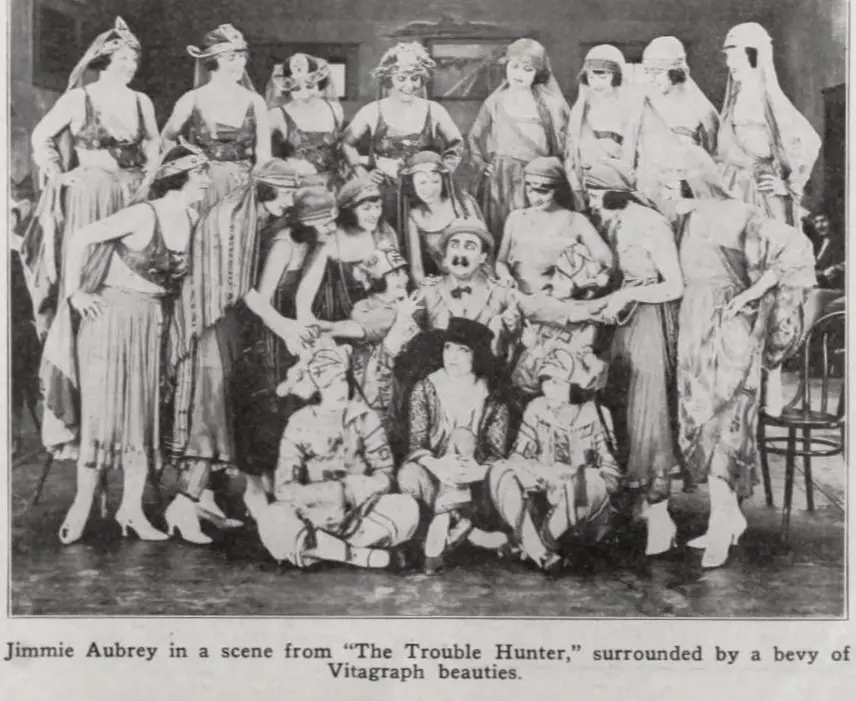
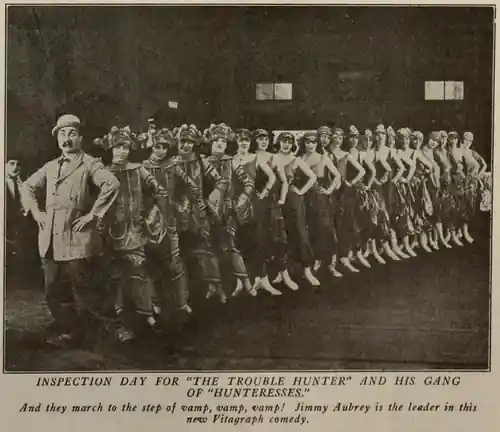
Upon his unceremonious arrival, Jimmy is not greeted by shadowy figures or menacing denizens, but by a veritable kaleidoscope of feminine exuberance: over a hundred chorus girls. This is not a mere handful; it’s an overwhelming, dazzling multitude, a sea of sequined costumes and synchronized movements that must have been a truly arresting sight for contemporary audiences. The sheer scale of this ensemble cast immediately sets "The Trouble Hunter" apart, transforming what could have been a simple farce into a grand, almost operatic, comedic ballet. Jimmy, a fish quite literally out of water, is thrust into a phantasmagoria of effervescent energy, a world where the rules he once knew no longer apply. His bewildered expressions, his attempts to navigate this bewildering new environment, form the bedrock of the film’s comedic genius. The contrast between his ordinary demeanor and the extraordinary circumstances he finds himself in is a wellspring of perpetual mirth. The film doesn't waste time on elaborate setups; it plunges headfirst into the absurdity, trusting its visual language and the performers' innate comedic timing to carry the audience along for the ride.
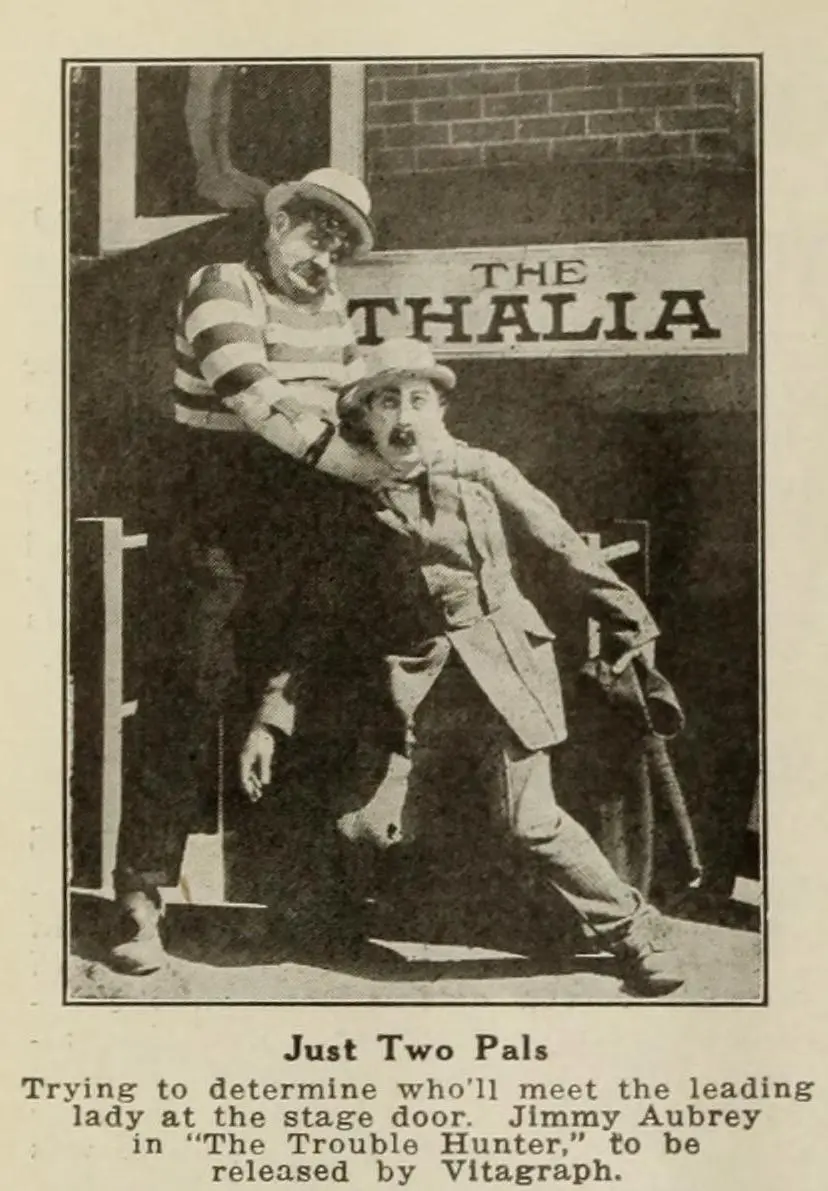
At the heart of "The Trouble Hunter" lies the inimitable presence of Jimmy Aubrey. A seasoned veteran of the silent screen, Aubrey possessed a unique brand of physical comedy that was both subtle and explosive. His character here is archetypal: the hapless everyman, perpetually caught in circumstances beyond his control, yet retaining a resilient, almost naive, optimism. Aubrey’s genius lay in his ability to convey a myriad of emotions with a mere twitch of an eyebrow or a flailing limb. His fall into the coal chute is not just a physical gag; it’s a symbolic descent into the unknown, and Aubrey’s subsequent reactions are a masterclass in silent film performance. He doesn’t simply react; he embodies the confusion, the awe, and the burgeoning panic of a man who has stumbled into a dream, or perhaps a delightful nightmare. His interactions with the throng of chorus girls are particularly noteworthy. He is not a predatory figure, nor is he entirely passive. Instead, he embodies a sort of bewildered charm, attempting to make sense of the dazzling chaos surrounding him. His movements are precise, his timing impeccable, ensuring that every pratfall and perplexed glance lands with maximum comedic impact.
Aubrey's comedic style in "The Trouble Hunter" can be seen as a precursor to the more refined, character-driven slapstick that would define later comedians. He wasn't merely performing stunts; he was crafting a persona, a sympathetic figure whose predicaments, however exaggerated, felt relatable. His ability to elicit both laughter and a touch of empathy from the audience is a testament to his skill. This particular role allowed him to fully exploit his physical dexterity and his expressive face, turning a simple premise into a vehicle for sustained comedic brilliance.
No discussion of "The Trouble Hunter" would be complete without acknowledging the significant, albeit early, contribution of Oliver Hardy. Even at this stage in his career, before his iconic partnership with Stan Laurel cemented his legendary status, Hardy’s distinctive physical presence and comedic timing were already evident. In "The Trouble Hunter," Hardy likely assumes a role that plays on his imposing stature and his ability to project a certain air of authority, even if that authority is perpetually undermined by the surrounding chaos. Whether he is a bouncer, a manager, or another patron of this clandestine resort, his interactions with Aubrey’s Jimmy would undoubtedly have provided some of the film’s most memorable moments. Hardy had a unique way of conveying exasperation, pomposity, and a touch of self-importance, all of which could be brilliantly deflated by Aubrey’s bumbling antics.
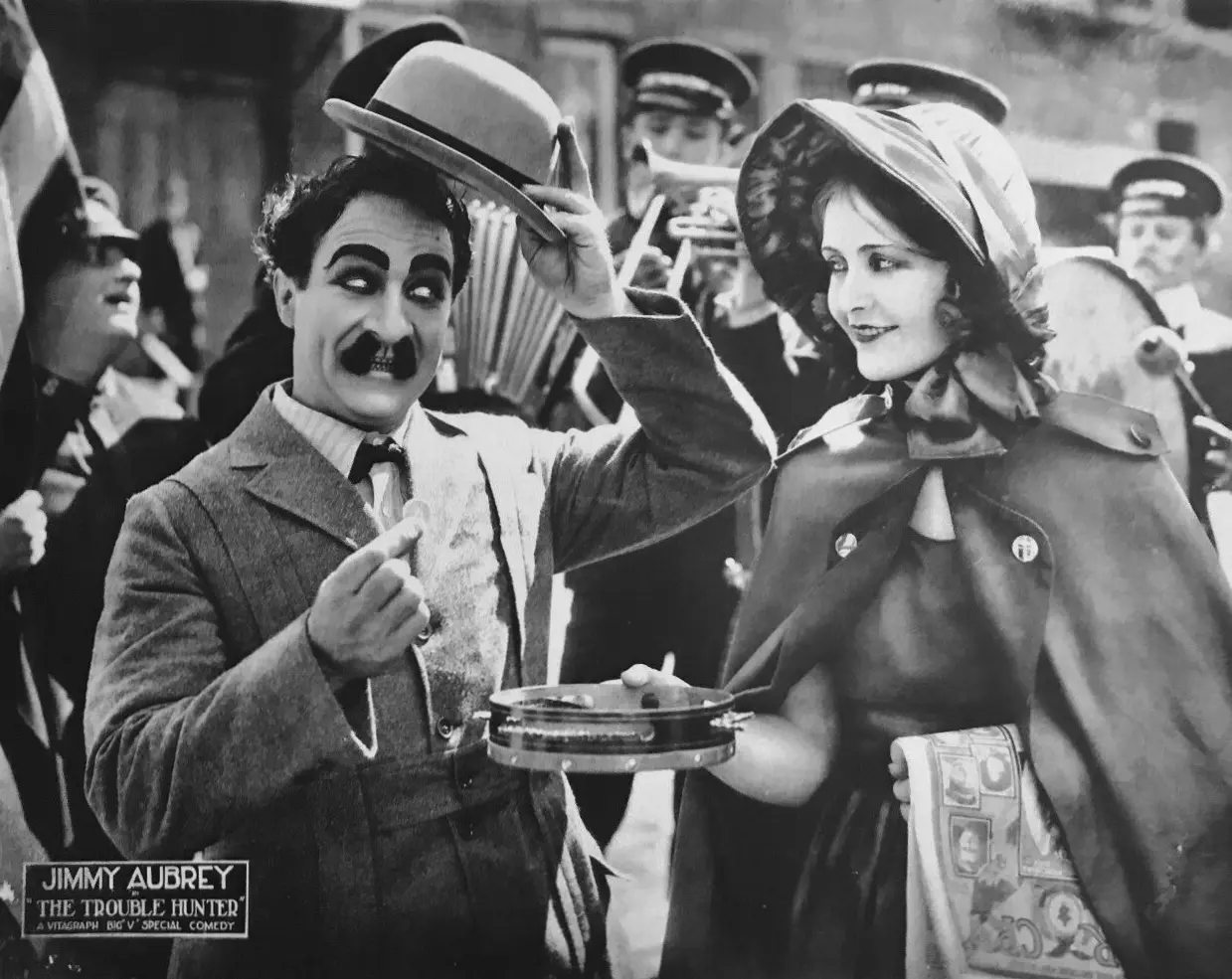
The dynamic between a smaller, more frantic comedian and a larger, more stoic one was a common and highly effective trope in silent comedy, and "The Trouble Hunter" provides an early glimpse into Hardy's mastery of this interplay. His expressions, often a slow burn of irritation or a resigned acceptance of the absurd, would have perfectly complemented Aubrey’s more frenetic energy. It's fascinating to observe Hardy in these formative roles, tracing the evolution of the comedic giant he would become. His presence here adds a layer of historical significance, allowing us to appreciate the foundational elements of his enduring appeal. This film serves as a valuable artifact for understanding the development of one of cinema's most beloved comedic figures, offering insights into his early choices and the nascent stages of his distinctive performance style.
The titular "underworld resort" and its legion of chorus girls are not merely a backdrop; they are active participants in the unfolding comedy. The concept of a hidden, vibrant pleasure palace speaks volumes about the cultural milieu of the time, hinting at a thirst for escapism and a fascination with the clandestine. The sheer number of chorus girls – a hundred, no less – suggests a lavish production, even for a short film. This visual extravagance would have been a major draw, offering audiences a glimpse into a world of dazzling entertainment and perhaps a touch of forbidden allure. The synchronized movements, the elaborate costumes (even if only hinted at by black and white cinematography), and the collective energy of so many performers create a dynamic, living environment that constantly challenges Jimmy’s sense of order.
The chorus girls, rather than being mere decorative elements, likely serve as a collective force, a swirling vortex of femininity that both enthralls and disorients Jimmy. Their presence amplifies the comedic situations, from mistaken identities to accidental embraces, creating a vibrant tapestry of human interaction. This aspect of the film draws parallels with other works of the era that celebrated the spectacle of performance and the allure of the stage. For instance, the theatricality and the focus on showgirls in The Cabaret Girl (1926), though a later film, shares a thematic thread in its exploration of the glamorous, often chaotic, world behind the curtain. "The Trouble Hunter" captures a similar spirit, albeit through a more farcical lens, emphasizing the comedic potential of a lone man adrift in a sea of dazzling performers.
Jess Robbins, as the writer and director, orchestrates this delightful chaos with a keen understanding of silent film mechanics. The screenplay, credited solely to Robbins, would have been a blueprint for visual gags and character-driven comedy, relying heavily on physical action and expressive performances rather than verbose intertitles. Silent comedy, at its best, is a ballet of movement and reaction, and Robbins demonstrates a mastery of this craft. His direction would have focused on precise blocking, exaggerated gestures, and rapid-fire comedic timing, ensuring that the audience could follow the escalating absurdity without the need for extensive dialogue. The pacing of such a film is crucial; scenes must build quickly, deliver their punchline, and transition smoothly to the next predicament.
Robbins' work here, alongside the performances of Aubrey and Hardy, exemplifies the collaborative spirit of early filmmaking. The director's vision guides the actors, but the actors' improvisational skills and understanding of their characters elevate the material. The film's enduring charm lies in this synergy, a testament to the era's creative energy. It's a reminder that even without the complexities of sound, filmmakers were capable of crafting intricate, engaging narratives that resonated deeply with audiences. The simplicity of the premise belies the sophistication of its execution, a hallmark of many successful silent comedies.
"The Trouble Hunter" is more than just a forgotten film; it’s a vital piece of cinematic history that showcases the foundational elements of American comedy. The reliance on physical humor, exaggerated scenarios, and relatable characters in extraordinary situations set the stage for generations of comedians to come. The film’s ability to evoke laughter through purely visual means is a powerful reminder of the universal language of comedy. It speaks to a time when cinema was a nascent art form, constantly experimenting with its own capabilities, pushing the boundaries of what could be achieved without spoken words. The film’s episodic structure, typical of many shorts of the era, allows for a rapid succession of gags, maintaining a brisk pace that keeps the audience engaged.
Comparing it to other comedies of the era, one might draw parallels with the innocent mischief found in films like Two Little Imps (1917) or the everyday absurdities presented in Doorsteps (1916). While "The Trouble Hunter" escalates its premise to a more fantastical degree with its "underworld resort," it shares the same comedic DNA: a focus on the disruption of order and the ensuing pandemonium. These films, including Robbins' creation, collectively formed the bedrock of comedic storytelling, establishing tropes and techniques that are still recognizable and effective today. They taught filmmakers how to build a gag, how to time a reaction, and how to create characters that audiences would instantly root for, or laugh at.
The sheer energy of the performances, particularly Aubrey's, combined with the novelty of the setting, makes "The Trouble Hunter" a compelling watch for anyone interested in the evolution of comedic cinema. It’s a film that demands to be seen not just as a historical curiosity, but as a vibrant, entertaining piece of art in its own right. Its themes of accidental discovery and immersion into an unfamiliar world are timeless, echoing through countless narratives that followed. The film subtly critiques societal rigidity by presenting a world where convention is turned on its head, and a simple man’s accidental journey becomes a testament to the unpredictable nature of life.
In conclusion, "The Trouble Hunter" offers a captivating and often uproarious journey into the heart of silent film comedy. It’s a work that, through its simple yet ingenious premise, its stellar cast led by Jimmy Aubrey and a nascent Oliver Hardy, and Jess Robbins' deft direction, manages to transcend its era. It’s a reminder of the raw, unadulterated joy that early cinema could deliver, a potent elixir of physical comedy, visual spectacle, and charming performances. The film’s accidental protagonist, Jimmy, becomes a surrogate for the audience, experiencing the bewildering charm of a hidden world, filled with the dazzling energy of a hundred chorus girls. This descent into delightful disorder is not just a plot point; it's an invitation to embrace the unexpected, to find humor in the most improbable of circumstances.
The film’s historical significance is undeniable, offering a rare glimpse into the early careers of comedic legends and the innovative storytelling techniques of the silent era. It’s a film that, despite its age, still possesses the power to entertain, to surprise, and to remind us of the enduring appeal of pure, unadulterated cinematic fun. "The Trouble Hunter" is a testament to the fact that sometimes, the greatest discoveries are made when one simply falls, quite literally, into them, emerging into a world far more vibrant and chaotic than anything imagined. It encourages a re-evaluation of these early films, urging modern audiences to look beyond the lack of sound and appreciate the intricate artistry and boundless creativity that defined this pivotal period in film history. The laughter it provokes is a timeless echo, connecting us to audiences from a century ago, united by the universal language of comedic genius.
IMDb 6.3
1937
Community
Log in to comment.