DbcultAccessing Vault...
6.6/10
Senior Film Conservator
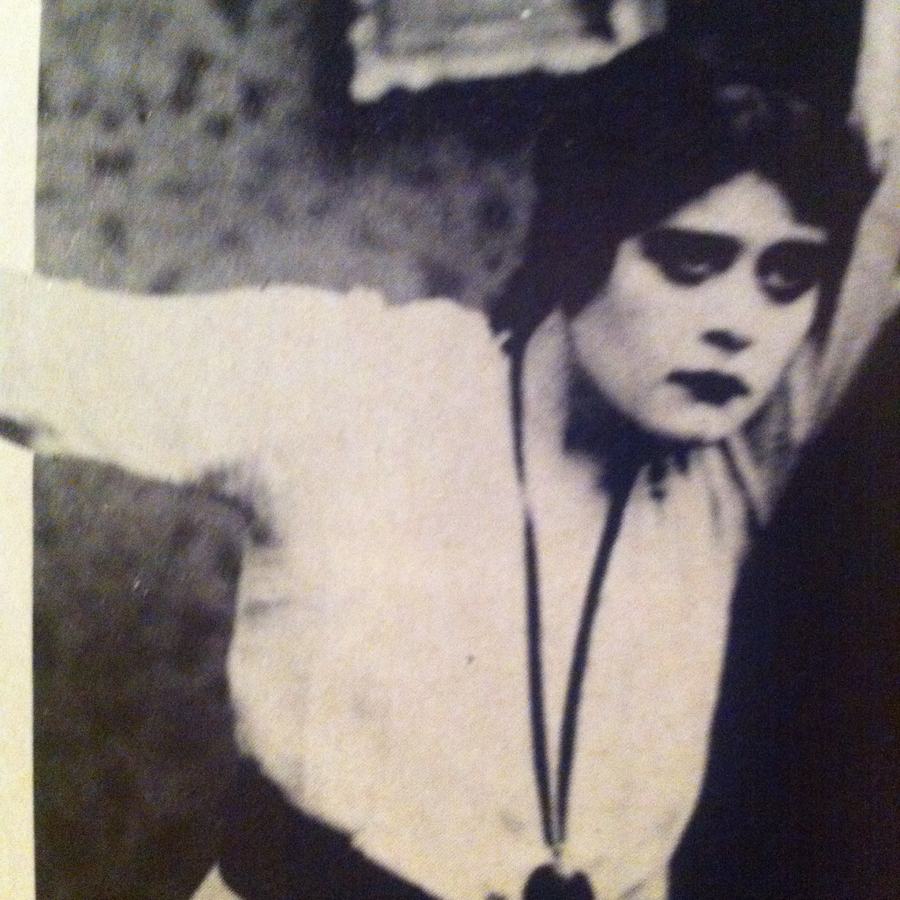
A definitive 6.6/10 rating for a film that redefined the boundaries of cult cinema. Lady Audley's Secret remains a cornerstone of transgressive art.
In the annals of early cinema, few characters encapsulate the intoxicating blend of danger and allure quite like Lady Audley. The 1915 adaptation of Mary Elizabeth Braddon's sensational novel, Lady Audley's Secret, plunges viewers into a maelstrom of deceit, ambition, and psychological unraveling. This cinematic endeavor, brought to life by the directorial vision and the magnetic presence of Theda Bara, stands as a testament to the enduring power of a well-crafted melodrama, even in its nascent visual form. It's a film that, despite its century-old vintage, continues to whisper tales of forbidden desires and the terrifying lengths to which one might go to preserve a meticulously constructed facade. The era of silent film, often dismissed as primitive by casual observers, was in fact a fertile ground for exploring human emotion in its rawest, most exaggerated forms, and Lady Audley's Secret is a prime example of this expressive potential. The lack of spoken dialogue forces an emphasis on visual storytelling, on the subtle flicker of an eye or the dramatic sweep of a gesture, transforming the actors into living tableaux of inner turmoil.
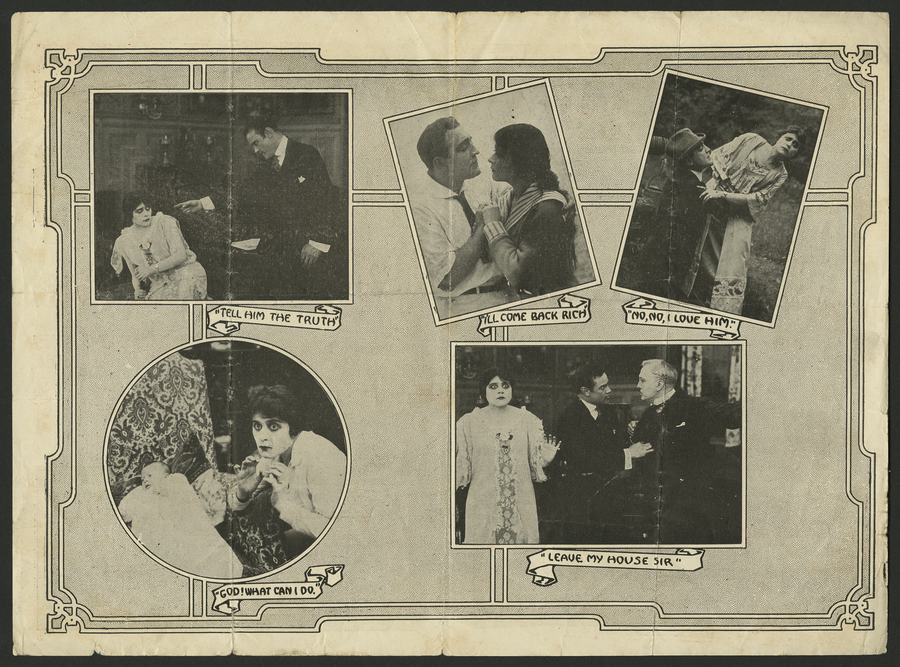
At the heart of this intricate web of perfidy lies Theda Bara's incandescent portrayal of Lady Audley herself. Bara, the silent screen's original 'vamp,' was a phenomenon, a siren whose exotic mystique captivated audiences. Here, she transcends mere archetype, imbuing Lady Audley with a chilling complexity that oscillates between calculating ruthlessness and a fragile, almost pitiable desperation. Her eyes, often heavily lined, convey multitudes – a flicker of fear, a spark of cunning, an underlying current of madness. It's a performance that doesn't just depict evil but explores its psychological genesis, hinting at the pressures and circumstances that might drive a woman to such extreme measures. Bara's physicality is deliberate, every movement imbued with a theatricality that was essential for conveying emotion without speech. The way she carries herself, the way her gaze can shift from demure to piercing, speaks volumes about the character's dual nature. Her Lady Audley is not just a villain; she is a woman trapped by her own choices, increasingly cornered by the ghosts of her past. This depth elevates the film beyond simple morality play, inviting a nuanced, albeit unsettling, empathy for her plight.
Comparatively, while films like A Florida Enchantment explored identity through a fantastical gender-swapping lens, Bara's performance in Lady Audley's Secret delves into a far darker, more earthbound transformation – the deliberate shedding of one identity for another, born not of magic but of ambition and a desperate fight for survival. The societal constraints of the Victorian era, though not explicitly detailed in the film, loom large as an unspoken motivation for Helen Talboys' drastic metamorphosis into Lady Audley. Her initial abandonment by George, whether real or perceived, places her in a precarious position, making her subsequent grasping for security and status understandable, if not forgivable. Bara masterfully conveys this underlying vulnerability beneath the hardened exterior, making Lady Audley a truly unforgettable figure in cinematic history. Her portrayal is a masterclass in silent acting, relying on expressive gestures, intense gazes, and a palpable aura of danger that radiates from the screen. This is a character who understands the power of performance, both on and off screen, and Bara delivers it with chilling precision. The audience is drawn into her web, repelled by her actions yet fascinated by her sheer audacity and resilience, even as her world crumbles around her.
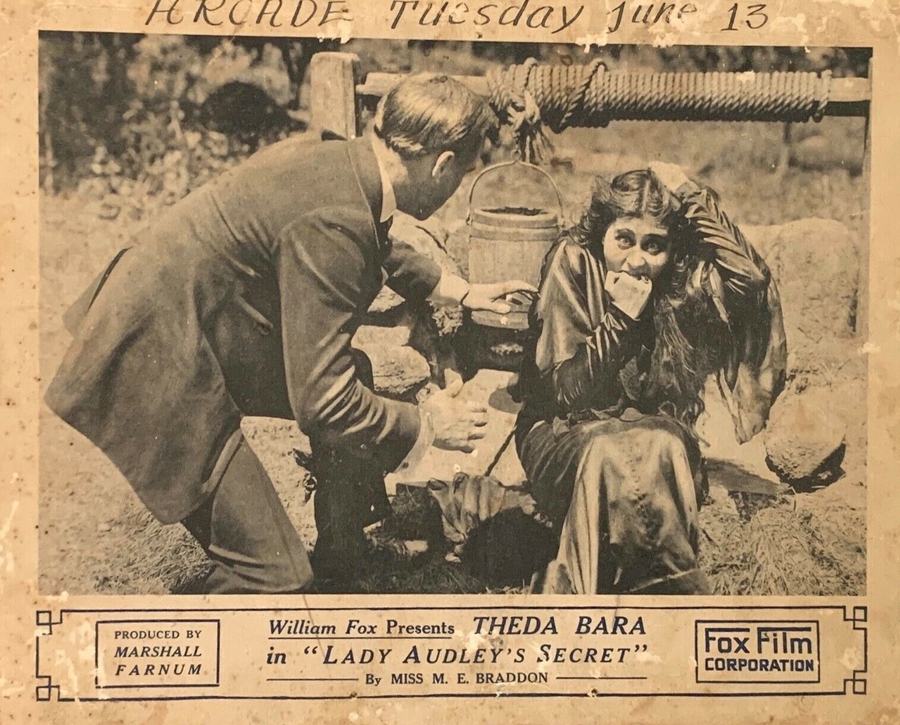
The plot, a convoluted but endlessly engaging series of revelations, serves as the perfect vehicle for Bara's talents and the film's melodramatic ambitions. The initial deception – Helen Talboys assuming her husband George has deserted her, leading to her marriage to an aristocrat – sets the stage for a cascading series of moral transgressions. The subsequent, chilling act of passing off her deceased look-alike maid as her former self to escape bigamy charges is a moment of audacious villainy that solidifies Lady Audley's ruthless pragmatism. This isn't a woman who merely bends the rules; she shatters them with a cold, calculated precision. The return of George, now a man of fortune, from Australia is the inciting incident that unravels her meticulously constructed world. His accidental encounter with his 'dead' wife at her stepson's villa ignites a desperate struggle for truth and survival. The film's pacing, typical of the era, builds tension through dramatic intertitles and increasingly frantic action sequences. The struggle by the well, culminating in Lady Audley's desperate act of throwing George down its depths, is a visceral moment that underscores her escalating paranoia and the primal urge to protect her secret at any cost. This isn't just about preserving her marriage; it's about preserving her entire identity, her very existence as Lady Audley.
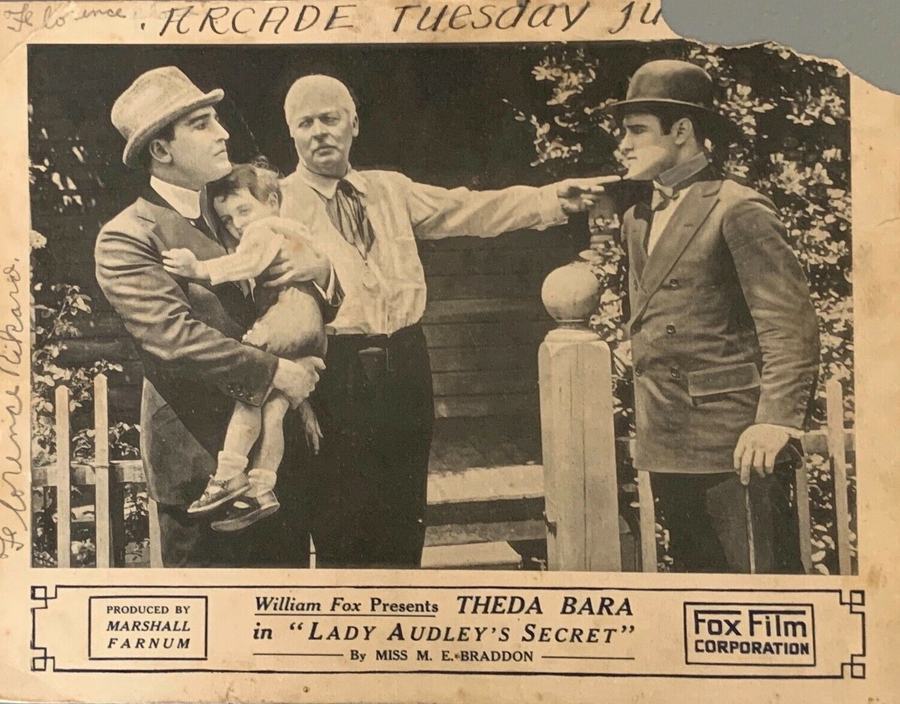
The subsequent acts of desperation, from the theft of incriminating love letters from her stepson's apartment to her increasingly erratic behavior, paint a portrait of a woman spiraling into madness. The film masterfully uses visual cues to convey her deteriorating mental state, relying on Bara's expressive face and body language to communicate the internal torment that gnaws at her. Her guilty conscience, a relentless tormentor, manifests in her every move, making her a hunted figure even before George's miraculous return. This psychological descent is perhaps the film's most compelling aspect, transforming a simple tale of crime into a profound exploration of human frailty and the corrosive power of guilt. The narrative structure, borrowed directly from Braddon's sensational novel, is a masterclass in suspense, constantly raising the stakes and introducing new complications. It's a testament to the power of storytelling that even without the benefit of sound, the audience is held rapt by the unfolding tragedy. The tension is almost unbearable at times, a testament to the film's ability to translate complex psychological states into visual drama. The film's ability to maintain this level of suspense throughout its runtime is a remarkable achievement for its time, demonstrating a sophisticated understanding of narrative rhythm and emotional impact.
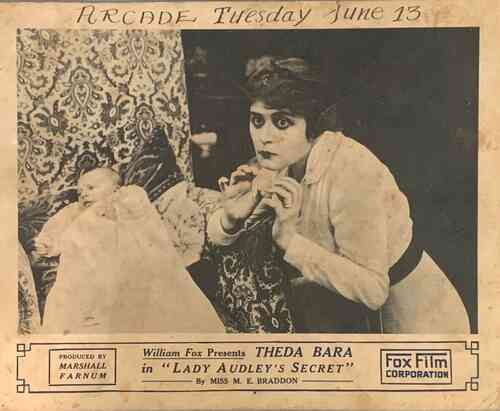
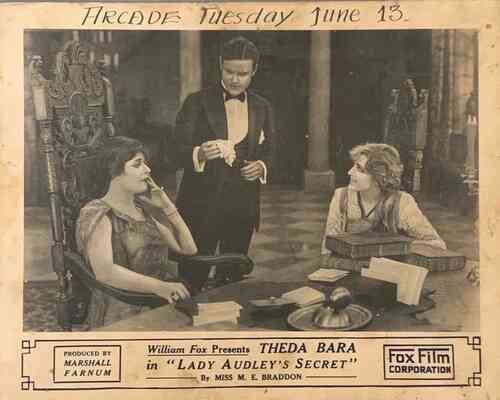
The visual language of Lady Audley's Secret, while constrained by the technological limitations of 1915, is surprisingly effective. The use of dramatic lighting, albeit rudimentary, often highlights Bara's face, emphasizing her expressions and drawing the viewer into her psychological drama. The sets, though perhaps simple by today's standards, convey the opulence of the aristocratic world Lady Audley so desperately clings to, creating a stark contrast with the grim realities of her past and her increasingly desperate present. The film's reliance on intertitles to convey dialogue and crucial plot points is handled with a certain elegance, allowing the narrative to flow without excessive interruption. It's a reminder that silent films were not merely primitive versions of sound films but an art form with its own distinct grammar and aesthetic. The performances of the supporting cast, particularly Warner Richmond as the wronged George and Clifford Bruce as the observant stepson, complement Bara's central performance, providing anchor points for the escalating drama. Their reactions, their suspicion, and their eventual pursuit of the truth are crucial in building the narrative's momentum and ensuring that Lady Audley's world feels increasingly claustrophobic. The visual storytelling, through careful framing and character blocking, ensures that every glance, every hesitant step, contributes to the overarching sense of impending doom.
The thematic undercurrents of the film are rich and resonant. It explores the rigid class structures of the era, the limited options available to women, and the lengths to which individuals might go to escape their circumstances. Lady Audley's ambition, initially a survival mechanism, transforms into a destructive force, highlighting the perils of unchecked desire. The film also delves into the nature of identity – how easily it can be shed, assumed, and ultimately, how it can become a prison. The moral implications of her actions are constantly weighed against the desperation that fuels them, inviting the audience to ponder the complexities of good and evil. In this sense, it shares a certain thematic intensity with films like Denn die Elemente hassen, where external forces or internal compulsions drive characters to desperate acts, often with tragic consequences. The film's exploration of obsession and its destructive power is particularly compelling, showing how a single secret can unravel an entire life. It’s a cautionary tale, but one delivered with such captivating theatricality that it transcends simple moralizing, becoming a profound character study of a woman pushed to the brink.
The climax of Lady Audley's Secret is a masterstroke of melodramatic resolution. George's timely reappearance, rescued from the well by the observant coachman, is the ultimate manifestation of fate's relentless pursuit. His sudden presence, a ghost from her past made flesh, shatters Lady Audley's last vestiges of sanity and leads to her dramatic, fatal collapse from fright. It's an ending that is both shocking and poetically just, a fitting culmination to a tale steeped in moral reckoning. The film, like many of its contemporaries, understood the power of a theatrical, definitive conclusion, leaving no room for ambiguity regarding the consequences of Lady Audley's actions. This dramatic flourish, while perhaps over-the-top by modern sensibilities, was perfectly aligned with the theatrical conventions of the era, providing audiences with a cathartic release after a prolonged period of suspense. The film’s lasting impact can be attributed not only to its sensational plot but also to its pioneering portrayal of a complex, morally ambiguous female protagonist, a character type that would continue to fascinate filmmakers and audiences for decades to come.
Lady Audley's Secret remains a fascinating artifact of early cinema, a vibrant example of how silent films, through compelling performances and ingenious storytelling, could captivate and provoke. Theda Bara's performance, in particular, solidifies her status as an icon, demonstrating her ability to embody both the seductive and destructive aspects of the 'vamp' persona with unparalleled intensity. It’s a film that speaks volumes about societal anxieties regarding female ambition and autonomy in a period of significant social change. While the technical aspects might appear primitive to a modern eye, the raw emotional power and the sheer audacity of its narrative continue to resonate. It's a crucial piece in understanding the development of cinematic narrative and the enduring appeal of the psychological thriller. For those interested in the foundational works of dramatic cinema and the captivating allure of its earliest stars, Lady Audley's Secret is not merely a historical curiosity but a vivid, compelling experience that, even a century later, still has the power to thrill and disturb. Its narrative audacity and the compelling central performance ensure its place as a significant, if often overlooked, classic of the silent era, echoing with the whispers of secrets that refuse to stay buried. It is a testament to the fact that compelling storytelling transcends technological advancements, finding its power in the depths of human experience.
IMDb —
1933
Community
Log in to comment.